Key Takeaways for Eco-Conscious Cleaning
- Zoos and aquariums require cleaning programs that prioritize animal protection, reducing exposure risk while effectively controlling pathogens and organic buildup.
- Aquatic exhibits demand strict water quality control, as cleaning choices directly impact filtration performance and disease pressure within delicate ecosystems.
- Biosecurity and sanitation protocols must be species-specific, accounting for diverse contamination pathways and cleaning constraints across mixed animal collections.
- Public-facing areas require cleaning solutions that balance visitor safety and high-traffic sanitation with the facility's overall environmental sensitivity.
- Sustainability efforts should focus on measurable environmental impact reduction, including responsible chemical use, diligent waste management, and controlled runoff to protect surrounding ecosystems.
The Unique Challenge of Animal Habitat Hygiene
Zoos and aquariums present a unique intersection of public health, animal welfare, and environmental science. Cleaning protocols must be robust enough to manage pathogens yet gentle enough to protect the diverse and often sensitive species housed within. The primary driver for these stringent strategies is disease prevention, which is critical not only for the health of the animal collections but also for the safety of staff and millions of annual visitors.
Unlike standard facility maintenance, animal habitat hygiene must account for a wide range of biological variables. Multi-species facilities require sanitation approaches tailored to the specific needs of each animal, considering their unique physiologies, behaviors, and sensitivities. The scope of cleaning extends far beyond removing visible dirt, focusing instead on microbial control, biofilm management, and maintaining a stable and healthy environment for every resident.
Selecting Animal-Safe Cleaning Chemistries
The selection of cleaning chemistries is a critical decision in zoo and aquarium management. The goal is to find solutions that effectively control pathogens and organic soils while minimizing exposure risk to animals. Products must be chosen carefully to avoid toxic residues or irritants that could compromise animal health without sacrificing sanitation effectiveness.
Responsible chemical use is a core component of any environmental impact reduction strategy. This includes not only the selection of agents with favorable profiles but also their proper application, dilution, and disposal. Following guidelines for husbandry and facility management helps ensure that cleaning supports, rather than detracts from, the welfare of the animals.
Maintaining Water Quality in Aquatic Habitats
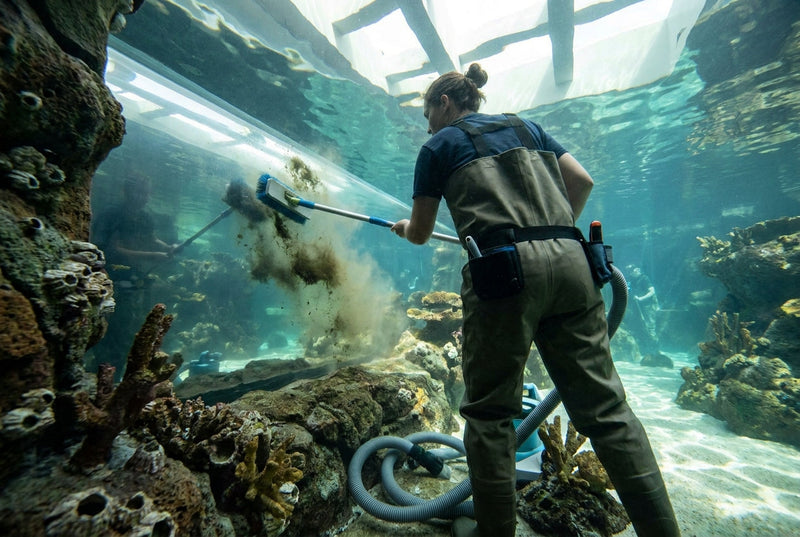
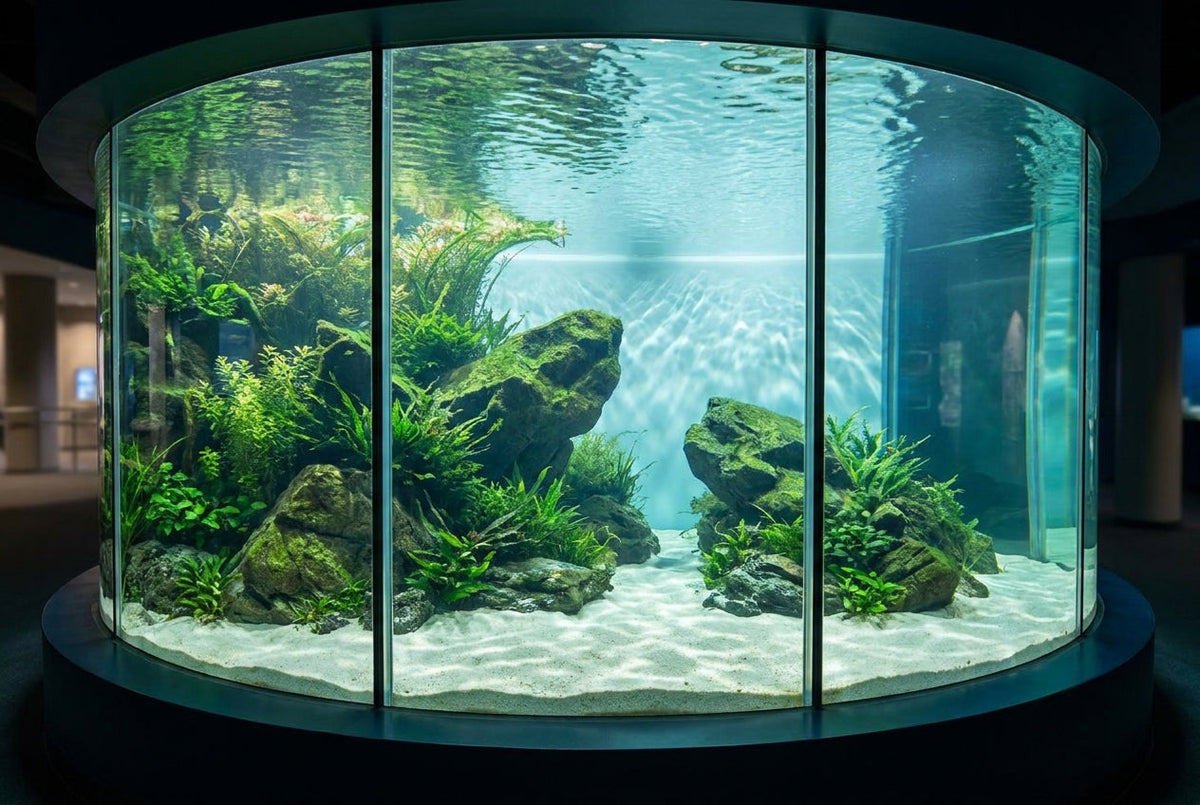
For aquariums and aquatic exhibits, water quality is paramount. These closed or semi-closed loop systems are highly susceptible to contamination, making consistent system cleanliness essential. Cleaning protocols for these environments must be carefully planned, as any substance introduced can directly affect filtration performance, the dissolved load of chemicals, and overall disease pressure on aquatic life.
A primary challenge in aquatic systems is the management of biofilm, a layer of microorganisms that can harbor pathogens. Effective biosecurity measures and biofilm control are crucial for preventing the spread of disease among aquatic animals. The selection of cleaning agents and methods must be compatible with the life support systems, ensuring that filtration and water treatment processes remain stable and effective.
Species-Specific Protocols and Staff Training
A one-size-fits-all approach to sanitation is not viable in a zoological setting. Cleaning practices must be tailored to the specific needs, sensitivities, and housing conditions of different animal species. What is safe for a large terrestrial mammal may be harmful to a delicate amphibian or a marine invertebrate.
Thorough staff training on these species-specific protocols and general biosecurity measures is essential. Well-trained staff are the first line of defense in reducing the introduction and spread of infectious agents among animal collections. Following husbandry-related best practices, including detailed and consistently applied sanitation protocols, supports both animal welfare and efficient, safe facility operations.
Sanitation for Public Viewing and High-Traffic Areas
Beyond animal habitats, zoos and aquariums manage large public spaces that see heavy foot traffic. These areas, including restrooms, food courts, and interactive exhibits, require rigorous cleaning to ensure visitor safety and meet public health standards. Effective infection control in these shared environments is a key responsibility for any public-facing facility.
The challenge is to implement robust sanitation protocols that align with the institution's broader environmental goals. This includes selecting appropriate cleaning solutions for facilities that are effective against common soils and pathogens while minimizing environmental impact through strategies like controlled runoff. This balanced approach ensures a safe experience for visitors without compromising the ecological principles of the organization.
Environmental Impact Reduction and Waste Management
Modern zoos and aquariums are deeply committed to conservation and sustainability, and their operational practices reflect this. These efforts should focus on measurable environmental impact reduction, such as minimizing waste generation and carefully controlling water runoff to prevent contamination of local water tables.
Proper chemical management is a cornerstone of this commitment. This includes secure storage, precise handling and dilution, and responsible disposal methods to minimize risks to animal habitats and the surrounding environment. By developing and adhering to a comprehensive sustainability strategy, these institutions can operate as responsible stewards of the environment, a core part of their public mission. This includes managing both indoor habitats and the associated cleaning solutions for outdoor areas.
Selection Checklist for Eco-Conscious Cleaning
- Evaluate Chemistries: Assess cleaning agents for animal-safe ingredients, low toxicity, and minimal residue after rinsing and use.
- Confirm System Compatibility: Ensure any product used in or near aquatic exhibits is compatible with existing water filtration systems and will not harm aquatic life.
- Assess Efficacy: Verify the product's effectiveness against the specific pathogens and types of organic buildup common in the facility’s animal habitats.
- Align with Protocols: Make sure all cleaning solutions and procedures align with established species-specific guidelines and animal welfare standards.
- Prioritize Low Impact: Favor solutions that contribute to a reduced environmental footprint, such as those with biodegradable properties or formulations designed for controlled runoff.
- Verify Dual Use: Where possible, select products suitable for both sensitive animal habitats and high-traffic public visitor areas to simplify inventory and training.
- Consider Training Needs: Evaluate the level of staff training required for safe and effective product application, handling, and disposal.
Operational Risks and Strategic Mitigation
Operating a zoo or aquarium involves managing several key risks related to hygiene. Contamination of water systems, for instance, can lead to poor water quality and heighten disease pressure in aquatic animals. This risk is mitigated through rigorous water quality management protocols and consistent biofilm control.
Inadequate biosecurity is another significant risk, as it allows infectious agents to spread among animal collections. This pathway is blocked by implementing strict, species-specific sanitation protocols and providing continuous staff training on disease prevention. Residue buildup from unsuitable cleaning agents can also harm animal health or interfere with habitat function. This is preventable by carefully selecting animal-safe, low-residue chemistries from the outset. Finally, ineffective cleaning of high-traffic public areas poses a health risk to visitors, which is addressed through consistent, targeted sanitation of frequently touched surfaces.
Regulatory and Compliance Landscape
Zoos and aquariums operate within a framework of professional standards and guidelines designed to ensure animal welfare and public safety. In North America, many institutions comply with standards from the Association of Zoos and Aquariums (AZA) for husbandry, facility management, and veterinary care. Additionally, American Humane certification standards provide important benchmarks for the humane treatment of animals and the proper maintenance of enclosures.
For facilities with aquatic exhibits, water quality management must align with public health guidance, such as recommendations provided by the Centers for Disease Control and Prevention (CDC). On a global scale, biosecurity and disease prevention strategies often meet standards from the World Organisation for Animal Health (OIE). Environmental practices, including waste and chemical management, should reflect strategies outlined in frameworks like the World Association of Zoos and Aquariums (WAZA) Sustainability Strategy and guidelines from the U.S. Environmental Protection Agency (EPA).
Clean and prep surfaces with CG Chemicals
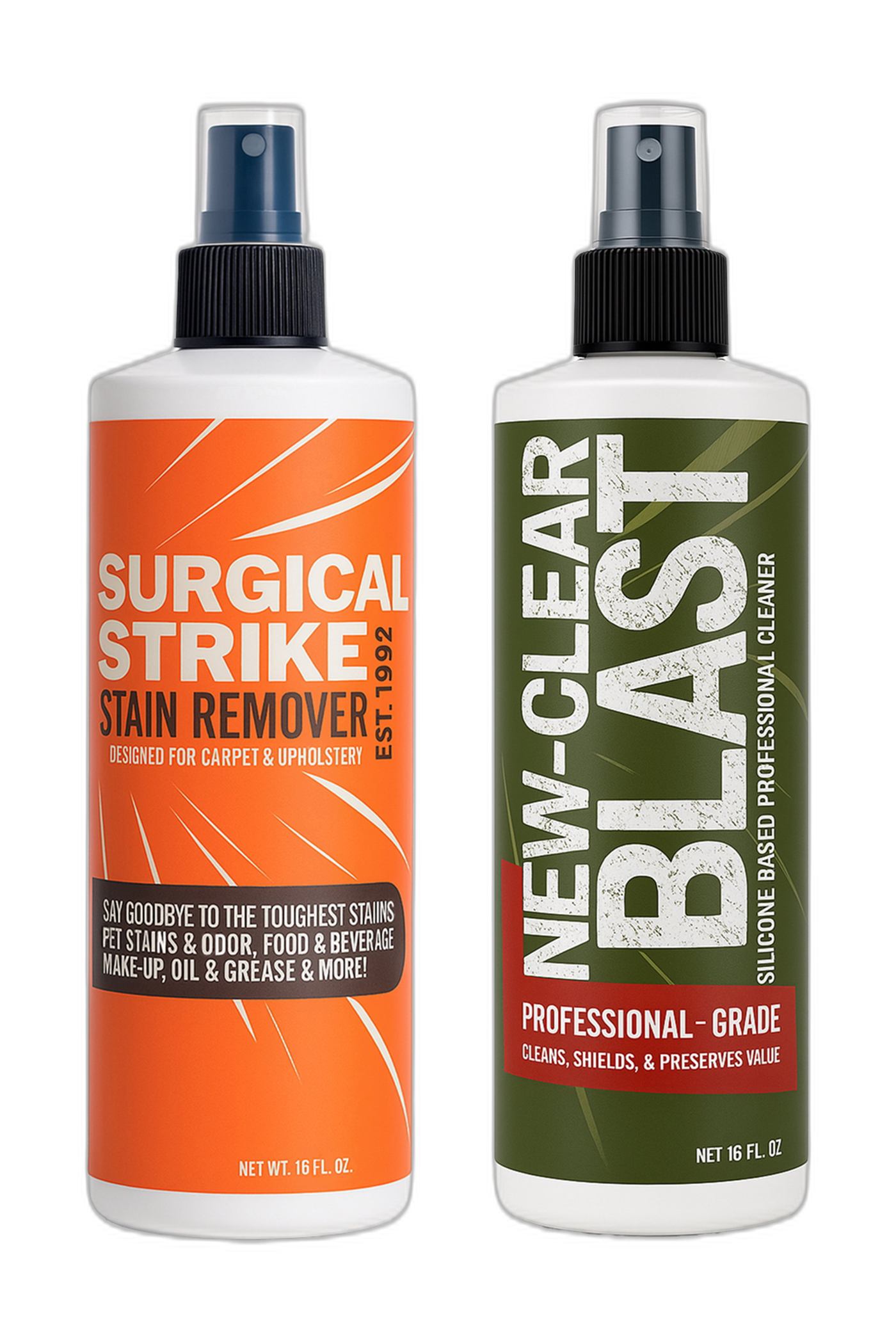
If you are dealing with buildup, residues, or tough soil before maintenance or finishing work, CG Chemicals offers practical cleaning solutions for high-use environments. Explore New-Clear Blast and Surgical Strike based on your surface and soil type.
- Use with adequate ventilation.
- Avoid contact with eyes and prolonged skin contact.
- Keep out of reach of children.
- Follow label directions.
Sources
- https://www.americanhumane.org/app/uploads/2020/08/certification-standards-for-zoos-and-aquariums.pdf
- https://www.cdc.gov/healthywater/aquariums/index.html
- https://www.aza.org/publications
- https://www.waza.org/wp-content/uploads/2022/07/WAZA_Sustainability-Strategy_WEB.pdf
- https://www.fao.org/4/i2417e/i2417e.pdf
- https://www.oie.int/
- https://www.epa.gov/
Two formulas. Serious range.
Use Surgical Strike for stains and odor, then New-Clear Blast to clean, shield and preserve hard surfaces.