Keeping animal habitats in zoos and aquariums clean and stable presents a complex set of challenges. Unlike typical cleaning tasks, zoo and aquarium habitat cleaning requires a delicate balance between thorough cleaning and the well-being of the resident animals. These specialized environments accumulate heavy biological loads, require careful management of diverse materials, and demand strict adherence to veterinary and husbandry protocols without introducing harsh chemicals. This guide explores the cleaning protocols that support animal welfare, responsible wastewater handling, and a positive visitor experience.
Key Takeaways for Zoo and Aquarium Cleaning
Effective sanitation in zoos and aquariums is a specialized discipline guided by animal welfare, environmental science, and sound operating practice. Protocols must be designed to clean effectively while minimizing disruption and stress for the animals. Understanding these core concepts is foundational for any habitat maintenance program.
- Balancing Thorough Cleaning and Welfare: Cleaning must be thorough yet mindful of animal stress. Aggressive or improperly timed cleaning can disrupt crucial social behaviors, remove important scent cues, and negatively impact the overall function of the habitat.
- Protecting Aquatic Ecosystems: Aquatic habitats rely on a stable biological balance. Maintenance should involve regular water quality testing and controlled, partial water changes rather than complete system overhauls, which can wipe out the nitrifying colonies that break down waste.
- Choosing Habitat-Appropriate Cleaning Solutions: The use of cleaning agents designed for sensitive environments is a non-negotiable requirement. Residue from harsh chemicals, combined with potential issues in drain design and waste handling, can harm animals.
- Standard Aquatic Maintenance: Key tasks in aquarium cleaning include managing algae growth, cleaning filters, siphoning substrate to remove waste, and performing partial water changes to maintain water quality while preserving the established biological filtration.
- Veterinary Response and Deep Cleaning: Zoo cleaning protocols must include clear procedures for rapid response when the veterinary team flags a health concern. In those cases, area-specific deep cleaning directed by the veterinary team is critical to keep the issue contained to that area.
The Unique Cleaning Demands of Animal Habitats
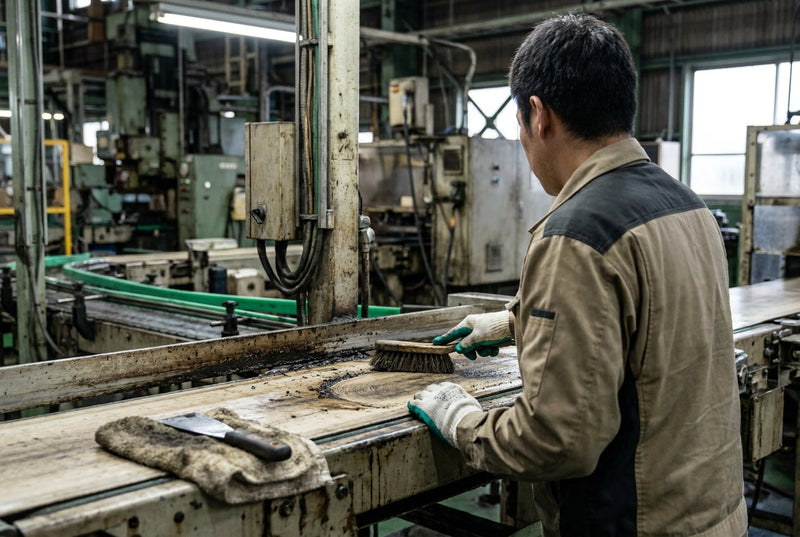
Zoos and aquariums are dynamic environments where biological waste, including excrement, uneaten food, and organic matter, accumulates at a much faster rate than in standard commercial facilities. This high biological load creates a constant challenge for maintenance teams tasked with maintaining a healthy and aesthetically pleasing environment for both animals and visitors. Protocols must be robust enough to handle this constant influx of organic material on a wide variety of enclosure surfaces, from natural rock and soil to specialized synthetic materials.
A central challenge is keeping cleaning routines from carrying problems within and between habitats. Cleaning procedures must remove organic waste thoroughly without introducing substances that are harsh or irritating to the animals. The constant presence of animals during cleaning activities adds another layer of complexity, requiring careful planning and execution to minimize stress. The goal is not just cleanliness but the preservation of a stable, enriching habitat that supports the physical and psychological well-being of its inhabitants.
Maintaining Water Quality in Aquatic Habitats
The health of an aquatic enclosure is directly tied to its water quality. Consistent and meticulous maintenance is essential to preserve the delicate chemical and biological balance. This begins with regular water quality testing to monitor key parameters and inform maintenance schedules. Rather than conducting disruptive full-system overhauls, the standard practice is to perform controlled, partial water changes. This approach helps dilute and remove accumulated waste products like nitrates while preserving the established nitrifying colonies that are crucial for breaking down waste.
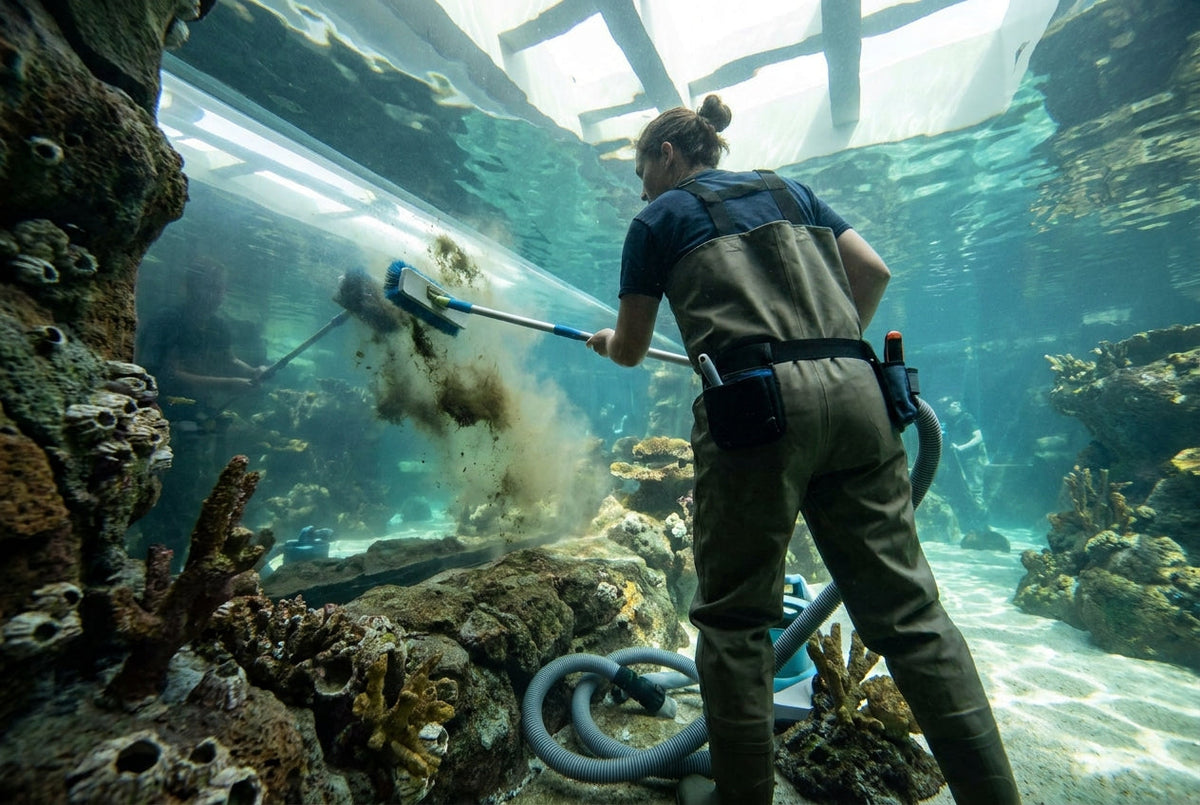
Routine tasks are vital for keeping aquatic habitats clean. This includes the physical removal of algae from viewing surfaces and habitat structures, regular cleaning of filtration systems to ensure they operate efficiently, and siphoning of the substrate to remove settled debris and waste. During any maintenance activity, it is critical to monitor parameters such as chlorine, pH, temperature, and salinity to prevent sudden changes that could shock or harm the aquatic life. For example, maintaining nitrate levels below 40 ppm is a common target in established systems to prevent stress on fish.
Sanitation Protocols for Terrestrial Enclosures
Terrestrial habitats in zoos present their own sanitation challenges, primarily centered around managing heavy organic waste, controlling persistent odors, and removing stubborn stains from varied surfaces. A successful sanitation program clearly distinguishes between daily spot cleaning, which addresses immediate waste removal, and periodic deep cleaning, which involves a more thorough sanitation of the entire enclosure.
Effective sanitation is a cornerstone of any veterinary response plan. When the veterinary team identifies a health concern in a habitat, established protocols for thorough cleaning are essential to keep it contained to that area. The choice of cleaning agents is critical. Solutions must be powerful enough to break down organic matter and stains but must also be compatible with the diverse materials used in modern habitat design, such as simulated rockwork, specialized flooring, and natural substrates. For tough organic buildup, a specialized degreaser, stain and odor remover like Surgical Strike can be used as part of the cleaning protocol to prepare surfaces.
Addressing Failure Modes and Operational Risks
While cleaning is essential, improper or overly aggressive methods can create significant problems. Intense cleaning activities can be a major source of stress for animals, potentially disrupting natural behaviors like foraging, social interaction, and territory marking through scent cues. This disruption can compromise animal welfare and the overall function of the habitat.
Operational oversights can also cause serious problems. Poorly designed drainage systems, improper wastewater control, and inefficient refuse handling can carry waste and runoff throughout a facility. In aquatic systems, accidentally wiping out the nitrifying colonies during cleaning can destabilize the entire ecosystem and trigger spikes in ammonia and nitrite. Above all, the use of cleaning agents not designed for animal environments poses a direct risk of poisoning or chemical burns to both animals and the staff who care for them.
Mechanisms for Effective Habitat Sanitation
Effective habitat sanitation relies on a combination of appropriate cleaning chemistry, controlled processes, and diligent monitoring. The chosen cleaning solutions must be capable of breaking down stubborn slime layers, algae, and organic stains without leaving behind harmful residues. The chemistry should be selected based on its efficacy and its suitability for sensitive environments.
Process controls are equally important, especially in aquatic habitats. The industry standard of performing partial water changes, typically replacing 10 to 25 percent of the water volume, is a key mechanism for maintaining stable water quality and minimizing waste accumulation without shocking the system. Furthermore, cleaning solutions must be chosen for their compatibility with enclosure materials to prevent corrosion, degradation, or leaching of harmful substances. This is all supported by regular monitoring of water parameters like ammonia, nitrite, nitrate, pH, temperature, and chlorine, which provides the data needed to ensure the habitat remains stable and healthy.
Regulatory and Accreditation Considerations
Zoos and aquariums operate under the stringent guidelines of accrediting bodies such as the Association of Zoos and Aquariums (AZA) and the European Association of Zoos and Aquaria (EAZA). Adherence to their standards for animal welfare, habitat maintenance, and water quality is not optional; it is a requirement for accreditation and a benchmark for professional excellence. These standards call for cleaning protocols built around appropriate, habitat-suitable cleaning agents and responsible wastewater management to protect both the animals and the surrounding environment.
Beyond routine cleaning, facilities must have documented response plans for health events. These protocols are designed for rapid implementation under veterinary direction to contain a problem quickly. Staff protection is also a major operational area. All cleaning operations must include protocols for the use of personal protective equipment (PPE) and ensure adequate ventilation, especially when working in enclosed spaces, to protect team members from exposure to cleaning solutions and airborne dust and particles.
Selecting Cleaning Solutions for Animal Habitats
Choosing the right cleaning solutions is a critical decision for any zoo or aquarium. The foremost priority must be selecting products that are formulated for use in sensitive animal environments. The well-being of the animal residents depends on avoiding harsh chemicals that can cause respiratory distress, skin irritation, or internal harm.
Beyond suitability, effectiveness is key. Look for agents that remove heavy biological waste, algae, slime layers, and persistent stains without leaving behind harmful residues. Material compatibility is another crucial factor; the chosen solutions must clean effectively without damaging or degrading the diverse surfaces found in modern enclosures, from acrylic and glass to concrete and specialized composites. Finally, consider products that also assist with odor control, contributing to a clean and welcoming habitat for both animals and visitors. A bundled approach, such as a Power Pack containing different formulas for different soils, can provide the flexibility needed to address various cleaning challenges across a facility. Always follow label directions and handling precautions when using any cleaning product.
Sources
- https://www.eaza.net/uploads/2024_04_WAM_Standards_Approved_06a0df2fe8.pdf
- https://www.rspca.org.uk/adviceandwelfare/pets/fish/environment
- https://www.aza.org/standards-guidelines
- https://www.oase.com/en-US/aquarium/how-to-guides/how-to-keep-your-aquarium-clean-a-complete-guide
- https://www.aqueon.com/articles/diagnosing-and-fixing-aquarium-water-issues
- https://www.bioone.org/journals/journal-of-zoo-and-wildlife-medicine/volume-55/issue-1

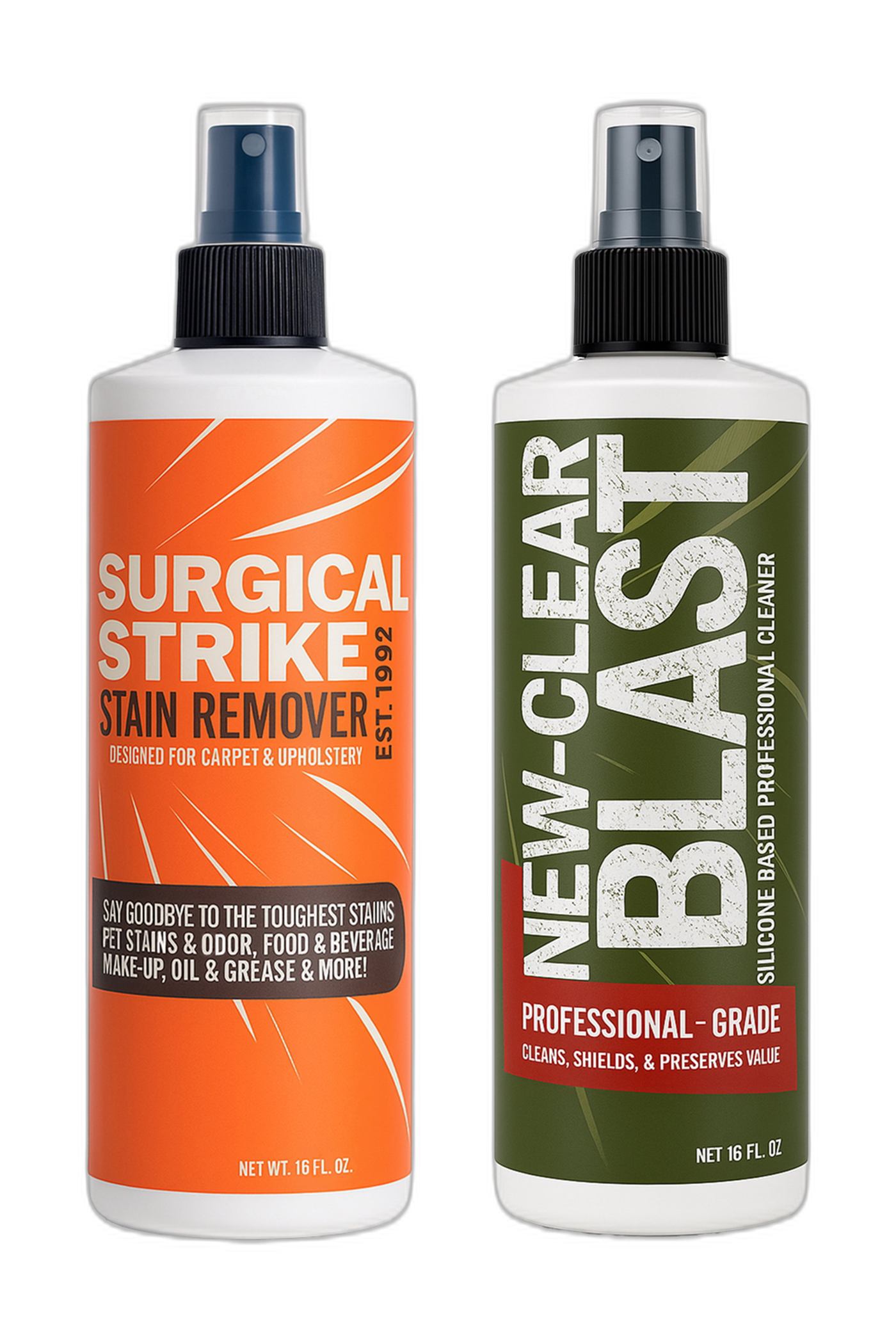
Two formulas. Serious range.
Use Surgical Strike for stains and odor, then New-Clear Blast to clean, shield and preserve hard surfaces.