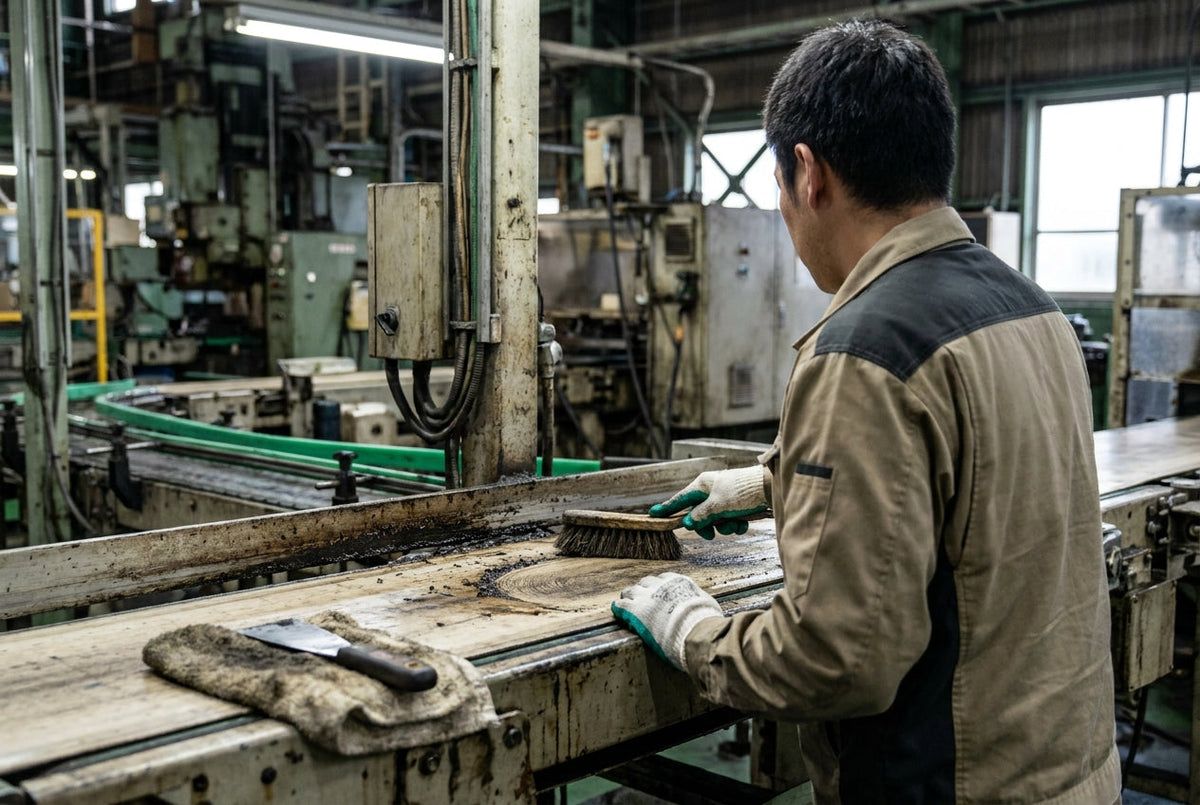
Manufacturing conveyor systems are the arteries of production, essential for moving materials and products efficiently. However, the continuous accumulation of dust, lubricants, and product residues can impair performance and lead to costly interruptions. This article details preventative cleaning protocols for dynamic material handling systems in Manufacturing, focusing on applications outside of automated warehousing or direct food-contact scenarios.
Effective cleaning is a critical component of preventive maintenance. It helps ensure operational continuity and reduces the likelihood of unplanned corrective interventions. By systematically addressing buildup on conveyor belts, rollers, and other components, facilities can avoid issues that impact throughput, worker protection, and equipment longevity.
Key Takeaways for Conveyor System Cleaning
A successful conveyor cleaning program is built on a foundation of lockout discipline, precision, and the right chemistry. Before any manual cleaning or debris removal, equipment must be stopped and its hazardous energy sources isolated through established lockout/tagout procedures. This non-negotiable step protects maintenance personnel from unexpected machine movement.
Cleaning efforts should be targeted at critical zones where residue is most likely to accumulate. These areas include transfer points, pulleys, idlers, and belt scrapers. Material carryback and spillage are common in these zones and can quickly lead to operational problems if not managed.
A comprehensive cleaning protocol often involves a two-stage process. First, loose solids and dust are removed using dry methods. Second, a compatible cleaning chemistry is applied to address adhered lubricants and residues. The selection of these chemical solutions must prioritize material compatibility to prevent damage to belts, seals, and sensitive electrical components.
Operational Risks: The Impact of Buildup on Material Handling Systems
Buildup on material handling systems is more than a housekeeping issue; it poses direct risks to operational efficiency and equipment health. One of the most common problems is carryback, which occurs when material adheres to the belt past the discharge point and falls onto return rollers, idlers, and floors. This creates significant cleanup tasks and potential slip, trip, and fall hazards.
Residue buildup on pulleys and rollers is particularly disruptive. It can interfere with proper belt tracking, causing misalignment that causes premature wear and potential damage to the belt edges or the conveyor structure itself. Furthermore, as residues adhere to moving parts, friction can increase. This added resistance contributes to accelerated wear of belts and drive components, which raises energy consumption and leads to more frequent parts replacement.
Ultimately, unmanaged buildup is a primary contributor to jams, component seizure, and unplanned downtime. These interruptions directly impact manufacturing productivity and drive up maintenance costs. A proactive approach to cleaning helps mitigate these risks, supporting consistent production flow and protecting valuable equipment assets.
Lockout and Procedural Requirements for Conveyor Maintenance
Lockout and guarding procedures come first during any conveyor maintenance, including cleaning. According to OSHA standards, powered conveyors must be completely stopped and their power sources locked out and tagged out before any servicing begins. This applies to all activities, from simple debris removal to major repairs. Conveyor systems are also required to have accessible means for stopping the motor at the operator's station and must provide an audible warning before startup.
Maintenance hazards are often concentrated around pinch points and moving components, such as take-up, tail, and head pulleys. The convergence of the belt and pulleys in these areas creates significant risk, making strict adherence to lockout and guarding protocols essential.
The primary method for hazard reduction should always be engineering controls, such as fixed guards and secured access points. Warning systems and clear procedures provide additional layers of protection. While personal protective equipment (PPE) is important, it should be considered the last line of defense after all other hazard control measures have been implemented.
Targeted Cleaning: Addressing Buildup at Critical Conveyor Zones
An effective cleaning strategy focuses on prevention by targeting areas most prone to buildup. Key zones include transfer points between conveyors, pulleys, rollers, skirting systems, and belt scrapers. Material accumulation in these areas can impede the function of critical components and create dangerous pinch points, affecting both worker protection and operational reliability.
Regular cleaning ensures that belt scrapers and skirting can perform their intended functions of controlling material and minimizing dust. When these components are clean, they reduce spillage and contribute to better overall facility housekeeping.
The frequency of cleaning should not be based on a fixed calendar alone. Instead, it should be dynamically adjusted based on the residue load, specific production conditions, and findings from routine inspections. This data-driven approach ensures that resources are allocated efficiently and that cleaning is performed when and where it is needed most.
Developing an Effective Conveyor Cleaning Protocol
A systematic cleaning protocol provides consistency and ensures all critical areas are addressed. The process typically begins with the dry removal of loose dust and solids, using methods appropriate for the facility and materials being handled. This first step removes the bulk of the debris before any wet cleaning begins.
For stubborn oily films, greases, and lubricants, an industrial degreaser is necessary. Products like Surgical Strike, a degreaser, stain and odor remover, are formulated for these challenging industrial soils. The product should be applied according to label directions, allowed sufficient dwell time to break down the residue, and then removed.
For general grime and other residues on frames, guards, and non-belt surfaces, a multi-surface cleaner is often sufficient. A versatile solution like New-Clear Blast, a multi-surface cleaner, can be used as part of routine maintenance to maintain overall facility cleanliness. Combining these targeted approaches helps manage the full spectrum of soils found on material handling equipment.
Selecting Cleaning Solutions: A Compatibility and Performance Checklist
Choosing the right cleaning chemistry is essential for effective results without causing damage to the equipment. The primary consideration is material compatibility. The selected cleaner should be compatible with conveyor belt materials, seals, plastics, existing coatings, metals, and electrical components. A compatibility test on a small, inconspicuous area is always a prudent step.
Considerations for Chemical Selection
- Residue Type: Match the cleaner to the soil. Industrial degreasers are designed for petroleum-based oils and greases, while multi-surface cleaners address a broader range of general grime.
- Handling and Application: Evaluate the cleaning method and any requirements for ventilation or PPE. Always follow the directions on the product label and the SDS. Use with adequate ventilation and avoid contact with eyes and prolonged skin contact.
- Product Directions: Carefully review and follow all label directions for proper application, dwell time, and any rinsing requirements. Understanding these instructions is key to performance.
- Disposal: Consider how wastewater or spent cleaning solutions will be handled, making sure handling follows local environmental regulations.
Keep all cleaning solutions out of reach of children and store them according to manufacturer recommendations.
Integrating Cleaning with Routine Inspections and Maintenance
Cleaning should not be a standalone task. Instead, it should be fully integrated into a comprehensive preventive maintenance program for all material handling equipment. Performing cleaning activities alongside routine inspections creates efficiency and provides a clearer picture of equipment health.
While cleaning, maintenance personnel are in an ideal position to inspect key components. This includes checking for belt condition, tracking accuracy, proper roller rotation, pulley buildup, and the performance of scrapers and skirting. Technicians can also check lubrication status and identify areas that require attention.
Pairing these tasks also allows for concurrent checks for abnormal noise, elevated temperatures, or excessive vibration, which can be early indicators of mechanical issues. The functionality of emergency stop systems should also be verified regularly. By combining these efforts, teams can identify and address small problems before they escalate into major failures.
Enhancing Operational Continuity Through Documented Cleaning Programs
A documented cleaning program transforms routine tasks into a valuable data source. By keeping records of cleaning activities, maintenance teams can connect buildup findings to corrective actions, identify recurring failure modes, and track chemical usage. This documentation provides a clear history of equipment condition and maintenance interventions.
Consistent and well-documented cleaning programs help maintenance planners identify trends. For example, if a specific transfer point consistently requires more frequent cleaning, it may indicate an underlying issue with chute design or material flow that needs to be addressed. This data supports a proactive, rather than reactive, approach to maintenance.
Ultimately, regular cleaning helps maintain component integrity and reduces the conditions that contribute to unplanned maintenance and operational interruptions. Investing in a structured cleaning program for your manufacturing conveyor systems is a practical step toward supporting asset upkeep and ensuring a reliable, continuous production flow.
Sources
- https://oxmaint.com/industries/manufacturing-plant/manufacturing-plant-conveyor-system-maintenance-troubleshooting
- https://www.osha.gov/laws-regs/regulations/standardnumber/1918/1918.64
- https://www.epa.gov/sites/default/files/2018-02/documents/c_r307-335_1-1-13.pdf
- https://www.machinedesign.com/mechanical-motion-systems/article/21164599/designing-safety-into-conveyors
- https://www.osha.gov/laws-regs/regulations/standardnumber/1926/1926.555
- https://aeasseincludes.assp.org/professionalsafety/pastissues/049/08/020804as.pdf
- https://www.popprobe.com/checklist-library/equipment-maintenance/preventive-maintenance/b27-equ-conveyor-preventive-maint-checklist
- https://www.osha.gov/etools/battery-manufacturing/maintenance/checklist

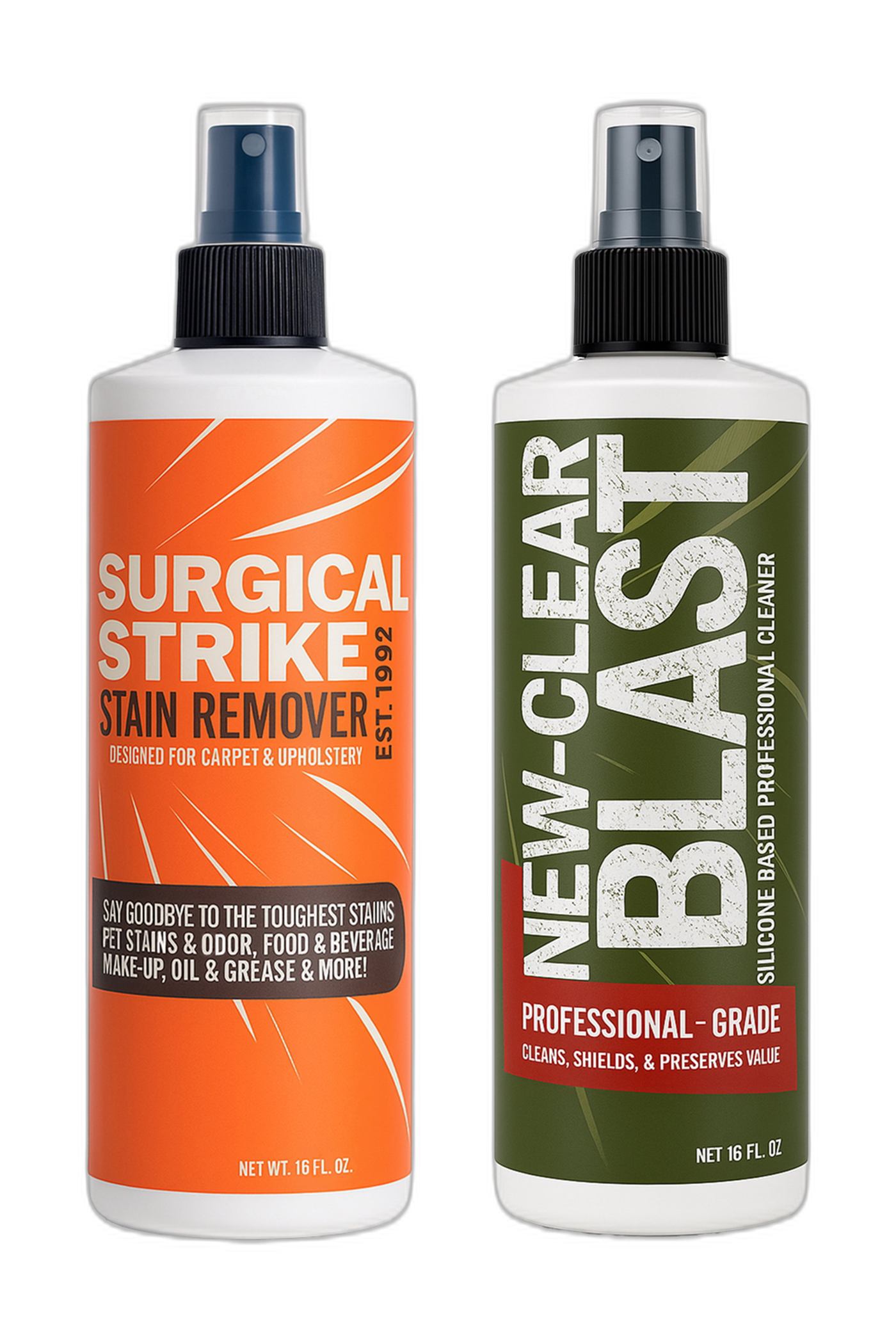
Two formulas. Serious range.
Use Surgical Strike for stains and odor, then New-Clear Blast to clean, shield and preserve hard surfaces.