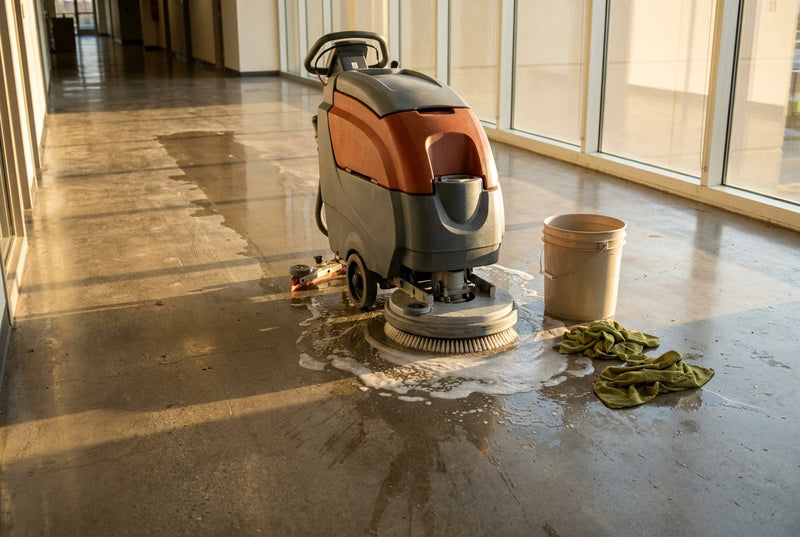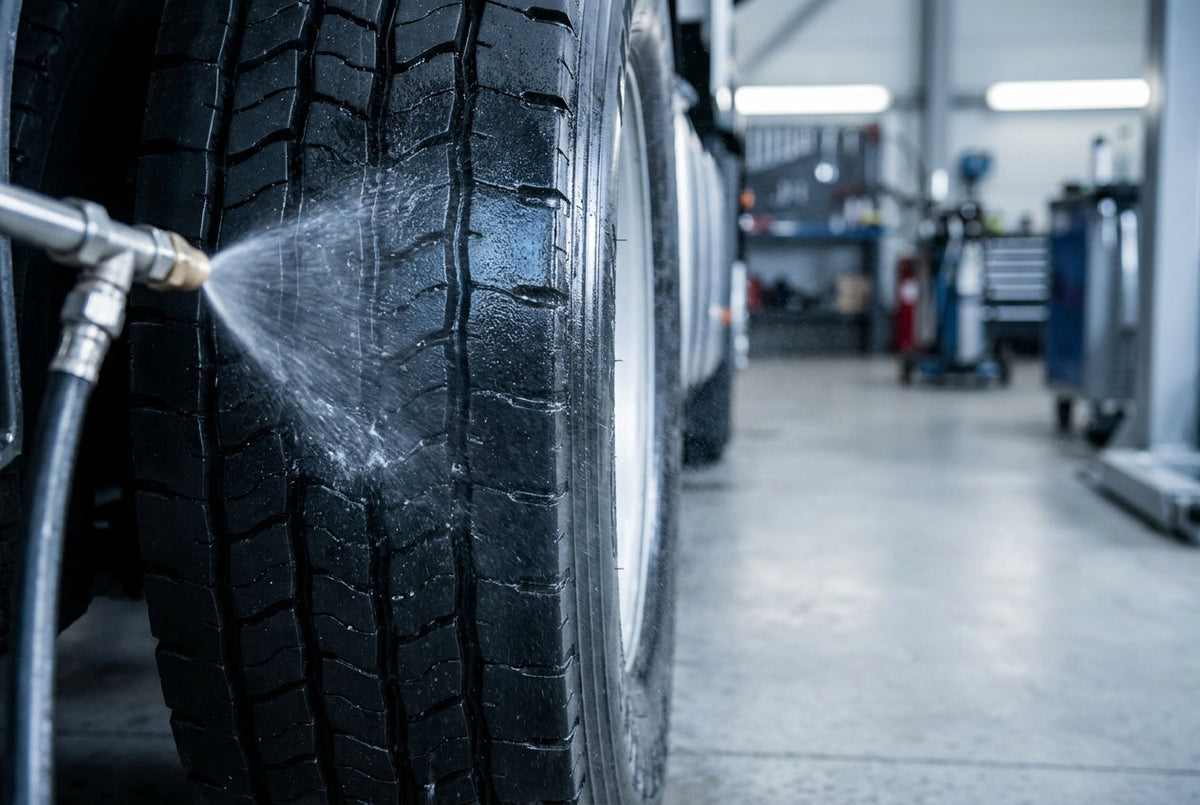
For fleet managers, balancing operational efficiency with fiscal responsibility is a constant challenge. Vehicle cleaning is a critical but often overlooked area where significant savings and environmental benefits can be realized. By adopting water-wise cleaning methods and selecting appropriate product formulations, businesses can reduce utility costs, support asset longevity, and strengthen their commitment to sustainable practices. This article provides a practical guide to implementing smart fleet cleaning strategies.
Key Takeaways
- Implementing water-efficient cleaning practices in fleet maintenance can significantly lower operational costs associated with water and wastewater treatment.
- Choosing appropriate cleaning solutions supports vehicle longevity by effectively removing corrosive contaminants without damaging surfaces.
- Strategic product selection contributes to resource conservation and assists with efforts to meet environmental standards.
- A focus on surface preparation and ongoing maintenance helps protect valuable fleet assets from premature wear and degradation.
The Business Case for Sustainable Fleet Cleaning
The financial argument for sustainable fleet cleaning is compelling. A primary benefit is the direct reduction in water consumption, which lowers utility bills and decreases the load on wastewater treatment systems. For large-scale operations, these savings can accumulate quickly, turning a routine cost center into an opportunity for efficiency.
Beyond immediate utility savings, efficient cleaning methods are a core part of preventative maintenance. The regular removal of road salt, grime, oil, and industrial pollutants helps prevent corrosive buildup that can degrade vehicle finishes, undercarriages, and critical components. This consistent care assists with extending the operational lifespan of each vehicle, maximizing return on investment. Research highlights that proper cleaning is integral to maintaining the material integrity of automotive components.
Adopting sustainable practices also enhances a company's public image and demonstrates a tangible commitment to responsible operations. Investing in effective cleaning solutions designed for professional use, such as New-Clear Blast, can streamline fleet maintenance processes. The right product helps technicians work more efficiently, which can translate to reduced labor hours and faster vehicle turnaround.
Water Conservation Strategies in Fleet Maintenance
Significant reductions in water usage are achievable through a combination of modern equipment and strategic practices. Adopting high-pressure, low-volume washing systems is one of the most effective ways to cut water consumption compared to traditional hose-and-bucket methods. These systems use pressure to dislodge dirt effectively while minimizing the amount of water needed for rinsing.
For facilities with dedicated wash bays, implementing closed-loop water recycling systems offers another level of conservation. These systems capture, filter, and treat wash water, allowing it to be reused for subsequent cleaning cycles. This not only conserves large volumes of water but also reduces the amount of wastewater discharged into municipal systems. Proper management of water quality within these systems is essential to ensure compliance and effectiveness.
Technology alone is not a complete solution. Training personnel on water-wise washing techniques is crucial for minimizing waste. This includes protocols for applying cleaning agents correctly to maximize their effect, reducing the need for excessive rinsing. Pairing water-efficient equipment with powerful, well-formulated cleaning agents ensures that vehicles are cleaned thoroughly while adhering to conservation goals.
Selecting Effective Cleaning Formulations for Fleets
Commercial fleets are exposed to a wide array of contaminants, from standard road grime and brake dust to heavy oils, grease, and industrial residues. Standard consumer-grade cleaners often lack the strength to tackle these challenges efficiently, leading to more water usage, increased labor, and suboptimal results. Specialized formulations are designed to break down these specific soils effectively.
Choosing multi-functional products can also streamline the cleaning process. Solutions that support both cleaning and surface preparation, such as New-Clear Blast, can prepare a vehicle for inspection or minor touch-ups in a single step. For more challenging jobs involving heavy grease or stubborn stains, a powerful degreaser like Surgical Strike helps reduce the need for aggressive scrubbing that can damage surfaces and require extensive rinsing.
A diverse fleet often includes various materials, including painted steel, aluminum, chrome, plastics, and composites. It is important to select cleaning solutions that are effective on these different substrates without causing damage. The right chemistry works on a wide range of vehicle surfaces, providing a consistent and reliable outcome across the entire fleet.
Mechanism-to-Outcome Map: How Cleaning Chemistry Impacts Fleet Assets
The effectiveness of a cleaning solution is determined by its chemical composition and its ability to interact with contaminants at a molecular level. High-quality cleaners contain surfactants that reduce the surface tension of water, allowing it to penetrate and lift soils. They also work to emulsify oils and grease, breaking them down into smaller particles that can be easily washed away.
This chemical action has a direct impact on operational outcomes. By efficiently breaking the bond between contaminants and the vehicle surface, a well-formulated cleaner allows for faster and more thorough removal. This not only saves time and labor but also helps protect the underlying finish from the abrasive effects of excessive scrubbing. A cleaner surface is also a key factor in managing the quality of runoff water.
Furthermore, cleaning is a critical first step in any inspection or maintenance routine. A thoroughly cleaned vehicle allows technicians to spot potential issues like fluid leaks, cracks, or corrosion early. Proper surface preparation with solutions like New-Clear Blast is an important part of the maintenance process that supports the longevity of vehicle finishes and components.
Failure Modes and Operational Risks from Inefficient Cleaning
Neglecting proper cleaning protocols or using ineffective products introduces significant operational risks. When dirt, salt, and chemical residues are not completely removed, they can trap moisture against vehicle surfaces, accelerating corrosion and degrading components over time. This can lead to costly bodywork, premature parts failure, and diminished asset value.
Persistent layers of grime can also obscure critical inspection points on the chassis, brakes, and engine components. This increases the likelihood that technicians may miss early warning signs of mechanical issues, potentially leading to unexpected breakdowns and vehicle downtime. Effective cleaning is a foundational aspect of a reliable preventative maintenance program.
From a compliance standpoint, improper cleaning practices can pose environmental risks. Uncontrolled runoff containing harsh chemicals or contaminants can pollute local waterways, leading to potential fines and regulatory action. Additionally, using overly aggressive or incompatible cleaners can damage paint, decals, and sensitive materials, resulting in expensive repairs and a negative impact on the fleet's professional appearance.
Regulatory, Safety, or Compliance Considerations for Fleet Washing
Fleet washing operations are subject to environmental regulations, particularly concerning water discharge. Local, state, and federal rules, such as those related to the Clean Water Act, govern what can be released into storm drains and sewer systems. It is crucial for fleet managers to understand and adhere to these regulations to avoid significant penalties and prevent environmental harm.
Proper management of wastewater is a key pillar of a sustainable and compliant operation. This includes the responsible collection and disposal of spent cleaning solutions and contaminated rinse water. Implementing best management practices (BMPs), such as using designated wash areas with proper drainage and filtration, is essential for protecting local water quality.
Choosing cleaning solutions that align with environmental standards can support a company's overall compliance strategy. While product choice is just one part of the equation, using formulations designed for professional applications helps ensure that cleaning is performed effectively, potentially reducing the overall chemical load in wastewater. This proactive approach to compliance protects the environment and reinforces a company's reputation as a responsible operator.
Selection Checklist for Sustainable Fleet Cleaning Solutions
When evaluating cleaning products for your fleet, consider the following criteria to ensure you are making an effective, efficient, and responsible choice:
- Compatibility: Is the solution formulated to be used on the various materials across your fleet, including paint, metal, plastic, and glass, without causing damage? The chemical's interaction with different substrates is a key factor in its suitability.
- Efficacy: Does the product efficiently remove the specific types of contaminants your fleet encounters, such as road film, grease, oil, and industrial soils?
- Water Efficiency: Does the solution perform well in high-efficiency, low-volume washing systems? High-performance concentrates can reduce the amount of product and water needed per wash.
- Environmental Profile: Does the solution's profile align with your company’s sustainability goals and support responsible wastewater management and discharge practices?
- Application Method: Is the product easy to integrate into your existing cleaning processes and equipment, whether that involves pressure washers, automated systems, or manual application?
Clean and prep surfaces with CG Chemicals
If you are dealing with buildup, residues, or tough soil before maintenance or finishing work, CG Chemicals offers practical cleaning solutions for high-use environments. Explore New-Clear Blast and Surgical Strike based on your surface and soil type.
Use with adequate ventilation. Avoid contact with eyes and prolonged skin contact. Keep out of reach of children. Follow label directions.
Sources
- https://www.epa.gov/watersense
- https://www.sciencedirect.com/journal/journal-of-cleaner-production
- https://www.waterquality.gov/
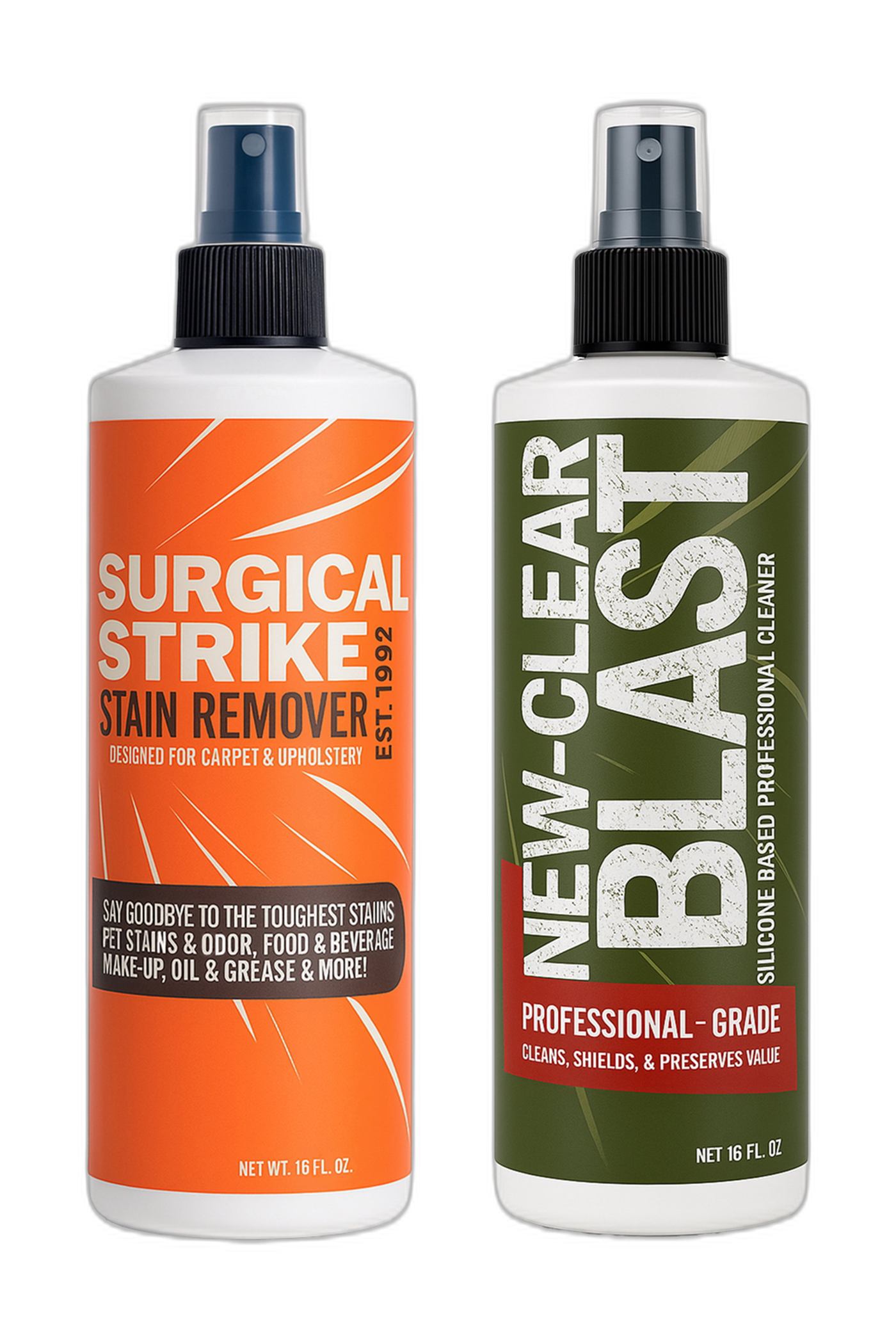
Two formulas. Serious range.
Use Surgical Strike for stains and odor, then New-Clear Blast to clean, shield and preserve hard surfaces.