Public parks and playgrounds are cornerstones of community life, offering essential spaces for recreation and social interaction. Maintaining these areas requires a dedicated approach to cleaning that addresses constant exposure to environmental and human-generated contaminants. Effective public playground equipment cleaning protocols are not just about appearance; they are a fundamental part of a comprehensive maintenance strategy that helps prepare surfaces and contributes to a positive visitor experience. This guide provides practical steps for park and recreation managers to develop and implement cleaning programs for playground structures, benches, picnic tables, and other common areas.
Key Takeaways
A structured approach to cleaning public recreational areas ensures that maintenance efforts are consistent, effective, and documented. For facility managers overseeing public spaces in outdoor environments, integrating cleaning into a broader maintenance plan is essential for operational efficiency and compliance.
- Integrated Maintenance Program: Public playground cleaning should be part of a documented maintenance program that aligns with manufacturer instructions and regular inspection schedules.
- Prioritization of High-Use Zones: Focus cleaning efforts on frequently used playgrounds and high-traffic zones. This includes swings, slide exits, benches, and picnic tables, which accumulate more soil and grime.
- Diverse Contaminant Management: Cleaning protocols must be versatile enough to handle a wide range of contaminants, including litter, broken glass, food residue, mud, bird droppings, grease, and general environmental buildup.
- Sustainability in Practice: Addressing sustainability involves more than product choice. It extends to controlled application methods, proper waste handling, and comprehensive maintenance planning to minimize environmental impact.
- Record-Keeping: Maintaining detailed records of inspections, cleaning activities, and repairs is critical for operational oversight, tracking trends, and demonstrating compliance with established procedures.
Establishing a Comprehensive Playground Cleaning Program
A systematic cleaning program is the foundation of effective park maintenance. The Consumer Product Safety Commission (CPSC) recommends that every playground owner or operator develop a comprehensive maintenance program that incorporates the specific instructions provided by the equipment manufacturer. This plan acts as a roadmap for all maintenance activities, including routine cleaning.
Operational plans should feature regular inspection and cleaning schedules tailored to the usage frequency of each site. A playground in a busy urban park will likely require more frequent attention than one in a quieter suburban area. The schedule should be proactive, not reactive, designed to manage soil and debris before they become significant issues. An effective program prioritizes the routine removal of debris and a clear strategy for addressing different soil types on various surfaces, which helps maintain both the functionality and appearance of the equipment.
Prioritizing High-Traffic Areas and Common Contaminants
Not all areas of a park or playground require the same level of attention. To optimize resources, maintenance teams should prioritize high-traffic zones. Playgrounds that see frequent use demand more consistent inspection and cleaning due to greater exposure to grime, wear, and tear. Specific spots, such as the areas beneath swings and at slide exits, are particularly prone to surfacing displacement and compaction, which can trap dirt and debris.
A well-defined cleaning plan for public spaces and related facilities should anticipate recurring issues. Common contaminants in parks include food spills on picnic tables, mud tracked onto play structures, bird droppings on benches, and a general layer of environmental grime on all exposed surfaces. By identifying and focusing on these predictable cleaning challenges, maintenance crews can work more efficiently and keep public amenities in a welcoming state for visitors.
Addressing Failure Modes and Operational Risks in Park Maintenance
Effective cleaning protocols are integral to mitigating operational risks and addressing potential equipment failure modes. The CPSC's Public Playground Safety Handbook outlines several maintenance hazards that routine cleaning can help manage, including the accumulation of litter, broken glass, food residue, and environmental grime. Promptly removing these items helps maintain a functional environment and reduces the risk of further damage or deterioration.
Regular checks should also look for early indicators of corrosion on metal components and deterioration on plastic or wooden surfaces. Cleaning provides an opportunity to inspect surfaces up close. Loose-fill surfacing materials, such as wood chips or sand, demand specific attention. Maintenance plans must include procedures for checking this surfacing for foreign objects, compaction, displacement, and material degradation, as these conditions can impact the functional qualities of the playground.
Mechanism-to-Outcome Map: Practical Cleaning Steps for Diverse Surfaces
A practical park cleaning program can be broken down into a sequence of steps that ensures thoroughness and efficiency. This process applies to the full Applications list of park assets, from play structures to benches and waste receptacles.
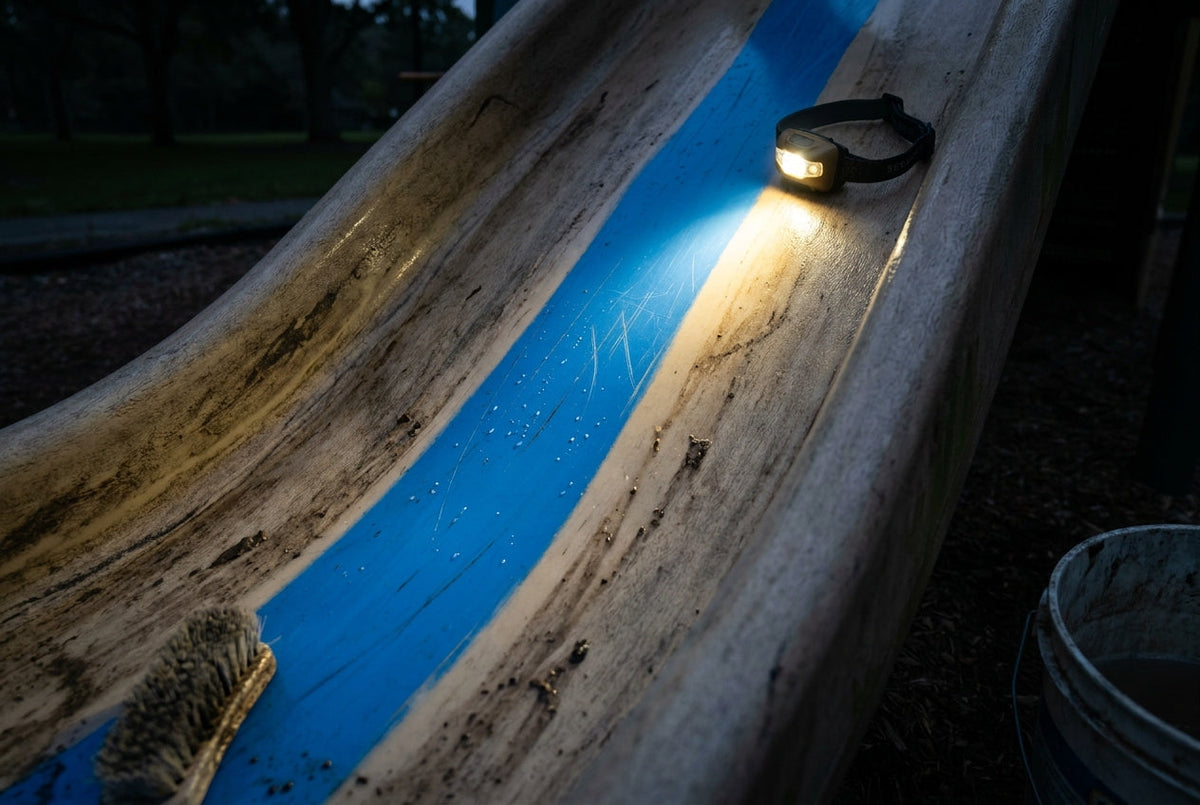
First, begin with the dry removal of litter, leaves, and other loose debris. This step prevents the spreading of contaminants during wet cleaning and allows for a clearer assessment of the surfaces that need attention. Next, apply appropriate cleaning solutions using controlled methods like spray bottles or brushes to manage product usage and target soiled areas. It is important to consider material compatibility for surfaces such as painted metals, plastics, and wood composites.
For specific issues, targeted treatments are necessary. Greasy buildup on high-touch components may require a dedicated degreaser, while pervasive odors around waste areas or pet zones need a separate odor removal process. For these jobs, a product like Surgical Strike, a degreaser, stain and odor remover, can be used. For general cleaning of multiple surfaces, a solution like New-Clear Blast, a multi-surface cleaner and protector, helps remove common grime. After cleaning, a thorough rinse may be needed, followed by a post-cleaning verification to ensure the area is ready for public use.
Selection Checklist for Park and Playground Cleaning Solutions
Choosing the right cleaning products is a critical decision for park maintenance managers. The ideal solutions should be effective, versatile, and aligned with operational goals. When evaluating cleaners for parks and playgrounds, consider the following criteria:
- Multi-Surface Compatibility: Select cleaners that can be used on a variety of materials found in parks, including plastic, metal, and sealed wood. This simplifies inventory and training for maintenance crews.
- Effectiveness on Outdoor Contaminants: The product must be formulated to handle common outdoor soils like mud, bird droppings, food residues, and environmental grime.
- Formulation: Prioritize solutions that support surface preparation and routine maintenance without containing harsh ingredients like bleach or ammonia. This is especially relevant when cleaning surfaces that may be recoated or resealed as part of long-term maintenance.
- Designed for High-Use Environments: Look for products designed for commercial or industrial use. These cleaners are often formulated for practical cleaning and efficient residue removal in demanding environments.
Integrating Sustainability into Park Grounds Management
Sustainable grounds management should be a core component of any modern park and recreation maintenance plan. This principle extends to cleaning protocols and product selection. It involves a holistic view of the environmental impact of maintenance operations, from resource consumption to waste disposal.
One key practice is implementing controlled application techniques. Using sprayers, cloths, or brushes to apply cleaning solutions directly to soiled areas minimizes product waste and prevents unnecessary runoff into surrounding landscapes. This targeted approach is both economical and helps minimize waste. Furthermore, sustainability requires ensuring that proper waste handling and disposal protocols are in place for all cleaning-related materials, from empty containers to soiled rags. This comprehensive approach helps park agencies operate as responsible stewards of public lands.
Regulatory, Safety, and Compliance Considerations for Playgrounds
Adherence to established safety guidelines is non-negotiable in playground maintenance. The Public Playground Safety Handbook from the CPSC serves as foundational guidance for the inspection, maintenance, and upkeep of public play areas. A key compliance requirement outlined in the handbook is the strict adherence to the equipment manufacturer's maintenance instructions and recommended inspection schedules.
Routine cleaning is part of this compliance framework. Playground areas must be kept clear of debris such as branches, cans, bottles, and glass to maintain a functional environment. When performing cleaning tasks, it is essential that all maintenance personnel follow standard safety protocols. Use with adequate ventilation. Avoid contact with eyes and prolonged skin contact. Keep out of reach of children. Always follow label directions for any cleaning product being used.
Maintaining Maintenance Records and Verification
Thorough documentation is a critical, though often overlooked, aspect of a comprehensive maintenance program. The CPSC handbook recommends retaining detailed records of all maintenance inspections and repairs, which should include manufacturer instructions and any checklists used during the process. This practice creates a historical log that can be invaluable for identifying recurring issues, planning future maintenance, and demonstrating a consistent standard of care.
For cleaning activities, documentation should note the date, the specific area cleaned, the types of contaminants observed, the products used, and any corrective actions taken. Following any wet cleaning process, a post-cleaning verification is necessary. This final check ensures the complete removal of cleaning residues, odors, and any slippery deposits that could pose a risk. It also confirms that drainage systems are not blocked and that no visible contamination remains on the equipment or surrounding surfaces.
Sources
- Public Playground Safety Handbook
- Keeping Your City’s Parks Clean This Summer
- Maintaining Sustainable Grounds in Park and Recreation Agencies

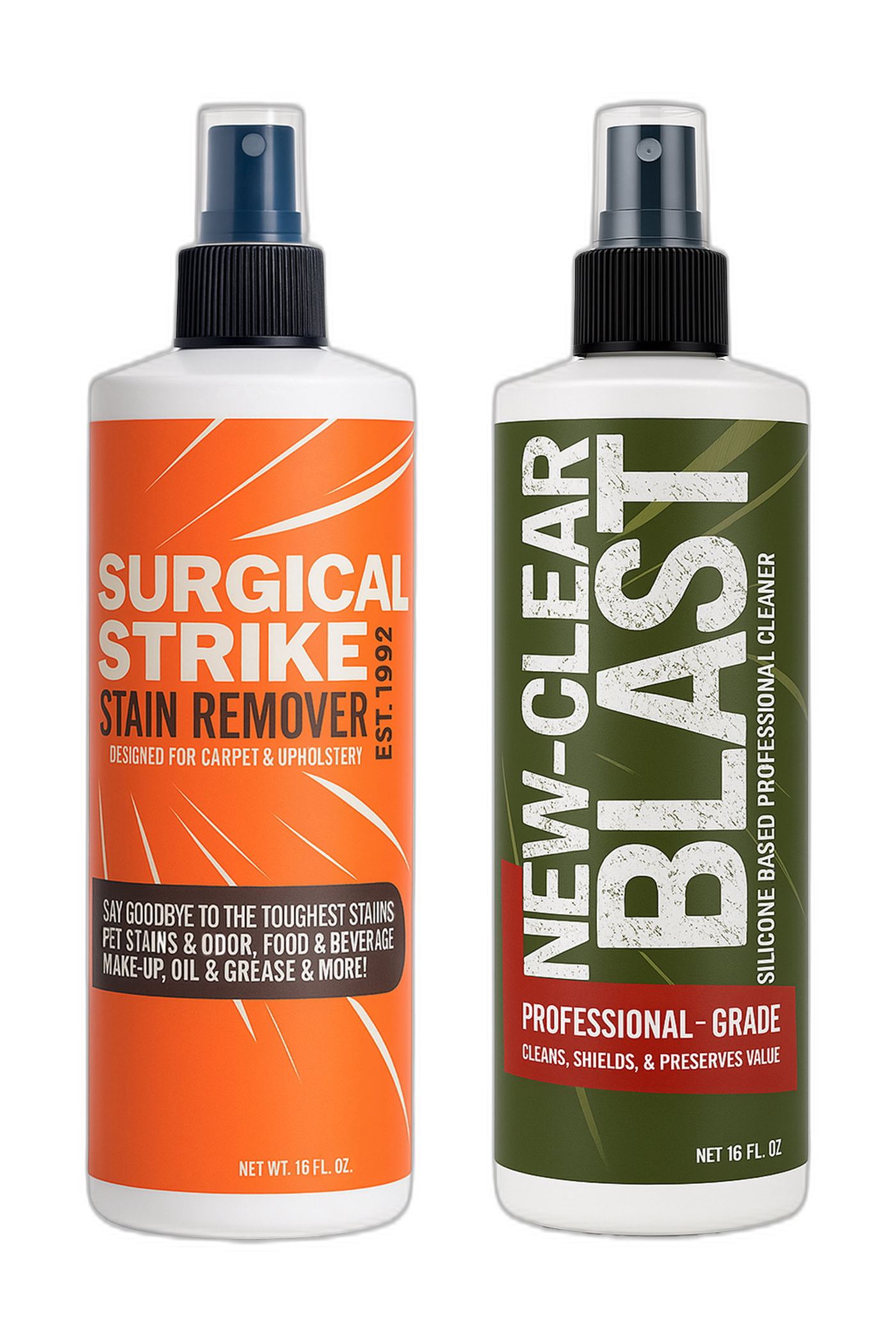
Two formulas. Serious range.
Use Surgical Strike for stains and odor, then New-Clear Blast to clean, shield and preserve hard surfaces.