Key Takeaways
- Automated Warehouse Cleaning: A critical reliability practice, distinct from general janitorial work, that directly protects the operational integrity of mechanical systems.
- Proactive Contamination Control: Scheduled cleaning prevents dust, packaging debris, and residues from interfering with the precise movements of conveyors, sorters, and Automated Storage and Retrieval Systems (AS/RS).
- Regulatory and Safety Compliance: Maintaining clear, unobstructed pathways for material handling equipment is a foundational regulatory expectation for workplace safety and operational flow.
- Support for Modern Maintenance: Proper cleaning protocols protect the integrity of sensors and moving interfaces, providing the reliable data needed for modern predictive maintenance strategies.
The Critical Role of Precision Cleaning in Automated Systems
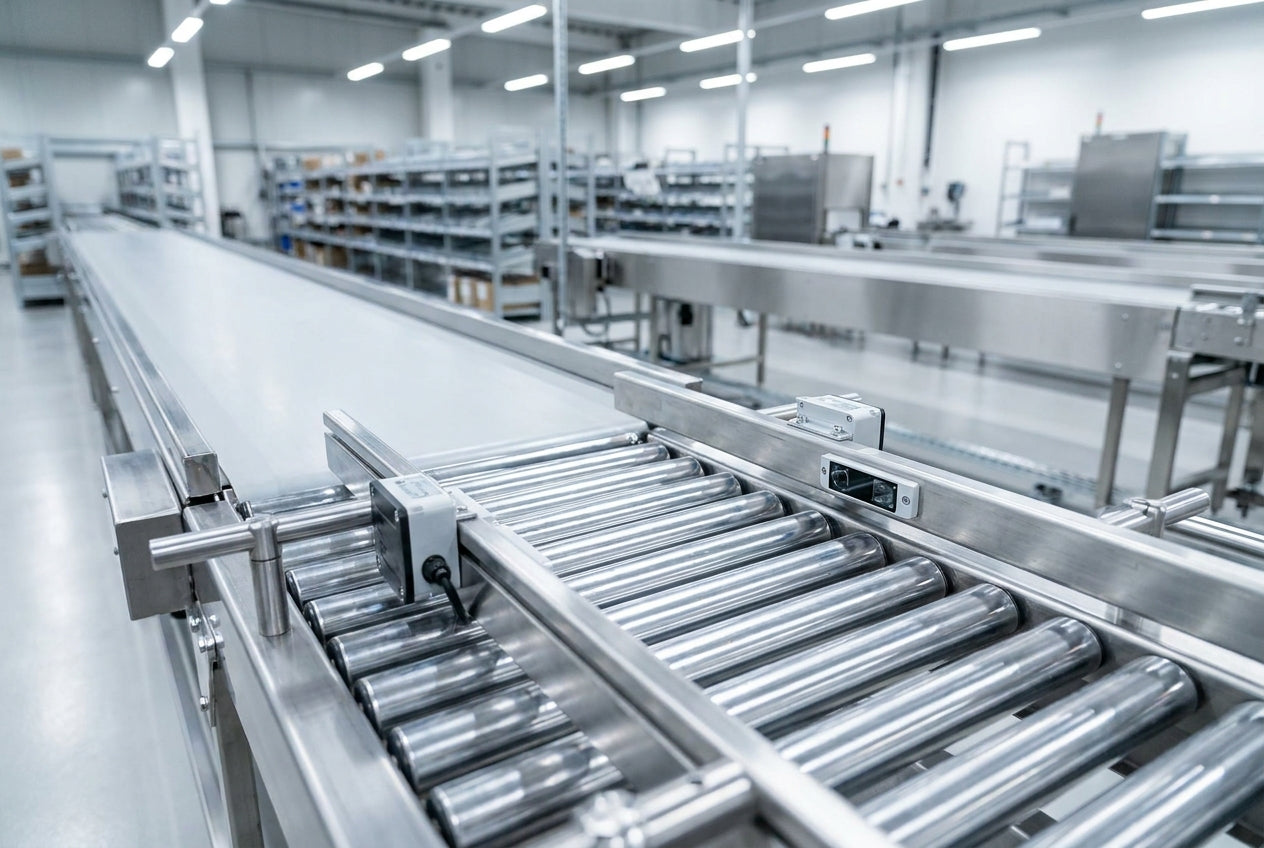
Automated warehouses and logistics centers depend on the flawless, continuous operation of complex mechanical systems. Equipment such as conveyors, high-speed sorters, and Automated Storage and Retrieval Systems (AS/RS) are engineered for precision, running at high speeds for extended periods. Their performance is directly tied to their physical condition. Unlike general office or floor cleaning, precision cleaning in these environments targets the equipment itself, focusing on the components that enable automation and ensure consistent material flow.
Over time, the accumulation of dust, cardboard fibers, lubricant residue, and other debris can significantly disrupt equipment functionality. These contaminants can cause jams in conveyor systems, block sorter diverters, and interfere with the sensitive mechanics of an AS/RS, leading to unplanned downtime and reduced throughput. Even a small obstruction can halt a line, creating bottlenecks that ripple through the entire fulfillment process. A proactive approach to cleaning these components is not merely about appearance; it is a direct contributor to operational uptime and system reliability.
This focus on mechanical system hygiene is distinct from maintenance performed on IT infrastructure or in data centers. While those areas require stringent contamination control for electronic components, the challenge in automated logistics is managing the physical byproducts of material movement. Effective cleaning schedules, integrated with maintenance, help ensure that automation assets perform as intended, supporting the transition from reactive fixes to predictive maintenance and helping facilities meet demanding throughput targets.
Regulatory, Safety, and Compliance Considerations
Maintaining a clean and orderly automated facility is not just an operational goal, it is also a key aspect of regulatory compliance and workplace safety. The Occupational Safety and Health Administration (OSHA) outlines specific requirements for material handling and storage environments in standard 29 CFR 1910.176. This standard emphasizes the importance of keeping storage areas free from hazards and ensuring materials are handled safely.
A central tenet of this regulation is the mandate for clear aisles and passageways. It states that "Permanent aisles and passageways shall be appropriately marked," and that "aisles and passageways shall be kept clear and in good repairs, with no obstruction across or in aisles that could create a hazard." Regular cleaning is fundamental to meeting this requirement, as it removes debris and stray materials that could obstruct the safe movement of both personnel and mechanical handling equipment.
Adherence to these standards is crucial for preventing accidents and ensuring uninterrupted operational flow. Good housekeeping practices, supported by consistent cleaning protocols, directly contribute to a safer workplace and help facilities avoid potential citations and penalties. Ultimately, compliance is interwoven with efficiency, as a safe and orderly environment is one where automated systems can operate without impediment.
Failure Modes and Operational Risks from Contamination
In a highly automated environment, even minor contamination can trigger significant operational disruptions with cascading effects. Debris such as loose shrink wrap, wood chips from pallets, or product spillage can become lodged in conveyor belts or tracks, causing mechanical blockages that halt the entire line. These jams require manual intervention, leading to costly downtime and lost productivity that affects downstream processes and order fulfillment schedules.
Another critical failure point is the network of sensors and photoeyes that guide the automated processes. A fine layer of dust or an oily film on a sensor lens can refract or block light, leading to false readings or a complete failure to detect products. This can cause mis-sorts, collisions, or system shutdowns that require a full system reset. For any Manufacturing or logistics operation, maintaining sensor integrity is non-negotiable for reliable automation and accurate inventory tracking.
Beyond immediate stoppages, contamination contributes to long-term wear and tear. Abrasive dust and grit can work their way into mechanical assemblies, accelerating the degradation of moving parts like bearings, chains, and rollers. This "invisible" damage shortens the equipment's lifespan and increases the frequency of parts replacement. Similarly, the smooth operation of AS/RS components, including shuttle systems and robotic arms, can be compromised by buildup on guide rails and contact surfaces, affecting both speed and accuracy over time.
Mechanism-to-Outcome Map: Cleaning for System Reliability
A systematic cleaning program directly addresses the physical mechanisms of failure in automated systems, leading to more reliable operational outcomes. By understanding the link between specific cleaning actions and their results, facilities can develop more effective maintenance strategies.
- Mechanism: Contaminant Removal → Outcome: Supports Blockage & Wear Prevention. Actively removing dust, grease, and physical debris from tracks, rollers, and gears prevents obstructions that cause jams and reduces the abrasive action that leads to premature component wear.
- Mechanism: Clear Sensor Lenses → Outcome: Accurate Data & Functionality. Keeping sensors, scanners, and photoeyes free of film and particulate matter ensures they can collect and transmit accurate data, which is essential for reliable system commands and decision-making.
- Mechanism: Clean Contact Surfaces → Outcome: Smooth Material Flow. Ensuring that conveyor belts, diverters, and guide rails are clean minimizes friction and helps prevent product snagging, damage, or conveyance errors that disrupt flow.
- Mechanism: Residue-Free Environment → Outcome: Assists with Lubrication Integrity. A clean environment around mechanical components helps maintain the effectiveness of applied lubricants by preventing them from becoming contaminated with abrasive particles, which can compromise bearings and gears.
Integrating Cleaning into Preventive and Predictive Maintenance
For automated material handling equipment (MHE), cleaning should not be an afterthought but a core component of a comprehensive maintenance strategy. It serves as the foundation for both preventive and predictive maintenance programs, helping to identify potential issues before they cause failures. A systematic approach integrates cleaning with other critical tasks, creating a holistic plan for asset care.
Within a preventive maintenance schedule, regular cleaning allows technicians to perform more effective inspections. When equipment is free of grease and grime, it is easier to spot cracks, leaks, or signs of wear on critical components. This proactive identification is key to reducing the likelihood of unexpected equipment failure and costly unplanned downtime in warehouse Facilities.
Cleanliness is also vital for the success of predictive maintenance (PdM). PdM relies on sensor-based condition monitoring to forecast equipment failures. Sensors measuring vibration, temperature, or other variables can provide inaccurate data if they are dirty or if the surrounding components are caked in debris. By keeping equipment clean, maintenance teams ensure the data feeding their analytics is reliable, leading to more accurate predictions and better-timed interventions.
Targeted Cleaning Protocols for Automated Material Handling Equipment
Effective cleaning in an automated warehouse requires targeted protocols that address the specific needs of different equipment. A one-size-fits-all approach is often insufficient. Protocols should prioritize the most critical and contamination-prone areas, such as conveyor belts, drive rollers, sorter mechanisms, and guide rails where buildup can quickly impact performance.
Special attention must be paid to the sensitive optical components that govern the system's logic. Barcode scanners, optical sensors, and photoeyes require careful cleaning to ensure their integrity without scratching lenses or damaging electronics. Similarly, the complex interfaces of an automated storage and retrieval system (AS/RS), including shuttle tracks and robotic pick-and-place components, demand precise cleaning to maintain their high-speed accuracy.
The selection of cleaning solutions and methods is equally important. The goal is to remove grease, adhesive residues, and other contaminants without introducing new problems, such as leaving behind a film that attracts more dust or using a chemistry that could damage plastics, belts, or other sensitive materials. For stubborn grease and soils, a product like Surgical Strike is designed to help remove buildup as part of a comprehensive maintenance routine.
Selection Checklist for Automated Warehouse Cleaning
Developing a robust cleaning program involves a systematic selection process for both the cleaning agents and the procedures. A checklist can help ensure all critical factors are considered to maximize effectiveness and protect valuable automation assets.
- Assess Contaminant Types: Identify the primary soils in your environment. Are you dealing mainly with light dust and cardboard fiber, or do you have significant lubricant residues, adhesive buildup from tape and labels, or product spillage? The type of contamination dictates the type of cleaning agent required.
- Confirm Material Compatibility: Ensure that any selected cleaning solution is compatible with the various materials used in your automated equipment, including plastics, rubbers, metals, and coated surfaces. The chemistry should be designed for high-use environments without causing corrosion or degradation.
- Evaluate Application Methods: Consider how the cleaning will be performed. Will it involve manual wiping, pressure washing, or automated cleaning systems? The chosen method must allow for thorough cleaning without forcing moisture into sensitive electronics or bearings.
- Establish a Consistent Schedule: Develop a cleaning schedule based on equipment usage, environmental conditions, and manufacturer recommendations. High-velocity zones may require daily attention, while other components might be addressed weekly or monthly as part of a planned maintenance event.
Cost, Safety, and Environmental Benefits of Proactive Cleaning
A proactive and systematic approach to cleaning in automated logistics facilities delivers benefits that extend far beyond aesthetics. The most significant advantage is in operational cost savings. By preventing jams and reducing component wear, consistent cleaning minimizes unplanned downtime, decreases the need for expensive emergency repairs, and helps extend the functional life of multi-million dollar automation systems.
From a safety perspective, a clean environment is a safer environment. Removing clutter, debris, and fluid spills from floors and work platforms helps minimize slip, trip, and fall hazards. Furthermore, controlling the accumulation of combustible dust, such as fine paper or cardboard particles, is a critical step in reducing fire risks within the facility, aligning with OSHA housekeeping standards.
Finally, implementing a thoughtful cleaning program supports better overall asset performance and can align with environmental stewardship goals. Protecting the significant capital investment in automation technology is a primary objective for any operator. Choosing effective cleaning chemistries that help remove grime and buildup while being designed for industrial use can be part of a responsible operational strategy, contributing to both a cleaner facility and a more sustainable maintenance plan.
Clean and prep surfaces with CG Chemicals
If you are dealing with buildup, residues, or tough contamination before maintenance or finishing work, CG Chemicals offers practical cleaning solutions for high-use environments. Explore New-Clear Blast and Surgical Strike based on your surface and soil type.
Sources
- https://www.mhi.org/blog/126083/maintenance-check-from-reactive-to-predictive
- http://www.osha.gov/laws-regs/regulations/standardnumber/1910/1910.176
- https://storageproductscompany.com/feeds/blog/material-handling-equipment-maintenance
- https://www.mhi.org/blog/125969/from-preventative-to-predictive-maintenance-of-automation
- https://www.ecfr.gov/current/title-29/subtitle-B/chapter-XVII/part-1910/subpart-N
- https://www.mhlnews.com/facilities-management/article/22041925/a-systematic-approach-to-material-handling-maintenance
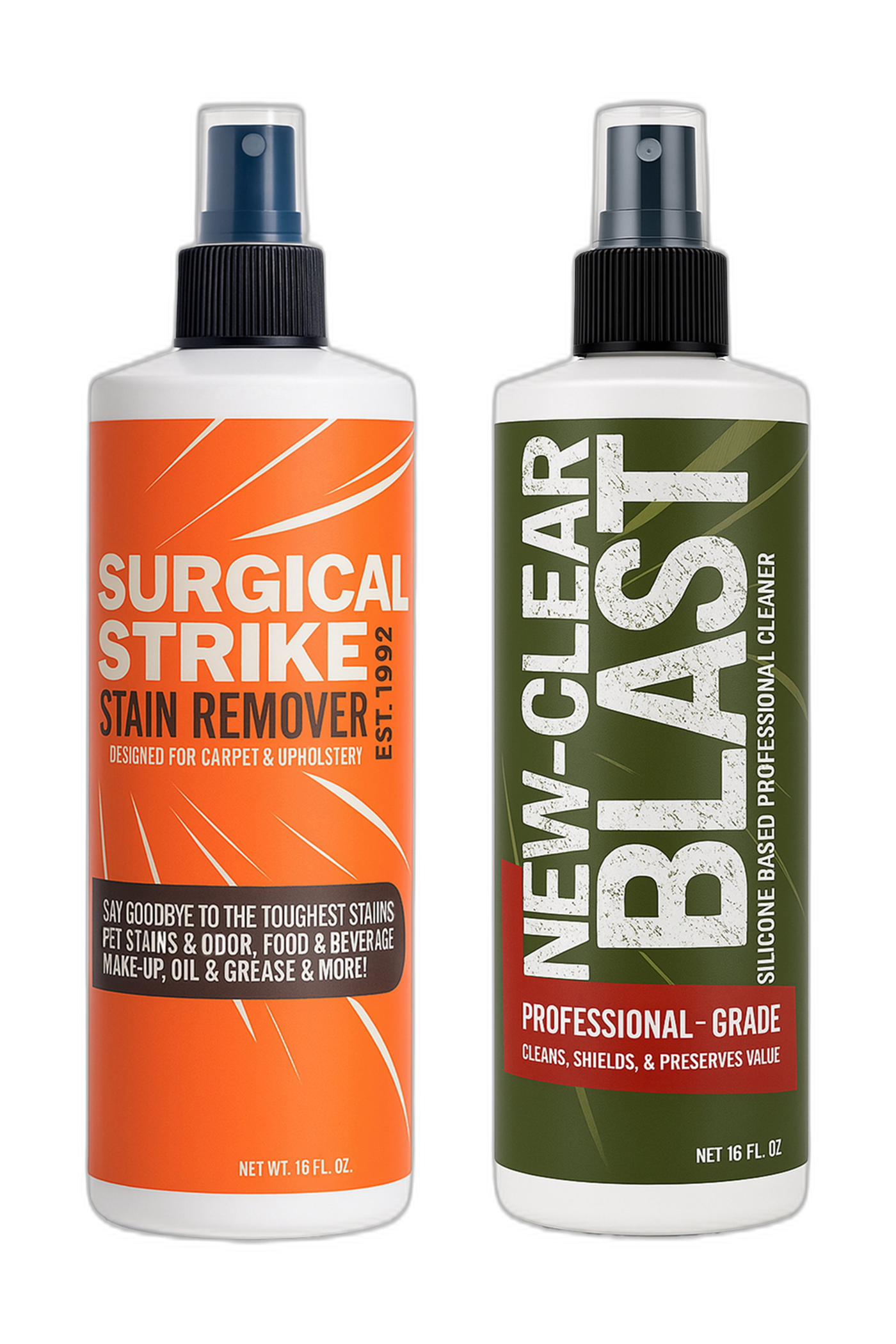
Two formulas. Serious range.
Use Surgical Strike for stains and odor, then New-Clear Blast to clean, shield and preserve hard surfaces.