Stubborn stains on tile surfaces can be frustrating, but aggressive chemical cleaners are not always the first or best option. Understanding how to identify stains and use gentle, effective DIY solutions can restore your tile's appearance without causing damage. This guide covers safe methods for removing common tile stains and offers tips for preventing them in the future.
Key Takeaways for Safe Tile Stain Removal
Before beginning any cleaning process, it is important to have a clear strategy. A methodical approach helps protect your tile and achieve the best results. Here are the essential points to remember:
- Identify the specific stain type and tile material before applying any cleaner.
- Begin with the least aggressive cleaning method to avoid surface damage.
- Common DIY approaches include baking soda paste, mild detergents, and soft-bristle scrubbing.
- Quick cleanup of spills is the most effective way to prevent permanent staining.
- Always test cleaners in an inconspicuous area and avoid mixing incompatible products.
Understanding Your Tile Type and Stain Source
The first steps in effective stain removal are identifying your tile material and the source of the stain. Materials like ceramic, porcelain, and natural stone react differently to cleaning agents. Natural stone, for example, can be sensitive to acidic solutions that might be harmless to porcelain.
Equally important is knowing what caused the stain. Is it oil-based, organic, or from rust? The stain's origin will determine the most suitable cleaning agent. Always start with the mildest possible solution, such as water and a neutral pH detergent, before moving to stronger options. This cautious approach minimizes the risk of etching, discoloration, or other damage to the tile surface or grout.
Gentle DIY Solutions for Common Tile Stains
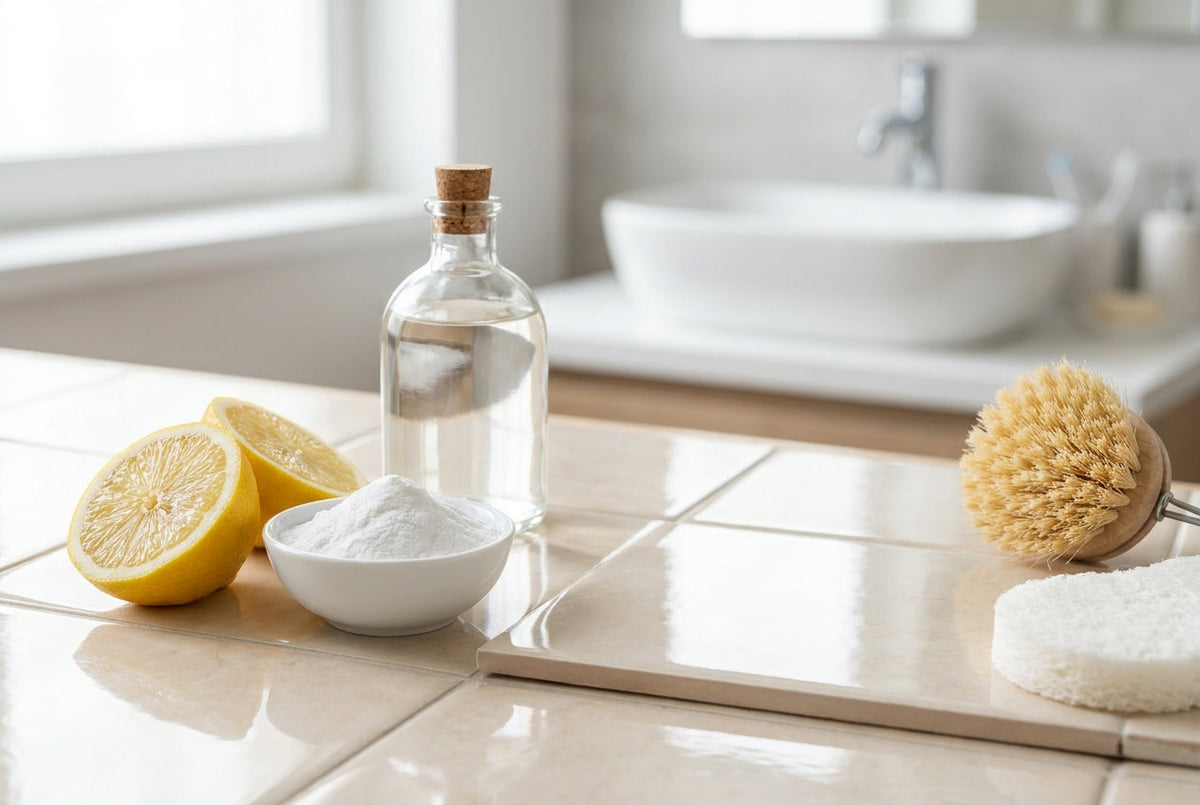
For many common stains in the Home, a simple DIY paste made from baking soda and water is a reliable starting point. Mix the two ingredients to form a thick consistency, apply it directly to the stain, and let it sit for about 10 to 15 minutes. This dwell time allows the baking soda to help break down the residue.
After the paste has had time to work, use a soft-bristle brush or cloth to gently scrub the area in circular motions. Avoid using abrasive pads that could scratch the tile's finish. For general dirt and grime, a solution of mild dish soap and warm water is often sufficient. After scrubbing, rinse the area thoroughly with clean water to remove any leftover cleaning solution and loosened debris.
Protecting Tile Surfaces: Avoiding Damage During Cleaning
The tools you use are just as important as the cleaning solutions. Harsh tools like wire brushes and steel wool can cause permanent scratches on tile surfaces, especially those with a glazed finish. Instead, opt for soft cloths, microfiber towels, or nylon-bristle brushes to safely clean without scratching the enamel.
Before applying any new cleaning product or DIY mixture to a large area, always perform a spot test. Choose a small, hidden section of the tile, such as behind an appliance or in a corner, to see how the surface reacts. This simple step can prevent widespread discoloration or damage. Additionally, be mindful that aggressive scrubbing can erode grout over time, weakening its seal and making it more susceptible to future staining.
Failure Modes or Operational Risks in Tile Stain Removal
Several risks can arise during tile cleaning if proper care is not taken. Using an incompatible cleaner due to misidentifying the tile or stain type can lead to etching or permanent discoloration. For example, using an acidic cleaner on marble can damage the surface. Applying abrasive tools or too much pressure can cause irreversible scratches, compromising the tile's protective finish.
Another common issue is the incomplete removal of cleaning residues, which can leave a dull film that attracts more dirt. One of the most significant risks is mixing incompatible household chemicals. Combining certain products, such as bleach and ammonia, can create hazardous fumes that are dangerous to inhale. Always read product labels and never mix different cleaners.
Mechanism-to-Outcome Map: How Cleaning Actions Affect Stains
Understanding why certain cleaning techniques work helps in applying them correctly. Allowing a cleaning agent to dwell on a stain gives it time to penetrate the material and chemically break down the bonds holding the stain to the tile. This process is essential for loosening tough or set-in residues, making them easier to remove.
Gentle mechanical action, like scrubbing with a soft brush, physically dislodges the now-loosened stain particles from the surface without causing abrasion. Performing a surface test in a hidden area acts as a crucial control measure, allowing you to predict how the cleaner will interact with your specific tile. Ensuring chemical compatibility prevents adverse reactions, supporting both effective cleaning and the long-term integrity of the surface.
Preventing Future Stains and Maintaining Tile Longevity
The most effective way to manage tile stains is to prevent them from happening in the first place. Immediate cleanup of spills, especially from substances like wine, coffee, or oil, significantly reduces the chance of permanent staining. The longer a substance sits, the deeper it can penetrate the tile and grout.
Regular maintenance, such as sweeping and mopping, minimizes the buildup of dirt that can become ground into the surface over time. Placing mats at entrances can also trap grit and debris before it reaches your tiled floors. Consistent and proper cleaning is fundamental to maintaining a tile's appearance and durability. For tough jobs where DIY is not enough, a product like Surgical Strike is a degreaser, stain and odor remover that can be used as part of your maintenance routine.
Regulatory, Safety, or Compliance Considerations for Home Cleaners
When using any cleaning product, safety should be a priority. Always read and follow the directions on the product label, paying close attention to instructions for dilution, application, and necessary precautions. Ensure the area is well-ventilated by opening windows or using a fan to disperse any fumes.
Never mix different cleaning chemicals. This can lead to dangerous chemical reactions or neutralize the effectiveness of the products. Store all cleaners securely and out of the reach of children and pets to prevent accidental ingestion or exposure. For guidance on various cleaning needs, review our full Applications list.
Selection Checklist for Tile Stain Removal
To ensure a safe and effective cleaning process, follow this checklist before you begin tackling any tile stain. A systematic approach helps protect your surfaces and delivers better results.
- Identify the specific type of tile you are cleaning (e.g., ceramic, porcelain, natural stone, travertine).
- Determine the nature of the stain (e.g., oil, rust, food, mildew) to select the right cleaning approach.
- Confirm the cleaner's compatibility by testing it on a small, inconspicuous area first.
- Choose non-abrasive cleaning tools, such as soft brushes, sponges, or microfiber cloths.
- Ensure the cleaning area has adequate ventilation to minimize exposure to any fumes.
- Follow all label directions for any commercial cleaning products, including recommended dilution ratios and contact times.

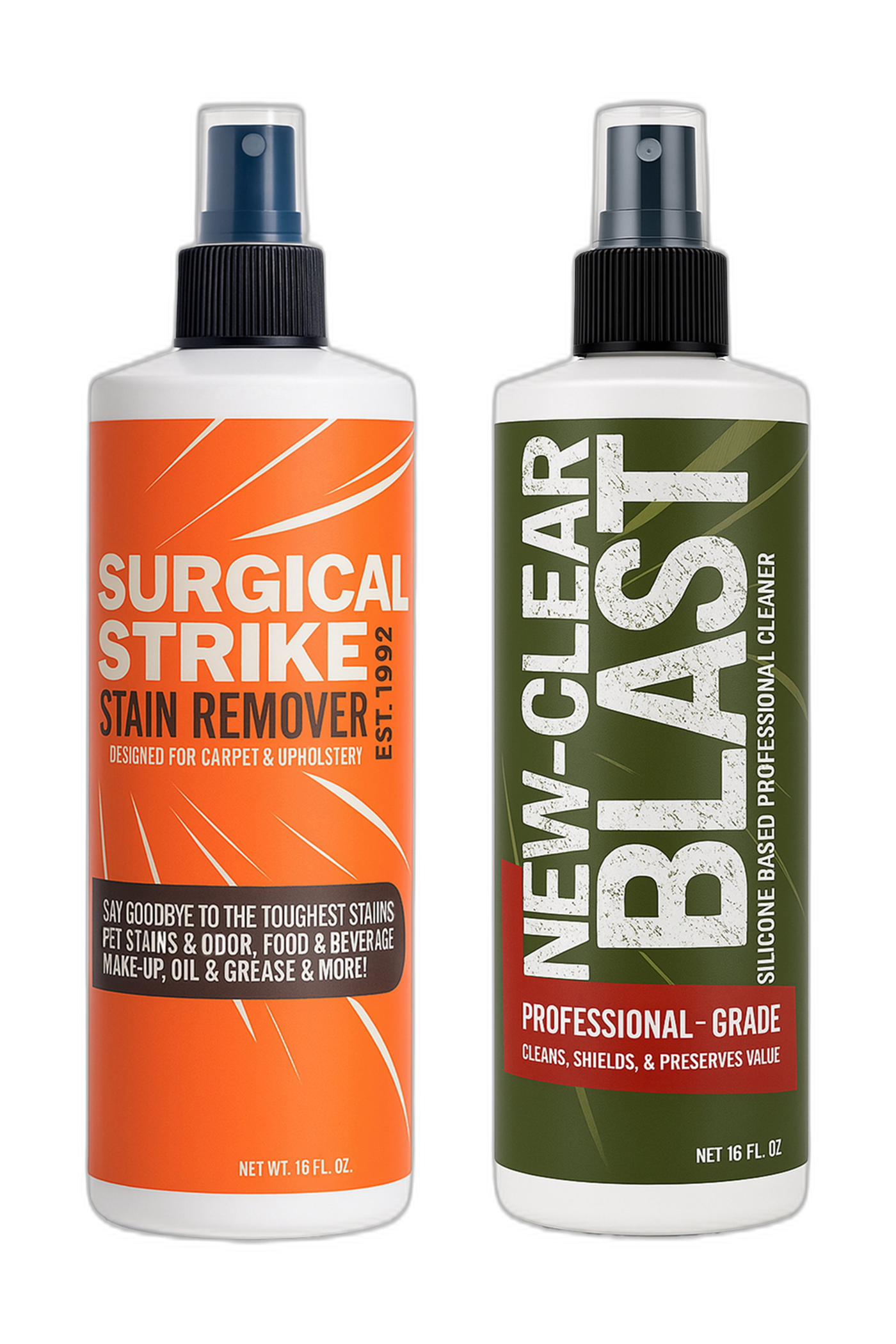
Two formulas. Serious range.
Use Surgical Strike for stains and odor, then New-Clear Blast to clean, shield and preserve hard surfaces.