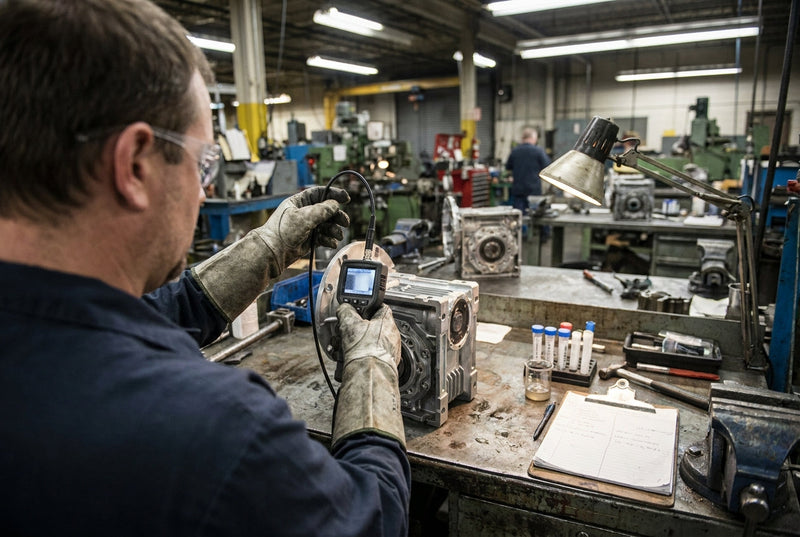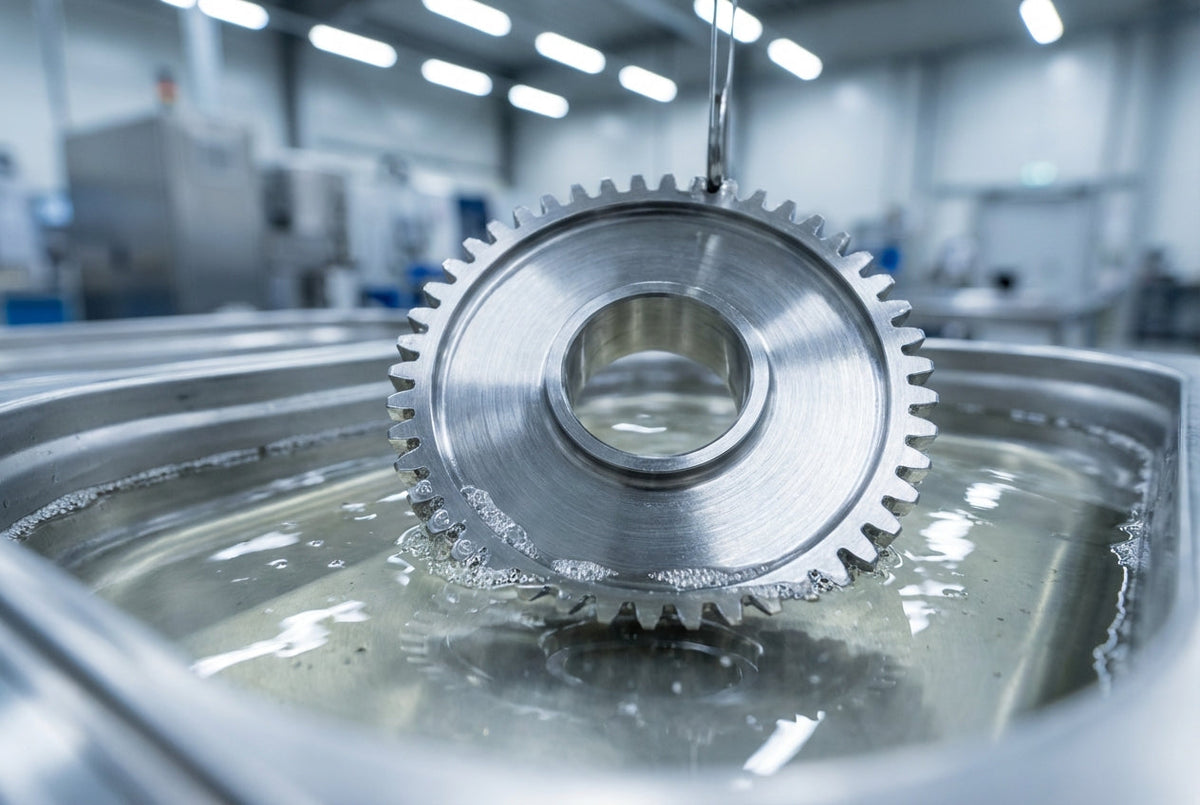
Introduction: The Efficacy of Advanced Degreasers in Manufacturing
In modern Manufacturing environments, the role of advanced industrial degreasing chemistries is critical for maintaining component quality, operational efficiency, and workplace safety. Effective degreasing is a foundational step in numerous processes, from preparing surfaces for finishing to ensuring machinery operates without interruption. The challenge for operators and procurement managers is sourcing solutions that meet demanding performance criteria while also aligning with contemporary safety and environmental standards.
Today’s formulations are engineered to address this complex set of needs. They move beyond traditional solvent-based cleaners to offer chemistries that reduce worker exposure and environmental impact without compromising on cleaning power. This evolution reflects a broader industry trend toward sustainability and corporate responsibility. By understanding the science behind these products, decision-makers can make more informed choices that benefit their operations, employees, and regulatory compliance goals.
This article explores the scientific advancements in industrial degreasing, detailing the mechanisms that make modern cleaners effective. We will examine the shift toward water-based and bio-based alternatives, the risks associated with inadequate cleaning, and the criteria for selecting the right degreaser. The following sections provide practical insights for industrial decision-makers looking to optimize their cleaning and surface preparation processes.
Key Takeaways for Industrial Decision-Makers
For facility managers, engineers, and procurement specialists, navigating the options for industrial degreasers requires a clear understanding of the key benefits and technologies. The following points summarize the most important considerations for optimizing cleaning processes in a manufacturing setting.
- Water-based and bio-based degreasers are now established as effective and environmentally preferable alternatives to traditional solvent-based options, which are often subject to stricter regulations.
- Surfactant technologies are fundamental to how modern cleaners work. These compounds reduce surface tension, allowing the cleaning solution to better penetrate and lift contaminants for easier removal.
- Advanced formulations assist with maintaining component quality. Proper cleaning helps prepare surfaces for subsequent processes like painting or coating, reducing the risk of adhesion failure and corrosion.
- The integration of bio-based and alkaline cleaners helps facilities meet OSHA compliance goals and sustainability targets. These versatile solutions are applicable across various substrates and contaminant types, simplifying inventory.
Mechanism-to-Outcome Map: How Modern Degreasers Perform
Understanding how advanced industrial degreasers work at a chemical level helps explain their efficacy. The performance of these formulations is based on a synergistic combination of components designed to target and remove specific contaminants. A central component is the surfactant, which lowers the surface tension between the cleaning liquid and the solid surface, enabling the degreaser to wet and penetrate oily films more effectively.
Once the surface is wetted, surfactant molecules, which have both a water-attracting (hydrophilic) head and an oil-attracting (hydrophobic) tail, surround oil and grease particles. This action, known as emulsification, suspends the contaminants within the cleaning solution, preventing them from redepositing onto the cleaned surface. This mechanism is crucial for achieving a truly clean and residue-free substrate, which is vital for subsequent manufacturing steps.
Many advanced formulations also contain alkaline components. These agents react with fatty acids found in tough, organic contaminants through a process called saponification, which converts insoluble greases into water-soluble soaps. This makes heavy residues much easier to rinse away. In parallel, the industry has seen the rise of bio-based degreasers. These products use naturally derived solvents or enzymes to break down hydrocarbons, offering high biodegradability and reduced toxicity for sensitive applications.
Failure Modes and Operational Risks Mitigated by Effective Degreasing
The consequences of inadequate degreasing can be significant, impacting product quality, operational costs, and equipment longevity. One of the most common failure modes is poor adhesion of paints, coatings, or other finishes. If residual oils and contaminants are left on a surface, they can create a barrier that prevents proper bonding, leading to premature delamination, blistering, or peeling of the applied material.
Residual contaminants can also accelerate corrosion processes, particularly on metal components. Oils and greases can trap moisture and other corrosive agents against the substrate, compromising the structural integrity and longevity of parts and equipment. This not only leads to product failure but can also pose safety risks in critical applications.
From an operational standpoint, the buildup of grease and grime on machinery can impede efficiency. It can lead to overheating, increased friction, and mechanical failures, resulting in more frequent maintenance cycles and costly, unplanned downtime. Selecting a targeted solution like Surgical Strike for specific degreasing tasks is part of a comprehensive maintenance strategy.
Evolving from Solvents: The Shift to Water and Bio-Based Formulations
The industrial cleaning landscape is undergoing a significant transition away from traditional, solvent-based degreasers. This shift is driven by growing awareness of the health, safety, and environmental concerns associated with volatile organic compounds (VOCs) and other hazardous chemicals commonly found in older formulations. Regulatory pressures at local and federal levels have further accelerated this evolution toward safer alternatives.
Water-based and bio-based degreasers have emerged as the leading alternatives, offering improved biodegradability and reduced toxicity profiles. These advanced chemistries are formulated to deliver high cleaning efficacy, effectively emulsifying heavy oils and tough greases without relying on harsh solvents. This allows facilities to maintain operational performance while supporting corporate sustainability initiatives.
The development of specialized, environmentally responsible formulations represents a major step forward. Products that are non-butyl and phosphate-free are becoming the new standard in many sectors. This focus on lower-hazard ingredients helps organizations reduce their ecological footprint and create a more comfortable work environment for employees, all while meeting the rigorous cleaning demands of industrial processes.
Reducing Hazards and Supporting Environmental Stewardship in Industrial Cleaning
The adoption of advanced degreaser chemistries directly contributes to reduced solvent exposure and environmental stewardship. A primary benefit is the reduction of VOCs, which helps facilities comply with air quality regulations and improves the ambient air for employees. By replacing highly volatile solvents with water-based or bio-based alternatives, companies can minimize their environmental impact and reduce the risk of respiratory irritation among workers.
Furthermore, alkaline and bio-based cleaners can support OSHA compliance by reducing exposure to harsh solvents. These formulations are often non-flammable and have lower toxicity ratings compared to their solvent-based counterparts, reducing risks associated with chemical handling and storage. Innovations in surfactant technology have also enabled the development of powerful cleaners that do not rely on traditionally harsh chemicals, further reducing worker exposure.
Many modern degreasers are designed to meet stringent environmental criteria, such as those outlined by the EPA's Safer Choice program or the EU Ecolabel. While not all products carry these specific certifications, the trend toward formulations with a reduced ecological footprint demonstrates a commitment to sustainable manufacturing practices. Selecting such products allows companies to align their procurement with broader environmental goals.
Optimizing Cleaning Performance for Critical Manufacturing Components
In manufacturing, the cleanliness of components is not just an aesthetic concern; it is a critical factor in final product quality. Advanced degreasers are specifically formulated for heavy-duty applications, ensuring the thorough removal of stubborn oils, machining fluids, and other residues from parts and equipment. This level of clean is essential for preparing metal surfaces for subsequent stages like machining, welding, or finishing.
For operations using automated cleaning systems, such as agitated or spray wash equipment, the physical properties of the cleaner are as important as its chemical action. Low-foaming surfactants are crucial in these contexts, as excessive foam can impede pump performance, reduce spray pressure, and lead to inefficient cleaning cycles. Formulations designed for these systems help maintain process efficiency and consistency.
Ultimately, by ensuring a residue-free surface, these advanced solutions help prevent common manufacturing defects. A properly cleaned substrate supports better adhesion for coatings and sealants and reduces the risk of flaws that could compromise the durability of the finished product. Solutions such as New-Clear Blast can be used as part of a process to help prepare surfaces for their next step, ensuring they are free from interfering residues.
Operational Efficiency and Cost-Effectiveness
Beyond performance, advanced industrial degreasers can offer significant benefits in operational efficiency and cost-effectiveness. Many modern formulations are supplied as concentrates, which provide notable dilution efficiency. A single drum of concentrate can yield multiple drums of ready-to-use solution, which reduces procurement frequency, shipping costs, and the amount of required storage space.
The effective removal of contaminants on the first pass also helps by minimizing the need for re-work and reducing scrap rates. When parts are consistently cleaned correctly, they move smoothly through the production line, supporting overall throughput and reducing wasted materials. This reliability is a key factor in lean manufacturing environments.
Consolidating chemical inventories with versatile, multi-purpose degreasers can further streamline operations. Using a single, effective product across multiple applications simplifies purchasing, inventory management, and employee training. Additionally, faster and more effective cleaning cycles can lead to reduced labor hours and lower energy consumption, especially in heated cleaning systems, further enhancing the cost-effectiveness of advanced formulations.
Selecting the Right Advanced Degreaser: A Checklist
Choosing the appropriate degreaser requires a systematic evaluation of the application's specific needs. To ensure optimal results, safety, and cost-efficiency, industrial decision-makers should consider several key factors before making a selection. The following checklist provides a framework for this evaluation process.
- Evaluate the type of contaminants: Match the degreaser's chemistry to the specific soils that need to be removed. Different formulations are optimized for petroleum-based oils, synthetic lubricants, greases, or waxy residues.
- Consider the substrate material: Ensure the chemical is compatible with the surfaces being cleaned, whether they are ferrous metals, aluminum, plastics, or other sensitive materials. An incompatible cleaner can cause damage like corrosion, etching, or discoloration.
- Assess safety and environmental profiles: Prioritize formulations with low VOCs, non-flammable properties, and favorable health ratings. Review Safety Data Sheets (SDS) to understand handling requirements and potential hazards.
- Review dilution ratios and application methods: Look for concentrates that offer cost efficiency and are suitable for your existing equipment, whether it involves manual wiping, immersion tanks, or automated spray systems.
- Check for regulatory compliance: Verify that the degreaser meets relevant industry standards and environmental regulations, such as those set by OSHA or the EPA, to ensure your facility remains compliant.
Regulatory and Compliance Landscape for Industrial Cleaners
Navigating the regulatory and compliance landscape is a critical aspect of managing industrial cleaning operations. Adherence to standards set by the Occupational Safety and Health Administration (OSHA) is fundamental for maintaining a safe working environment. This includes rules related to chemical handling, exposure limits, and personal protective equipment (PPE), all of which influence the selection of degreasing products.
Environmental regulations, particularly those concerning air quality, also play a significant role. Many advanced degreasers are formulated to contain low or no volatile organic compounds (VOCs) to help facilities meet the stringent limits set by the Environmental Protection Agency (EPA) and state-level authorities. Using compliant cleaners is essential for avoiding penalties and supporting community health.
Furthermore, an increasing number of manufacturers are voluntarily adopting cleaners that align with programs like EPA Safer Choice or certifications such as the EU Ecolabel. While not mandatory, using products that meet these standards demonstrates a proactive commitment to environmental responsibility and can be a factor in supply chain requirements. Staying informed about these evolving regional and international chemical regulations is necessary for ensuring continuous compliance, reducing liability, and maintaining a positive corporate reputation.
Clean and prep surfaces with CG Chemicals
If you are dealing with buildup, residues, or tough soil before maintenance or finishing work, CG Chemicals offers practical cleaning solutions for high-use environments. Explore New-Clear Blast and Surgical Strike based on your surface and soil type.
- Use with adequate ventilation.
- Avoid contact with eyes and prolonged skin contact.
- Keep out of reach of children.
- Follow label directions.
Sources
- https://www.zavenir.com/insight-category/general-articles/industrial-degreaser-for-manufacturing-processes
- https://pubs.acs.org/journal/iecrrd
- https://www.youtube.com/watch?v=6ocAZunRHoA
- https://problendsolutions.com/industrial-chemicals/industrial-alkaline-chemicals/industrial-degreasing-chemicals
- https://www.dow.com/en-us/market/mkt-home-care-ind-inst-cleaning/sub-hcii-industrial-cleaning.html
- https://jaycochem.com/aqueous-cleaners/industrial-degreaser/
- https://benchmarkchemicals.com/industrial-&-commercial
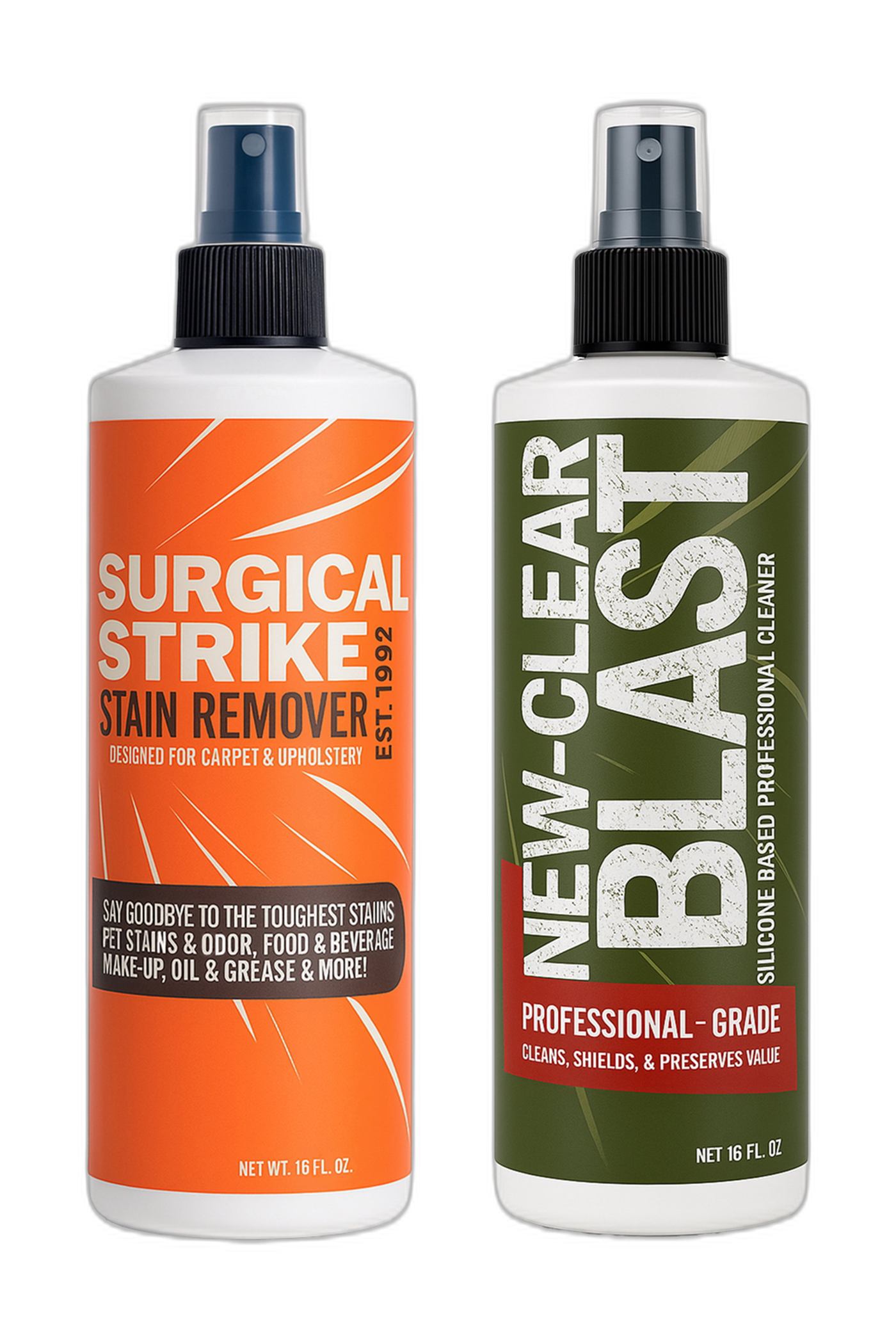
Two formulas. Serious range.
Use Surgical Strike for stains and odor, then New-Clear Blast to clean, shield and preserve hard surfaces.