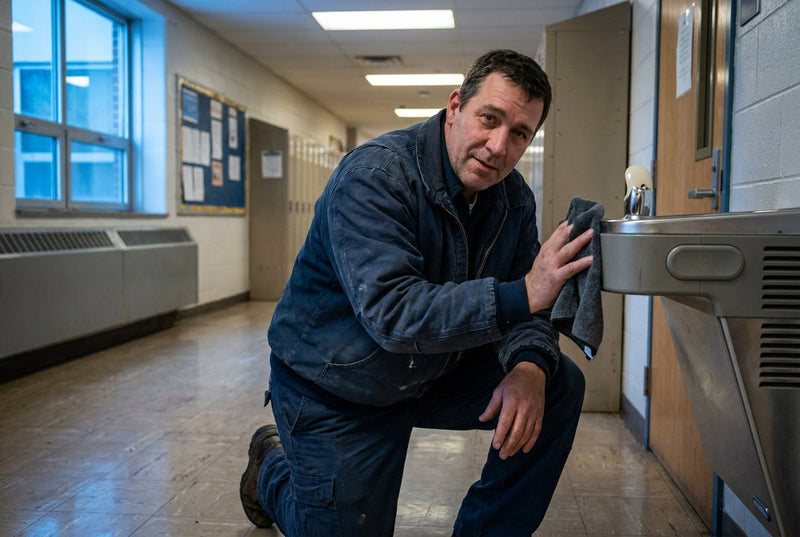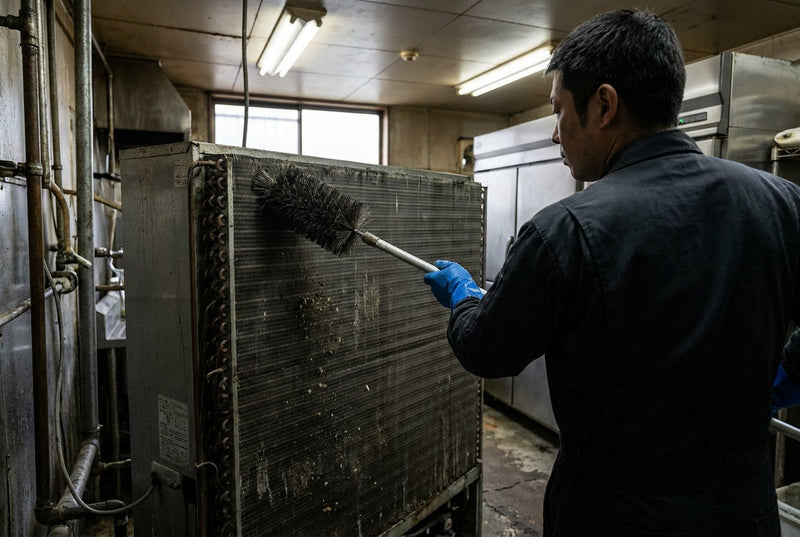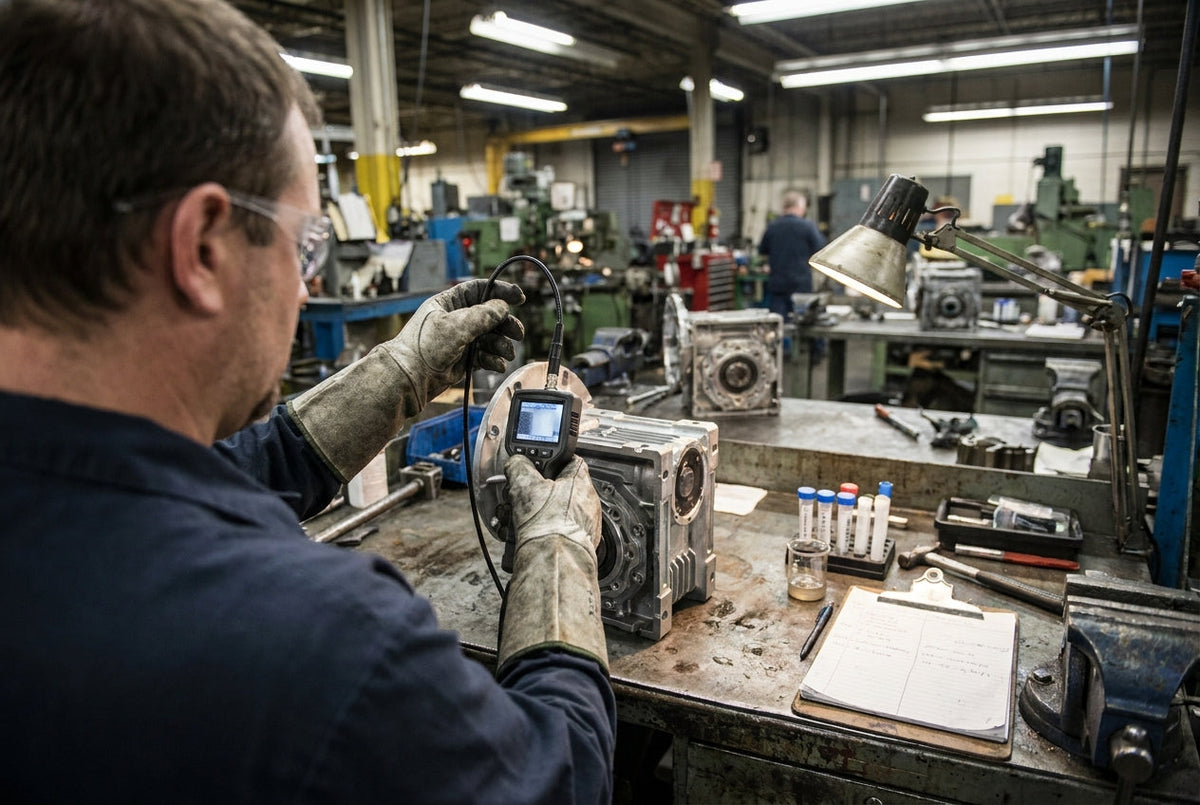
In large-scale manufacturing, achieving consistent results in degreasing is fundamental to quality control and operational efficiency. The reliability of a degreasing process impacts everything from coating adhesion to final assembly. This article explores what the most reliable degreasing solutions for maintaining consistent results at scale are, focusing on process control, chemistry selection, and verification methods for industrial applications. These steps are part of a comprehensive approach to Cleaning and surface-prep solutions.
Key Takeaways for Industrial Decision-Makers
- Consistent degreasing results at scale depend on a controlled cleaning process that matches chemistry, delivery, mechanical action, rinsing, drying, and verification to the soil and substrate.
- Aqueous alkaline cleaners suit water-compatible metals and heavy oils with proper rinsing and drying; solvent systems offer rapid evaporation and low water use for specific oils, subject to emissions controls and compatibility.
- Process variables such as cleaner concentration, temperature, contact time, agitation, bath loading, soil separation, rinse quality, and drying must be carefully controlled for repeatable performance.
- Effective surface preparation for high-performance coatings involves more than just degreasing; it requires controlling for residual oil, salts, cleaner, moisture, flash rust, and maintaining a strict time-to-coat window.
- Solvent degreasing operations require engineered ventilation and equipment controls to manage vapor exposure and emissions, adhering to regulatory requirements.
The Foundation: Process Control for Consistent Degreasing
Reliable industrial degreasing is achieved through a controlled and repeatable cleaning process, not solely by the cleaning product itself. The chemical agent is just one component of a larger system that must be managed to produce consistent outcomes. Success at scale relies on correctly matching the cleaner chemistry and mechanical action to the specific soil, substrate, and subsequent manufacturing operations.
This integrated approach helps ensure repeatable performance, which is critical for maintaining quality and efficiency in high-volume manufacturing environments. Key components of this process include selecting the right delivery method (immersion, spray, ultrasonic), ensuring effective rinsing to remove all residues, and implementing controlled drying procedures to prepare the part for the next step.
Aqueous vs. Solvent Systems: Choosing the Right Chemistry
The choice between aqueous and solvent-based systems is a critical decision point. Aqueous alkaline cleaners are often suitable for water-compatible metals and heavy oils, particularly when a facility’s process can support thorough rinsing and drying to prevent water spots or corrosion. They work by saponifying, emulsifying, and dispersing oils.
Solvent systems may be preferred for their rapid evaporation, in situations with low water availability, or when certain difficult oils need removal. However, their selection requires careful review of substrate compatibility and the implementation of emissions controls to manage worker exposure and environmental impact. Product and process selection must also consider Volatile Organic Compound (VOC) restrictions, especially for industrial cleaning and coating-preparation operations, which often requires a review of local and national regulations.
Mechanism-to-Outcome Map: Key Process Variables for Performance
Consistent cleaning performance relies on the precise control of several operating variables. Cleaner concentration and temperature are two of the most important factors, as they directly impact the chemical reaction rate and effectiveness of the degreasing agent. These must be monitored and maintained within a specified operational window.
Effective degreasing also requires optimizing contact time and mechanical agitation. Whether through spraying, immersion with turbulence, or ultrasonic action, physical force helps to dislodge and remove soils from the substrate surface. At the same time, operators must manage bath loading and ensure proper soil separation mechanisms are in place to prevent re-deposition of contaminants and maintain the life of the cleaning bath. Finally, rinse quality is a direct determinant of final surface cleanliness, followed by a controlled drying stage to prevent water spots and ensure the surface is ready for subsequent operations.
Selection Checklist for Industrial Degreasers
When selecting a degreasing solution for an industrial process, decision-makers should evaluate several key factors to ensure the choice aligns with operational needs and constraints. A systematic review can help prevent downstream quality issues.
- Define the specific type and amount of soil to be removed (e.g., cutting fluids, stamping oils, rust inhibitors).
- Evaluate the substrate's compatibility with different cleaning chemistries to avoid corrosion or damage.
- Assess production volume and required cycle times to determine process efficiency needs.
- Consider the available capacity for rinsing and controlled drying within the production line.
- Review applicable VOC limits and emission requirements for your location and operation type.
- Ensure the chosen degreaser and process are compatible with subsequent operations like coating, welding, or assembly.
Failure Modes or Operational Risks in Surface Preparation
Poor degreasing practices are a significant source of operational risk, frequently leading to coating adhesion failures, surface defects, and costly rework. Residual contaminants like oil, cleaner, or salts left on the substrate can interfere with the bonding of subsequent layers.
For high-performance coatings, surface preparation must be rigorously defined and controlled. This goes beyond simple degreasing to include managing soluble contaminants, achieving the correct surface profile, ensuring complete dryness, and preventing flash rust. An uncontrolled time-to-coat window between preparation and application is another common failure mode, as a clean surface can quickly become re-contaminated by the ambient environment. Beyond degreasing, factors like residual moisture and airborne dust can also undermine the integrity of the prepared surface.
Verifying Cleanliness: Acceptance Testing for Quality Control
To ensure process control is effective, production lines should validate cleaning effectiveness using objective, repeatable acceptance methods. Visual inspection alone is often insufficient for guaranteeing a surface is ready for critical downstream processes like coating or bonding.
Common verification techniques include water-break testing, where a continuous sheet of water indicates a clean, high-energy surface free of hydrophobic films. For more stringent requirements, surface energy measurements can provide quantitative data on cleanliness. Non-volatile residue (NVR) analysis helps detect minute amounts of material remaining after cleaning that could compromise performance. Documenting these results by batch, shift, tank, or line provides a traceable record vital for quality control, process improvement, and troubleshooting. This is a key validation step when a degreaser, stain and odor remover like Surgical Strike is part of the preparation process.
Regulatory, Safety, or Compliance Considerations
Solvent-degreasing systems often require specific engineering controls to manage vapor accumulation and minimize worker exposure. OSHA standards, for example, specify requirements for local exhaust ventilation and vapor control equipment for many solvent-cleaning operations. Properly designed source-capture ventilation is critical for controlling worker exposure.
Beyond worker safety, environmental regulations must be considered. Specific VOC rules may set limits on solvent content for industrial cleaning and coating-preparation, necessitating a review of local and national standards. Some jurisdictions have highly detailed rules; for instance, Louisiana's solvent-degreaser rule illustrates requirements that can include specified exhaust ventilation rates and carbon-adsorption controls for systems of a certain size.
Sources
- https://handbook.mktechindustry.com/ch37_web/
- https://www.globalformulation.com/industrial-degreasers-solvent-vs-aqueous/
- https://handbook.mktechindustry.com/ch38_web/
- https://www.epa.gov/air-quality-implementation-plans/louisiana-sip-lac-33iii-ch-2125-solvent-degreasers-ss2125-vapor
- https://www.epa.gov/system/files/documents/2025-04/wi-nr-423.pdf
- https://kravzik.com/services/degreasing/
- https://www.osha.gov/laws-regs/regulations/standardnumber/1926/1926.57
- https://www.cdc.gov/niosh/hhe/reports/pdfs/1991-0377-2383.pdf

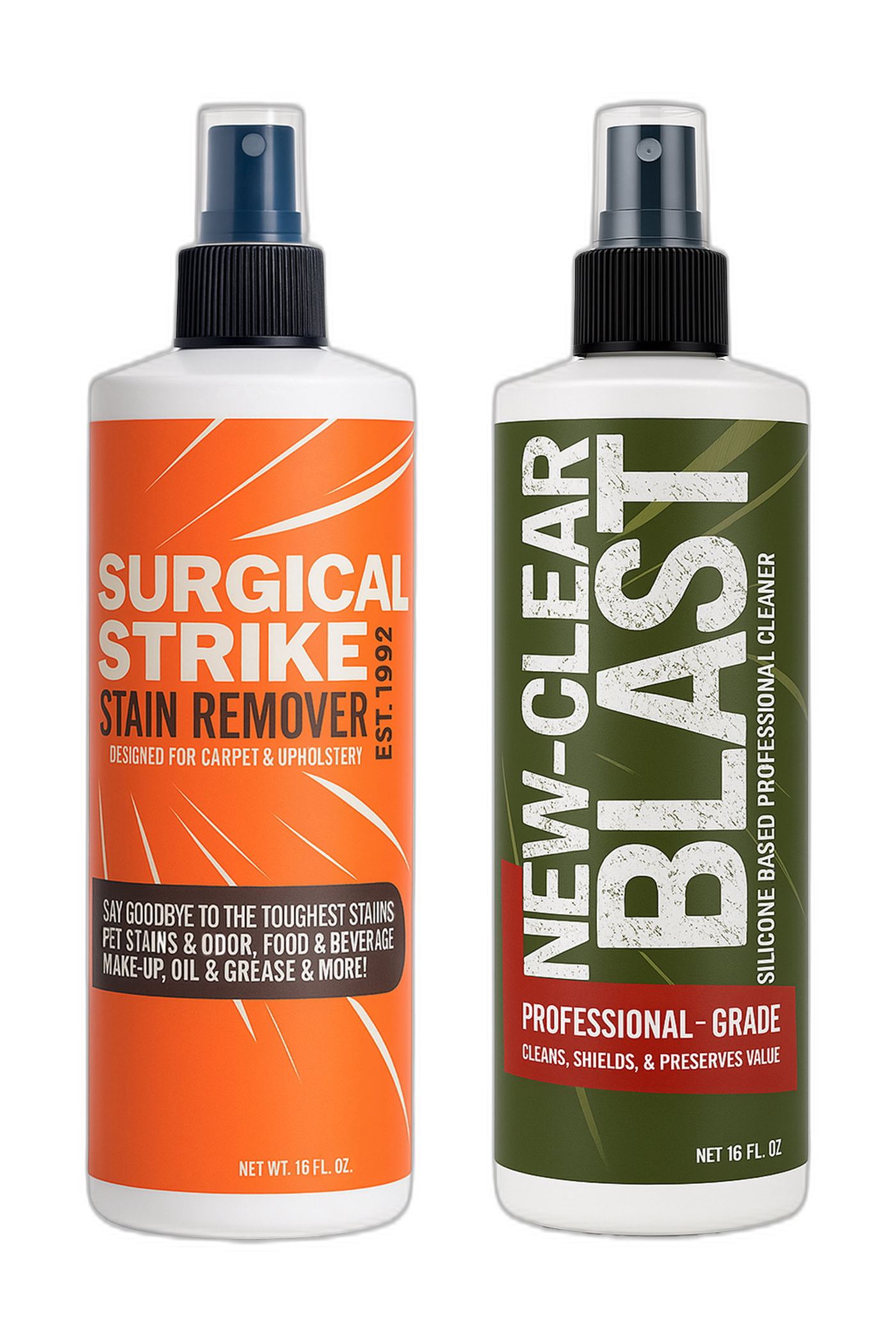
Two formulas. Serious range.
Use Surgical Strike for stains and odor, then New-Clear Blast to clean, shield and preserve hard surfaces.