The vast, unseen network of municipal stormwater and wastewater collection systems is a critical component of public health and environmental protection. Maintaining these systems goes far beyond the treatment plant, requiring proactive and sustainable cleaning strategies to manage everything from blockages and biohazards to regulatory compliance. For teams managing public works Facilities, adopting eco-friendly and effective cleaning protocols is essential for protecting our waterways and ensuring long-term operational integrity.
Key Takeaways for Municipal Infrastructure Maintenance
Effective maintenance of municipal water collection systems requires a clear understanding of the operational goals and environmental responsibilities. These systems act as the first line of defense in water quality management. Key considerations for any maintenance program include the following points.
- Municipal stormwater and wastewater cleaning serves as a direct form of pollution prevention, significantly influencing water quality before it reaches a treatment facility.
- Cleaning strategies must be differentiated for storm drains, sanitary sewer lines, combined sewers, and lift stations, as each presents varied contaminants and distinct compliance risks.
- Sustainable cleaning prioritizes source control and targeted methods to reduce chemical runoff, solids discharge, and excessive water consumption during maintenance activities.
- Proactive cleaning directly addresses common operational issues such as debris removal, grease accumulation, sediment management, and odor control, supporting system reliability and public health.
Understanding Municipal Collection Systems
Municipal water infrastructure is composed of several distinct systems, each designed for a specific purpose. Municipal wastewater systems are responsible for conveying sewage from homes, businesses, and industrial facilities to treatment plants through a network of sewer lines and lift stations. These are often referred to as sanitary sewers.
Separately, Municipal Separate Storm Sewer Systems (MS4s) are engineered to manage stormwater runoff. Governed by the Clean Water Act, their primary function is to collect rainwater from streets and other surfaces and discharge it, often untreated, into local water bodies. This makes pollution reduction a key operational focus.
Some older municipalities operate combined sewer systems, which carry both sanitary sewage and stormwater in the same pipe. During periods of heavy rainfall, the volume of water can exceed the system's capacity, leading to Combined Sewer Overflows (CSOs). These events release untreated sewage and stormwater directly into receiving waters, posing significant environmental and public health risks. Tailoring cleaning and maintenance strategies to the specific system type is critical for effective management and regulatory compliance.
Failure Modes and Operational Risks in Collection Infrastructure
Without regular and effective cleaning, wastewater and stormwater collection systems are prone to several failure modes that create significant operational and environmental risks. One of the most common issues is blockages caused by the accumulation of fats, oils, grease (FOG), sediment, and debris. These obstructions can lead to sanitary sewer overflows or CSOs, which discharge untreated wastewater into the environment, violating environmental regulations and threatening public health.
The buildup of organic matter and solids, particularly in sewer lines and pump station wet wells, creates conditions for anaerobic decomposition. This process generates noxious gases like hydrogen sulfide, resulting in strong, unpleasant odors that affect nearby communities.
Furthermore, inadequate cleaning contributes to increased operational costs due to emergency callouts, premature equipment failure, and potential fines for non-compliance with environmental mandates. The presence of pathogens and other biohazards in sewage and contaminated solids also poses serious health risks to maintenance crews and the public, especially during system failures or hands-on cleaning activities.
Sustainable Cleaning Strategies for Environmental Protection
Sustainable cleaning strategies for municipal water infrastructure focus on minimizing environmental impact while maximizing operational effectiveness. A core principle is source control, which involves preventing pollutants from entering the collection system in the first place. This approach reduces the cleaning burden and protects downstream ecosystems.
By using targeted cleaning methods, municipalities can reduce chemical runoff, minimize the discharge of solids into waterways, and conserve water during maintenance operations. This is particularly important for stormwater management, where the primary goal under the Clean Water Act is to reduce the pollutants carried by runoff into local streams, rivers, and lakes.
The cleaning choices made by public works departments have a direct and measurable effect on the environment. Opting for solutions and methods that are effective yet environmentally conscious helps ensure that maintenance activities for Municipal Separate Storm Sewer Systems (MS4s) and other collection infrastructure support, rather than hinder, broader water quality goals. Every cleaning decision made before wastewater reaches the treatment plant is an opportunity to protect our natural resources.
Mechanism-to-Outcome Map: Mitigating Buildup and Odors
Understanding the link between common problems and their solutions is key to proactive maintenance. Two prevalent issues in collection systems are blockages and odors, both of which can be managed effectively with targeted cleaning.
- Mechanism: Organic Buildup and Grease Accumulation - Fats, oils, grease (FOG), and other organic solids from residential and commercial sources cling to the walls of pipes and wet wells. Over time, this buildup hardens and grows, constricting flow capacity and creating obstructions.
- Outcome: Blockage Prevention - Regular and targeted cleaning, including degreasing operations, removes these deposits before they can cause a full blockage. This maintenance helps prevent sewage backups and minimizes the risk of CSOs, which are a major source of water pollution.
- Mechanism: Anaerobic Decomposition - When wastewater and organic solids become stagnant in collection lines or accumulate in wet wells, they begin to decompose in an oxygen-deprived environment. This anaerobic process generates hydrogen sulfide and other gases, which are the primary sources of foul sewer odors.
- Outcome: Odor Control - By proactively cleaning and removing accumulated solids, municipalities can disrupt the conditions necessary for anaerobic decomposition. This helps reduce the production and release of malodorous gases, improving air quality for surrounding communities and workers.
Specialized Cleaning for Stormwater Drainage Systems
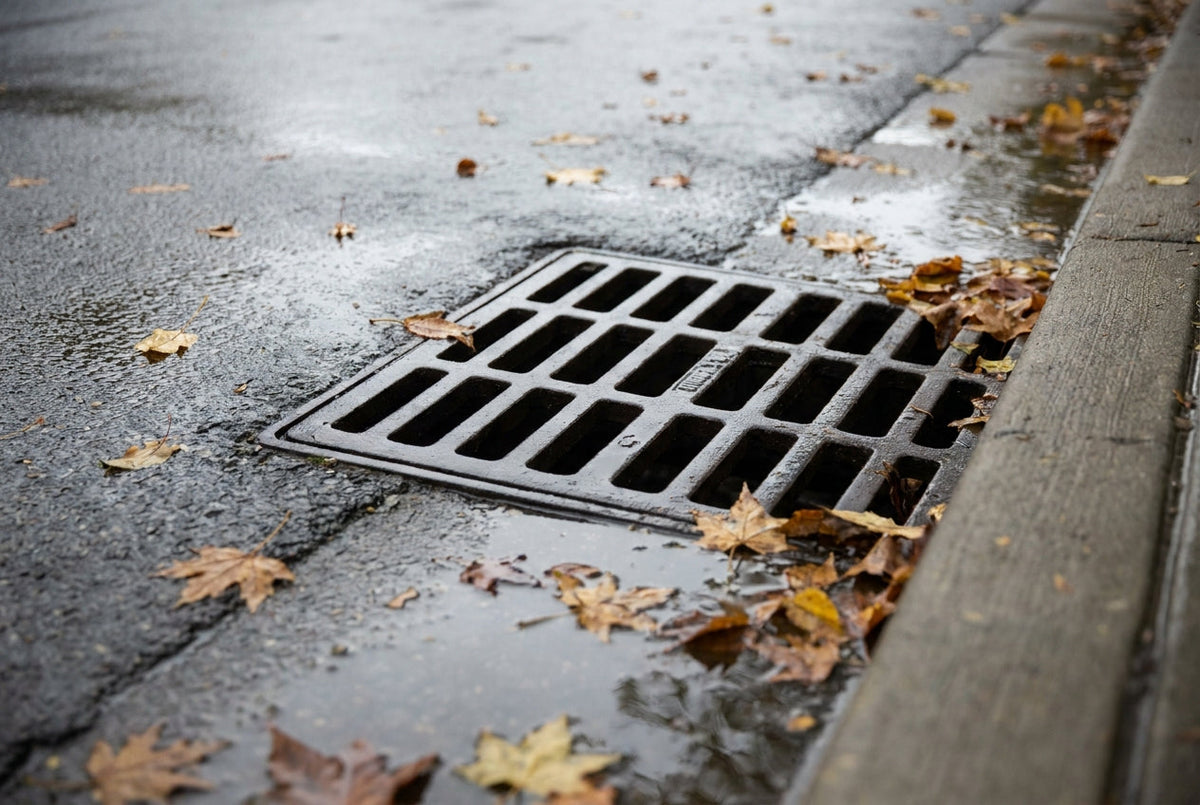
Cleaning stormwater drains is a critical function of municipal public works, directly tied to compliance with MS4 programs under the Clean Water Act. These systems collect runoff that can carry debris, sediment, automotive fluids, and other pollutants from impervious surfaces directly into local water bodies.
Unlike wastewater, stormwater is often discharged without treatment, making the cleaning of these drains a direct form of pollution prevention. Effective maintenance programs focus on removing accumulated materials before they can be washed downstream. Best practices emphasize capturing and properly disposing of removed solids and minimizing the discharge of washwater to prevent the transfer of contaminants.
Routine maintenance not only supports environmental compliance but also ensures proper drainage flow. Keeping these systems clear reduces localized flooding and lessens the hydraulic load on natural waterways and any downstream treatment facilities, supporting a more resilient and sustainable urban water cycle.
Maintaining Wastewater Collection: Sewers and Lift Stations
Wastewater collection systems face a different set of challenges compared to stormwater drains. The constant flow of sewage introduces grease, sediment, rags, and other solids that are notorious for causing blockages and operational failures. Regular cleaning protocols are essential to manage these materials and maintain system capacity.
Lift stations, which pump wastewater from lower to higher elevations, are particularly vulnerable. The cleaning of wet wells is critical for preventing the buildup of solids and grease that can foul pumps, leading to costly failures and system overflows.
Proactively addressing blockages throughout the sewer network is a key strategy for reducing the frequency and severity of CSOs and other unauthorized discharges. By keeping the lines clear, municipalities can help prevent public health emergencies and avoid the significant environmental damage associated with releasing untreated sewage. This regular maintenance supports the efficient and reliable conveyance of wastewater to treatment plants, preserving the integrity of the entire system.
Worker Safety and Biohazard Management in Cleaning Operations
The maintenance of municipal sewers and lift stations is an inherently hazardous job. Crews are regularly exposed to significant biohazards, including a wide range of pathogens found in raw sewage and contaminated solids. Protecting workers requires strict adherence to safety protocols and the consistent use of appropriate personal protective equipment (PPE).
Much of this infrastructure is located underground, meaning maintenance often requires confined space entry. These operations are highly regulated and demand specialized training, safety equipment, and meticulous procedures to prevent accidents. Additionally, the decomposition of organic matter can generate hazardous gases such as hydrogen sulfide and methane. These gases can be toxic, flammable, and can displace oxygen, creating a life-threatening atmosphere. Continuous air monitoring is critical.
These operational realities are similar to those found in other heavy industrial and Manufacturing environments, where safety is paramount. A comprehensive safety program that addresses biological, chemical, and physical hazards is non-negotiable for protecting the health of municipal cleaning crews. Following established safety guidelines helps prevent injuries and long-term health issues associated with exposure to raw sewage and its byproducts.
Regulatory, Safety, or Compliance Considerations for Municipal Systems
Municipal water collection systems operate within a stringent regulatory framework covering public health and the environment. Under the Clean Water Act, municipal stormwater discharges are regulated through MS4 programs, which require municipalities to implement measures to reduce pollution in runoff. Failure to comply can result in significant penalties.
Combined Sewer Overflows (CSOs) represent one of the most significant compliance challenges for municipalities with older, combined systems. These discharges of untreated sewage and stormwater are a primary focus of regulators due to their severe impact on water quality.
Proactive cleaning and maintenance are essential components of a robust compliance strategy. By reducing the likelihood of blockages, spills, and overflows, municipalities can demonstrate due diligence and lower their risk of non-compliance. Alongside environmental regulations, strict adherence to worker safety guidelines, especially those concerning confined spaces and biohazard exposure, is a critical part of responsible system management.
Selection Checklist for Effective Cleaning Solutions
Choosing the right cleaning solutions is a critical step in developing a sustainable and effective maintenance program for municipal water infrastructure. A well-chosen product can support operational efficiency, worker safety, and environmental goals. When evaluating options, procurement managers and operations supervisors should consider the following criteria:
- Compatibility with System Materials: The chosen solution should be evaluated to ensure it will not corrode, degrade, or otherwise damage pipes, pumps, seals, and other critical infrastructure components over time.
- Efficacy on Target Contaminants: Select products specifically designed to be effective on the common contaminants found in municipal systems, such as grease, sediment, and organic buildup. Solutions that also assist with odor control provide additional value.
- Environmental Impact Profile: Prioritize solutions that support a reduced chemical footprint and have a minimal ecological impact. The products should be suitable for the environment and compatible with downstream wastewater treatment processes.
- Application Versatility: Look for solutions that are compatible with various types of cleaning equipment (e.g., jetters, sprayers) and are adaptable to different parts of the collection system, including storm drains, sanitary sewers, and combined lines.
- Worker Safety: Ensure any cleaning agents align with established safety protocols for biohazard management and confined space operations. This includes considering factors like fumes and the need for adequate ventilation. Use with adequate ventilation. Avoid contact with eyes and prolonged skin contact. Keep out of reach of children. Follow label directions.
Clean and Prep Municipal Surfaces with CG Chemicals
If you are dealing with buildup, residues, or tough grime in municipal stormwater or wastewater infrastructure, CG Chemicals offers practical cleaning solutions designed for high use environments. Explore New-Clear Blast and Surgical Strike based on your surface and soil type to support your maintenance and operational goals. These products are formulated to help remove grime, buildup, stains, and odors as part of a comprehensive maintenance plan.
Sources
- https://www.epa.gov/npdes/stormwater-management-and-the-clean-water-act
- https://www.epa.gov/npdes/municipal-wastewater
- https://www.epa.gov/npdes/municipal-separate-storm-sewer-systems-ms4s
- https://www.epa.gov/npdes/combined-sewer-overflows-csos
- https://www.wateronline.com/doc/innovative-approaches-to-wastewater-collection-system-maintenance-0001
- https://www.apwa.net/MyApwa/Apwa_Public/Resources/Public_Works_Magazine/Magazine_Articles/Magazine_Article_Page.aspx?ArticleID=3319
- https://www.npdes.com/blog/infrastructure-maintenance-for-collection-systems/
- https://www.wef.org/news-hub/wef-press/manuals-of-practice/
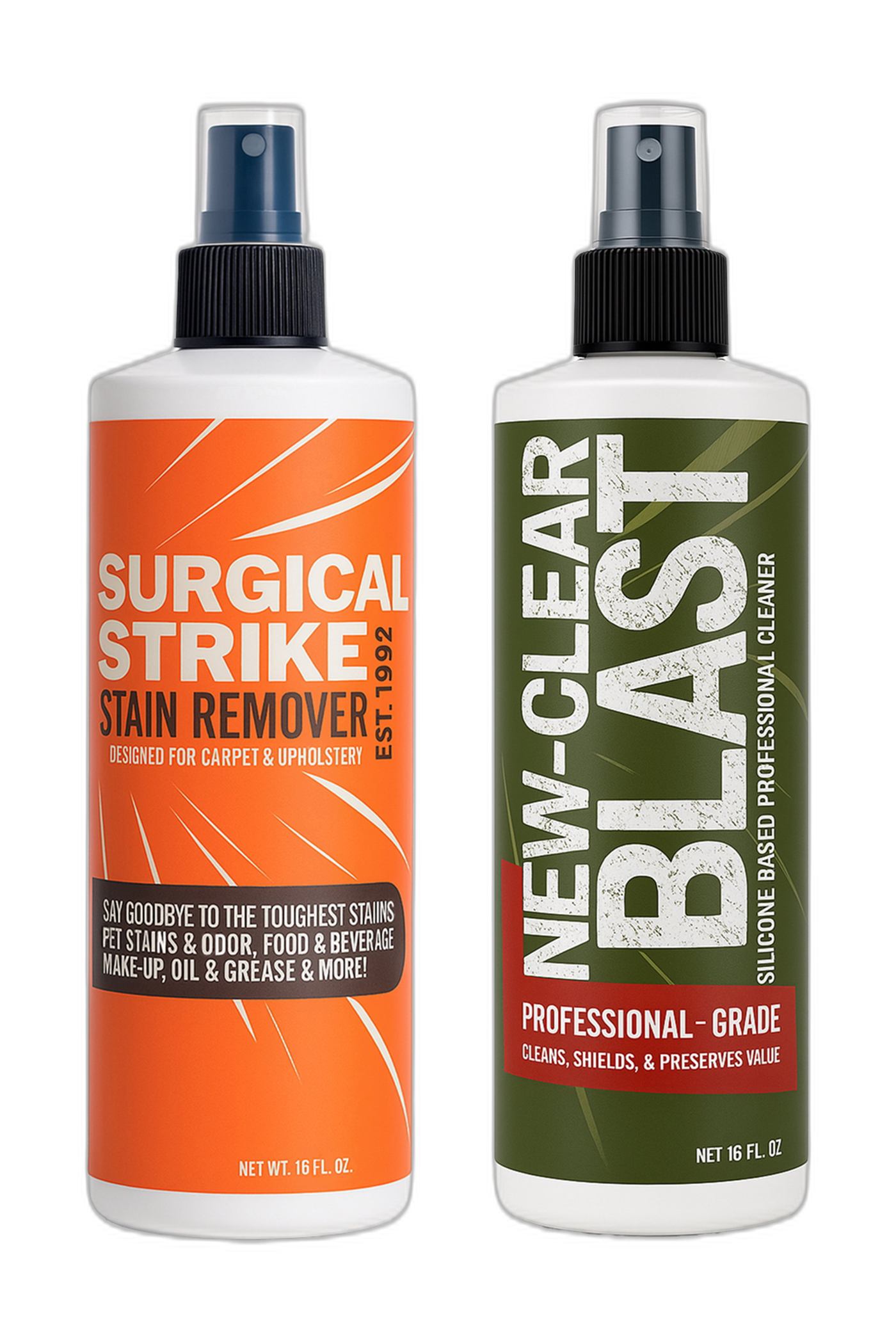
Two formulas. Serious range.
Use Surgical Strike for stains and odor, then New-Clear Blast to clean, shield and preserve hard surfaces.