The Imperative for Pristine Industrial Robotics
In modern manufacturing, industrial robotics and automation systems are essential for productivity and precision. However, their operational environments are often filled with contaminants such as dust, grease, metal shavings, and coolant residue. This contamination can build up on critical components, including sensors, joints, and end effectors, potentially impacting operational efficiency and the longevity of the system. Without regular and effective cleaning, these sophisticated machines can experience a decline in performance.
Specialized cleaning protocols are not just a matter of appearance; they are crucial for maintaining the performance and safety of complex automation equipment. Robotics manufacturers often provide specific maintenance guidelines that include detailed cleaning procedures. Following these recommendations is vital to avoid damaging sensitive electronic components, protective seals, and specialized surface finishes. The wrong cleaning chemistry or method can cause more harm than good, leading to costly repairs and unscheduled downtime.
Integrating cleaning into a preventative maintenance schedule helps operators identify potential issues before they become critical failures. Regular removal of contaminants assists with maintaining the precision required for tasks like welding, assembly, and material handling. Ultimately, a consistent cleaning regimen is a fundamental practice that supports equipment lifespan and helps optimize the return on investment for high value automation assets.
Key Takeaways for Robotics Cleaning
For facility managers and maintenance teams overseeing automated systems, adopting a structured approach to cleaning is critical. The following points summarize the essential considerations for maintaining industrial robotics:
- Preventative Maintenance is Key: Regular, scheduled cleaning is a cornerstone of preventative maintenance for industrial robotics. This practice helps optimize performance and extend the operational life of the equipment.
- Chemistry Compatibility is Crucial: Industry associations and equipment manufacturers recommend using compatible cleaning chemistries. Using inappropriate or harsh chemicals can damage sensitive components, including seals, wiring, and sensors.
- Eco-Friendly Cleaners Offer a Lower-Impact Alternative:Sustainable cleaning solutions are often formulated to be free of volatile organic compounds (VOCs) and biodegradable. These characteristics reduce the overall environmental impact of maintenance operations.
- Specialized Cleaners Support Contamination Control:In environments where contamination control is a factor, such as food processing or medical device manufacturing, using specialized cleaners helps prevent cross-contamination.
- Sustainability Supports Efficiency: Adopting sustainable cleaning practices can support operational efficiency. By reducing chemical waste, minimizing risks to personnel, and helping extend equipment life, these practices contribute to a more efficient and responsible operation.
Failure Modes and Operational Risks in Robotics Maintenance
Neglecting proper cleaning protocols for industrial robotics introduces significant operational risks. The accumulation of grease, dust, and other industrial soils can directly lead to equipment failure. This buildup can insulate components, causing them to overheat, or physically obstruct the movement of robotic arms and joints, leading to reduced precision and eventual mechanical breakdown.
The choice of cleaning agent is another critical factor. Using harsh, conventional chemicals can damage the sensitive materials used in automation equipment. Solvents and abrasive cleaners can degrade plastic housings, corrode metal surfaces, and damage delicate electrical connectors and sensor lenses. This chemical-induced wear accelerates aging and can lead to premature component failure, undermining the longevity of the entire system.
Beyond the equipment itself, there are serious health and safety risks for maintenance personnel. Prolonged exposure to conventional cleaning chemicals, especially in enclosed industrial spaces, can lead to respiratory issues and other health problems. These risks highlight the importance of selecting cleaning solutions that prioritize worker safety without compromising on effectiveness.
The Environmental and Health Toll of Conventional Cleaners
Many conventional industrial cleaners are formulated with harsh, petroleum-based chemicals that carry a significant environmental cost. When these substances are washed away, they can enter waterways and persist in the ecosystem, contributing to water and soil pollution. Furthermore, many of these cleaners contain volatile organic compounds (VOCs), which evaporate into the air and can contribute to air pollution and the formation of smog.
The health risks associated with traditional cleaning chemicals are well-documented. Exposure to VOCs and other harsh ingredients can cause immediate issues like headaches and respiratory irritation. Long-term, consistent exposure presents more serious risks. Studies have linked regular use of conventional cleaning products by janitorial staff with higher rates of respiratory symptoms.
An additional concern is the presence of endocrine-disrupting chemicals (EDCs) in some cleaning formulations. Over 1,000 synthetic chemicals have been identified as potential EDCs, many of which are used in common cleaners with inadequate testing for long-term health effects. These substances can interfere with the body’s hormonal systems, posing a hidden threat to workers who handle them daily.
Sustainable Cleaning: Benefits for Robotics and Operations
Shifting to sustainable cleaning solutions offers a multitude of benefits for Manufacturing operations. Eco-friendly cleaners are typically VOC-free and biodegradable, which significantly reduces their environmental impact compared to traditional, petroleum-based alternatives. This aligns with corporate sustainability goals and helps create a more comfortable workplace.
Importantly, these alternatives are formulated to match the performance needed for industrial applications. They can effectively cut through grease, oil, and other industrial soils without relying on harsh solvents. This allows maintenance teams to achieve a high standard of cleanliness while reducing harsh-chemical exposure for personnel and protecting sensitive automation equipment. Using non-corrosive and non-abrasive formulas helps preserve the integrity of robotic components.
Sustainable cleaning practices also extend to packaging and logistics, helping to minimize plastic waste and reduce greenhouse gas emissions associated with transportation. By choosing thoughtfully formulated and packaged products, companies can support compliance with evolving environmental standards. This proactive approach not only mitigates regulatory risk but also strengthens a company's reputation as an environmentally responsible organization.
Best Practices for Industrial Robotics Cleaning and Maintenance
Developing a robust cleaning and maintenance program for industrial robotics begins with adherence to established best practices. Industry organizations like the Association for Advancing Automation (A3) provide resources that emphasize the need for consistent, well-documented cleaning protocols. Following these guidelines helps ensure that maintenance activities are performed correctly and uniformly across all equipment.
A preventative maintenance schedule is the backbone of any effective equipment care strategy. Rather than cleaning reactively when a problem occurs, proactive cleaning at regular intervals is key to extending the longevity and optimizing the performance of industrial robots. This schedule should be tailored to the specific operating environment, accounting for factors like the types of contaminants present and the intensity of the robot's duty cycle.
Perhaps the most critical best practice is the careful selection of compatible cleaning chemistries. It is crucial to choose solutions that are effective against the target soils without causing damage to sensitive electronic and mechanical components. Always consult the robot manufacturer's documentation for any restrictions or recommendations regarding cleaning agents. Regular cleaning with appropriate products helps control contamination, preventing the buildup that can lead to operational inefficiencies and safety hazards.
Mechanism to Outcome: How Cleaning Affects Robotics Performance
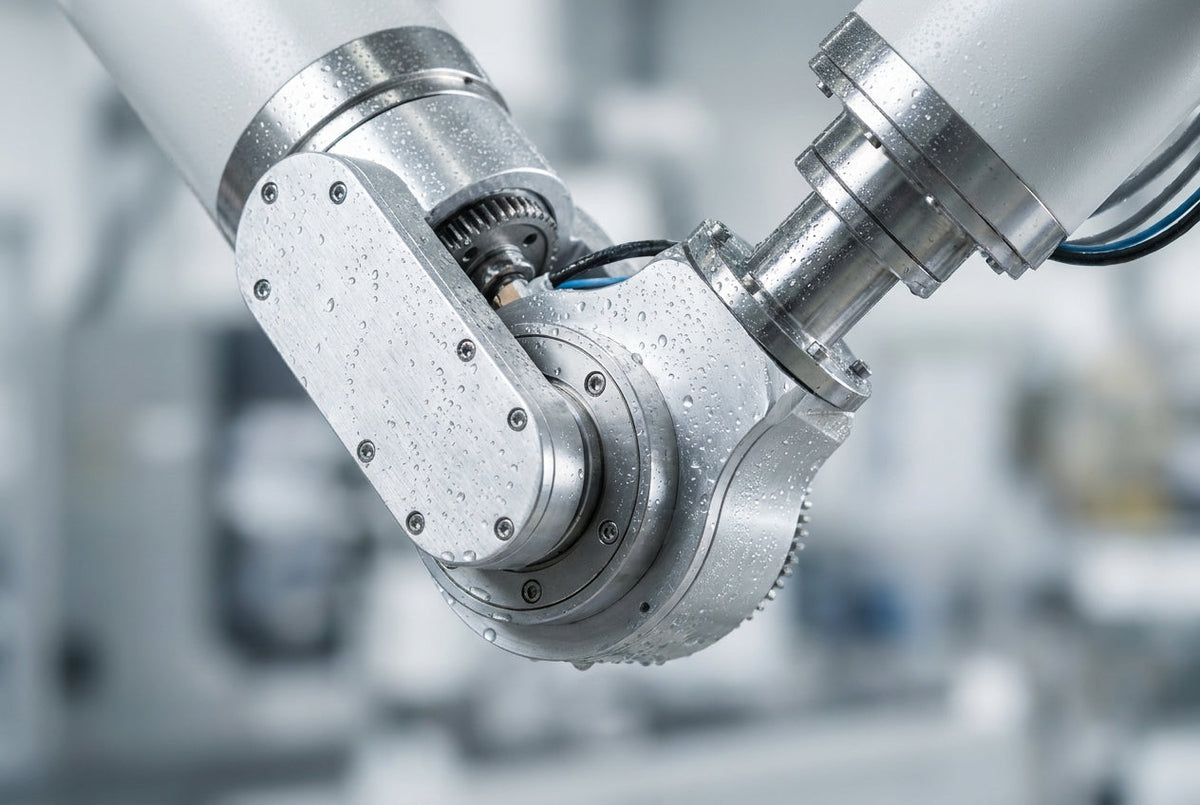
The connection between cleaning and robotics performance is direct and measurable. Effective contamination control prevents the buildup of residue that can physically impede the movement of robotic arms, grippers, and other moving parts. Even a thin layer of grime can increase friction and strain on motors, while debris can interfere with the precise meshing of gears, affecting accuracy.
Proper material interaction between the cleaning solution and the robot's surfaces is equally important. Using a compatible cleaner ensures that no corrosive or abrasive damage occurs, preserving the integrity of protective finishes, seals, and gaskets. This is vital for protecting internal components from environmental contaminants and maintaining the robot's designed operational tolerances.
In applications requiring a high degree of cleanliness, such as medical device or electronics manufacturing, the use of specialized, low-residue chemicals is essential. These cleaners help maintain sterility and prevent cross-contamination without leaving behind harmful chemical residues that could compromise product quality. By mitigating the wear and tear caused by abrasive debris and corrosive agents, consistent maintenance practices directly contribute to a longer operational life for the robotics.
Regulatory, Safety, and Compliance Considerations
When selecting cleaning solutions, it is important to consider the broader regulatory and safety landscape. Opting for products with a low environmental impact can assist with compliance with local and national environmental regulations. Choosing formulations that are biodegradable and free of phosphates or other restricted substances can simplify waste disposal and reporting requirements.
Prioritizing cleaners that are free of volatile organic compounds cuts down on strong fumes in the work area for maintenance teams. This commitment can also support a positive company culture. Products like New-Clear Blast are designed for high-use environments.
Adhering to product label directions is a critical compliance step. This includes using the correct dilution ratios, allowing for proper dwell time, and ensuring adequate ventilation during application. Following these instructions is essential for both safety and effectiveness. Ultimately, making sustainable cleaning choices demonstrates a commitment to environmental stewardship, which can enhance public perception and align with corporate responsibility initiatives.
Selection Checklist for Robotics Cleaning Solutions
Choosing the right cleaner requires a systematic evaluation. Before procuring a cleaning solution for your automation equipment, consider asking the following questions to ensure it meets your operational, safety, and environmental standards:
- Is the cleaner VOC-free? This is essential for limiting VOC exposure for your maintenance personnel and ensuring compatibility with sensitive equipment and work environments.
- Is the solution biodegradable? A biodegradable formula minimizes environmental footprint and aligns with sustainable operational practices, simplifying disposal and reducing long-term ecological impact.
- Does it address relevant industrial soils? The cleaner must be effective against the specific types of grime, grease, oils, and residues found in your facility to be a practical solution.
- Is the chemistry compatible with robotics materials? The solution must be non-corrosive and non-abrasive to prevent damage to plastics, metals, composites, and sensitive electronic components over time.
- Are safety and application guidelines clear? The product should come with clear instructions for use, including requirements for personal protective equipment (PPE), ventilation, and first aid to ensure safe handling and application.
Choosing the Right Cleaning Solution for Robotics Maintenance
The maintenance of industrial robotics is a critical function that directly supports manufacturing uptime, precision, and equipment longevity. Prioritizing effective, compatible cleaning solutions is an investment in the optimal performance of these valuable assets. The right approach to cleaning helps prevent costly, unplanned downtime and extends the operational lifespan of the equipment.
Solutions such as Surgical Strike are formulated to tackle tough industrial soils like grease and stains as part of a comprehensive maintenance program.
If you are dealing with buildup, residues, or tough soil before maintenance or finishing work, CG Chemicals offers practical cleaning solutions for high-use environments. Explore New-Clear Blast and Surgical Strike based on your surface and soil type. These products are designed to help remove grime and buildup as part of a regular maintenance schedule. When using any cleaning product, be sure to use with adequate ventilation, avoid contact with eyes and prolonged skin contact, and always follow label directions.
Sources
- https://www.robotics.org/automation-equipment-cleaning-best-practices
- https://www.fanucamerica.com/support/robotics-support/maintenance-and-service
- https://www.a3automate.org/research-data/resources/
- https://cgchemicalsllc.com/blogs/articles/environmental-impact-cleaning-chemicals
- https://cgchemicalsllc.com/blogs/articles/schools-cleaning-with-toxins
- https://cgchemicalsllc.com/blogs/articles/the-hidden-threat-endocrine-disruptors-in-household-cleaners
- https://cgchemicalsllc.com/blogs/articles/7-safe-and-effective-alternatives-to-bleach-for-daily-cleaning
- https://cgchemicalsllc.com/blogs/articles/cleaners-in-healthcare-facilities
- https://cgchemicalsllc.com/blogs/articles/best-eco-friendly-cleaning-solutions-for-gym-equipment
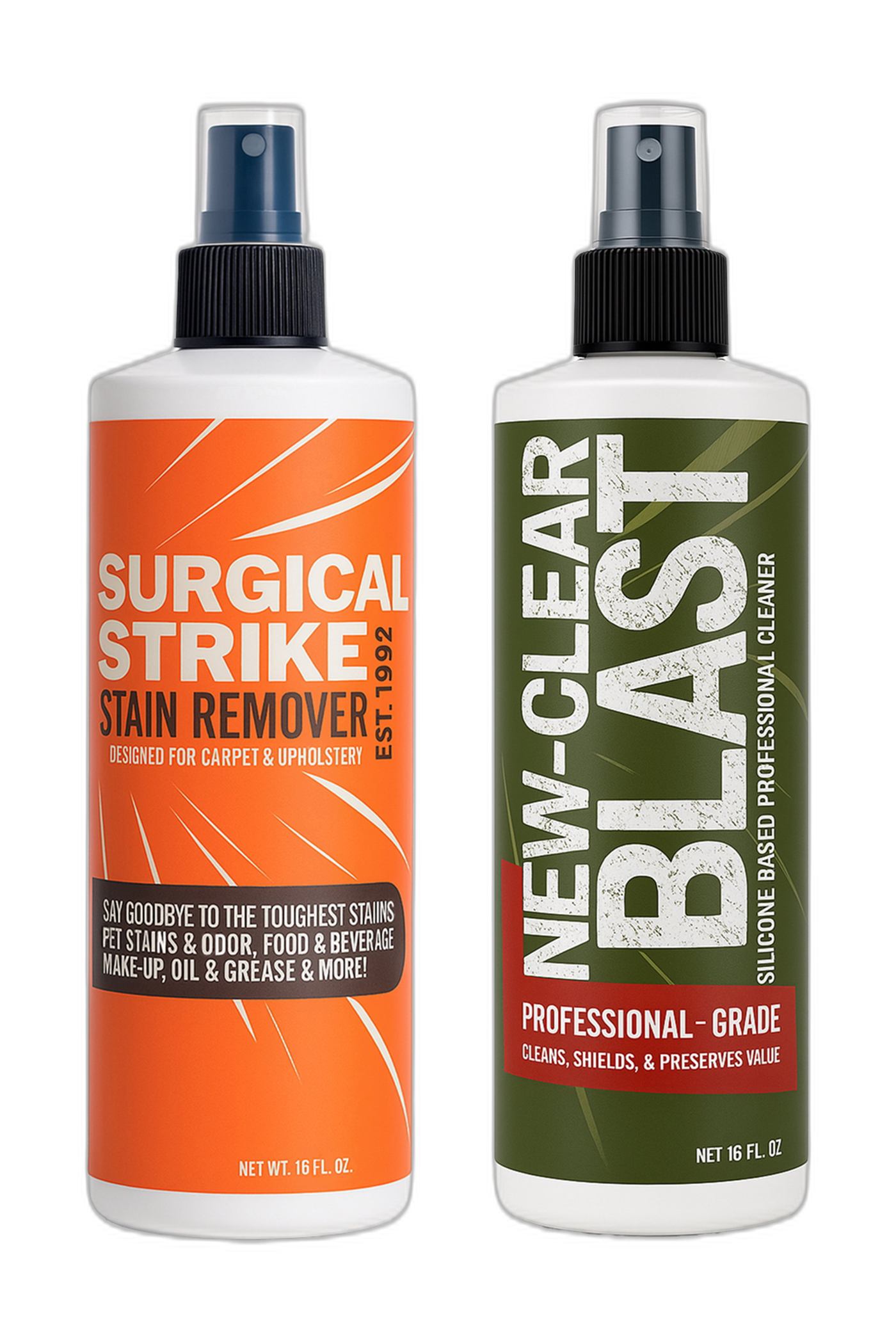
Two formulas. Serious range.
Use Surgical Strike for stains and odor, then New-Clear Blast to clean, shield and preserve hard surfaces.