Key Takeaways
- Sustainable cleaning practices in advanced manufacturing environments assist with maintaining equipment longevity and operational safety.
- Choosing specialized chemistries and following precise protocols supports environmental objectives and operational performance.
- Compliance with established environmental management standards is a key component of modern manufacturing operations.
- Proactive cleaning is part of a strategy to address common failure modes, reduce certain maintenance costs, and maintain asset value.
The Imperative for Sustainable Cleaning in Advanced Manufacturing
The manufacturing sector is progressively adopting sustainable practices to lessen its environmental impact and improve overall resource efficiency. This shift is not merely about compliance; it represents a fundamental change in operational philosophy, where environmental stewardship is integrated with production goals. According to recent industry analysis, sustainable manufacturing is a critical pathway for companies aiming for net-zero emissions.
Integrating sustainable cleaning methods is a practical step that supports wider corporate environmental policies and contributes to tangible operational benefits. By choosing eco-friendly cleaning technologies, facilities can reduce their ecological footprint while creating a more comfortable work environment. This approach aligns with global efforts to build more resilient and responsible supply chains.
Identifying Contaminants and Their Impact on Equipment Longevity
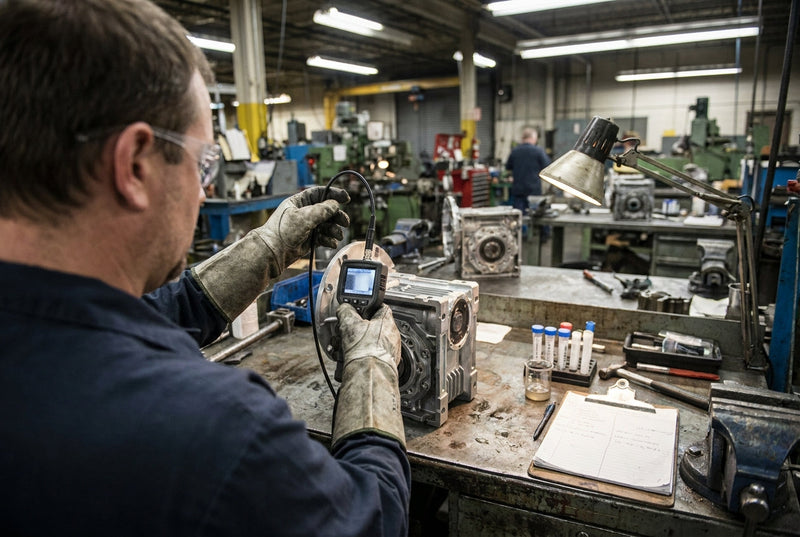
Advanced manufacturing equipment is regularly exposed to a range of contaminants, including hydraulic oils, cutting fluids, greases, particulate matter, and various processing residues. If these substances are not effectively removed, they can contribute to premature wear on components, a reduction in operational efficiency, and degradation of critical surfaces. The buildup of soils can interfere with the precision of automated systems and robotics.
Targeted and effective cleaning is essential for removing specific contaminants to help maintain equipment precision and extend the functional life of assets. A thorough understanding of the types of soils present in an operational environment is the first step in selecting an appropriate cleaning solution and methodology. This diagnostic approach helps ensure that the cleaning process is both effective and efficient.
Specialized Cleaning Solutions for High-Performance Surfaces
Industrial cleaning solutions must be capable of addressing tough, baked-on residues while remaining compatible with the sensitive materials used in advanced manufacturing equipment. The goal is to remove contaminants without causing damage to alloys, composites, or sensitive electronic components. The selection of the right chemistry is critical for the maintenance of high-performance surfaces.
Solutions such as New-Clear Blast are designed for multi-surface cleaning, making them suitable for a variety of materials common in manufacturing settings. For more challenging applications involving heavy-duty degreasing or stubborn stain removal, a product like Surgical Strike can be used to target difficult soils. Using appropriate chemistries as part of a maintenance plan helps prepare surfaces without compromising equipment integrity.
Implementing Optimized Cleaning Protocols for Operational Excellence
Achieving operational excellence in demanding manufacturing environments requires more than just effective cleaning agents. It involves establishing routine, precise cleaning schedules and standardized application methods. A systematic approach helps ensure consistency and reliability in maintenance outcomes. Consistent protocols are a cornerstone of efficient production, as they minimize variables that can affect equipment performance.
Proper surface preparation is a critical step before any maintenance or finishing work. Integrating cleaning into preventative maintenance schedules is a practical strategy to reduce unscheduled downtime and operational disruptions. A clean substrate is fundamental for the proper application of lubricants, coatings, or other surface treatments. This consistent application of cleaning protocols contributes to a more organized and efficient operational workflow.
Regulatory Compliance and Environmental Management Systems
Adherence to recognized environmental management standards, such as ISO 14001, provides a framework for manufacturers to implement and document sustainable operational practices. These standards require a systematic approach to identifying, managing, and mitigating environmental risks, including those related to cleaning chemical usage and waste disposal.
A core component of compliance is ensuring worker safety. This involves proper handling of cleaning solutions, providing adequate ventilation in work areas, and using appropriate personal protective equipment. Regular internal audits and a commitment to continuous improvement are essential for maintaining compliance and consistently enhancing environmental performance over time.
When using any cleaning solution, always follow label directions. Use with adequate ventilation, avoid contact with eyes and prolonged skin contact, and keep out of reach of children.
Preventing Equipment Failure Through Proactive Cleaning
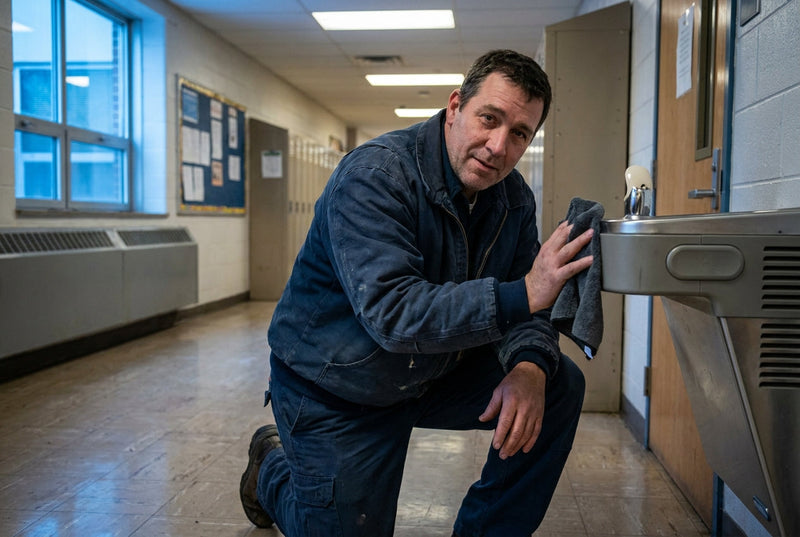
Many common equipment failure modes are linked to inadequate cleaning. Issues such as accelerated corrosion, abrasive wear from particulate buildup, and compromised sensor accuracy can often be traced back to the accumulation of contaminants. These problems can disrupt production and lead to costly repairs and replacements.
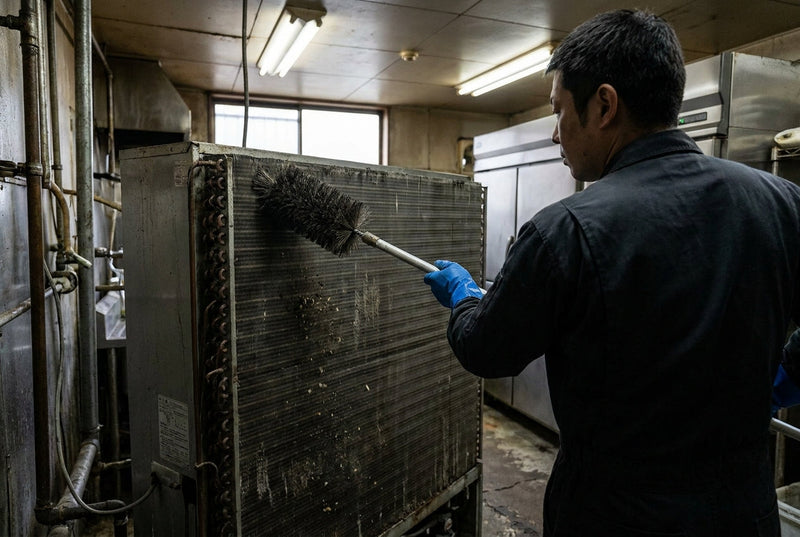
A proactive cleaning regimen removes corrosive agents and abrasive particles, which helps preserve critical components and extend their operational life. Regularly scheduled cleaning and maintenance assist in preventing the kind of accumulation that can lead to operational inefficiencies. By addressing contamination early, operators can help prevent a cascade of issues that might otherwise lead to significant downtime and production losses.
Mechanism-to-Outcome Map: Surface Chemistry and Performance
The effectiveness of any cleaning solution is determined by its chemical interaction with specific contaminants and the material properties of the surface being cleaned. The goal is to break down and lift away soils without harming the base material. This controlled chemical reaction is fundamental to preparing surfaces for subsequent operations or coatings.
This interaction is critical for maintaining surface integrity, preventing the re-deposition of soils, and helping to extend the functional life of components. A proper understanding of how cleaning agents work at a molecular level ensures that residues are fully removed. Incomplete cleaning can leave behind films that may interfere with later processes or contribute to long-term material degradation.
Selecting Sustainable Cleaning Solutions for Industrial Environments
When choosing cleaning products for industrial use, decision-makers should conduct a thorough evaluation. Key factors include a product's environmental impact profile, its effectiveness against the specific soil types present, and its compatibility with the advanced materials used in modern equipment. This balanced assessment helps align cleaning practices with both operational efficiency and corporate sustainability objectives.
It is often practical to prioritize solutions that offer broad utility across multiple surfaces and applications while still meeting specific operational demands. Consider the long-term benefits that come from sustained equipment performance, reduced waste generation, and lower worker exposure to harsh chemicals. A comprehensive evaluation supports the selection of cleaning solutions that contribute positively to the overall manufacturing ecosystem.
Clean and prep surfaces with CG Chemicals
If you are dealing with buildup, residues, or tough soil before maintenance or finishing work, CG Chemicals offers practical cleaning solutions for high-use environments. Explore New-Clear Blast and Surgical Strike based on your surface and soil type.
- Use with adequate ventilation.
- Avoid contact with eyes and prolonged skin contact.
- Keep out of reach of children.
- Follow label directions.
Sources
- https://www.mckinsey.com/capabilities/operations/our-insights/sustainable-manufacturing-the-path-to-net-zero
- https://www.sme.org/technical-resources/articles/2022/green-cleaning-technologies-for-manufacturing-efficiency/
- https://www.iso.org/iso-14001-environmental-management.html
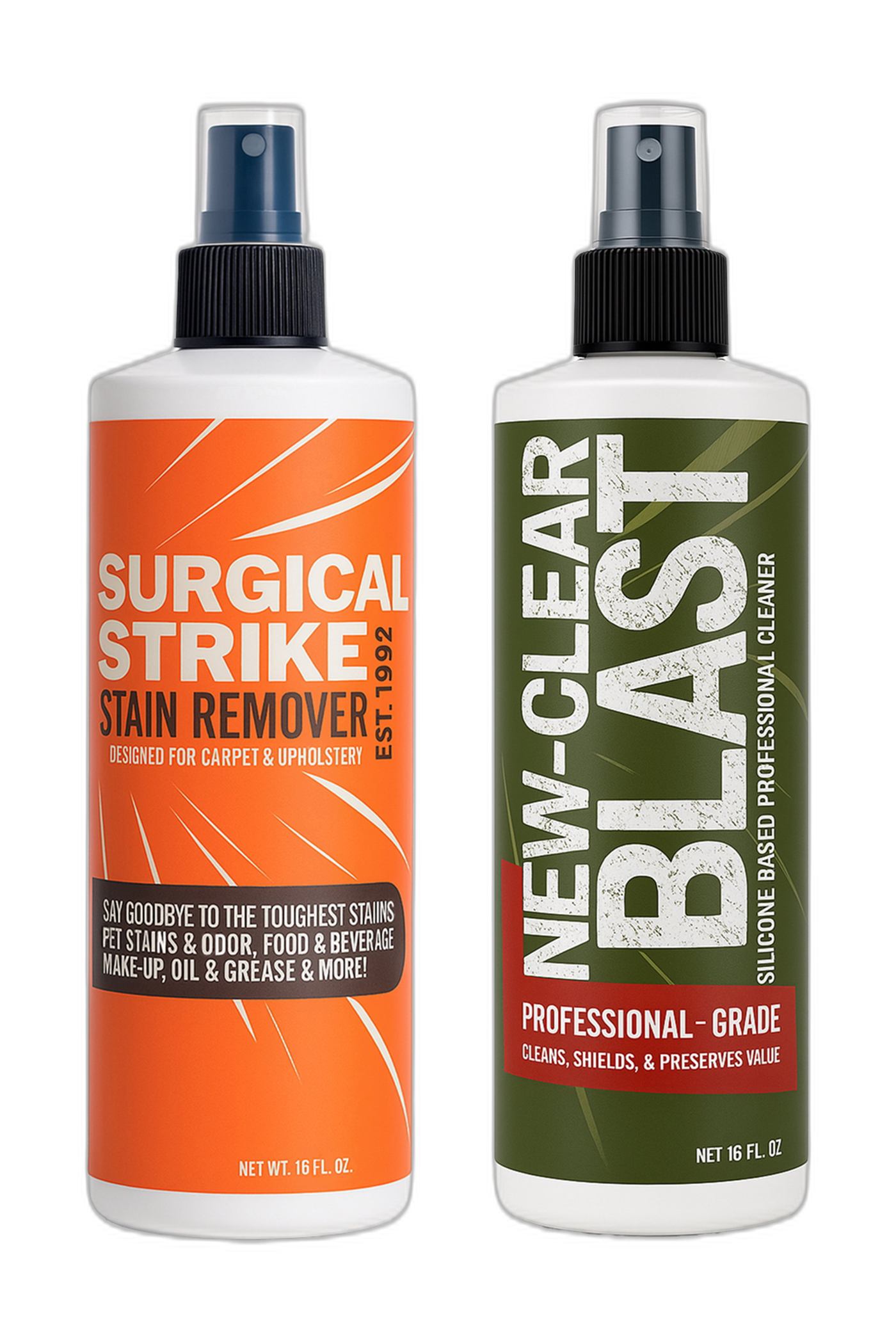
Two formulas. Serious range.
Use Surgical Strike for stains and odor, then New-Clear Blast to clean, shield and preserve hard surfaces.