Maintaining cleanliness and hygiene in theme parks and entertainment venues is a complex operational challenge that directly impacts guest safety, satisfaction, and the longevity of valuable assets. Unlike typical public spaces, these environments feature intricate ride mechanisms, diverse materials, and constant exposure to the elements, all while managing extremely high guest turnover. A robust cleaning strategy must be integrated into the attraction's entire lifecycle, from design to daily operation.
Key Takeaways for Theme Park Cleaning Management
Effective cleaning management in entertainment attractions is a core component of operational safety and guest experience. It moves beyond simple janitorial work and becomes an integral part of asset management and risk mitigation. For facility managers and procurement teams, understanding these key principles is essential for developing successful hygiene protocols.
- Integrated Lifecycle Management: Amusement ride cleaning is not an afterthought. It must be woven into the ride's complete lifecycle, which includes design, maintenance, operation, and inspection. Cleaning protocols should be considered as part of the overall asset preservation strategy.
- Material Compatibility is Crucial: Cleaning chemistries must be compatible with the specific design materials, engineered surfaces, and any major modifications made to a ride. Incompatible solutions can cause cosmetic damage or compromise structural integrity over time.
- Hygiene Program Focus: Successful hygiene programs prioritize high-touch surfaces like restraints and queue rails, implement frequent cleaning cycles during operating hours, and maintain a rapid response capability for spills and other incidents.
- Cleaning as Safety Culture: Guest-facing cleanliness is a visible and critical component of a park's overall safety culture. Industry bodies view standardized safety practices as central to attraction operations.
The Unique Challenges of Theme Park and Entertainment Attraction Hygiene
Theme parks present a unique set of cleaning challenges that distinguish them from other high-traffic venues. The combination of high guest density, complex mechanical equipment, and diverse environmental conditions requires specialized cleaning strategies. Operators must manage hygiene across a wide range of materials, from the metals and plastics of ride vehicles to the specialized decorative finishes of immersive environments.
Unlike sports arenas or shopping centers, theme park attractions must balance stringent guest safety and hygiene standards with the preservation of aesthetic appeal and the need for maximum operational uptime. A ride that is out of service for cleaning is a ride that is not delivering value. Therefore, cleaning protocols must be both effective and efficient, minimizing downtime while delivering consistent results.
Furthermore, cleaning processes must account for the specific design and engineering of each attraction. Protocols must be developed with consideration for moving parts, sensitive electronics, and engineered surfaces specified during the ride's design and lifecycle management. This integration ensures that cleaning activities support, rather than hinder, the long-term reliability and safety of the attraction.
Regulatory, Safety, or Compliance Considerations for Attractions
In the amusement and attractions industry, cleaning is managed as a vital component of ride lifecycle safety and operations, not merely as a separate housekeeping task. This approach is reinforced by industry standards and best practices that prioritize guest well-being and operational integrity. A disciplined approach to cleaning contributes directly to the park's overall safety culture and demonstrates a commitment to operational excellence.
The ASTM International Committee F24 on Amusement Rides and Devices develops technical standards that are central to the industry. These standards provide comprehensive guidelines covering the design, manufacturing, operation, maintenance, and inspection of attractions. Industry safety bodies, including the International Association of Amusement Parks and Attractions (IAAPA), recognize these ASTM standards as foundational to safe operations and positive guest experiences.
Cleaning protocols fall within this broader framework, as the choice of cleaning agents and methods can impact ride materials and surfaces over time. As part of a ride's lifecycle management, proper cleaning helps maintain the asset as specified by the manufacturer, supporting compliance with established operational guidelines.
Failure Modes and Operational Risks in Attraction Cleaning
The wrong approach to cleaning can introduce significant operational risks, leading to asset damage, compromised guest safety, and negative impacts on the visitor experience. One of the most common failure modes is using incompatible cleaning chemistries. Aggressive or unsuitable cleaners can damage engineered surfaces, plastics, decals, and coated metals, leading to costly repairs and a degraded aesthetic appearance.
Another risk involves procedural failures. Inadequate contact time for cleaning or disinfecting solutions on high-touch surfaces can render them less effective, failing to achieve the intended level of cleanliness. Similarly, poor cross-contamination prevention practices, such as using the same cleaning cloths or mops across different zones like restrooms and ride vehicles, can spread grime and contaminants rather than remove them.
Finally, residue buildup from improper cleaning agents or insufficient rinsing can create its own set of problems. Tacky or slippery surfaces can be unappealing or unsafe for guests, while accumulated residue can potentially interfere with the smooth operation of certain ride mechanisms. These failures underscore the need for carefully selected products and well-defined, consistently executed protocols.
Mechanism-to-Outcome Map: Optimizing Cleaning Chemistry and Protocols
A successful theme park hygiene program is built on a clear understanding of how specific actions (mechanisms) lead to desired results (outcomes). By optimizing cleaning chemistry and protocols, operators can create a reliable system that protects assets and guests.
- Mechanism: Material Compatibility. Selecting cleaners verified to be compatible with ride components. Outcome: This practice maintains the design integrity of the attraction, preventing degradation of plastics, metals, and finishes.
- Mechanism: Precise Contact Time. Adhering to manufacturer-specified dwell times for cleaning solutions. Outcome: This allows the chemistry to effectively lift and remove soils and contaminants, supporting a thorough and consistent clean.
- Mechanism: Process Controls. Implementing tool hygiene standards, color-coded systems, and designated cleaning zones. Outcome: These controls limit the spread of dirt and microbes, preventing cross-contamination between different areas of the park.
- Mechanism: Strategic Protocols. Focusing frequent cleaning on high-touch surfaces and developing rapid-response plans for spills. Outcome: This contributes directly to consistent guest safety and operational reliability, preserving the intended park experience.
Prioritizing High-Touch Surfaces and High-Traffic Zones
In an environment with thousands of daily visitors, a targeted approach to cleaning is essential for both efficiency and effectiveness. The highest priority should be given to high-contact zones where the potential for soil and contaminant transfer is greatest. These areas include ride vehicles, safety restraints, lap bars, handlebars, queue rails, and any interactive touch points within an attraction or exhibit.
These surfaces require frequent cleaning and, where appropriate, disinfection throughout the operating day. Leading operators often establish defined cycles for enhanced cleaning of these targeted areas to maintain consistent standards. An effective operational cleaning program also includes rapid response protocols for addressing spills, trash, and other unexpected messes. Quick action is vital to protect guest safety and preserve the immersive experience the park aims to create.
Beyond the rides themselves, other high-traffic zones demand rigorous attention. Restroom Facilities and food-adjacent areas, such as outdoor seating and condiment stations, must undergo daily deep cleaning cycles to meet health and hygiene standards. A comprehensive plan addresses both the routine and responsive needs of the entire park environment.
Chemistry Selection: Compatibility, Residue Control, and Odor Management
The selection of cleaning chemistry is a critical decision that impacts asset longevity, operational efficiency, and guest perception. The primary consideration must be compatibility with the diverse and often specialized materials used in amusement rides and attractions. Products must be compatible with everything from fiberglass and stainless steel to custom plastics and vinyl decals, including any major modifications made to the attraction over its lifecycle.
Effective solutions for theme parks are designed to remove common soils like sunscreen, food residues, grease, and general grime without leaving behind films or residues. Selecting cleaning chemistries that rinse cleanly and minimize residue helps preserve the integrity and appearance of surfaces. This is particularly important for maintaining the aesthetic quality of themed environments and ensuring the proper function of mechanical parts.
Finally, powerful cleaning solutions can also help manage and reduce odors in high-traffic areas, enclosed queues, and restrooms, which significantly improves the overall guest experience. For general surface cleaning and preparation, a multi-surface cleaner like New-Clear Blast can be a practical choice. For tougher challenges involving stains or odors, a specialized solution like Surgical Strike may be used as part of the maintenance protocol. Always follow label directions and test on a small, inconspicuous area first.
Operational Best Practices for Cross-Contamination Prevention
A strong attractions cleaning program relies on disciplined operational practices to limit the spread of contaminants. This requires more than just effective chemistries; it demands well-defined processes and consistent staff execution. A foundational element is adhering to specified contact times for cleaning and disinfecting agents to ensure they can work as intended. This, combined with routine deep cleans of all areas, creates a baseline of hygiene.
To prevent cross-contamination, many facilities implement dedicated cleaning tools and color-coded systems. For example, red cloths and mops may be designated for restrooms, while green is used for food areas and blue for ride vehicles. This simple visual system helps prevent the transfer of microbes from a high-risk area to a low-risk one. Proper tool hygiene, including regular cleaning and disinfection of the tools themselves, is also essential.
Staff training is the glue that holds these practices together. Team members must be trained on proper cleaning techniques, the rationale behind contact times, correct handling and disposal of waste, and personal protective equipment protocols. Ensuring that disinfected surfaces remain wet for the recommended duration, which can be 30 seconds or more depending on the product, is a key detail that training must reinforce.
Selection Checklist for Theme Park Cleaning Solutions
When procuring cleaning solutions for a theme park or entertainment venue, operators should use a systematic checklist to ensure the products align with their unique operational needs. This helps balance performance, safety, and cost-effectiveness.
- Material Compatibility: First, ensure the solution is compatible with all ride materials. This includes metals, plastics, fiberglass, vinyl, painted surfaces, and decals. Always request documentation or test in a small area to prevent costly damage to assets.
- Efficacy on Relevant Soils: Verify the product's effectiveness against the specific soils common to your environment. This typically includes sunscreen, body oils, food and beverage residues, grease, and general grime from high foot traffic.
- Residue and Drying Time: Prioritize solutions that rinse cleanly and support quick drying times. This minimizes attraction downtime, maintains guest flow, and leaves surfaces with a clean, non-tacky feel.
- Designed for High-Traffic Use: Consider products that are formulated for use in demanding, high-traffic environments. These solutions are often concentrated for economic use and designed for efficient application, contributing to a more productive cleaning process.
Clean and prep surfaces with CG Chemicals
If you are dealing with buildup, residues, or tough soil before maintenance or finishing work, CG Chemicals offers practical cleaning solutions for high-use environments. Explore New-Clear Blast and Surgical Strike based on your surface and soil type.
Sources
- https://store.astm.org/f3559-23.html
- https://store.astm.org/f2291-24.html
- https://www.asean.org/wp-content/uploads/2022/01/Final-ASEAN-Guidelines-_THEME_V1.1.pdf
- https://iaapa.org/safety/safety-guidelines/ASTM
- https://disneyworld.disney.go.com/faq/parks/park-cleanliness/
- https://www.iaapa.org/news/safety-first-ensuring-a-safe-and-clean-experience-for-guests
- https://www.astm.org/membership-participation/technical-committees/committee-f24
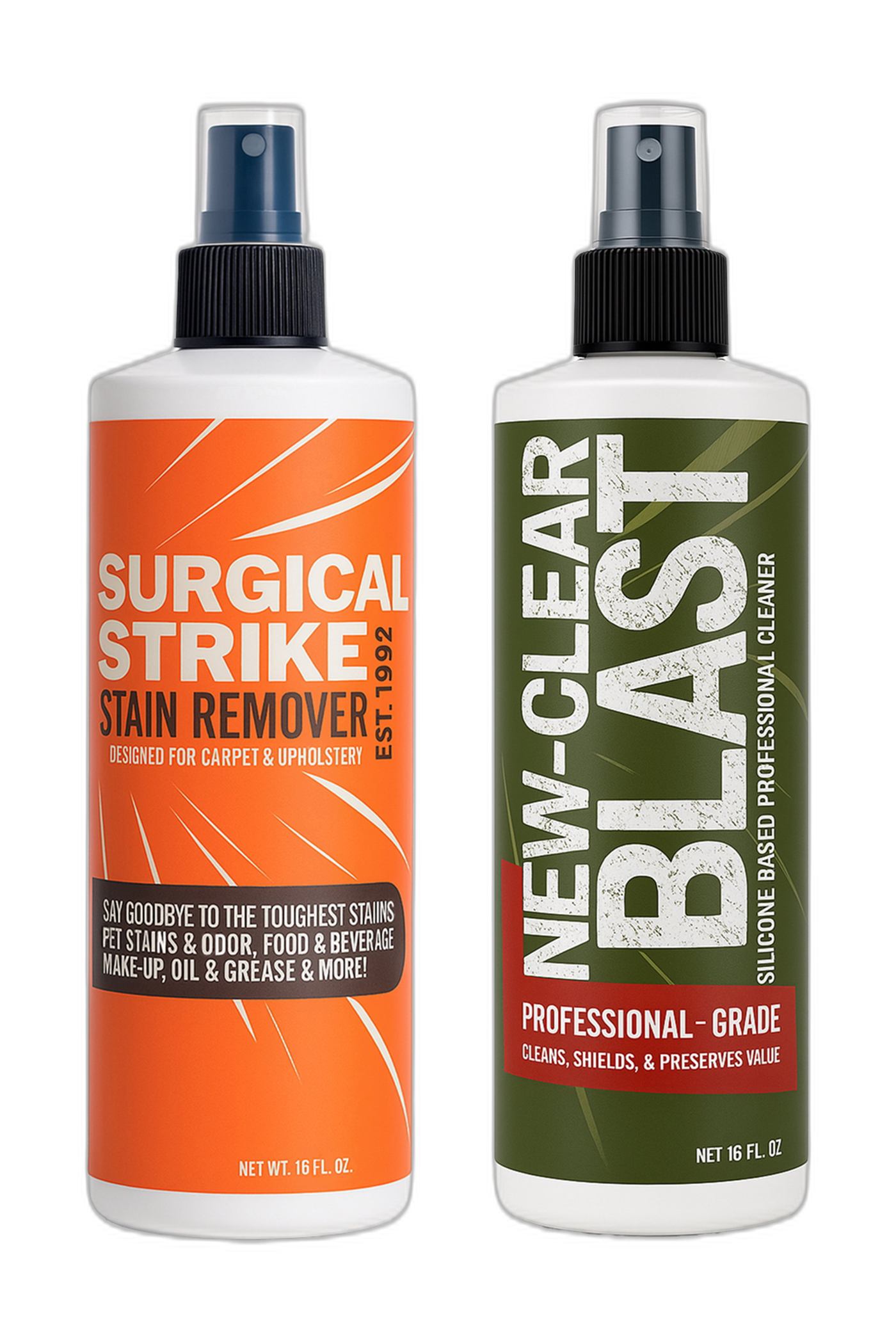
Two formulas. Serious range.
Use Surgical Strike for stains and odor, then New-Clear Blast to clean, shield and preserve hard surfaces.