Operating and maintaining recreational watercraft and marina facilities involves a constant battle against the elements. Salt, sun, bird waste, and operational spills create unique cleaning challenges that demand effective protocols and appropriate chemistries. For individual boat owners and marina operators, the goal is not just cleanliness but also the preservation of asset value, material integrity, and environmental stewardship. This guide provides practical insights into cleaning protocols for above-the-waterline surfaces and associated marina infrastructure.
Key Takeaways for Marine Cleaning and Maintenance
Effective cleaning in a marine environment balances the need for performance with environmental responsibility. The primary goal is to remove contaminants without harming vessel surfaces or the surrounding aquatic ecosystem. Adhering to established best practices helps operators maintain compliance and protect their assets.
- The safest cleaning approach for recreational boats is above the waterline and on land. This practice helps to contain runoff and prevent contaminants from entering the marina basin.
- The EPA recommends using biodegradable or low-toxicity cleaners to minimize impact on aquatic habitats when selecting cleaning compounds.
- Marinas should provide dedicated washdown areas, pumpout facilities, and clearly marked disposal systems. This infrastructure is critical for reducing sewage, wastewater, and cleaning runoff that could otherwise enter waterways.
- All solid wastes from boat operation, cleaning, and maintenance must be properly collected and disposed of to prevent them from entering surface waters.
The Demands of Marine Environment Cleaning
The marine environment presents a formidable challenge for surface maintenance. Recreational watercraft and marina infrastructure are under constant assault from corrosive salt spray, intense ultraviolet (UV) radiation from the sun, and a variety of biological and chemical contaminants. These factors accelerate the degradation of materials like gelcoat, vinyl, wood, and metal, diminishing both their appearance and structural integrity.
Maintaining aesthetic value is crucial, as a clean and well-kept boat or marina is more enjoyable and retains its value better. However, the cleaning protocols must be carefully considered. Performing cleaning activities on land whenever possible is a key strategy to minimize environmental impact. By containing wash water and debris, operators prevent harmful substances from flowing directly into sensitive waterways. This applies to the above-the-waterline surfaces of pleasure boats, yachts, and small commercial vessels, as well as the docks, walkways, and service areas of the marina itself.
Failure Modes or Operational Risks in Marine Cleaning
Using improper cleaning methods or harsh chemicals can lead to significant operational risks and costly damage. One of the most common failure modes is the degradation of sensitive surfaces. Aggressive cleaners can strip wax, dull gelcoat finishes, and cause vinyl seats and covers to become brittle and crack over time. This not only affects the vessel's appearance but can also expose underlying materials to further damage.
Another major risk involves environmental contamination. When boats are cleaned in the water, residues from cleaners, along with dislodged grime, oil, and other pollutants, can be discharged directly into the marina basin. This uncontrolled runoff can harm aquatic life and degrade water quality, potentially leading to regulatory penalties. Even on land, runoff from washdown activities must be managed to prevent these substances from reaching storm drains and eventually the local waterways. Finally, the accumulation of salt, bird droppings, and fuel residue can cause long-term material damage and create persistent odors if not addressed with effective and regular cleaning.
Mechanism-to-Outcome Map for Effective Marine Cleaning
A structured approach to marine cleaning connects specific actions to positive outcomes, promoting both asset protection and environmental health. Implementing these mechanisms helps create a more sustainable and efficient maintenance program.
- Mechanism: Onshore cleaning and runoff containment. By moving vessels to designated washdown areas on land, operators can capture wash water and debris. Outcome: Reduced contamination of waterways. This practice is a fundamental step in preventing pollutants from entering the marina basin and surrounding waters.
- Mechanism: Selection of biodegradable and low-toxicity cleaners. Choosing cleaning compounds designed to break down naturally with reduced toxicity is a critical part of an environmentally responsible plan. Outcome: Minimized impact on aquatic habitat. These cleaners help protect marine life and preserve water quality, aligning with clean marina principles.
- Mechanism: Implementation of dedicated washdown areas and proper waste disposal. Establishing specific zones for cleaning, along with infrastructure for waste management, formalizes the process. Outcome: Improved water quality and regulatory compliance. This infrastructure helps manage wastewater and solid waste streams, ensuring adherence to environmental regulations like the Clean Water Act.
Effective Above-Waterline Boat Cleaning Protocols
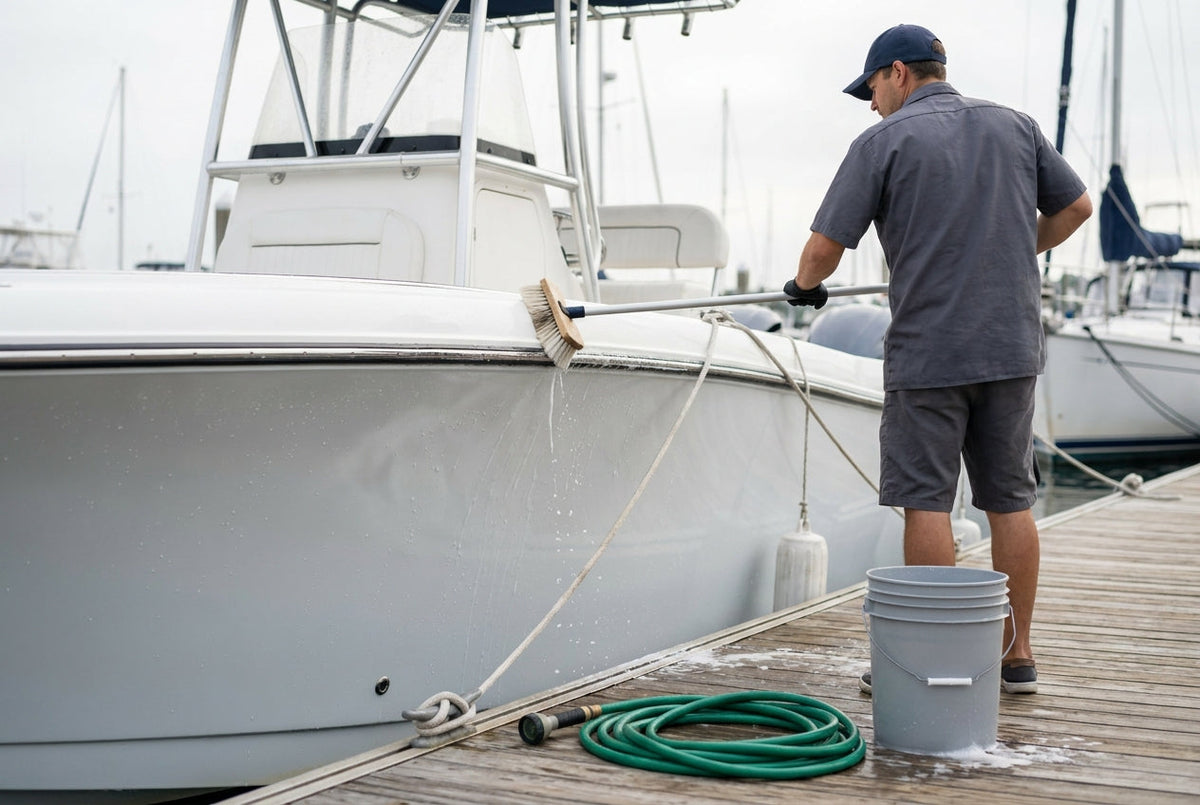
Cleaning protocols should focus on the parts of the boat that remain out of the water during normal operation. This includes decks, topsides, windows, railings, and upholstery. A systematic approach ensures that all surfaces are addressed without causing damage or undue environmental impact. For routine cleaning, hand washing is a recommended practice that allows for targeted application and helps reduce excess runoff.
Whenever feasible, boats should be removed from the water and cleaned in designated areas. These areas are designed to capture wash water and debris, which can then be disposed of properly according to local regulations. This is particularly important when dealing with accumulated grime or preparing surfaces for waxing or other maintenance. Using gentle yet effective solutions is key to cleaning materials like gelcoat, vinyl, stainless steel, and fiberglass without causing abrasion, dulling, or chemical damage.
For these applications, CG Chemicals offers practical cleaning and surface-prep solutions. For general grime and salt removal, New-Clear Blast is a multi-surface cleaner that helps remove buildup and supports routine maintenance. For more difficult jobs like fuel stains or bird droppings, Surgical Strike works as a degreaser, stain and odor remover. Proper selection helps support the longevity of the vessel’s finishes.
Maintaining Marina Facilities and Washdown Areas
The cleanliness and safety of the surrounding marina facilities are just as important as the boats themselves. Docks, piers, and service areas are subject to the same harsh conditions and require regular maintenance to address grime, fuel spills, bird waste, and other residues. A clean, well-maintained facility enhances the user experience and reflects a commitment to operational excellence.
Dedicated washdown areas are a cornerstone of a modern, environmentally conscious marina. These areas should be designed to contain runoff, preventing contaminants from entering the water. Ideally, washdown systems should include features for filtering and recirculating wash water or routing it to an appropriate wastewater treatment system. In addition, providing clearly marked and accessible disposal systems for oil, solvents, and solid waste is essential for preventing pollution and ensuring regulatory compliance.
Addressing Common Marine Contaminants
Recreational watercraft are constantly exposed to a unique mix of contaminants that can dull a boat's appearance and damage its surfaces over time. Salt spray leaves a corrosive residue that can etch glass and pit metal. Bird droppings are acidic and can quickly damage gelcoat and paint if not removed promptly. Fuel and oil drips not only create stains but can also soften and degrade vinyl and other plastic components. General grime from foot traffic and atmospheric pollutants adds to the buildup.
Removing these specific contaminants requires solutions that are effective without being destructive. Non-corrosive and surface-appropriate cleaners are necessary to preserve the integrity of marine-grade materials. Choosing the right product supports the longevity of marine assets and reduces the need for costly repairs or refinishing. Solutions designed for high-use environments are well-suited to help manage the persistent residues and buildup common in marine settings.
Selection Checklist for Marine Cleaning Products
Choosing the right cleaning products is critical for achieving desired results while protecting valuable assets and the environment. Marina operators and boat owners should evaluate products based on their suitability for the unique demands of the marine setting.
- Prioritize cleaners designed for above-the-waterline use on recreational and small commercial vessels to ensure they are formulated for common marine surfaces.
- Look for products described as low-toxicity and biodegradable, as these are more suitable for use in and around marine environments where minimizing aquatic impact is essential.
- Confirm product suitability for specific surfaces, including gelcoat, vinyl, fiberglass, and painted areas, to avoid discoloration, dulling, or other damage.
- Choose solutions that are effective against typical marine contaminants such as salt residue, bird droppings, fuel spills, and general grime.
Regulatory, Safety, and Compliance Considerations
Compliance with environmental regulations is a non-negotiable aspect of marina and boating operations. The EPA actively regulates vessel sewage discharges and has established No-Discharge Zones (NDZs) in many sensitive or high-traffic recreational waters to protect water quality. Marina operators must provide and maintain adequate facilities for the proper disposal of liquid materials, such as oil and harmful solvents. When using any cleaning agent, always follow label directions, use with adequate ventilation, and keep products out of reach of children.
Regulations also require that all solid wastes generated from boat operation, cleaning, and maintenance be collected and disposed of correctly to prevent them from entering surface waters. Beyond federal regulations, industry organizations like the Association of Marina Industries (AMI) provide valuable resources and best practices that promote sustainability and environmental stewardship within the marina community. Staying informed on these guidelines helps ensure a safe, compliant, and responsible operation.
Sources
- https://www.epa.gov/sites/default/files/2015-09/documents/marinashdbk2003-2_0.pdf
- https://archive.epa.gov/water/archive/web/html/point9.html
- https://www.epa.gov/sites/default/files/2015-10/documents/2001_10_30_nps_mmsp_section4.pdf
- https://www.epa.gov/sites/default/files/2016-03/documents/2001_10_30_nps_mmsp_appendices.pdf
- https://nepis.epa.gov/Exe/ZyPURL.cgi?Dockey=20004KEK.TXT
- https://www.epa.gov/vessels-marinas-and-ports/vessel-sewage-discharges

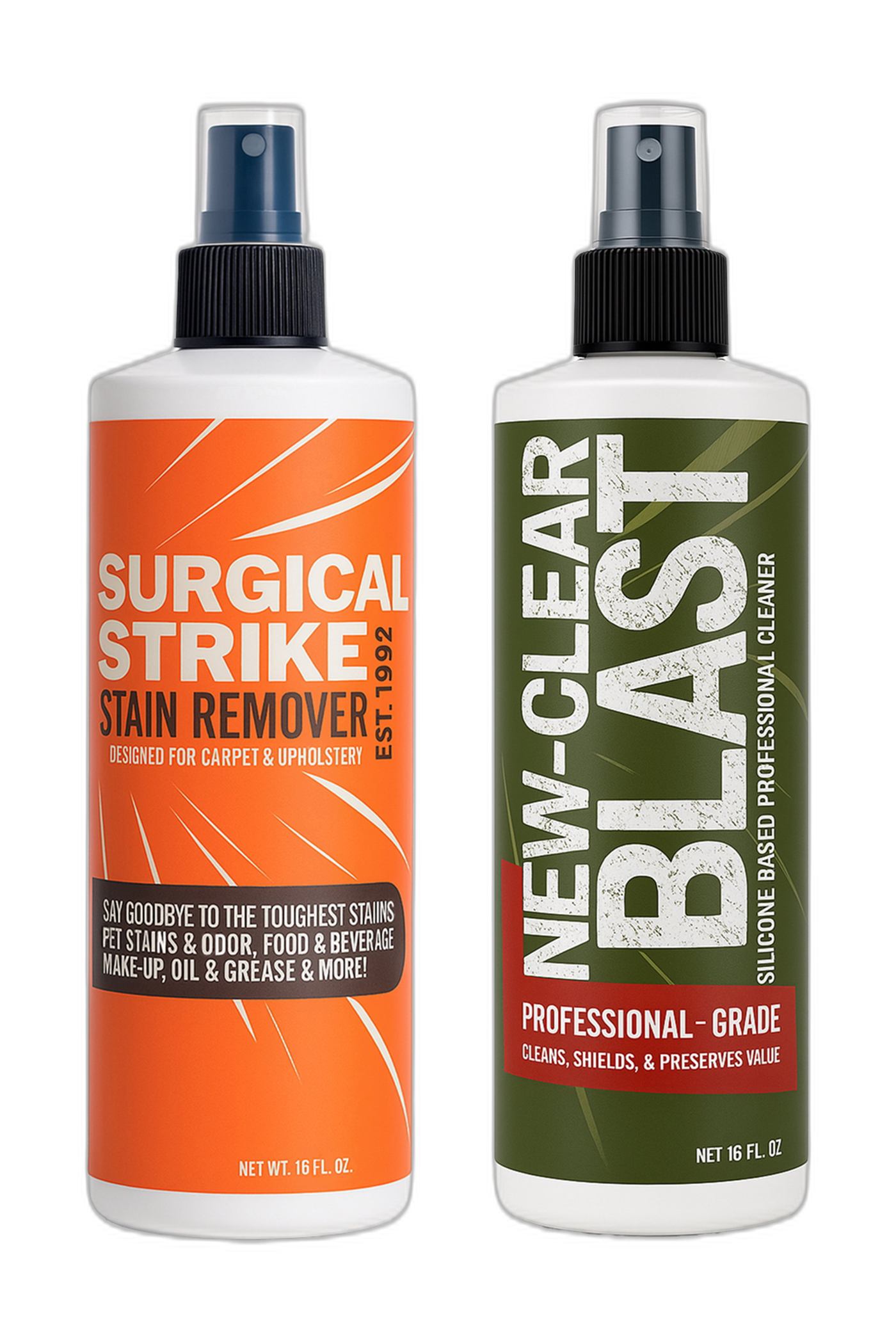
Two formulas. Serious range.
Use Surgical Strike for stains and odor, then New-Clear Blast to clean, shield and preserve hard surfaces.