The preservation of cultural heritage objects housed in museums and galleries depends on a delicate balance of environmental control, preventative conservation, and, when necessary, direct intervention. Cleaning artifacts is a task of immense responsibility, where the primary objective is to remove harmful surface contaminants without altering the object's physical or chemical integrity. This requires specialized, non-invasive techniques that prioritize the long-term stability and readability of priceless items.
The Imperative of Non-Invasive Cleaning for Cultural Heritage
Non-invasive cleaning in a conservation context refers to methods that remove unwanted materials like dust, grime, or pollutants without damaging or changing the original artifact. The core principle is subtraction without alteration. Every decision must weigh the potential benefit of removing a harmful substance against the risk of causing irreversible damage to the object itself. The goal is to preserve both the material composition and the aesthetic value of cultural artifacts for future generations.
International conservation bodies provide a foundational framework for these practices, guiding conservators on ethical and scientifically sound approaches to preservation. These guidelines emphasize documentation, material analysis, and a cautious, minimalist approach to any treatment. Before any action is taken, a thorough understanding of the artifact's materials and condition is essential.
Modern conservation relies heavily on advanced cleaning science to categorize methods and assess the potential impact of any intervention. Research focuses on understanding the interactions between cleaning agents and artifact surfaces at a molecular level. This scientific rigor helps professionals select the least invasive method possible, ensuring that the cleaning process supports preservation rather than becoming a source of degradation.
Key Takeaways for Artifact Preservation
Effective artifact preservation integrates a variety of strategies, from environmental control to precise cleaning techniques. For professionals tasked with collection management, understanding these core concepts is critical. Key considerations include:
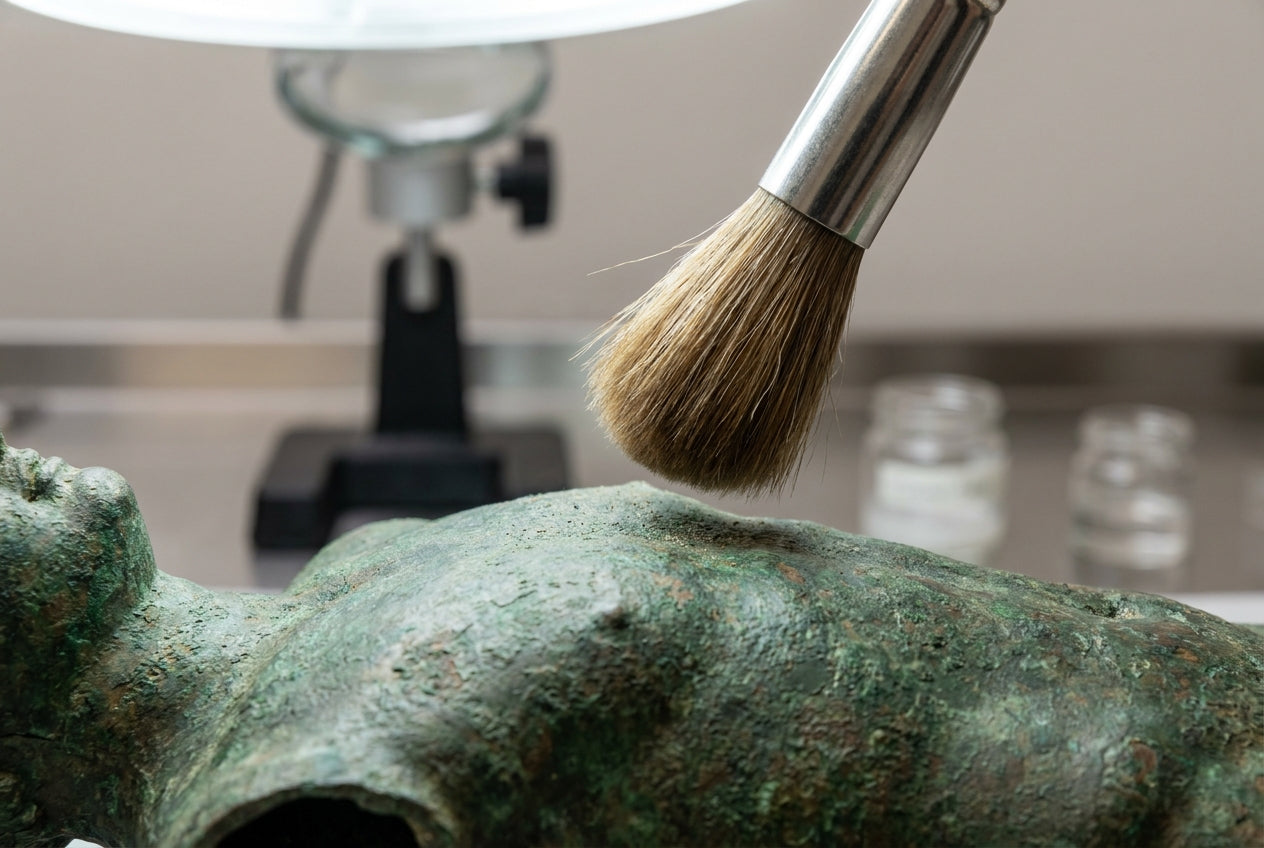
- Mechanical cleaning methods, such as the use of soft brushes and controlled micro-suction vacuums, are often the first and preferred option. These techniques physically lift dust and loose debris without introducing chemicals or liquids that could leave residues or cause reactions.
- When chemical intervention is unavoidable, highly specialized agents are selected based on the specific material. For instance, agents like triammonium citrate have demonstrated effectiveness with minimal damage when cleaning certain plastics like PMMA, which are notoriously sensitive to common solvents.
- Standard household or commercial cleaning products should never be used on or near artifacts. These products frequently contain surfactants, fragrances, and other chemicals that leave behind harmful residues, which can accelerate the deterioration of sensitive materials and contaminate the air in collection spaces.
- Water used in any cleaning process must be purified. Minerals and additives found in tap or bottled water can cause permanent damage, staining, or salt efflorescence on artifact surfaces. Distilled or deionized water is the standard for aqueous cleaning methods in conservation.
- Preventative conservation remains the most effective strategy. Maintaining stable environmental conditions, particularly controlled humidity and temperature, minimizes the chemical and physical degradation of artifacts, reducing the overall need for direct cleaning interventions.
Mitigating Risks: Common Cleaning Failure Modes for Artifacts
While the goal of cleaning is to preserve, improper techniques can lead to significant and often irreversible damage. Understanding common failure modes is crucial for developing safe and effective conservation protocols. A primary risk is the introduction of foreign substances that cause physical or chemical changes. This can happen when cleaning agents leave behind residues that react with the artifact's surface over time, leading to discoloration, embrittlement, or structural failure.
A significant source of this risk comes from using inappropriate products. Household and commercial cleaners are formulated for durability and scent, not for material preservation. Their ingredients can directly harm artifacts and compromise the air quality within a gallery or storage facility, creating a contaminated microenvironment. The use of tap water presents a similar risk, as its mineral content can abrade or leave damaging deposits on delicate surfaces.
Even seemingly safe methods like dry cleaning carry inherent risks. Mechanical actions, such as brushing, can induce micro-scratches or embed particulate matter deeper into a porous surface if not performed with the correct tools and extreme care. The selection of brush material is critical, as overly stiff bristles can cause abrasion, while fibers breaking off can become a new form of contamination.
Precision Techniques: A Mechanism-to-Outcome Map for Artifact Cleaning
Successful artifact cleaning is rooted in a precise understanding of the materials involved, the nature of the soil, and the mechanism of the cleaning method. This allows conservators to map a specific technique to a desired outcome while minimizing unintended consequences. The simplest and often safest approach is mechanical cleaning, which involves the physical removal of surface debris using soft brushes, specialized sponges, or controlled-power vacuums with filtered exhausts.
For more stubborn soils or specific material needs, chemical methods are employed with surgical precision. The choice of solvent or cleaning agent is paramount. For example, research has identified that triammonium citrate can be an effective and minimally damaging agent for cleaning acrylic plastics (PMMA), a common material in modern collections that is very sensitive to many solvents. This level of specificity is key to avoiding damage.
When aqueous cleaning is necessary, the purity of the water is non-negotiable. Using distilled or deionized water ensures that no dissolved minerals or contaminants are introduced to the artifact's surface, preventing the formation of damaging salt deposits. These precision techniques are often validated with non-invasive analysis before and after treatment to confirm their efficacy and safety for the object.
Environmental Controls: Supporting Artifact Stability
The most effective form of artifact preservation is preventative. By controlling the environment in which collections are stored and displayed, institutions can significantly slow the natural processes of degradation and reduce the need for risky, hands-on cleaning interventions. Stable environmental conditions are the cornerstone of a comprehensive preservation strategy.
Key environmental parameters include relative humidity (RH) and temperature. For most mixed collections, a stable RH between 35% and 60% and a consistent temperature range of 16 to 20°C are recommended. Fluctuations outside these ranges can cause materials to expand, contract, warp, or crack. Maintaining this stability is a 24/7 commitment that protects against a wide range of deterioration mechanisms.
These controlled conditions are especially vital for organic materials like wood, paper, textiles, and leather, which are highly responsive to changes in moisture. By keeping the environment stable, the structural integrity of these sensitive materials is supported, preventing issues like mold growth at high humidity or embrittlement at low humidity. Environmental monitoring is thus a critical, ongoing task for any collecting institution.
Selection Checklist for Conservation Cleaning Methods
Choosing an appropriate cleaning method requires a systematic evaluation of the artifact, the soil, and the potential risks. A conservative approach is always recommended. Before proceeding with any treatment, conservators and collection managers should work through a checklist:
- Material and Condition Assessment: What is the artifact made of? Is it porous, fragile, or multi-component? A thorough understanding of its material composition and current state of preservation is the first step in determining the least invasive approach.
- Soil Identification: What is the nature of the contamination? Is it loose dust, greasy residue, or a chemical stain? The type of soil dictates the most effective and gentle removal technique.
- Preservation of Integrity: Will the proposed method preserve the artifact's aesthetic readability and chemical stability? The technique must not alter the original surface, patina, or color.
- Residue and Pollutant Check: Will the cleaning agent or technique leave behind harmful residues? It is critical to ensure that the process does not introduce new pollutants into the collection space that could harm other artifacts.
- Health and Safety Assessment: What are the potential risks to the conservator and the surrounding environment? The occupational health and air quality implications must be assessed, especially when dealing with hazardous materials like mold.
Occupational Health and Air Quality: Compliance in Museum Environments
The preservation of artifacts cannot come at the expense of human health. Occupational health and safety are paramount considerations, particularly when cleaning artifacts that may have hazardous contaminants like fungal infestations or heavy metal residues. Cleaning methods must be designed to protect personnel from exposure to harmful spores, particulates, or chemicals.
Maintaining high air quality within collection spaces is another critical compliance factor. Improper cleaning agents can off-gas volatile organic compounds (VOCs) and other pollutants, which not only pose a risk to staff but can also settle on and damage other items in the collection. A holistic approach to cleaning considers the entire museum ecosystem.
For any cleaning task, following established safety protocols is essential. Best practices include working in well-ventilated areas, using appropriate personal protective equipment (PPE), and ensuring all chemical products are handled according to their label directions. As a general rule: Use with adequate ventilation. Avoid contact with eyes and prolonged skin contact. Keep out of reach of children. Follow label directions.
Maintaining Facility Cleanliness for Optimal Preservation
While direct artifact cleaning requires highly specialized conservation expertise, the general cleanliness of the museum or gallery plays a significant supporting role in long-term preservation. A clean facility helps to control dust and airborne pollutants, reducing the rate at which artifacts become soiled and minimizing the need for direct intervention. Establishing consistent cleaning protocols for display cases, floors, storage areas, and public spaces is a key part of an integrated preservation strategy.
Managing the cleanliness of high-traffic and operational areas helps protect the controlled environments where collections are housed. For facility managers, selecting appropriate cleaning solutions for general maintenance is an important decision. CG Chemicals offers solutions that assist with cleaning and surface preparation in a variety of demanding settings. The full Applications list shows a range of use environments where our products can be used as part of a maintenance plan.
For the upkeep of non-collection areas within Facilities that house valuable artifacts, practical solutions are needed to deal with everyday grime and buildup. CG Chemicals provides products designed for these high-use environments. Depending on the surface and soil type, products like New-Clear Blast for multi-surface cleaning or Surgical Strike for degreasing and stain removal can be used as part of a comprehensive facility maintenance program that supports overall preservation goals.
Clean and prep surfaces with CG Chemicals
If you are dealing with buildup, residues, or tough contamination before maintenance or finishing work, CG Chemicals offers practical cleaning solutions for high-use environments. Explore New-Clear Blast and Surgical Strike based on your surface and soil type.
Sources
- https://www.icom-cc.org/en/resources/publications/
- https://www.nature.com/articles/s40494-023-01113-0
- https://www.youtube.com/watch?v=EuHoIpj20nE
- https://mok.scholasticahq.com/article/36959-cleaning-plasctics-in-museums.pdf
- https://dhpsny.org/blog/dhps-tips-recommended-cleaning-products-collections-spaces%C2%A0
- https://www.getty.edu/conservation/publications_resources/journals/gci_news/gci_news_28_1.html
- https://adk.elsevierpure.com/en/publications/evaluation-of-cleaning-methods-for-fungal-infested-museum-artefac/
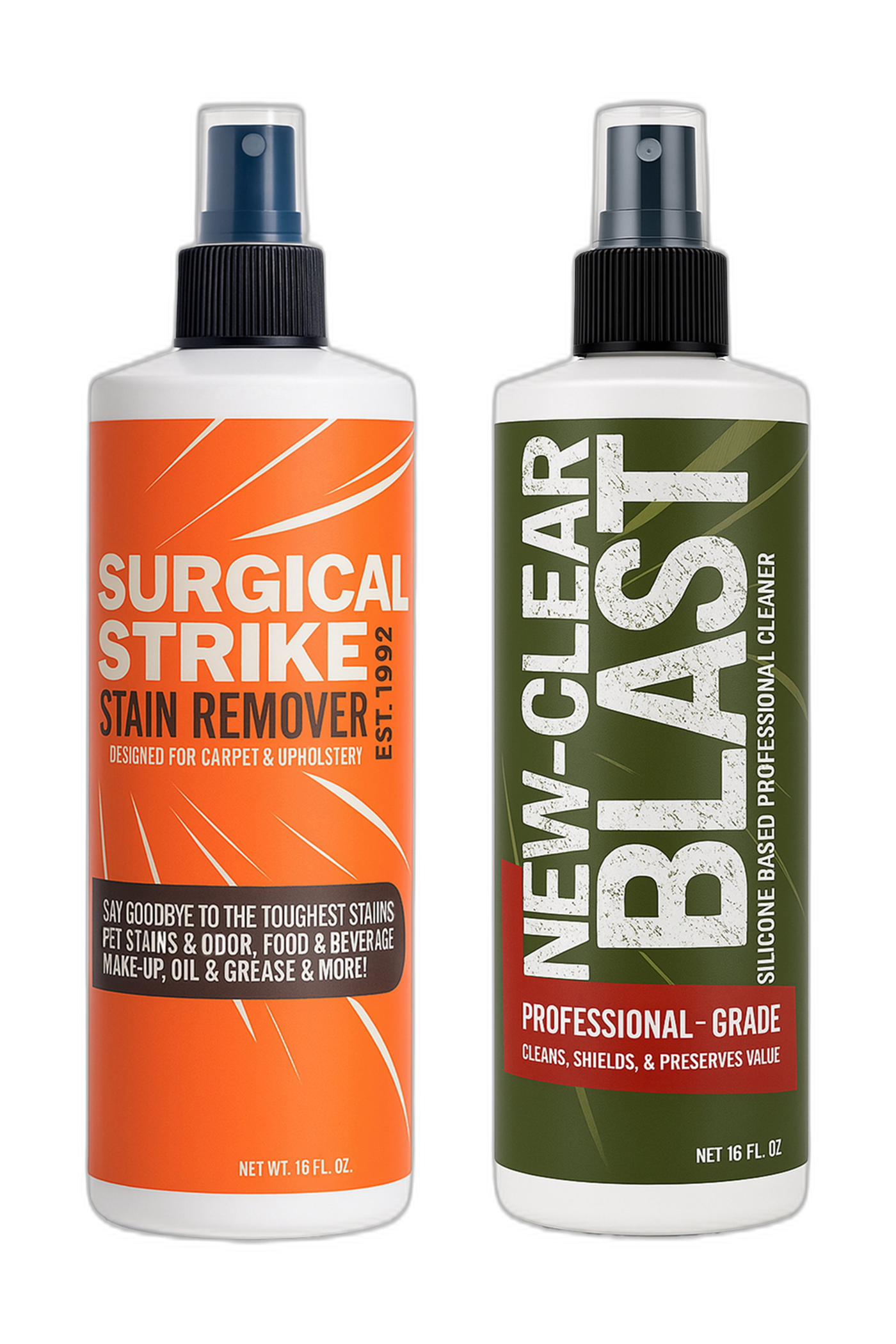
Two formulas. Serious range.
Use Surgical Strike for stains and odor, then New-Clear Blast to clean, shield and preserve hard surfaces.