Key Takeaways: Why Precision Cleaning Matters for Elite Sports Equipment
In elite sports, the difference between success and failure is often measured in fractions of a second or millimeters. The integrity of high-performance equipment is not just a competitive advantage; it is a critical component of athlete safety and performance. Precision cleaning protocols are fundamental to maintaining this integrity, ensuring that everything from composite bicycle frames to protective gear functions as designed. Proper maintenance addresses material-specific needs and supports athlete health by minimizing the risk of contamination.
- Athlete Health and Infection Prevention: The prevention of infectious skin diseases is a primary concern in athletic environments, where shared equipment can be a vector for contamination. Consistent cleaning limits the presence of harmful microbes on equipment and surfaces. Recent studies also link skin conditions in athletes to overall hygiene practices, underscoring the importance of clean gear.
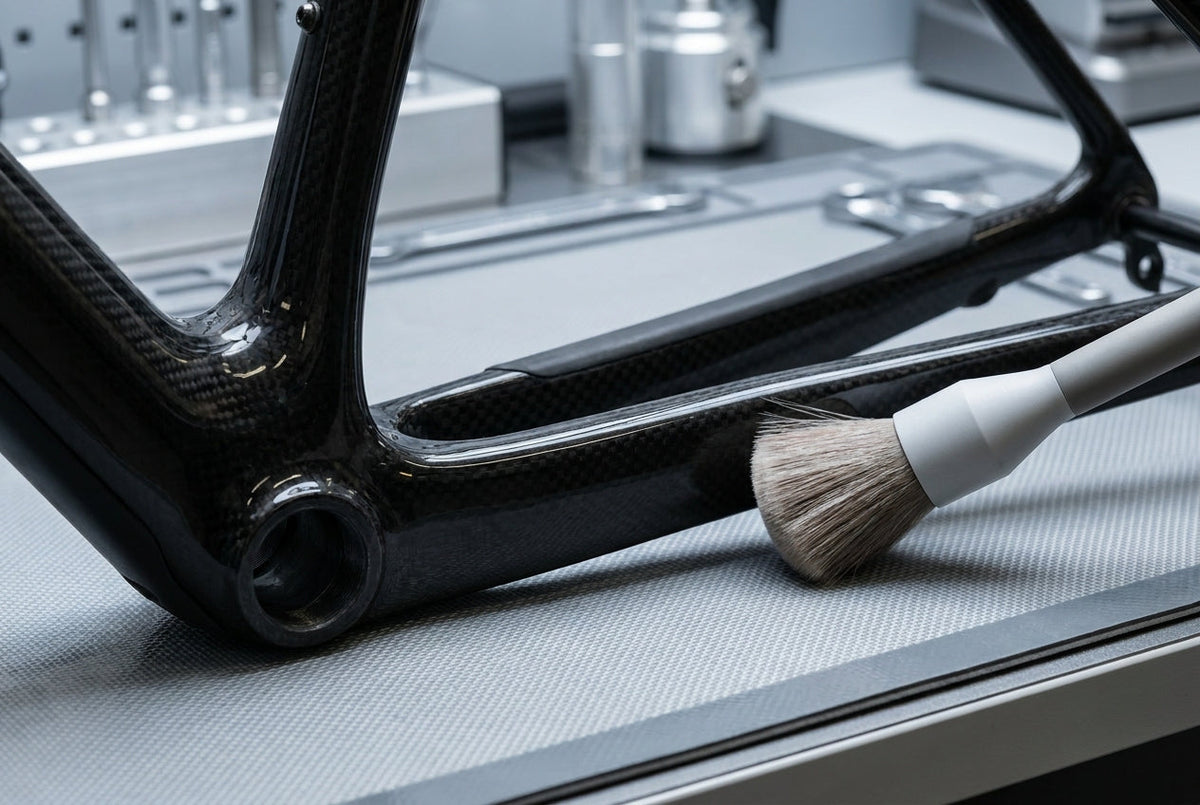
- Material Integrity: Advanced materials like carbon fiber require specific care. Non-abrasive cleaning methods are essential to prevent surface wear and delamination that could compromise structural performance.
- Contamination Control: Effective cleaning protocols for footwear, protective gear, and high-contact points are crucial for reducing the risk of cross-contamination between athletes.
- Hygiene and Longevity: Proper odor control and microbial prevention are key indicators of effective hygiene, contributing to both athlete comfort and the extended lifespan of expensive equipment.
Failure Modes and Operational Risks in Elite Sports Equipment
The failure to implement and follow precise cleaning protocols can lead to significant operational risks, including equipment failure, athlete health issues, and diminished performance. The unique materials and intense usage patterns of elite sports equipment make them particularly vulnerable to degradation if not maintained correctly. Each training session introduces sweat, oils, and environmental contaminants that, if left unaddressed, can cause cumulative damage.
One of the most significant risks involves material degradation. Using unsuitable cleaning agents, such as harsh solvents or abrasive scrubs, on sensitive materials like carbon fiber can damage the resin matrix and lead to surface wear or structural compromise. This kind of damage is not always visible but can affect the equipment's intended performance characteristics. This is especially critical for equipment that relies on precise aerodynamics or structural rigidity.
Beyond material damage, the accumulation of sweat, dirt, and other biological residues creates an ideal environment for microbial growth. Sweat itself is mostly water and salts, but it creates moisture that allows bacteria and fungi on the skin to multiply. This poses direct hygiene risks to athletes and can accelerate the breakdown of textiles and padding. Persistent odors are a clear sign of this microbial activity, affecting athlete comfort and the overall perception of facility cleanliness. Inadequate cleaning of shared equipment also greatly increases the risk of cross-contamination, which can lead to the spread of infectious skin diseases among team members.
Mechanism-to-Outcome Map: Precision Cleaning for Performance and Safety
Understanding the link between specific cleaning mechanisms and desired outcomes is key to developing an effective maintenance program. A well-designed protocol does more than just make equipment look clean; it directly supports material integrity, athlete safety, and consistent performance. Each action, from selecting the right cleaner to following a consistent schedule, contributes to a larger goal.
For high-performance composite materials, employing non-abrasive cleaning mechanisms is critical. This approach preserves the structural integrity and surface finish by preventing the micro-damage that can accumulate over time from harsh chemicals or abrasive tools. This directly supports the equipment's designed performance and safety characteristics. By matching cleaning protocols to specific materials, organizations can minimize degradation risks, contributing to equipment longevity and reliable performance.
Managing sweat and moisture is another critical mechanism. Effective cleaning and drying processes inhibit the microbial growth that leads to odors and hygiene risks. This not only makes the equipment more pleasant to use but also helps prevent skin infections and other health issues for athletes. Furthermore, implementing consistent, standards-aligned cleaning practices can support measurable outcomes. For instance, testing surfaces according to standards like ISO 22196 for antibacterial activity can provide data on the effectiveness of a cleaning regimen.
Regulatory, Safety, and Compliance Considerations
While direct regulation of sports equipment cleaning is not always prescriptive, a framework of guidelines, standards, and best practices informs responsible maintenance programs. Adhering to these considerations helps ensure athlete safety, equipment longevity, and operational compliance. These frameworks are provided by athletic associations, public health organizations, and standards bodies.
Leading professional organizations provide clear guidance. For example, the National Athletic Trainers' Association (NATA) has a position statement that emphasizes the prevention of infectious skin diseases through proper hygiene, which includes the routine cleaning and disinfection of athletic equipment and facilities. These recommendations set a professional standard of care for athlete health.
Public health bodies also offer relevant information. The Centers for Disease Control and Prevention (CDC) provides general guidance on the importance of managing sweat and moisture to control microbial growth on surfaces and personal items, a principle that applies directly to athletic gear. In parallel, international standards such as ISO 22196 offer a formal method for measuring antibacterial activity on plastics and other non-porous surfaces, which can be used to validate the effectiveness of cleaning solutions and protocols. Finally, adherence to manufacturer care guides, like those for carbon fiber components, is essential for maintaining the equipment's certified performance and safety features.
Material-Specific Cleaning Protocols for Elite Gear
Different materials require different cleaning approaches to avoid damage and ensure longevity. A one-size-fits-all solution is rarely effective for the diverse range of materials found in elite sports equipment. Developing material-specific protocols is essential for a successful maintenance program.
Carbon fiber components are lightweight and strong but can be sensitive to chemical and physical damage. These parts require gentle, non-abrasive cleaning with pH-neutral solutions to avoid compromising the resin matrix or scratching the surface finish. Harsh solvents and degreasers can cause irreversible damage. Similarly, synthetic textiles in footwear, apparel, and padding benefit from solutions that manage odors and inhibit microbial growth without degrading the fabric's integrity or moisture-wicking properties.
Protective gear, such as helmets and pads, presents a unique challenge. These items are in direct contact with skin and absorb large amounts of sweat, requiring thorough cleaning to remove skin cells, oils, and bacteria. The cleaning process must be thorough enough to remove these soils yet gentle enough to preserve the impact-absorption capabilities of the foam and other materials. For the growing category of sensor-enabled equipment, cleaning protocols must ensure that no residue is left behind that could interfere with electronic functions or calibration, demanding a meticulous, residue-free approach.
Selection Checklist for Precision Cleaning Solutions
Choosing the right cleaning solution is a critical step in maintaining high-performance sports equipment. The ideal cleaner should be effective against athletic soils without posing a risk to the specialized materials it is used on. A systematic selection process helps ensure that the chosen products are both compatible and effective for the intended application.
Consider the following criteria when selecting cleaning solutions:
- Material Compatibility: Prioritize solutions that are non-abrasive and pH-neutral to prevent degradation of sensitive surfaces like composites, plastics, and specialized textiles. Always check manufacturer recommendations, especially for items like carbon fiber.
- Effectiveness on Athletic Contaminants: Select cleaners proven to be effective at removing common contaminants found in athletic environments, including sweat, skin oils, dirt, and grime, without leaving behind performance-inhibiting residues.
- Residue-Free Finish: The solution should rinse clean and not leave a film that could attract more dirt, affect grip, or interfere with electronic sensors.
- Odor Control: Opt for solutions that address the root cause of odors by helping manage microbial buildup in high-moisture environments rather than just masking them with fragrance.
Preventing Cross-Contamination in Athletic Facilities
An effective equipment cleaning strategy must extend beyond individual gear to the entire athletic environment. Cross-contamination is a significant risk in shared spaces like locker rooms, weight rooms, and training areas. Implementing comprehensive cleaning protocols for these Facilities is essential to protect the health of the entire team.
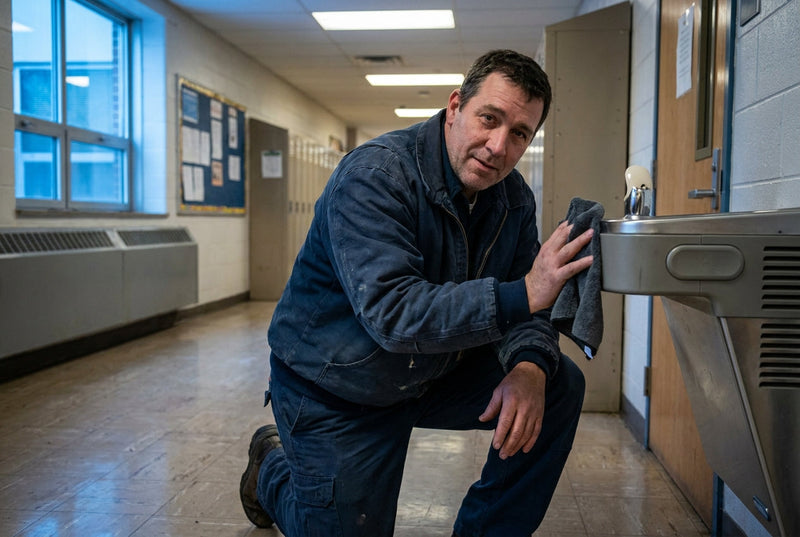
The first step is to implement consistent cleaning and disinfection schedules for all shared equipment, from weight benches to training mats. This practice helps minimize the transfer of pathogens and residues between athletes. High-touch surfaces deserve special attention. Doorknobs, water fountains, and therapy tables are all high-risk areas where contamination can easily spread.
Education is also a critical component. Athletes and staff should be trained on proper personal hygiene practices, such as hand washing and showering after activity, to complement the facility's cleaning efforts. Research shows a clear link between hygiene practices and the prevalence of skin conditions among athletes. Using cleaning solutions designed for high-use environments supports the management of bacterial and fungal growth on the wide variety of surfaces found in an athletic facility.
CG Chemicals: Supporting Elite Sports Equipment Maintenance
Effective surface preparation and ongoing maintenance are crucial for preserving the integrity and appearance of equipment used in high-performance sports. Residue like sweat, body oils, and environmental grime must be managed to support equipment longevity and athlete comfort. CG Chemicals LLC offers solutions designed to address these challenges in demanding environments.
For multi-surface cleaning tasks, New-Clear Blast is a versatile option. It is designed for general cleaning and also provides a protective finish where relevant to the application. Its formulation is suitable for preparing a variety of surfaces found on sports equipment and in training facilities, helping to remove buildup without harsh abrasives that could damage sensitive materials.
When dealing with tougher challenges like grease, stubborn stains, or persistent odors, Surgical Strike helps with degreasing and stain and odor removal. This can be particularly useful for gear that sees heavy use and accumulates significant residues. Addressing sweat and related buildup is a key part of any cleaning protocol. Using appropriate cleaning agents as part of a comprehensive maintenance program supports material longevity and helps manage the conditions that can lead to equipment degradation.
Long-Term Equipment Care and Sustainable Practices
A commitment to precision cleaning is an investment in the long-term viability of expensive elite sports equipment. Proper maintenance protocols do more than just ensure readiness for the next competition; they extend the usable life of gear and contribute to more sustainable operational practices.
By preventing the premature degradation of materials, regular and appropriate cleaning directly extends the lifespan of equipment. This reduces the frequency and high cost of replacement for specialized items like carbon fiber frames or electronic monitoring devices. Proper maintenance helps retain the original material integrity and performance characteristics, ensuring that athletes are using gear that is not only clean but also performing as designed.
Implementing targeted, efficient cleaning protocols also contributes to a more sustainable operational model. By using the correct solutions and methods, organizations can minimize the waste associated with harsh chemicals and reduce water consumption. Extending the life of equipment is in itself a sustainable practice, as it reduces the resource consumption associated with manufacturing new gear. Ultimately, a proactive approach to equipment care ensures that valuable assets remain in good working condition for athletes for as long as possible.
Clean and prep surfaces with CG Chemicals
If you are dealing with buildup, residues, or tough soil before maintenance or finishing work, CG Chemicals offers practical cleaning solutions for high-use environments. Explore New-Clear Blast and Surgical Strike based on your surface and soil type.
Sources
- https://www.nata.org/sites/default/files/NATA_PositionStatement_InfectiousSkinDiseases.pdf
- https://www.tandfonline.com/doi/full/10.1080/02640414.2023.2201980
- https://www.trekbikes.com/us/en_US/bontrager-carbon-care-and-cleaning-guide/
- https://www.cdc.gov/healthywater/hygiene/body/sweat.html
- https://www.iso.org/standard/76646.html
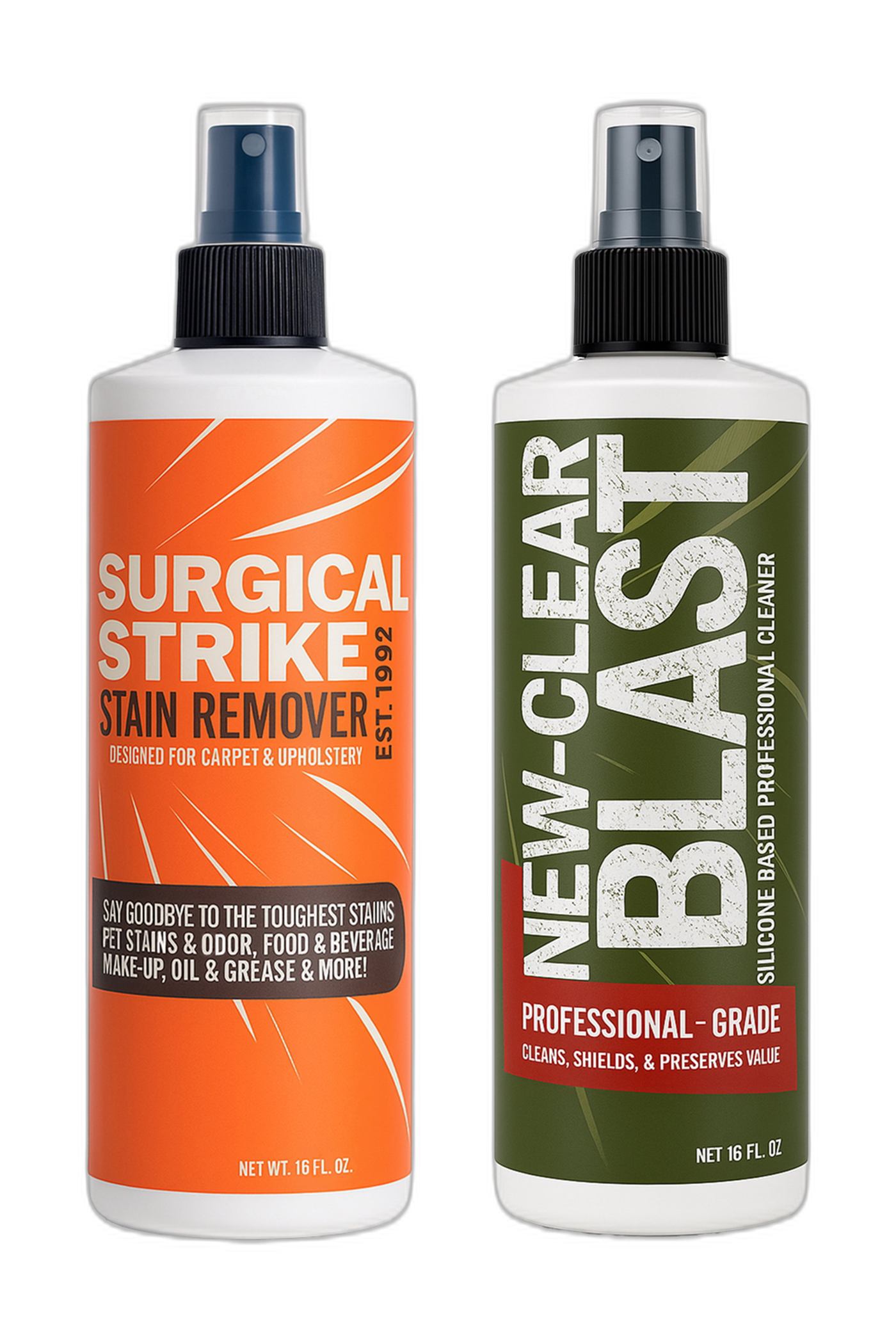
Two formulas. Serious range.
Use Surgical Strike for stains and odor, then New-Clear Blast to clean, shield and preserve hard surfaces.