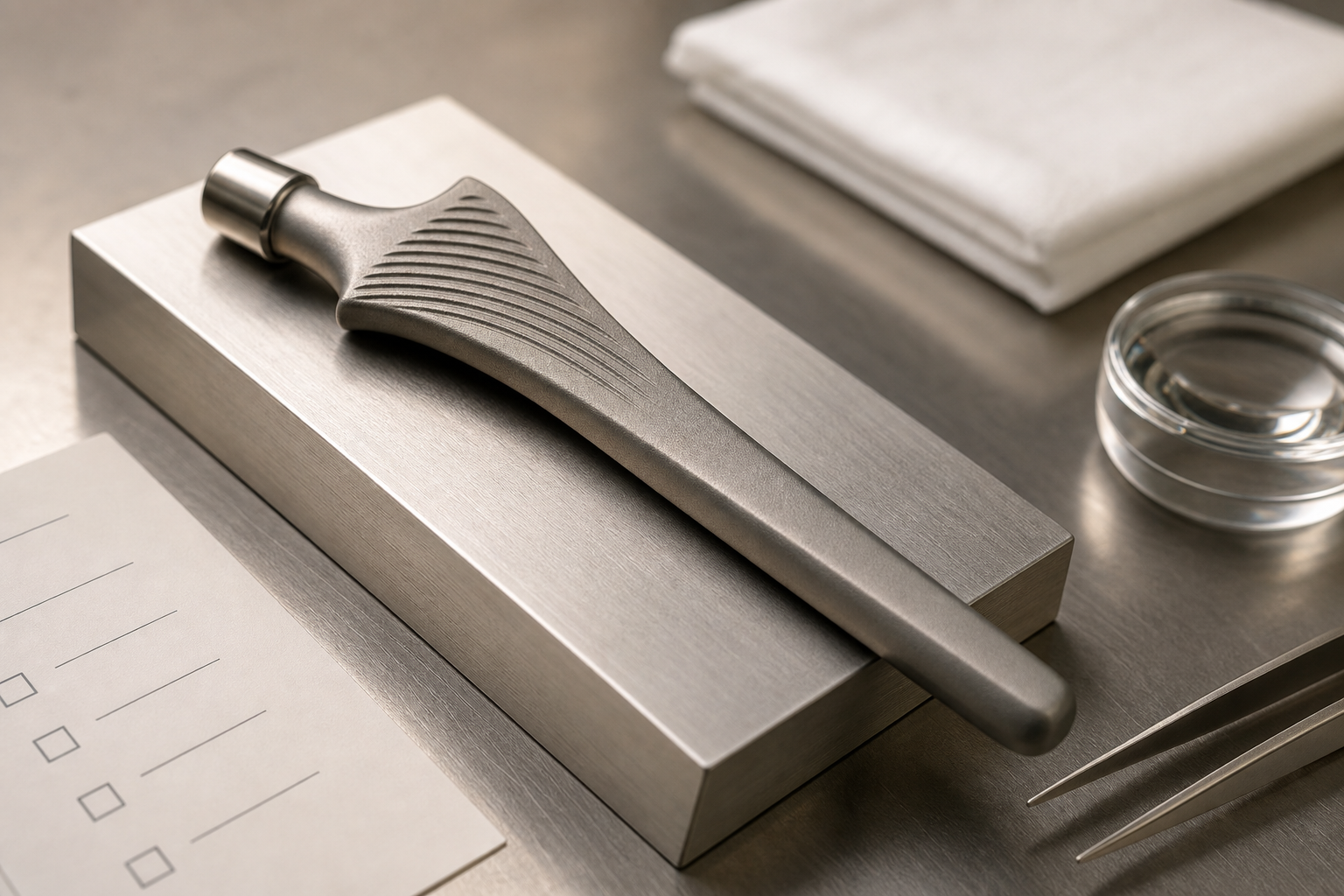
In the field of medical implant manufacturing, the definition of clean transcends visual appearance. For devices designed to be integrated into the human body, such as orthopedic, cardiovascular, and dental implants, surface preparation is a foundational component of patient safety and device efficacy. The precision cleaning process is not a final, cosmetic step but an integral part of manufacturing that directly influences biocompatibility, corrosion resistance, and long-term performance. This article details the rigorous protocols, regulatory expectations, and chemistries involved in preparing these life-saving surfaces.
Key Takeaways
- Precision cleaning is fundamental to implant success, as surface contamination can directly affect biocompatibility, resistance to corrosion, and the ability of tissue to integrate with the device.
- The cleaning standards for medical implants are significantly more stringent than those for general medical devices due to their permanent or long-term placement within the human body.
- Claims of biocompatibility are linked to a comprehensive risk management process. Cleaning residues and unintended surface alterations can change how the body responds to an implant.
- The selection of cleaning chemistry has a direct line to clinical results, including osseointegration, endotoxin control, and the prevention of material degradation.
- Downstream processes like packaging and sterilization depend on the effectiveness of initial cleaning, as contamination introduced before packaging can compromise the final product.
Why Precision Cleaning is Critical for Medical Implants
Medical implants, from joint replacements to dental posts, are engineered for direct and sustained contact with human tissue. This intimate relationship demands an exceptional level of surface purity. Unlike many external or temporary medical devices, implants are intended to remain in the body for years or even a lifetime, making their surface characteristics a primary determinant of patient safety and device longevity.
Even microscopic contaminants left over from the manufacturing process can have significant consequences. Residues from machining oils, polishing compounds, or handling can compromise biocompatibility, potentially triggering an adverse immune response or preventing successful integration of the implant with surrounding bone and tissue. The cleanliness of an implant surface is directly linked to its interaction with biological systems, affecting everything from tissue acceptance to resistance to corrosion in the body's environment.
Regulatory Frameworks for Implant Cleanliness
The manufacturing of medical implants is governed by strict regulatory frameworks designed to ensure patient safety. In the United States, the FDA's premarket approval process includes scrutiny of manufacturing controls, which encompasses cleaning and surface preparation. These regulations are in place to confirm that all processes result in a device that is safe and effective for its intended use.
Industry standards provide specific guidance on achieving the required level of cleanliness. For example, ASTM F86 is the Standard Practice for Surface Preparation and Marking of Metallic Surgical Implants, which outlines expectations for surface integrity and cleanliness. Furthermore, cleaning protocols must be integrated into a formal risk management process, as defined by ISO 14971, which helps manufacturers identify and mitigate potential hazards associated with the device. The biological safety of the final product is often evaluated within this framework, following guidelines like ISO 10993-1 to control for residues and surface changes.
Mechanism-to-Outcome Map: Cleaning's Impact on Implant Performance
The connection between cleaning and clinical outcomes is direct and measurable. Several key performance indicators for medical implants are heavily influenced by the quality of surface preparation.
- Surface Morphology: Precision cleaning protocols influence the final surface texture and topography of an implant. This is critical for processes like osseointegration, where bone cells must properly adhere to the implant surface for stability and long-term success.
- Biocompatibility: The primary goal of an implant is to exist within the body without causing harm. The presence of cleaning residues or an altered surface chemistry can change the biological response, potentially leading to inflammation, rejection, or other adverse tissue reactions.
- Corrosion Prevention: Effective cleaning removes microscopic contaminants that could become initiation sites for corrosion once the implant is exposed to the physiological environment. Preventing corrosion is key to maintaining the structural integrity and safety of the device over its lifespan.
- Endotoxin Control: Endotoxins are substances found in certain bacteria that can cause a strong inflammatory response in humans. Rigorous cleaning protocols are an essential first line of defense in controlling endotoxin levels on implant surfaces, protecting patients from potential complications.
Contamination Control and Operational Risks in Implant Manufacturing
Contamination control is a continuous process, not a single step. Throughout the implant Manufacturing workflow, measures must be in place to prevent the introduction of unwanted materials. The primary risks associated with the cleaning stage itself include particulate contamination from the environment, chemical residues from cleaning agents, and unintentional changes to the implant's surface morphology.
Robust cleanroom protocols and consistent environmental monitoring are critical for managing risks from airborne particles and microbes. The process does not end when cleaning is complete. Post-cleaning handling, packaging, and lifecycle controls are equally vital. Contamination can be reintroduced at any point before the device is sealed in its final sterile packaging, which could compromise the biological safety and sterility of the implant.
Selecting Cleaning Chemistries for Implant Biocompatibility
The choice of cleaning solution is a critical decision in the manufacturing process. The chemistry must be compatible with the implant material, which can range from titanium and stainless steel alloys to specialized polymers, ensuring it does not compromise the material's integrity. The primary goal is to find agents that effectively remove manufacturing soils, oils, and particulates without causing surface changes that could hinder tissue integration or promote corrosion.
A key focus is on chemistries designed to minimize or eliminate residues, as any remaining substance can impact the implant's biocompatibility and must be accounted for in the biological evaluation. This requires a careful balance of cleaning efficacy and rinseability, ensuring that complex geometries are left free of both the initial soil and the cleaning agent itself. Finding the right solutions for your specific needs can be explored through a complete Applications list of cleaning scenarios.
Verification and Quality Assurance in Implant Cleaning
Simply performing a cleaning step is not enough; its effectiveness must be verified through rigorous testing. Quality assurance protocols are essential to confirm the absence of detrimental residues and contaminants on implant surfaces after cleaning. This verification step provides the necessary documentation for regulatory compliance and ensures process consistency.
Techniques such as chemical residue analysis are used to detect any remaining manufacturing soils or cleaning agents. In addition, particulate control measures and environmental monitoring within certified cleanroom facilities are critical for maintaining the required level of cleanliness throughout the final manufacturing stages. Ultimately, these quality assurance processes are what guarantee consistent surface purity, which is a key factor for the long-term safety and success of medical implants.
Selection Checklist for Implant Cleaning Solutions
When evaluating cleaning chemistries and processes for medical implant manufacturing, a systematic approach helps ensure all critical factors are considered. This checklist provides a framework for selecting solutions that align with regulatory expectations and performance requirements.
- Verify material compatibility: Ensure the cleaning agents will not etch, discolor, or otherwise degrade the implant surfaces or compromise their mechanical properties.
- Assess residue profile: Confirm that minimal non-biocompatible substances remain after the complete cleaning and rinsing cycle.
- Confirm cleaning effectiveness: Validate that the chemistry is effective against the specific manufacturing soils present, such as machining oils, waxes, and metallic particulates.
- Evaluate rinseability: Ensure the cleaning agents can be completely removed from the implant, paying special attention to complex geometries, threads, and porous surfaces.
- Consider process integration: Check for compatibility with existing manufacturing equipment, cleanroom protocols, and water quality standards.
Clean and prep surfaces with CG Chemicals
For manufacturers navigating the rigorous demands of medical implant production, proper surface preparation is foundational. If you are dealing with buildup, residues, or contamination before maintenance or finishing work, CG Chemicals offers practical cleaning solutions for high-use environments. Explore New-Clear Blast and Surgical Strike to support your surface preparation protocols. Always follow label directions. Use with adequate ventilation. Avoid contact with eyes and prolonged skin contact. Keep out of reach of children.
Sources
- https://www.fda.gov/medical-devices/biocompatibility-medical-devices
- https://www.astm.org/standards/f86.html
- https://www.iso.org/standard/61705.html
- https://www.iso.org/standard/66052.html
- https://www.mdpi.com/1996-1944/16/1/256
- https://www.pubmed.ncbi.nlm.nih.gov/36738981/
- https://www.fda.gov/medical-devices/guidance-documents-medical-devices-and-radiation-emitting-products/sterile-and-nonsterile-medical-device-architecture-and-packaging-lifecycle-guidance-industry
- https://www.fda.gov/medical-devices/premarket-approval-pma/pma-guidance-documents
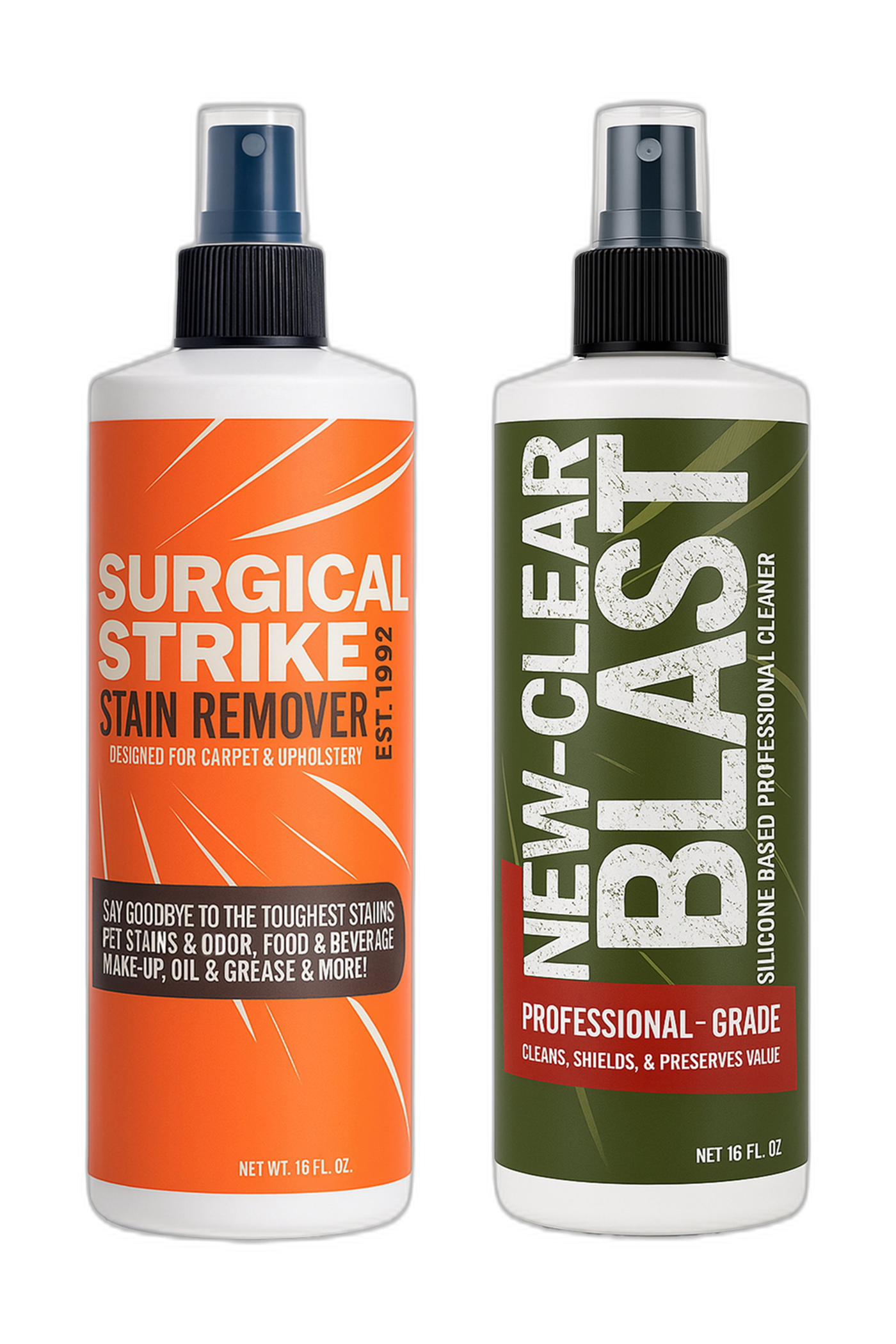
Two formulas. Serious range.
Use Surgical Strike for stains and odor, then New-Clear Blast to clean, shield and preserve hard surfaces.