The rapid growth of the electric vehicle market has introduced new challenges for maintenance and safety, particularly within the high-voltage environment of the battery bay. Proper cleaning of these compartments is not just a matter of aesthetics; it is a critical practice for ensuring electrical safety, preventing corrosion, and supporting the long-term performance of sensitive components. This article details the importance of specialized cleaning processes for EV battery bays and how the right chemical solutions contribute to vehicle integrity and reliability.
Key Takeaways for EV Battery Bay Cleaning
- Prioritize Electrical Safety: The primary goal of cleaning EV battery bays is to maintain electrical safety. Residues, moisture, and other conductive contaminants can compromise insulation integrity and create pathways for shorts, posing significant operational risks.
- Ensure Material Compatibility: Cleaning chemistries must be carefully selected for their compatibility with the various materials inside the battery compartment, including plastics, seals, busbars, terminals, and protective coatings, to avoid degradation.
- Prevent Corrosion: Effective corrosion prevention in battery bays is essential for maintaining electrical performance and overall system reliability. It goes beyond surface appearance to protect the functional integrity of critical connections and components.
- Control Contamination: Contamination control is a vital part of preventive maintenance in high-voltage environments. Managing residues and ensuring complete drying after cleaning are crucial steps to prevent the formation of conductive films or corrosive conditions.
- Standardize Protocols:With the increasing adoption of electric vehicles, standardized battery bay cleaning protocols are becoming more important for service centers, original equipment manufacturers (OEMs), and fleet operators to ensure consistent and reliable outcomes.
The Criticality of EV Battery Bay Cleanliness
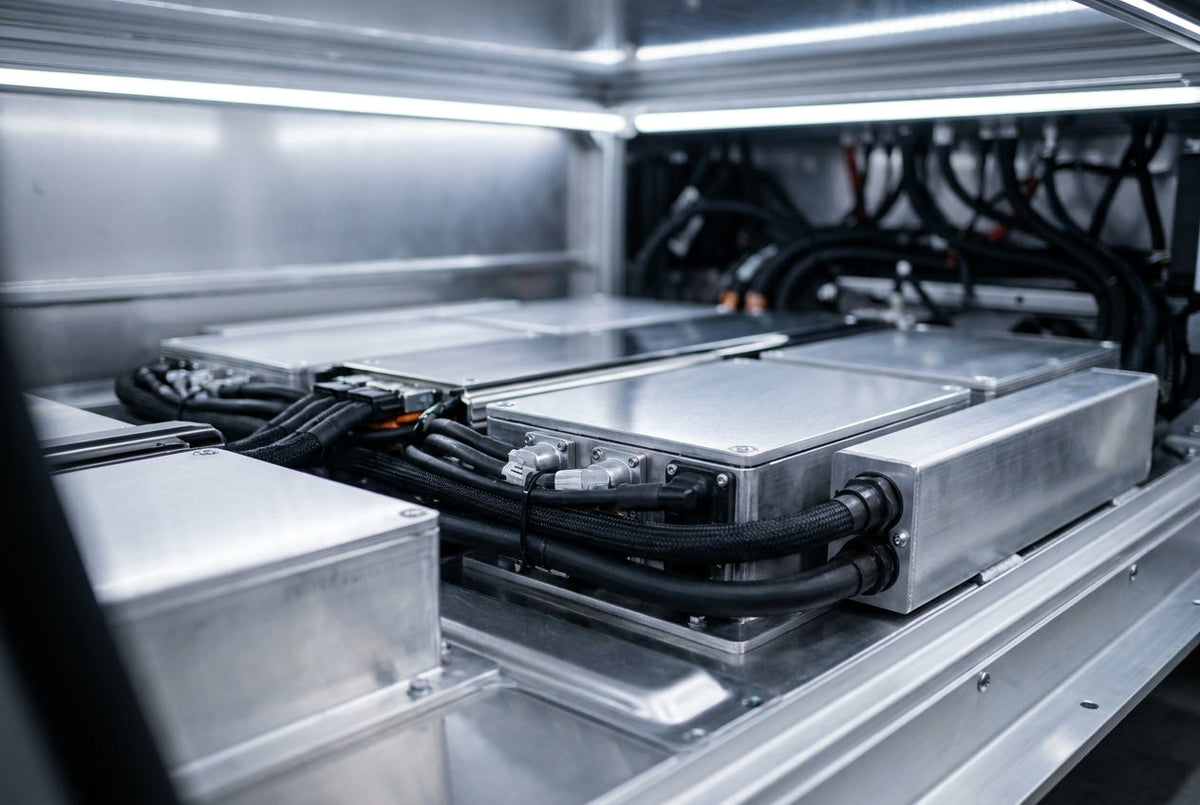
Maintaining a clean environment within an electric vehicle's battery bay is fundamental to its operational safety and component longevity. Unlike traditional internal combustion engine compartments, battery bays house high-voltage systems where even minor contamination can lead to significant issues. The cleaning methods used must prioritize electrical safety by effectively removing conductive materials without introducing new risks.
As U.S. EV sales reached record highs in 2023, the automotive service industry faces a growing need for established and effective battery maintenance processes. This expansion highlights the necessity for technicians and operators to understand the unique challenges presented by high-voltage systems and adopt protocols that address them directly. Proper cleaning is a cornerstone of this new maintenance paradigm, contributing directly to the overall reliability of EV battery systems.
Adherence to established safety and performance standards is critical in these environments. Thorough cleaning helps maintain the intended design integrity of the battery compartment, supporting the safe operation of electrical components as outlined in industry standards. A well-maintained battery bay is less susceptible to unexpected failures, supporting the vehicle's dependability over its entire lifecycle.
Failure Modes and Operational Risks from Contamination
The presence of contaminants in an EV battery bay can introduce several failure modes and operational risks. Conductive residues from road salt, grime, or fluid leaks, combined with moisture, can create unintended electrical paths. These paths can lead to shorts, increased electrical resistance, and compromised insulation, all of which impact vehicle safety and performance. Managing these risks begins with understanding how contamination interacts with high-voltage components.
Contaminants can bridge the creepage and clearance distances designed to separate conductive parts, potentially causing arcing or short circuits. Furthermore, improper management of residues or trapped moisture can initiate and accelerate corrosion on terminals, connectors, and busbars. This corrosion degrades electrical performance and can undermine the structural and functional reliability of the system over time.
Corrosion prevention in this context is not merely a cosmetic concern; it directly influences the operational integrity of the battery system. Even minor corrosion on battery contacts or terminals can impede current flow and affect system efficiency. Therefore, cleaning protocols must be designed to remove existing contaminants and mitigate the conditions that foster corrosive activity, safeguarding the heart of the electric vehicle.
Mechanism-to-Outcome: Understanding Cleaning Impact
The choice of cleaning chemistry and methodology has a direct and lasting impact on the safety and performance of an EV battery bay. Cleaning agents must be selected based on their compatibility with a diverse range of materials, including sensitive polymers, rubber seals, metallic busbars, and electrical connectors. An incompatible cleaner can cause material degradation, such as embrittlement of plastics or swelling of seals, which could compromise the compartment's integrity.
Effective cleaning processes are designed to remove contamination pathways without introducing new risks. For example, a cleaner that leaves behind a conductive film or corrosive byproducts would negate the benefits of the cleaning process itself. The interaction between the cleaning agent and the surfaces it contacts must be well understood to ensure long-term stability and safety.
A critical, and sometimes overlooked, step in the cleaning process is thorough drying. Retained moisture is a primary catalyst for corrosion and can create conductive paths on surfaces. Proper drying procedures are essential to eliminate this risk and ensure that the battery bay is returned to a safe, non-conductive state. The entire process, from application to drying, must be managed to support the system's operational requirements.
Advanced Cleaning Solutions for EV Battery Bays
Specialized cleaning solutions are formulated to address the unique contaminants found in EV battery bays while remaining compatible with sensitive electrical components. These products are designed to break down and lift road grime, electrolyte residue, and other buildups without harming the underlying substrates. The goal is to achieve a clean surface that is ready for inspection or further maintenance work.
The formulation of these solutions is key to their effectiveness. They are developed to work on specific types of soils and residues without leaving behind conductive films or corrosive agents that could cause issues later. This makes them a practical choice for preparing surfaces before maintenance or repair work inside the battery compartment, ensuring that subsequent work is performed on a clean, stable foundation.
For maintenance and service professionals working on Vehicles, having access to effective cleaning products is essential. Products like New-Clear Blast and Surgical Strike are designed to support thorough cleaning and residue removal needs in demanding environments. They assist with maintenance by helping to prepare surfaces, a critical step in many standard operating procedures for EV service.
Regulatory, Safety, and Compliance Considerations
Cleaning and maintenance activities within EV battery bays must be performed in alignment with established electrical safety standards. Organizations like UL Standards & Engagement publish guidelines that address the safety of high-voltage electrical components, and any maintenance protocol should respect these principles to mitigate risks to personnel and equipment.
A foundational understanding of battery safety concepts is also crucial. Resources from institutions like the National Renewable Energy Laboratory (NREL) provide valuable context on thermal risks and other potential hazards associated with high-voltage battery systems. This knowledge helps inform better cleaning practices and reinforces the importance of careful procedure.
Ultimately, adherence to OEM guidelines and industry best practices is essential for ensuring compliance and maintaining component integrity. These guidelines are developed to address the specific materials and configurations of a particular vehicle model. Following them helps prevent accidental damage that could lead to safety hazards or operational failures in sensitive, high-voltage systems.
Establishing Effective Cleaning Protocols
An effective cleaning protocol for an EV battery bay is a multi-step process designed for safety and thoroughness. A typical procedure involves an initial inspection to identify contamination types and locations, followed by the safe isolation of electrical components. The protocol would then outline targeted cleaning, thorough rinsing (if applicable), and a final, complete drying stage to eliminate all moisture.
Contamination control is a central theme in any preventive maintenance plan for high-voltage environments. This includes careful management of residues and ensuring no new contaminants are introduced during the service. Standardized cleaning procedures help ensure that every service activity produces consistent, reliable results and reduces the risk of human error in these sensitive areas.
For complex situations involving significant contamination or repairs, work should be performed by trained service personnel. These technicians are equipped to follow detailed OEM or industry-standard guidance, using appropriate tools and personal protective equipment. A structured approach to cleaning is a key component of responsible EV maintenance.
Selection Checklist for EV Battery Bay Cleaners
When selecting a cleaning solution for EV battery bay applications, several key factors should be considered to ensure both safety and effectiveness. A systematic evaluation helps procurement managers and technicians choose a product that aligns with their operational needs and material constraints.
- Material Compatibility: Confirm that the cleaner is compatible with the diverse materials in the battery bay, including all plastics, elastomers, seals, and metal connectors, to prevent degradation.
- Residue-Free Performance: Prioritize solutions designed to remove grime, oils, and other residues without leaving behind conductive or corrosive films after drying. The final surface should be clean and non-reactive.
- Application and Drying: Consider the recommended application method and the solution's drying time. The process should fit within existing operational workflows without causing unnecessary downtime.
- Contamination Control Support: Evaluate the product's ability to support broader contamination control efforts. It should effectively remove foreign matter without contributing to long-term material degradation.
The Role of Preventive Maintenance in EV Longevity
Preventive maintenance, including routine cleaning, is a proactive strategy that supports component integrity and helps extend the service life of EV battery systems. By regularly removing corrosive agents and conductive grime, operators can mitigate risks before they escalate into more significant problems, which helps preserve vehicle uptime and reliability.
As the EV market continues its rapid expansion, the need for reliable and repeatable cleaning protocols becomes increasingly important for service centers, fleet operators, and OEMs. This trend is driven by the growing number of EVs on the road and the corresponding demand for effective long-term maintenance solutions.
A comprehensive maintenance strategy that includes regular cleaning and inspection is an investment in the asset's future. Investing in suitable cleaning solutions and establishing robust protocols can contribute significantly to the long-term reliability and safety of electric Vehicles across their operational lifespan, from consumer cars to large commercial fleets. These practices are also relevant in Manufacturing environments where initial cleanliness is paramount.
Clean and prep surfaces with CG Chemicals
If you are dealing with buildup, residues, or tough soil before maintenance or finishing work, CG Chemicals offers practical cleaning solutions for high-use environments. Explore New-Clear Blast and Surgical Strike based on your surface and soil type.
- Use with adequate ventilation.
- Avoid contact with eyes and prolonged skin contact.
- Keep out of reach of children.
- Follow label directions.
Sources
- https://www.nrel.gov/transportation/electric-vehicle-battery-safety.html
- https://www.sae.org/technical-papers
- https://standardscatalog.ul.com/ProductDetail/Index/248205
- https://www.energy.gov/eere/vehicles/articles/fotw-1261-ev-sales-reached-record-high-2023
- https://www.sciencedirect.com/journal/electrochimica-acta
- https://batteryuniversity.com/article/bu-409-cleaning-battery-contacts
- https://www.sciencedirect.com/journal/journal-of-power-sources
- https://about.bnef.com/electric-vehicles/
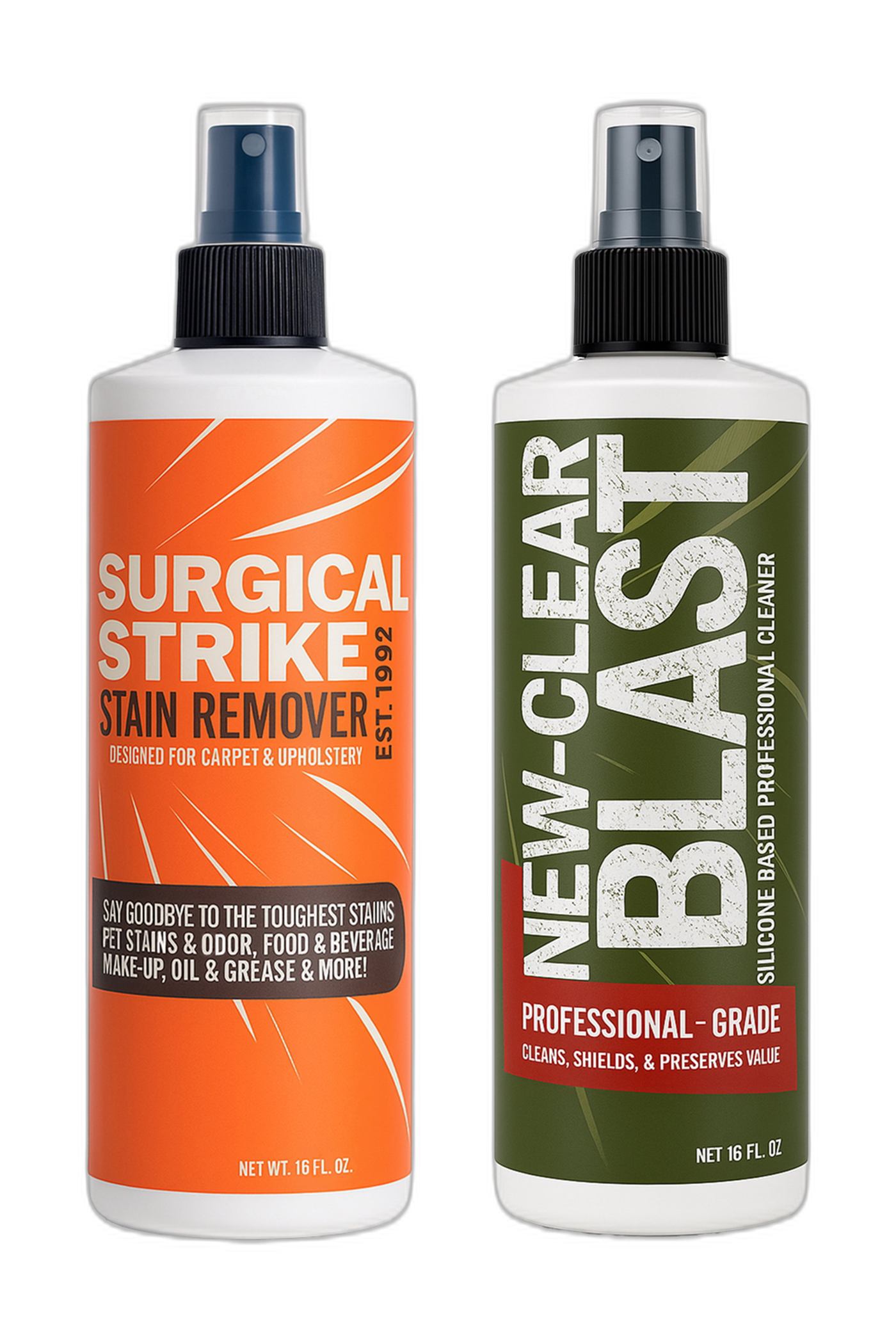
Two formulas. Serious range.
Use Surgical Strike for stains and odor, then New-Clear Blast to clean, shield and preserve hard surfaces.