Finding an effective and eco friendly bleach alternative is a common goal for households, especially those with children, pets, or individuals with sensitivities. While bleach is a powerful disinfectant, concerns about its fumes, surface compatibility, and potential for hazardous chemical reactions lead many to seek safer options. This guide explores viable alternatives, clarifying the crucial difference between cleaning and true, EPA-registered disinfection.
Key Takeaways
- Hydrogen peroxide is a practical bleach alternative for surfaces that require disinfection, decomposing into just water and oxygen after use.
- Many popular home remedies, such as vinegar and baking soda, are effective cleaners but are not reliable stand-alone disinfectants against all common household pathogens.
- For a product to be considered a true disinfectant, it must be registered with the Environmental Protection Agency (EPA) and used according to the label directions, including specified contact times.
- Thymol-based and other plant-derived cleaners can serve as effective disinfectants when their labels show they are EPA-registered for that purpose.
- The search for bleach alternatives is often driven by concerns about strong fumes, the risk of mixing with other chemicals like ammonia, and potential damage to certain surfaces.
The Challenge: True Disinfection vs. Green Cleaning
Many products marketed with terms like 'green' or 'eco-friendly' provide excellent cleaning capabilities but do not offer verifiable disinfection. It's essential to understand the distinction between these two actions. Cleaning is the physical removal of dirt, grime, and germs from a surface, while disinfecting involves using chemicals to kill germs on surfaces.
A true disinfectant must be evaluated and registered by the EPA. This registration confirms the product meets specific efficacy standards against listed microorganisms when used as directed. Relying on a cleaner for disinfection can leave pathogens behind, which is a significant concern in high-touch areas of the Home, like kitchens and bathrooms. Simply reducing visible soil does not guarantee a surface is hygienically clean.
Hydrogen Peroxide: A Primary Disinfectant Alternative
Hydrogen peroxide is widely regarded as a practical and eco-friendlier substitute for bleach when disinfection is necessary. Typically sold in a 3 percent solution for household use, it effectively kills bacteria, viruses, and fungi on hard, nonporous surfaces. Its primary advantage is its decomposition process; after it has done its job, it breaks down into harmless water and oxygen, leaving no toxic residue behind.
This low-residue profile makes hydrogen peroxide a suitable choice for those with chemical sensitivities or for use in environments with children and pets. Studies confirm its efficacy as a disinfectant, making it a reliable option for cleaning and sanitizing countertops, cutting boards, and bathroom fixtures. For best results, spray it on a pre-cleaned surface and allow it to sit for several minutes before wiping it away.
Thymol-Based Cleaners: Plant-Derived Disinfection
For those seeking plant-derived solutions, thymol-based sprays present another viable option for disinfection, provided they are EPA-registered. Thymol is a component of thyme oil and acts as the active ingredient in several commercial disinfectants. These products can be effective against a range of common household germs when used according to the label.
Products containing thymol are often identified through programs like EPA's Safer Choice, which helps consumers find products with ingredients that have been screened for potential human health and environmental effects. As with any disinfectant, its effectiveness is entirely dependent on following the manufacturer's instructions, especially the required contact time the product must remain wet on a surface to kill germs.
Oxygen Bleach: For Whitening and Stain Removal (Not Broad Disinfection)
Oxygen bleach, often sold in powdered form, is an excellent choice for whitening fabrics, brightening surfaces, and removing stains. It works by releasing oxygen when mixed with water, which helps break down organic soils and stains. However, it is important to distinguish it from chlorine bleach.
While highly effective for laundry and cleaning tasks, oxygen bleach generally lacks the broad-spectrum disinfection claims necessary for killing pathogens on hard, nonporous surfaces. It is a powerful cleaner and oxidizer but should not be the sole product used when the goal is to disinfect a surface from harmful germs.
Household Cleaners That Do Not Disinfect (Vinegar & Baking Soda)
Vinegar and baking soda are staples in many DIY cleaning arsenals, and for good reason. Vinegar is an effective cleaner and deodorizer due to its acidic nature, cutting through grease and mineral deposits. Baking soda is a mild abrasive that is excellent for scrubbing surfaces and absorbing odors. However, neither is a reliable stand-alone disinfectant against a wide range of household pathogens.
While these ingredients can be part of a healthy cleaning routine, they should not replace EPA-registered disinfectants in areas where germ control is critical, such as kitchens after handling raw meat or bathrooms. Relying on them for disinfection can create a false sense of security and may not adequately address hygiene needs. For tough jobs involving grease, stains, or odors, a dedicated product like Surgical Strike helps with degreasing and removing stains and odors.
Mechanism-to-Outcome Map: How Disinfectants Work
Disinfectants function by using active chemical ingredients to destroy or inactivate microorganisms. Different ingredients use different mechanisms. Hydrogen peroxide, for example, works by producing destructive hydroxyl free radicals that attack the membranes, DNA, and other essential cell components of microbes.
For any disinfectant to be effective, its active ingredient must remain on the surface for a specific duration known as the 'contact time' or 'dwell time'. This is the period required to kill the targeted pathogens. If a surface is wiped dry before the contact time is met, the disinfection process will be incomplete. Understanding this helps ensure that products are used correctly to achieve the desired level of hygiene.
Regulatory, Safety, and Compliance Considerations
EPA registration is the most important indicator that a product has been tested for efficacy and can legally make disinfectant claims. The EPA's List N is a resource that identifies disinfectants proven effective against specific pathogens. When choosing a product, especially during pregnancy or in homes with pets, prioritizing EPA-registered disinfectants with lower toxicity profiles is key.
The Safer Choice program can also guide consumers toward products made with ingredients screened for health and environmental considerations. It is also critical to remember the safety risks associated with traditional bleach, such as inhalation hazards from fumes and the danger of creating toxic gas if mixed with ammonia-based cleaners. Always follow CDC guidelines for safe use, including ensuring adequate ventilation. A complete Applications list can help determine which types of cleaners are suitable for various environments.
Failure Modes or Operational Risks: Avoiding Disinfection Gaps
Effective disinfection can fail if proper procedures are not followed. One of the most common risks is using a cleaning product that is not an EPA-registered disinfectant and expecting it to kill germs. This can lead to inadequate pathogen control in critical areas. Another frequent mistake is not adhering to the product's specified contact time, which prevents the disinfectant from working as intended.
Mixing cleaning agents is another significant risk. Combining certain chemicals, like bleach and ammonia, can produce dangerous fumes. Additionally, failing to pre-clean a heavily soiled surface can compromise disinfection. Dirt and organic matter can shield germs, preventing the disinfectant from reaching and killing them. Always remove visible grime before applying a disinfectant to ensure it can work effectively.
Selection Checklist for Safer Alternatives
When choosing an eco friendly bleach alternative, use this checklist to make an informed decision:
- Check for EPA Registration: Prioritize products with a clear EPA registration number on the label. This is your assurance that it has been tested and approved as a disinfectant.
- Read the Label Carefully: Look for specific instructions on contact time, proper dilution, and the types of surfaces it is safe to use on. Follow these directions precisely for effective and safe use.
- Consider Safer Choice Certification: For general-purpose cleaners, look for the EPA's Safer Choice label, which indicates the product's ingredients have been screened for human health and environmental safety.
- Evaluate Personal Sensitivities: Consider factors like odor, fumes, and residue. Choose options that align with your household's needs, especially if anyone has asthma, allergies, or other sensitivities.
- Heed All Safety Precautions: Regardless of the product, always follow safety warnings. Use with adequate ventilation, avoid contact with eyes, and keep all cleaning products out of the reach of children and pets.
Sources
- https://www.ncbi.nlm.nih.gov/pmc/articles/PMC7316136/
- https://www.greenplanetcleaningservices.com/newsroom/bleach-alternatives-that-actually-work/
- https://www.epa.gov/pesticide-registration/list-n-disinfectants-sterilants-except-wood-preservatives
- https://www.cdc.gov/hygiene/about/cleaning-and-disinfecting-with-bleach.html
- https://lifetips.alibaba.com/eco-cleaning/bleach-alternative
- https://www.epa.gov/saferchoice
- https://www.ncbi.nlm.nih.gov/pmc/articles/PMC8220989/
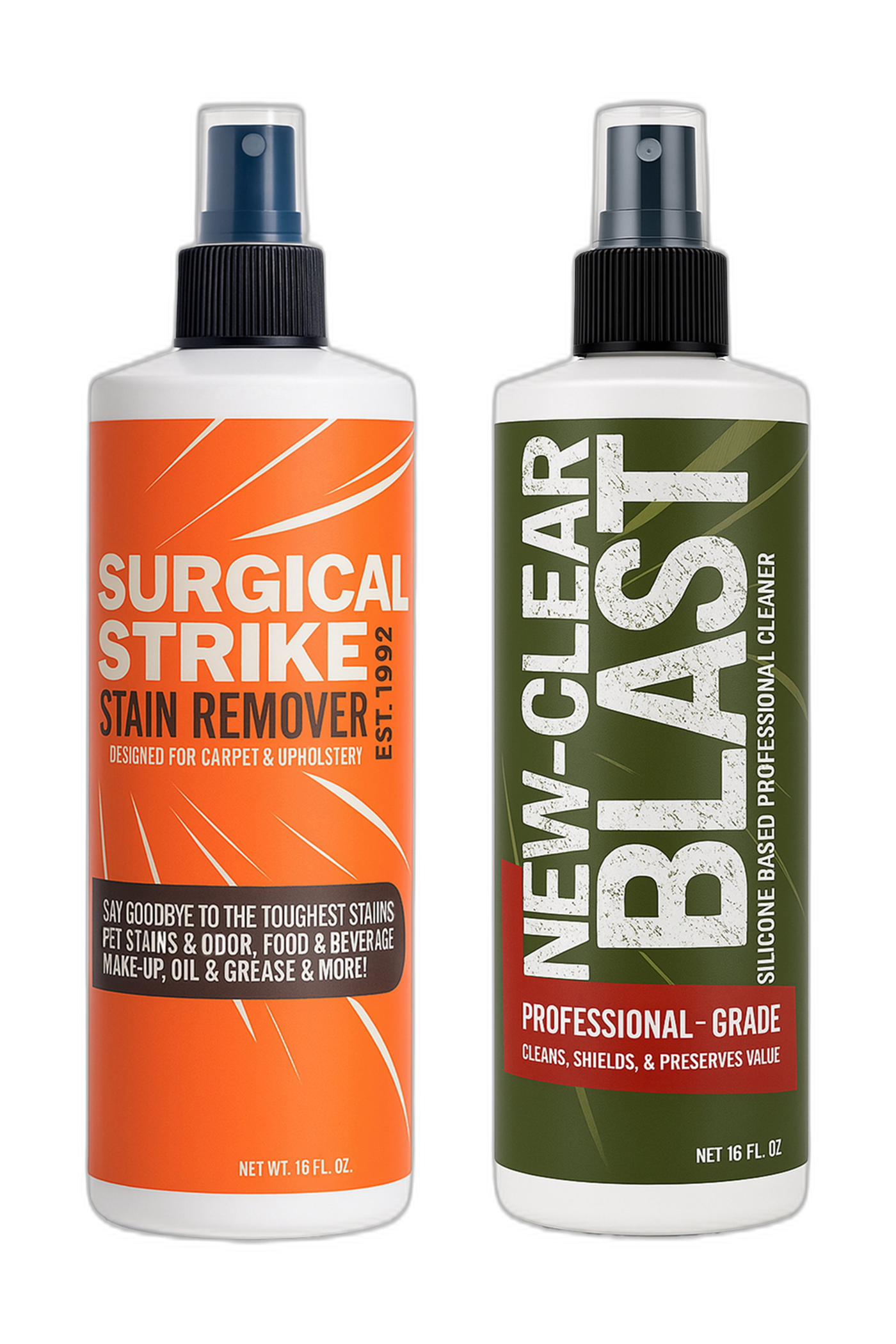
Two formulas. Serious range.
Use Surgical Strike for stains and odor, then New-Clear Blast to clean, shield and preserve hard surfaces.