In the management of IT infrastructure, cleaning is often associated with general data center upkeep. However, a specialized discipline of precision cleaning is critical for the data-bearing assets themselves, including magnetic tapes, hard drives, and decommissioned archival servers. This process is distinct from facility maintenance and focuses on contamination control to support data integrity, aid in recovery efforts, and prepare media for secure, compliant disposal. This article details the specialized protocols and chemistries involved in handling these critical digital assets throughout their lifecycle.
Key Takeaways for Data Asset Management
Managing the physical condition of data storage media is a foundational component of a comprehensive asset management strategy. The following points highlight the critical considerations for organizations handling archival media and decommissioned server hardware.
- The physical cleaning of data assets is a separate activity from media sanitization, which involves rendering data unrecoverable. Sanitization methods like clearing, purging, or destroying data must be chosen based on the information's sensitivity and the asset's intended future, whether for reuse or disposal.
- Archival media such as magnetic tapes are vulnerable to degradation over time. Contaminants, physical damage, and mechanical stress can impede readability and reduce the likelihood of successful data recovery, making specialized handling essential.
- Decommissioned server components and hard drives must be managed with formal, documented processes. This includes secure chain-of-custody controls and validated sanitization methods that go well beyond simple surface cleaning to ensure data is properly handled.
- Contamination from dust, residues left by improper cleaning agents, and electrostatic discharge (ESD) can create significant risks. These factors can interfere with data recovery equipment and preservation workflows, even for hardware that is no longer in active use.
Precision Cleaning Versus Media Sanitization
It is crucial to distinguish between physical cleaning and media sanitization, as they serve different purposes in the asset lifecycle. Precision cleaning addresses physical contaminants on the surface of media or hardware, such as dust, grime, oils, or other residues. The goal is to prepare the asset for its next stage, whether that is storage, data recovery, or secure disposal.
Media sanitization, in contrast, is the process of rendering data inaccessible and unrecoverable. The National Institute of Standards and Technology (NIST) Special Publication 800-88 Revision 1 outlines three primary methods for sanitization: Clear, Purge, and Destroy. The 'Clear' method uses logical techniques to sanitize data in all user-addressable storage locations. 'Purge' methods apply physical or logical techniques that render data recovery infeasible using state-of-the-art laboratory techniques. 'Destroy' methods, such as disintegration or incineration, physically ruin the media, making data recovery impossible.
The choice of sanitization method is not arbitrary. It depends directly on the sensitivity of the data stored on the media and the asset's planned trajectory. For example, media intended for reuse within an organization may only require the 'Clear' method, while media containing highly sensitive information slated for disposal would require purging or destruction. Physical cleaning supports these processes but does not replace them.
Contamination Control: Failure Modes and Operational Risks
Contamination poses a significant threat to data storage media and archival servers at every stage. Physical debris like dust and other particulates can physically obstruct tape readers or hard drive heads, leading to read errors, permanent data loss, or damage to sensitive equipment. The operational environment, especially for long-term archives, must be carefully controlled to minimize these risks.
The choice of cleaning agents is equally important. Improper solutions can leave behind residues or films that attract more contaminants or interfere with the function of electronic components. Furthermore, handling electronic hardware introduces the risk of electrostatic discharge (ESD). An ESD event can cause catastrophic damage to the integrated circuits on server boards and hard drives, resulting in irreversible equipment failure or data corruption.
For magnetic tape archives, the combination of physical condition and contamination levels directly impacts recoverability. As tapes age, they become more fragile, and accumulated debris can make data recovery efforts much more difficult. This underscores the need for gentle, specialized handling and cleaning protocols designed specifically for archival media.
Optimizing Archival Media Longevity: A Mechanism-to-Outcome Map
Maintaining the long-term viability of digital archives depends on proactive management strategies. The connection between specific actions and their outcomes is clear. Controlled environmental conditions, including stable temperature, humidity, and cleanliness, directly support the physical integrity of archival media. This helps prevent material degradation, which in turn leads to extended preservation and more reliable data access.
Careful physical handling and the use of precision cleaning techniques also play a direct role. By reducing surface contamination on media like magnetic tapes, organizations can support better readability. This assists with higher success rates during data recovery operations, particularly for older or degraded media. A clean, well-maintained physical asset is more likely to perform as expected when data needs to be retrieved.
Finally, a long-term strategy involves regular assessment of media and periodic data migration. Transferring data to new formats or media before the old formats become obsolete or degrade physically is a key mechanism for risk mitigation. The outcome is a durable digital preservation strategy that addresses both technological and physical media obsolescence.
Decommissioned Server Components: Safe Handling and Pre-Sanitization Cleaning
When servers and hard drives are decommissioned, they enter a critical phase of their lifecycle where data security is paramount. Even after being removed from service, these components require careful handling to prevent damage or an accidental data breach before final sanitization. Establishing secure workflows within Facilities is a necessary first step.
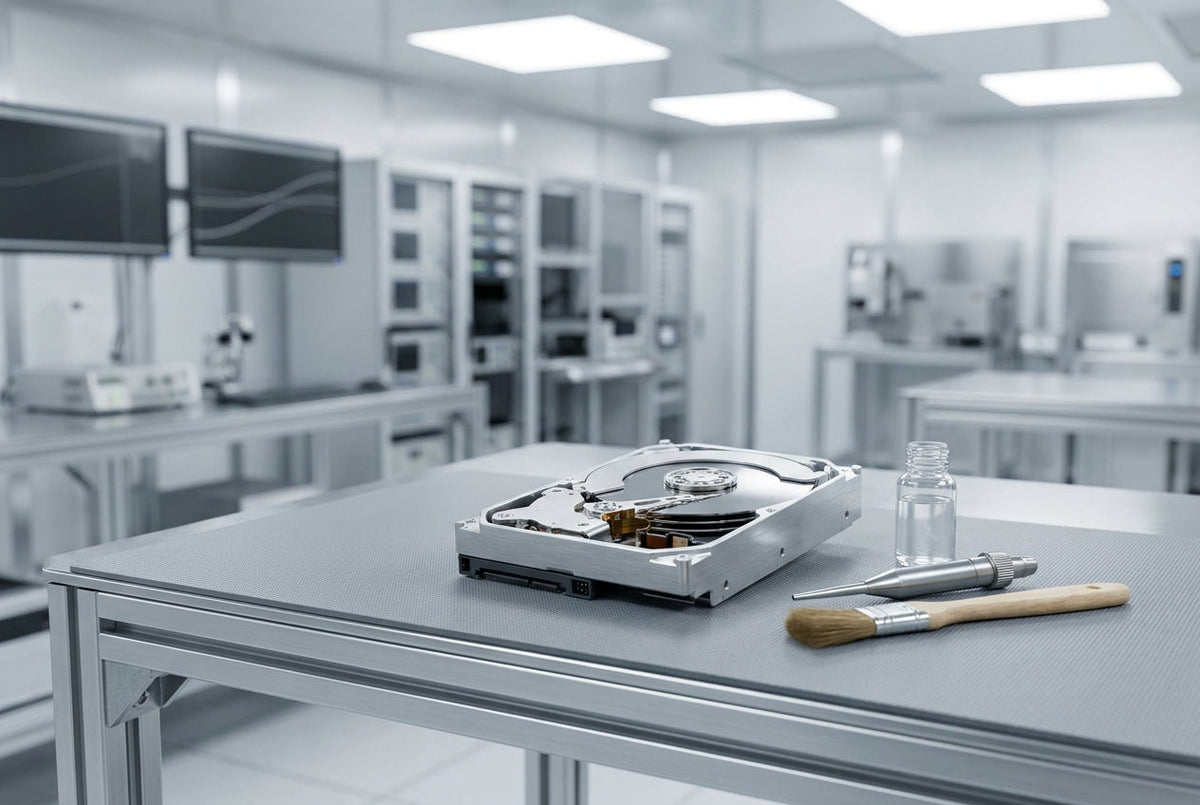
Before sanitization or destruction processes can begin, components often need physical cleaning. Accumulated dust and residues can interfere with the operation of data destruction equipment or create an unsafe work environment. A precision cleaning step helps prepare the hardware for its final disposition. This is not about data removal, but about preparing the physical asset for secure processing.
Throughout this handling process, electrostatic discharge (ESD) precautions remain critical. Sensitive integrated circuits on hard drives and server boards can be easily damaged by static electricity. Using proper ESD-safe workstations and tools during cleaning and handling is essential to prevent damage to the components, which may be important if parts are intended for remarketing or secure audit.
Regulatory Frameworks and Chain of Custody: Compliance Considerations
Data security is governed by a range of regulatory and compliance frameworks. NIST SP 800-88 Rev. 1 offers authoritative guidelines for media sanitization that help organizations meet their data privacy and security obligations. Following these guidelines is a key part of demonstrating due diligence in protecting sensitive information.
A critical component of any compliant data disposition program is a documented chain of custody. This process tracks every data-bearing asset from the moment it is decommissioned until its final sanitization or destruction is confirmed. A verifiable chain of custody is essential for audits and proves that assets were handled securely at every step.
These compliance requirements are not limited to a single type of media. They apply to all electronic and non-volatile storage, including server hard drives, solid-state drives, and magnetic tapes. Every asset containing data must be accounted for within a formal sanitization and disposition program.
Selecting Precision Cleaning Solutions: A Checklist for Data-Bearing Assets
Choosing the right cleaning agents and tools is vital to avoid causing damage to sensitive media and electronic components. The primary goal is effective contamination removal without introducing new risks. When evaluating solutions, consider the following checklist:
- Residue-Free Performance: Prioritize cleaning solutions designed for complete evaporation. This helps avoid leaving behind films or particulate that can attract more dust or interfere with electronic contacts.
- Material Compatibility:Ensure any cleaning agent is compatible with the specific materials of the server components or data media. Using an incompatible chemical can cause plastics to become brittle, corrode metals, or otherwise degrade the asset.
- ESD Compatibility: The cleaning process should not introduce static electricity. Evaluate solutions for anti-static properties or ensure they are compatible with existing ESD-safe protocols and equipment to protect sensitive electronics from damage.
Products like Surgical Strike are used as part of maintenance protocols for degreasing and residue removal in many settings. Refer to our Applications list for more information on specific use cases.
Implementing Secure Cleaning Workflows for Digital Assets
A secure and effective cleaning program for data-bearing assets requires a structured, documented workflow. The first step is to establish clear protocols for identifying and physically isolating these assets upon decommissioning. This prevents them from being accidentally mixed with general e-waste or disposed of improperly.
Next, integrate precision cleaning steps into the asset management lifecycle. Cleaning should be performed in a controlled environment, ensuring that contaminants are removed without compromising the physical media or interfering with subsequent sanitization steps. This makes the entire process more reliable and predictable.
Documentation is essential. Every action, from the initial cleaning to the final sanitization or destruction event, must be recorded. This creates a verifiable audit trail and maintains a robust chain of custody for every asset. Finally, organizations should regularly review and update their cleaning and handling procedures. This ensures alignment with evolving data security standards, privacy regulations, and changes in media technology.
Clean and prep surfaces with CG Chemicals
If you are dealing with buildup, residues, or tough soil before maintenance or finishing work, CG Chemicals offers practical cleaning solutions for high-use environments. Explore New-Clear Blast and Surgical Strike based on your surface and soil type.
Sources
- https://nvlpubs.nist.gov/nistpubs/SpecialPublications/NIST.SP.800-88r1.pdf
- https://www.sciencedirect.com/science/article/pii/S129620742200057X
- https://www.datastorageasean.com/featured-articles/best-practices-data-destruction-compliance-securing-your-future
- https://www.adelphi.net/blog/cleanroom-contamination-control-basics
- https://www.corp-na.myers.com/blog/cleaning-electronics-safely-esd-and-contamination-control
- https://www.fujifilm.com/us/en/business/insights/archiving/analog-digital-media-preservation
- https://www.ironmountain.com/resources/general-articles/d/disk-drive-sanitization-the-oldest-trick-in-the-book
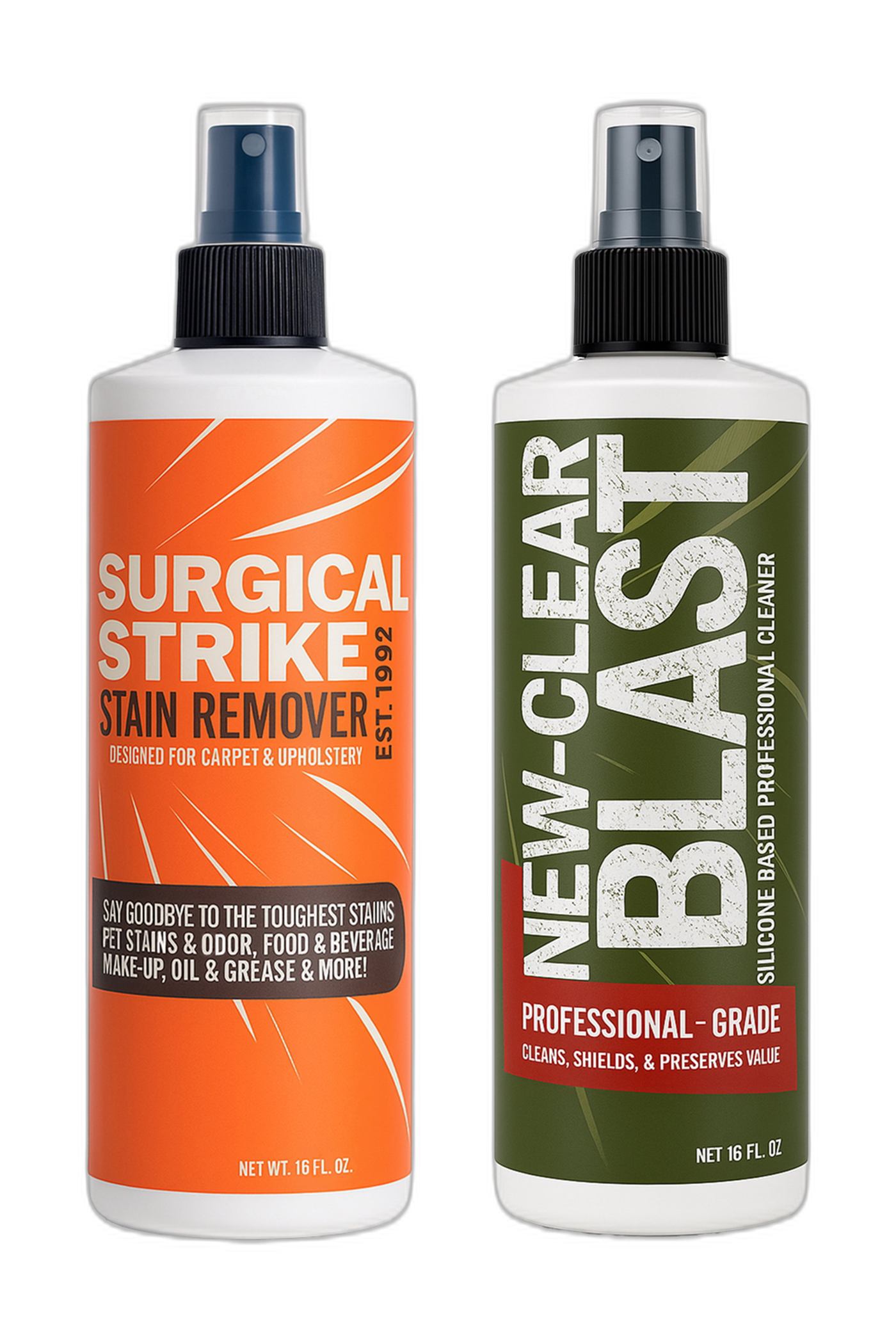
Two formulas. Serious range.
Use Surgical Strike for stains and odor, then New-Clear Blast to clean, shield and preserve hard surfaces.