Key Takeaways
For facility managers and conservation teams, maintaining museum exhibits is a task governed by precision and foresight. The following points summarize the essential considerations for effective and safe museum exhibit cleaning and preservation.
- Museum exhibit cleaning must prioritize preservation over appearance, focusing on preventive, non-abrasive artifact cleaning methods that avoid moisture, residues, or mechanical wear.
- Material compatibility is essential, as various exhibit components like artifacts, mounts, and glazing react differently to cleaning agents.
- Environmental controls are a primary strategy to reduce cleaning frequency and preservation risks by managing dust, moisture, and UV exposure.
- Cleaning display cases is integral to collection care, directly impacting the visibility and protective function of the enclosure.
- Modern museum guidance emphasizes that cleaning programs must balance visitor experience and hygiene with overarching conservation priorities.
Balancing Clarity with Conservation for Museum Exhibit Cleaning
Museum exhibit cleaning requires a delicate balance between providing clear public viewing and preventing long-term, irreversible damage to collections. Unlike standard commercial cleaning, the primary goal is not just to remove soil but to do so without altering the object in any way. Aggressive cleaning methods, even those acceptable in other environments, can introduce wear, chemical degradation, or unwanted residues that compromise sensitive artifacts and display materials. This principle of minimal intervention is a cornerstone of modern conservation practice.
Conservation-led cleaning programs focus on material-appropriate artifact cleaning methods to safeguard cultural heritage. This means understanding the composition of every surface and choosing a method that is both effective and benign. Such programs emphasize preventive measures as the first line of defense. Effective environmental control and routine maintenance are crucial for managing dust and surface grime, which not only obstruct visibility but can also attract pests and retain moisture, creating further risks for the collection. The American Alliance of Museums also highlights that prioritizing cleaning and hygiene must always align with these core conservation mandates.
Display Cases as Critical Environmental Barriers
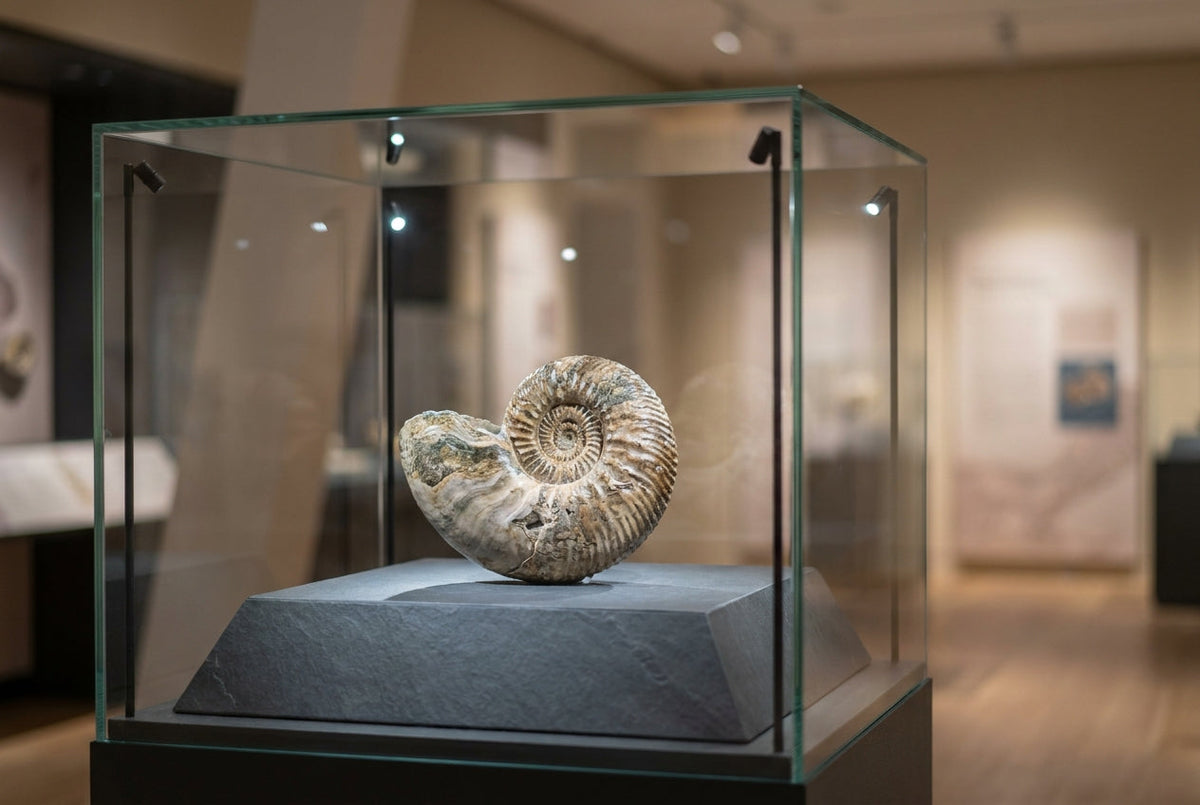
Display cases are more than just windows to the past; they are carefully engineered microenvironments designed to protect artifacts from the primary agents of deterioration. Their function is to create a stable buffer against environmental fluctuations, physical damage, airborne pollutants, and dust. A well-designed and maintained case is one of the most effective tools in a museum's preservation toolkit, actively slowing the natural aging process of the objects within.
Because of this protective role, cleaning display case glazing, frames, and internal surfaces is an integral part of collection care, not merely a cosmetic task. Smudges, dust, and films on the glazing obstruct visitor views and can scatter light, potentially increasing an object's light exposure. Maintaining the seals and interior surfaces is equally important to prevent the ingress of dust, moisture, and pests that could compromise the stability of the artifacts. Furthermore, components like UV filters and specialized lighting within display cases require regular, careful cleaning to maintain their protective function and ensure optimal light transmission without causing damage.
Understanding Material Compatibility for Exhibit Components
Museum exhibits are complex assemblies of diverse materials. Artifacts, mounts, glazing, labels, and structural components can be made of anything from ancient wood and textiles to modern plastics and metals. These Special surfaces react very differently to cleaning agents and tools. Applying a cleaner or method that is incompatible with a specific surface can lead to irreversible damage, such as discoloration, corrosion, embrittlement, or weakening of the material.
Testing any cleaning treatment on an inconspicuous area of the exhibit or display surface before full application is a fundamental and non-negotiable conservation practice. This step helps verify that the proposed method will not cause harm. It is also critical to document which materials were used in the construction of an exhibit and which cleaning protocols have been tested and approved. This documentation ensures consistent, safe, and effective maintenance over the long term, protecting the collection for future generations.
Failure Modes and Operational Risks in Museum Exhibit Cleaning
When museum exhibit cleaning protocols are not carefully managed, the risks to collections can be significant. The potential for damage extends beyond simple aesthetic issues and can result in the permanent loss of historical or scientific information. Understanding these failure modes is essential for developing safe procedures.
- Abrasion and Surface Loss: Using incorrect tools or abrasive cleaners can cause scratching, etching, or the loss of surface detail on sensitive artifacts and display materials.
- Chemical Residues: Cleaners that leave behind residues can attract dust, become sticky over time, degrade surfaces, or react negatively with exhibit materials, causing long-term chemical damage.
- Moisture Damage: Introducing excessive moisture from cleaning can cause wood to swell, metals to corrode, or promote mold growth within enclosed exhibits, creating a hazardous microenvironment.
- Pest Infestation: Ignoring dust accumulation, especially within display cases, reduces visibility and can create a food source for pests, leading to potential infestations.
- Compromised Protective Glazing: Incorrectly cleaning UV filters or other specialized glazing can damage the coatings, compromising their protective properties and exposing sensitive artifacts to light-induced degradation.
Mechanism-to-Outcome Map: Proactive Exhibit Preservation
A proactive approach to preservation focuses on controlling the causes of deterioration rather than reacting to the effects. By understanding the direct relationship between specific preventive actions and their preservation outcomes, museums can create a more stable and sustainable environment for their collections.
-
Mechanism: Stable Environmental Control (e.g., relative humidity between 40-60%)
Outcome: Reduced risk of dimensional change, corrosion, and mold growth in collections and enclosures. -
Mechanism: Low Light and Minimized UV Content (e.g., 50 lux for highly sensitive objects)
Outcome: Slower fading and photochemical degradation of pigments, dyes, and organic materials. -
Mechanism: Non-Abrasive Artifact Cleaning Methods (e.g., soft microfiber cloths, conservation-grade tools, and gentle chemistries)
Outcome: Prevention of surface wear, scratches, and physical damage to fragile object surfaces. -
Mechanism: Routine Spot Testing
Outcome: Verification of material compatibility and prevention of adverse reactions before broader application of any cleaning solution.
Strategic Environmental Controls to Minimize Cleaning Burdens
One of the most effective strategies in preventive conservation is to manage the museum environment itself. By implementing stringent controls over temperature, relative humidity (RH), and pollutants, institutions can significantly reduce the need for frequent and invasive direct cleaning of exhibits. A stable environment mitigates many of the root causes of deterioration.
Maintaining a stable relative humidity, often within a target range of 40-60%, is critical. This helps prevent moisture-related issues like mold and corrosion while also avoiding the stresses on organic materials caused by excessive dryness. Similarly, controlling light levels and filtering out UV radiation helps slow the degradation of sensitive objects, such as textiles, watercolors, and natural history specimens. This reduces the frequency of cleaning needed to address surfaces breaking down due to light exposure. Effective dust control through high-efficiency air filtration systems and robust pest management programs are also critical preventive measures that protect exhibits and reduce cleaning labor.
Selection Checklist for Museum Exhibit Cleaning Solutions
Choosing appropriate cleaning and surface-prep solutions for a museum setting requires a rigorous evaluation process that prioritizes safety and material compatibility above all else. The right choice helps maintain the integrity of both the artifacts and their protective enclosures.
- Demonstrated Material Compatibility: The solution must be safe for use on diverse exhibit surfaces, including glass, acrylic, metals, stone, and sealed woods.
- Non-Abrasive Chemistry: Use only non-abrasive chemistries and soft application tools to prevent scratching, etching, or wearing down sensitive display components and surfaces.
- Minimal to No Residue: The ideal cleaner leaves no film or residue that could attract dust, off-gas harmful vapors, or interact negatively with artifacts inside a display case.
- Effective Spot Testing: Any product must be suitable for controlled spot testing on a small, inconspicuous area before full application, a core tenet of conservation practice.
- Staff Safety and Handling: The product should support staff safety through clear instructions for use. Always follow label directions, use with adequate ventilation, and avoid contact with eyes and prolonged skin contact.
Regulatory, Safety, and Ethical Considerations for Cleaning Staff
Cleaning staff working in museum environments operate in unique high-use environments where their actions have long-term consequences for irreplaceable collections. This necessitates specific training on conservation-led protocols, safe handling of sensitive materials, and the ethical responsibility inherent in their work. Adherence to institutional guidelines and ethical frameworks, such as those published by the American Institute for Conservation, is paramount in all cleaning operations.
Implementing appropriate personal protective equipment (PPE) and ensuring adequate ventilation are critical for protecting staff during cleaning tasks. Equally important is the meticulous documentation of all cleaning activities. Recording the products used, the methods applied, and any observations provides a valuable log that supports long-term collection care and accountability. Ultimately, successful cleaning programs in museums align with broader sector guidance that carefully balances public health, hygiene, and visitor experience with the core, non-negotiable priority of preservation.
Clean and prep surfaces with CG Chemicals
If you are dealing with buildup, residues, or tough contamination before maintenance or finishing work, CG Chemicals offers practical cleaning solutions for high-use environments. Explore New-Clear Blast and Surgical Strike based on your surface and soil type.
Sources
- https://www.culturalheritage.org/docs/default-source/resources/pubs/guidelines-for-practice.pdf
- https://www.canada.ca/en/conservation-institute/services/conservation-preservation-publications/caring-collections.html
- https://www.aam-us.org/programs/professional-development/
- https://www.nps.gov/articles/000/collections-care-cleaning.htm
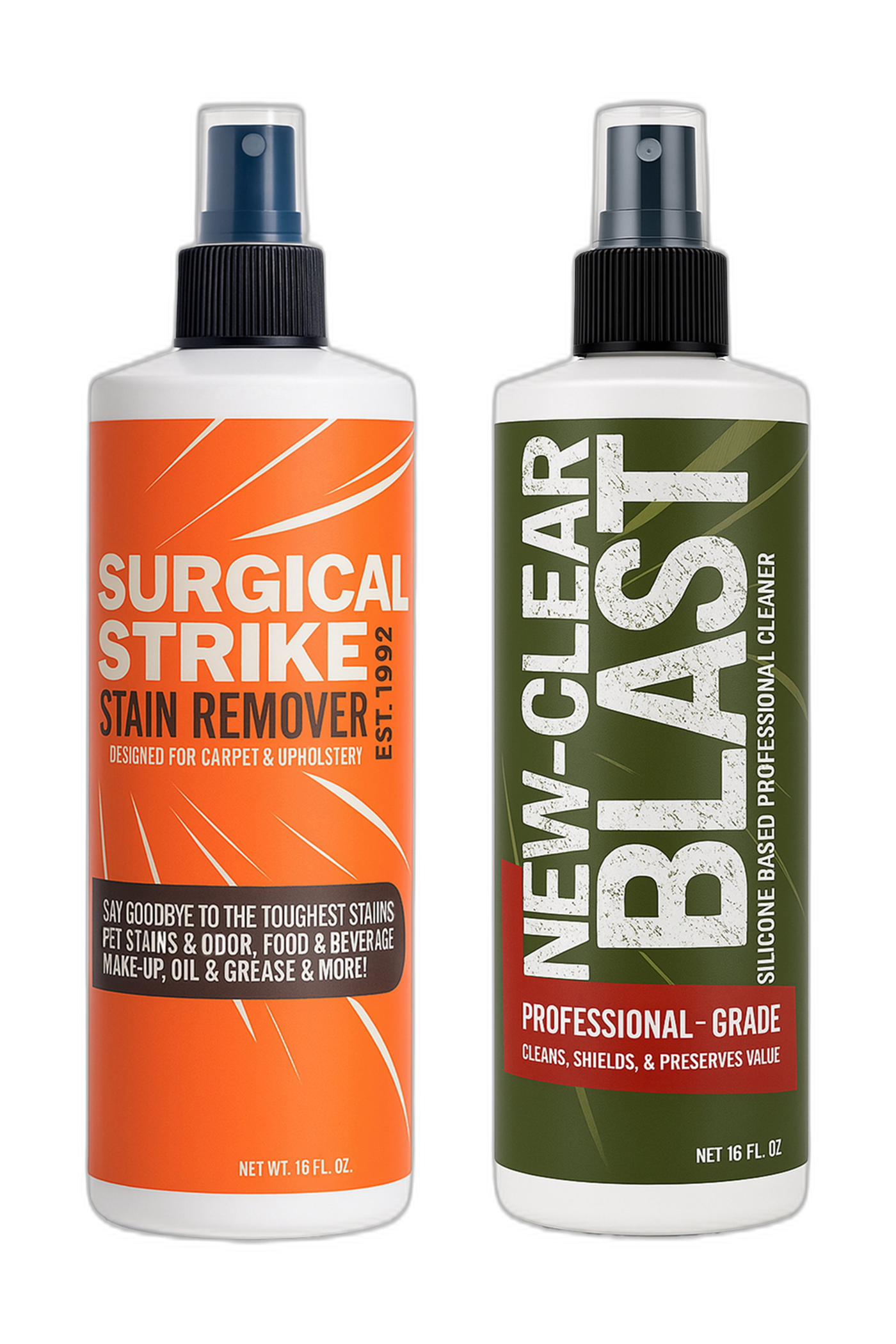
Two formulas. Serious range.
Use Surgical Strike for stains and odor, then New-Clear Blast to clean, shield and preserve hard surfaces.