
Maintaining hygiene in cold storage and food distribution centers is a complex challenge that directly impacts product integrity and public health. These temperature-controlled environments require specialized cleaning protocols to prevent spoilage, microbial growth, and cross-contamination. Adhering to evolving food safety regulations is not just about compliance; it is fundamental to protecting the supply chain.
Key Takeaways for Cold Storage Hygiene
For operators and procurement managers in the food logistics sector, understanding the key pillars of modern hygiene standards is critical. These points summarize the essential practices for maintaining a safe and compliant cold storage environment.
- Disinfection is a required consideration alongside cleaning, with procedures needing validation and verification based on product risk.
- Personnel must adhere to strict protective clothing requirements, including footwear and snoods for beards, to prevent contamination.
- Temperature monitoring requires documented, evidence-based records; subjective assessments are no longer acceptable for compliance.
- BRCGS certification, which covers storage and transportation, necessitates a formal, risk-based food safety management system.
- Staff involved in threat assessments must have demonstrable knowledge of relevant risks, moving beyond simple procedural adherence.
The Evolving Landscape of Food Safety Standards
The standards governing food safety in storage and distribution are continually updated to address emerging risks. The BRCGS Storage and Distribution Issue 4, for example, establishes best practices for risk-based product safety management throughout the supply chain. These standards are designed to ensure product integrity from a facility to the end consumer.
Recent updates, aligning with GFSI Benchmarking Requirements 2024, introduce new clauses that will become effective for audits starting in August 2026. A significant change is the formal requirement to consider disinfection in addition to standard cleaning practices. This update includes a new glossary term for disinfection, clarifying its role in reducing the microbial load on surfaces to a level that does not compromise food safety.
These changes mean that cleaning procedures must now be both validated and verified. The intensity and frequency of these procedures should be based on the specific risks associated with the product being stored or the activities being performed. This shift emphasizes a more scientific, evidence-based approach to sanitation in the supply chain.
Validated Disinfection and Cleaning Protocols
Under the latest standards, cleaning and disinfection are no longer treated as separate, optional activities. Protocols must now be formally validated to prove their effectiveness and verified to ensure they are consistently applied. This process depends on the risks identified for a particular product or operational area. For example, high-traffic zones or areas storing ready-to-eat products demand more stringent protocols.
Disinfection is now a mandatory consideration aimed at reducing microbial loads on surfaces. The updated BRCGS standard glossary includes formal definitions to ensure clarity and consistency in its application. This requirement pushes facilities to move beyond superficial cleaning and adopt methods that actively control pathogen risk.
Implementing robust and repeatable cleaning programs supports hygiene standards across diverse food storage environments. Whether in large-scale distribution Facilities or specialized Manufacturing zones where food products are handled, validated cleaning is a cornerstone of a modern food safety plan.
Precision in Temperature Management
Effective temperature management in cold storage is non-negotiable, and compliance requires precise, documented evidence. Auditors will no longer accept subjective claims like 'the room feels cold enough.' All temperature monitoring must be recorded and validated to demonstrate that conditions consistently remain within safe limits for the products being stored.
To meet these requirements, temperature sensors must be properly calibrated according to documented procedures, and these records must be available for review. In large cold storage warehouses, a single sensor is often insufficient. Multiple sensors may be necessary to account for temperature variations that can occur near doorways, loading docks, or in different racking areas.
Sensor placement is also critical. They should be positioned to capture worst-case conditions where temperature fluctuations are most likely to happen. This ensures the data reflects the actual storage conditions experienced by the products, providing a true measure of cold chain integrity and safety.
Personnel Training and Contamination Control
Human activity is a primary source of contamination in food environments. To mitigate this, standards like BRCGS Food Safety Issue 9 explicitly require protective footwear where necessary to prevent product contamination. This is part of a broader strategy to control contaminants brought in from outside the storage area.
Personal hygiene measures are equally important. For example, snoods for beards and moustaches are mandatory to prevent hair from contaminating open food products. These seemingly small details are critical components of a comprehensive contamination control program.
Beyond procedural compliance, personnel involved in food safety must be properly trained. Staff responsible for threat assessments and developing product defense plans must possess demonstrable knowledge of the risks involved. This ensures that the team not only follows the rules but also understands the principles behind them, enabling them to identify and address potential threats proactively.
Failure Modes and Operational Risks in Cold Storage
The failure to implement and maintain rigorous hygiene protocols can lead to significant operational risks. Inadequate cleaning and disinfection can permit microbial growth, creating biofilms and increasing the likelihood of spoilage and cross-contamination between different product batches.
Relying on subjective temperature assessments is another common failure mode. Without documented evidence from calibrated sensors, a facility cannot prove compliance, which can compromise product safety and lead to audit failures.
Lapses in personal protective clothing also create direct pathways for contamination. For instance, failing to mandate protective footwear can introduce external contaminants into sensitive storage zones. Finally, a superficial hazard analysis and risk assessment (HARA) can leave facilities vulnerable to unseen threats, undermining the entire food safety management system.
Mechanism-to-Outcome Map: Achieving Supply Chain Hygiene
Understanding the direct link between specific actions and their outcomes is key to building an effective hygiene program. A clear mechanism-to-outcome approach helps justify investments in safety protocols and demonstrates their value.
- Mechanism: Validated Cleaning Procedures > Outcome: Ensures the effective and consistent removal of food residues and contaminants, directly supporting food safety compliance and reducing the risk of microbial growth.
- Mechanism: Disinfection Processes > Outcome: Actively reduces the microbial load on critical surfaces, preventing pathogen proliferation and product spoilage.
- Mechanism: Precision Temperature Control > Outcome: Maintains cold chain integrity with documented proof, inhibiting microbial growth and preserving product quality and shelf life.
- Mechanism: Personnel Contamination Controls > Outcome: Minimizes the introduction of external contaminants from staff, protecting product integrity throughout handling and storage processes.
Selection Checklist for Effective Cleaning Solutions
Choosing the right cleaning chemistries is crucial for supporting a validated hygiene program. Facilities should select solutions based on their specific needs and compliance requirements. Here is a checklist to guide the selection process:
- Supports Validation: Prioritize cleaning solutions that are suitable for validated cleaning procedures required in regulated cold storage environments.
- Residue Effectiveness: Evaluate solutions for their performance against common soils and residues found in your specific cold storage and distribution setting.
- Material Compatibility: Ensure the cleaning solution is compatible with facility materials, including concrete floors, metal racks, and cleaning equipment, to align with maintenance protocols.
- Targeted Application: Consider solutions like New-Clear Blast for general cleaning and surface preparation, or Surgical Strike for tasks requiring targeted stain removal.
Regulatory, Safety, or Compliance Considerations
Compliance in the food storage and distribution industry is centered on globally recognized standards. BRCGS certification is a key benchmark, specifically designed for organizations that store, handle, and transport food and other temperature-sensitive products. Achieving this certification demonstrates a commitment to best practices in product safety.
A core requirement for BRCGS certification is the implementation of a formal, risk-based food safety management system. The BRCGS Storage and Distribution Standard Issue 4 provides a framework for managing product safety across the supply chain, from receiving to dispatch.
Adherence is an ongoing process that requires continuous monitoring, documentation, and training. This is especially true for Facilities and Manufacturing environments where food is handled. Staying current with updates, such as the GFSI Benchmarking Requirements 2024, is essential for maintaining compliance and ensuring the integrity of the food supply chain.
Advance Your Cold Storage Cleaning Protocols with CG Chemicals
Rigorous cleaning matters for product quality and appearance in cold storage and food distribution centers. CG Chemicals provides cleaning solutions for the routine soil, grease, and residue found in high-use environments. Explore New-Clear Blast and Surgical Strike for your facility’s specific needs.
Sources
- https://www.lrqa.com/en-gb/latest-news/brcgs-standards-updates/
- https://envigilance.com/compliance/brc-food-safety/
- https://blog.qima.com/food-safety/brcgs-storage-and-distribution-requirements
- https://www.brcgs.com/our-standards/storage-and-distribution/
- https://www.brcgs.com/about-brcgs/news/2026/important-update-brcgs-alignment-with-gfsi-benchmarking-requirements-2024/
- https://www.corexpartners.com/cold-chain-warehousing/brcgs-certified-3pl/
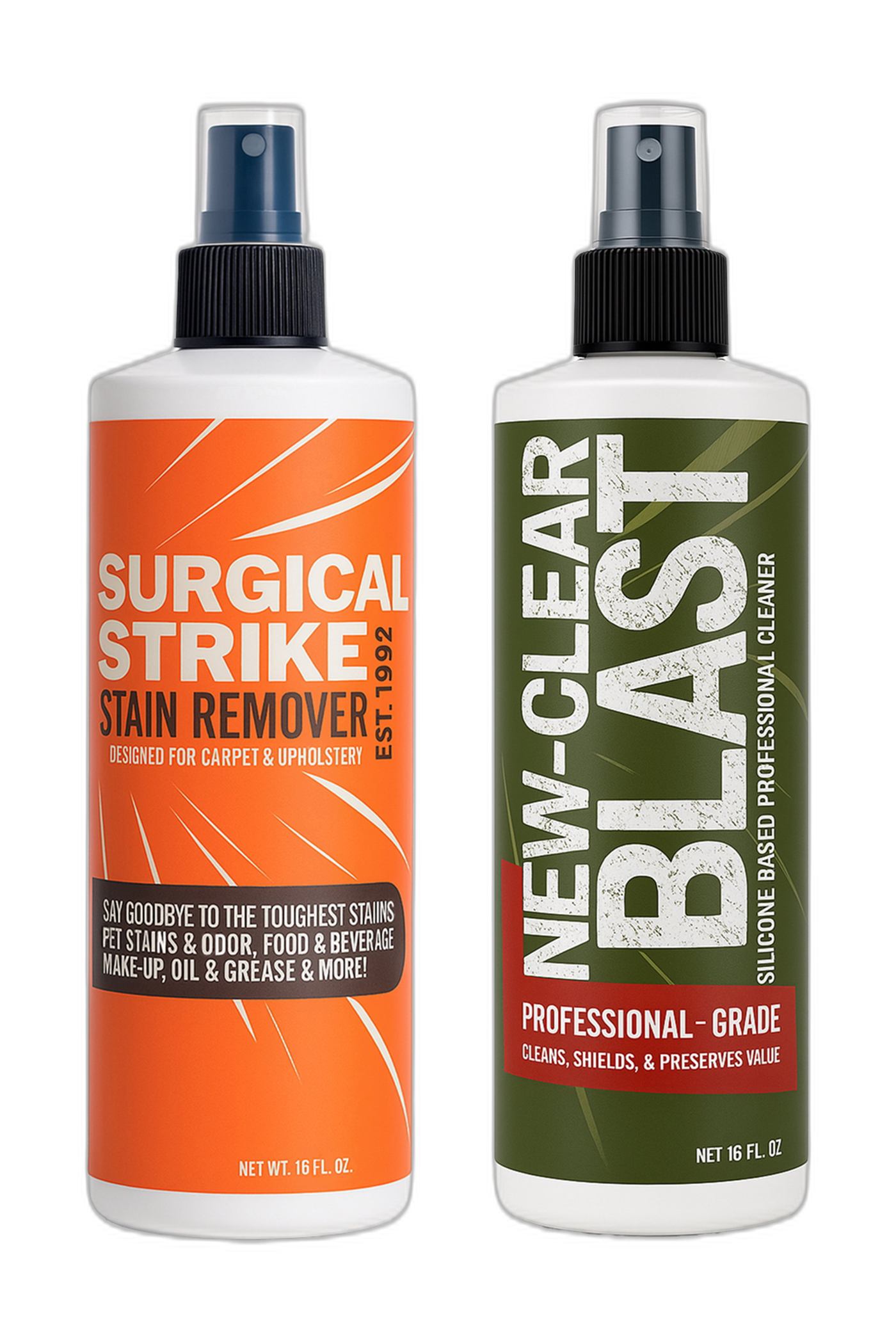
Two formulas. Serious range.
Use Surgical Strike for stains and odor, then New-Clear Blast to clean, shield and preserve hard surfaces.