Key Takeaways
Maintaining a high standard of cleanliness in a restaurant is about more than just appearances. It is a critical component of food safety, brand reputation, and customer confidence. This guide explores the shift toward proactive hygiene monitoring, a strategy that moves beyond simple visual checks to incorporate data-driven insights and advanced technologies. By understanding and implementing these methods, restaurant operators can better manage risks and demonstrate a commitment to operational excellence.
- Proactive hygiene monitoring is essential for minimizing food safety risks and building customer confidence in restaurant operations.
- Advanced technologies provide data-driven insights into cleaning efficacy and potential contamination points, supporting preventative measures.
- Robust cleaning protocols are the foundation, supported by continuous monitoring and staff training.
- Integrating effective surface preparation with hygiene monitoring contributes to operational excellence and positive brand perception.
The Shift to Proactive Restaurant Hygiene
For decades, the restaurant industry has relied on established cleaning schedules and visual inspections to maintain sanitation. While these traditional methods are necessary, they are fundamentally reactive. They address visible soil but may not identify microscopic contamination or persistent biofilms that pose a significant risk to food safety. The modern approach involves a shift toward proactive hygiene management, where the goal is to prevent contamination before it can occur.
This proactive model emphasizes continuous preventative measures over simply responding to issues as they arise. It involves using real-time data to identify potential hygiene gaps and verify that cleaning protocols are performing as intended. Environmental monitoring programs, for example, provide a scientific basis for assessing the cleanliness of the food processing environment. By adopting this data-driven mindset, operators can make more informed decisions, optimize their sanitation procedures, and create a cleaner environment for both staff and customers.
Understanding Critical Contamination Points
An effective hygiene management program begins with identifying critical contamination points. These are the areas and surfaces within a restaurant where the risk of pathogen transmission or cross-contamination is highest. In a busy kitchen, high-touch surfaces such as equipment handles, cutting boards, and control panels are frequent sources of contamination. Food preparation surfaces and utensils that come into direct contact with raw and cooked foods also require diligent attention.
Beyond the kitchen, dining areas also have critical points, including tables, chairs, menus, and condiment dispensers. Each of these represents an opportunity for microbes to accumulate and spread. A systematic approach involves mapping these points throughout the facility and establishing specific cleaning and monitoring protocols for each. Targeted attention at these key locations helps prevent cross-contamination and reduces the overall risk of foodborne illness, forming a core part of any restaurant's food safety plan.
Integrating Advanced Monitoring Technologies
To move beyond visual inspections, restaurants can integrate advanced monitoring technologies that provide rapid and objective feedback on surface cleanliness. One of the most common tools is ATP (adenosine triphosphate) testing. ATP is a molecule found in all living cells, so its presence on a surface indicates the existence of organic residue, which could harbor microorganisms. ATP tests deliver results in seconds, allowing for immediate corrective action if a surface fails to meet cleanliness standards.
Other valuable tools include environmental swabbing for specific pathogens and allergen detection kits. These technologies offer a deeper level of insight into potential contaminants that are invisible to the naked eye. The data gathered from these monitoring systems helps verify the efficacy of cleaning and sanitation procedures. This data-driven verification process allows managers to confirm that their protocols are working, adjust them as needed, and maintain a consistently high level of hygiene.
Establishing Effective Cleaning and Surface Preparation Protocols
Advanced hygiene monitoring is only effective when built upon a foundation of thorough cleaning and surface preparation. Monitoring tools measure the outcome of a cleaning process; they do not perform the cleaning itself. The first step in any sanitation protocol is the physical removal of visible and microscopic soils, including food particles, grease, and other residues. This removal is critical because leftover organic matter can shield microbes from disinfectants and interfere with monitoring tests.
Effective degreasing and residue removal are particularly important in a commercial kitchen. Using appropriate cleaning solutions helps prepare various surfaces for optimal appearance, creating a clean slate for further cleaning and accurate monitoring. For a general purpose multi-surface approach, solutions like New-Clear Blast are designed for cleaning and providing a clean base. For more specific challenges common in a restaurant environment, such as tough grease, stains, and odors in kitchens and other facilities, a product like Surgical Strike can be used to address these specific issues.
Training and Staff Empowerment for Hygiene Excellence
Even the most advanced technologies and well-designed protocols are ineffective without a well-trained team to execute them. Staff members are the frontline defense in maintaining a restaurant's hygiene standards. Comprehensive training should cover not just how to clean, but also why specific procedures are important for food safety.
Empowering employees with clear standard operating procedures (SOPs) for cleaning tasks and the use of monitoring tools helps improve consistency and compliance. When staff understand how to interpret results from tools like ATP tests, they can take ownership of hygiene in their work areas and perform immediate corrective actions. Ongoing training and regular refreshers are essential to reinforce best practices, introduce new procedures, and maintain a strong food safety culture throughout the organization.
Customer Trust and Brand Reputation
A restaurant's commitment to hygiene has a direct and significant impact on customer perception and loyalty. In today's market, consumers are more aware than ever of food safety and cleanliness. Visible signs of a dedication to hygiene, such as clean facilities and transparent practices, can be a powerful differentiator that builds trust.
Implementing an advanced hygiene monitoring program is a tangible way to demonstrate this commitment. It shows that the establishment goes above and beyond basic requirements to protect guest well-being. Ultimately, maintaining high standards of cleanliness helps mitigate the risk of foodborne illness incidents, which can be devastating to a restaurant's reputation. Protecting customers is synonymous with protecting the brand.
Selecting the Right Cleaning Solutions for Restaurant Environments
The effectiveness of a cleaning protocol depends heavily on the suitability of the cleaning solutions used. Restaurant environments present a wide range of soils, from baked-on grease and carbonized food residues to protein films and common biological contaminants. Choosing products formulated to address these specific challenges is key to achieving a truly clean surface.
Operators should also consider the variety of materials found throughout their facilities. From stainless steel equipment in kitchens to laminate tabletops and tiled floors, each surface may have different cleaning requirements. It is important to select cleaning agents that are effective on these special surfaces without causing damage. The right cleaning products facilitate proper surface preparation, which is a non-negotiable prerequisite for any sanitation step and for obtaining accurate results from hygiene monitoring systems.
Clean and prep surfaces with CG Chemicals
If you are dealing with buildup, residues, or tough soil before maintenance or finishing work, CG Chemicals offers practical cleaning solutions for high-use environments. Explore New-Clear Blast and Surgical Strike based on your surface and soil type.
Use with adequate ventilation. Avoid contact with eyes and prolonged skin contact. Keep out of reach of children. Follow label directions.
Selection Checklist: Implementing a Robust Hygiene Monitoring Program
Putting a comprehensive hygiene monitoring program into practice requires careful planning and execution. The following checklist can guide restaurant operators in developing and implementing a system that supports food safety and operational excellence.
- Evaluate the specific hygiene challenges and critical control points unique to your restaurant operations, from receiving to serving.
- Invest in appropriate monitoring technologies, such as ATP testing or allergen swabs, and ensure all relevant staff are thoroughly trained on their proper use and the interpretation of results.
- Establish clear, documented cleaning and surface preparation protocols, integrating effective cleaning solutions designed for the types of soil present in your facility.
- Regularly review monitoring data to identify trends, pinpoint areas for improvement, and adjust protocols as needed to ensure continuous enhancement of your hygiene standards.
Sources
- https://www.restaurant.org/manage-grow/operations/hygiene-and-sanitation/
- https://www.food-safety.com/magazine-archive/innovations-in-food-safety-monitoring/
- https://www.sciencedirect.com/journal/journal-of-food-protection
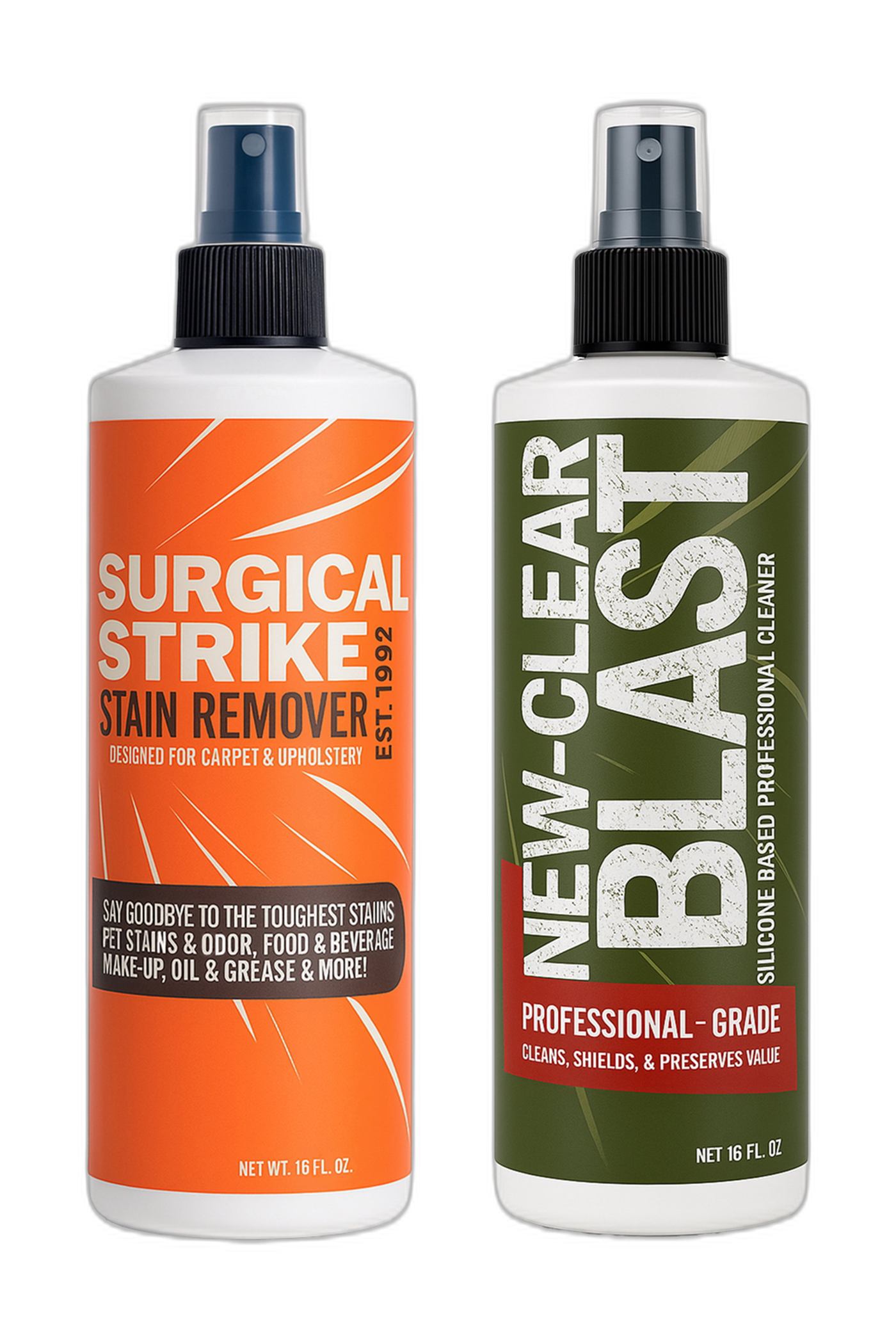
Two formulas. Serious range.
Use Surgical Strike for stains and odor, then New-Clear Blast to clean, shield and preserve hard surfaces.