Introduction: Protecting Fragile Digital History
Digital preservation media serve as the custodians of our recent history, holding vast amounts of cultural, scientific, and personal data. Formats such as microfilm, magnetic tapes, and early optical discs are inherently fragile and susceptible to both chemical degradation and physical damage. The long-term accessibility of the information stored on these assets depends entirely on the quality of their preservation environment and handling protocols.
Among the most significant threats to these archives are environmental contaminants. Dust, mold, and other airborne particulates can settle on media surfaces, causing abrasive damage during playback and accelerating chemical breakdown. These contaminants compromise data integrity, introduce read errors, and can ultimately lead to irreversible loss of information. The chemical stability of magnetic tape, for example, is highly dependent on a controlled environment free from such pollutants.
To counteract these risks, archivists and preservation specialists must implement specialized cleaning protocols and maintain stringent environmental controls. These measures are not merely best practices; they are critical procedures for safeguarding delicate and often irreplaceable historical records. This article details the considerations, protocols, and protective measures necessary to ensure the longevity and successful data recovery of digital archives for generations to come.
Key Takeaways
- Precision cleaning of magnetic tape is an extremely delicate process that should only be performed by trained preservation specialists due to the material's fragility and susceptibility to damage.
- The optimal archival storage environment for permanent value collections requires strict climate control, with temperatures maintained between 46-50°F and a relative humidity of 30-40%.
- Dust and debris removal on optical discs and grooved records should be performed using indirect methods like canned air to avoid direct surface contact and prevent scratches.
- Proactive environmental control is fundamental to preventing mold growth and chemical degradation, which necessitates stable conditions and minimal exposure to light.
- Studies and case histories show that pre-cleaning archival media before attempting data extraction significantly increases the success rate of data recovery.
- To prevent adverse chemical interactions, storage containers, sleeves, and enclosures must be made from acid-free and lignin-free materials.
Failure Modes and Operational Risks in Digital Preservation
The primary contaminants threatening historical digital media are dust and mold. These agents are not passive; they actively contribute to both chemical degradation and physical damage. Dust particles can abrade sensitive media surfaces during handling or playback, while mold growth can permanently etch into surfaces and degrade the material itself, leading to catastrophic data loss.
Improper storage conditions create an environment where these failure modes can accelerate. Unstable temperatures and high relative humidity are particularly damaging to magnetic tape, promoting a degradation mechanism known as 'sticky shed syndrome' where the binder that holds magnetic particles to the plastic base breaks down. This condition can render a tape unplayable without specialized intervention. Careful handling and storage are paramount to avoid such outcomes.
Failure to implement and maintain proper cleaning schedules and environmental controls exposes an entire collection to risk. A single contamination event or a prolonged period of poor climate control can lead to irreversible data corruption. For institutions tasked with preserving valuable information, such an outcome represents not just a technical failure but a significant loss of cultural or historical heritage.
Mechanism-to-Outcome Map: Preserving Digital Integrity
Effective digital preservation is built on a clear understanding of cause and effect. The most impactful mechanism for preserving media longevity is strict environmental control. By maintaining a stable temperature range of 46-50°F and a relative humidity between 30-40%, institutions can directly mitigate the chemical reactions that lead to degradation and inhibit the growth of mold. This controlled climate is the foundation for long-term stability.
The second key mechanism is precision cleaning. The removal of physical contaminants like dust and grime prevents abrasive damage during playback, which in turn supports the read accuracy of playback equipment. This leads directly to higher data recovery rates and more complete information retrieval. Case studies confirm that media cleaned prior to digitization yield more successful outcomes.
Finally, the choice of storage materials provides a crucial protective barrier. Using acid-free and lignin-free containers prevents chemical leaching and adverse reactions between the storage enclosure and the media itself. This principle of chemical compatibility ensures the storage environment does not become a source of contamination. Together, these practices work in concert to reduce the overall risk of degradation and support successful data access for decades.
Regulatory, Safety, and Compliance Considerations for Archives
Maintaining the integrity and custodial control of digital assets requires adherence to established standards. Compliance with ISO protocols, such as PDF/A for documents and PREMIS (Preservation Metadata: Implementation Strategies) for metadata, provides a structured framework for managing digital objects over their life cycle. These standards help ensure that digital files remain authentic, reliable, and usable.
A fundamental compliance measure for data security is a robust backup strategy. The widely recognized 3-2-1 rule, which calls for maintaining three copies of data on two different media types with one copy stored offsite, is a cornerstone of digital preservation. This approach protects against localized disasters and media failure.
Beyond backups, proactive management includes the regular migration of digital files to new formats or storage media, a practice recommended every 5 to 10 years. This process mitigates the risk of format obsolescence, ensuring that files remain accessible as technology evolves. Preservation strategies should also aim to minimize manual intervention wherever possible, as automation reduces human error and supports a more predictable long-term life-cycle cost analysis.
Environmental Control: The Foundation of Media Longevity
The single most critical factor in the long-term preservation of digital media is a stable and controlled environment. For institutional collections intended to have permanent value, a temperature range of 46-50°F is recommended. This cool condition slows the rate of chemical degradation inherent in many plastics and magnetic media. Maintaining this temperature consistently is just as important as the temperature itself, as fluctuations can cause physical stress on the materials.
Alongside temperature, relative humidity must be strictly controlled to a range of 30-40%. This specific window is designed to be dry enough to inhibit mold growth but not so dry that it causes media components, like tape binders, to become brittle. For magnetic tape specifically, storage below 46°F should be avoided, as colder temperatures can induce brittleness and risk damage during handling.
While preservation protocols for the media are highly specialized, maintaining the cleanliness of the surrounding storage areas in Facilities is a practical operational task. Using appropriate cleaning solutions for floors, shelving, and equipment helps reduce the overall dust and unwanted material load in the archival environment. Products like New-Clear Blast are designed for surface cleaning in a variety of high-use environments and can be part of a comprehensive maintenance plan to support the cleanliness of archival spaces.
Precision Cleaning Protocols by Media Type
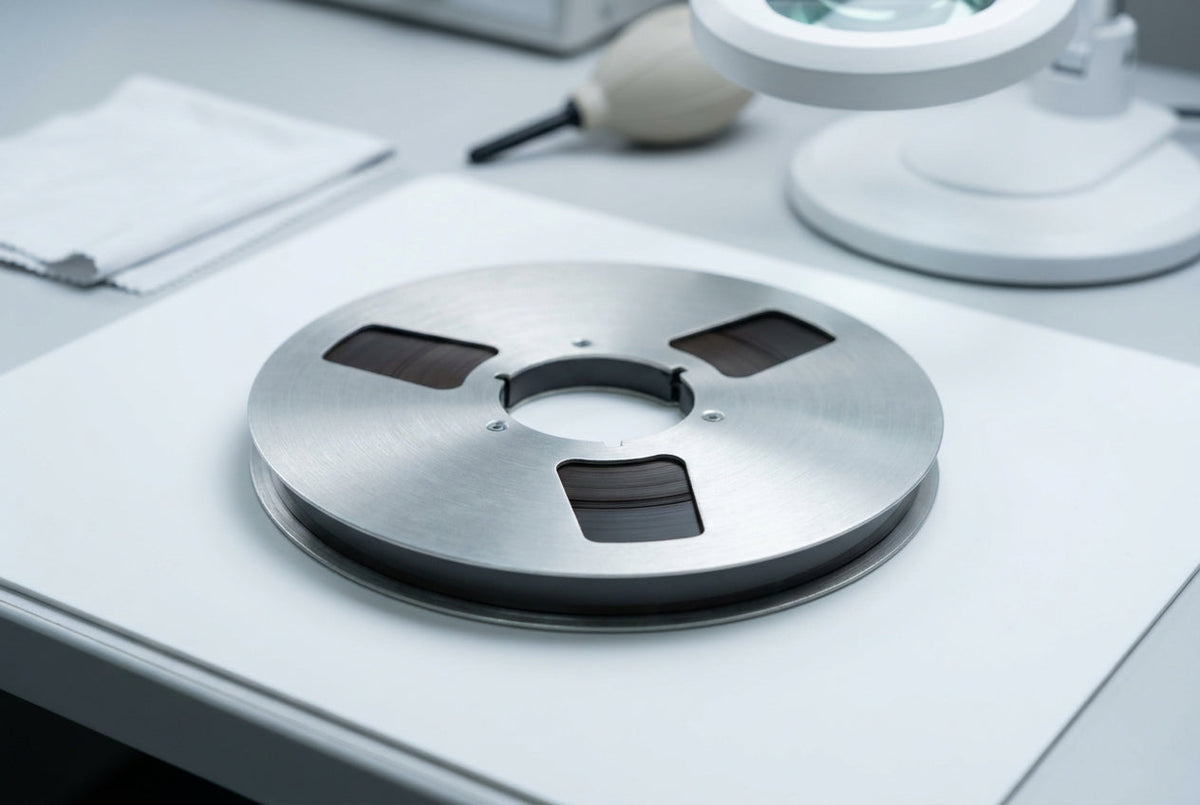
Cleaning archival media is not a one-size-fits-all process. Each format requires a distinct, material-specific protocol to avoid causing harm. Magnetic tape is perhaps the most delicate, with its fragile binder layer and sensitivity to solvents and physical stress. Due to its unique degradation mechanisms, cleaning magnetic tape must be performed only by trained preservation specialists using specialized equipment.
For more robust formats like optical discs (CDs, DVDs) and grooved records, the primary goal is dust removal without abrading the surface. The recommended method is using canned or compressed air to blow debris away from the media surface. This non-contact approach eliminates the risk of scratching that could be caused by wiping with a cloth, no matter how soft. It is a simple but effective technique for routine maintenance.
These specialized methodologies underscore a core principle of archival care: intervene as little as possible, and when intervention is necessary, use the least aggressive method required. The objective is always to stabilize the object and ensure data integrity without introducing new risks or altering the original artifact.
Chemical Compatibility for Archival Media
Long-term preservation requires a holistic view of the archival environment, extending to the materials used for storage and housing. All storage containers, including boxes, sleeves, and folders, must be made of chemically stable materials to prevent them from becoming a source of degradation. The industry standard calls for acid-free and lignin-free paper and board stock for any materials in direct contact with archival media.
Acidic materials can migrate over time, causing chemical burns, discoloration, and embrittlement of the media or its packaging. Lignin, a natural polymer in wood pulp, also breaks down into acidic products, contributing to the same problem. By using certified archival-quality enclosures, institutions can create a safe, non-reactive microenvironment for their assets.
This principle of chemical compatibility is a cornerstone of preventive conservation. It highlights the importance of understanding not only the media itself but all elements within its immediate environment. General-purpose cleaning solutions used in the surrounding rooms should never be used directly on media, but are an important part of the overall strategy to maintain clean spaces. The full Applications list shows various environments where specialized cleaning is needed to support operational goals.
The Impact of Pre-Cleaning on Data Recovery Success
When media has been stored in less-than-ideal conditions, it often arrives at a data recovery lab with contaminants that inhibit playback. Case studies from preservation projects consistently demonstrate that pre-cleaning this media is a critical step that significantly increases the rate of successful data recovery. Attempting to play a dirty or degraded tape or disc can not only fail but also damage sensitive playback equipment.
Contaminants like mold, dust, and degraded 'sticky shed' residue from magnetic tapes can clog playback heads, obscure laser paths on optical discs, and introduce a host of read errors that make data extraction difficult or incomplete. These physical obstructions must be carefully removed before a successful data transfer can be attempted.
Specialized, gentle cleaning removes these inhibiting factors, presenting a clean and stable surface to the recovery hardware. This proactive step is an essential investment in the recovery process. It improves the likelihood of accessing and preserving the historical information that might otherwise be lost, turning a potential failure into a successful retrieval.
Selection Checklist: Protecting Digital Assets
A systematic approach is key to protecting digital collections. This checklist outlines critical action items for any organization managing archival media.
- Ensure all archival storage facilities can maintain stable temperatures between 46-50°F and a relative humidity of 30-40%.
- Verify and exclusively use storage containers, sleeves, and boxes that are certified as acid-free and lignin-free to prevent chemical reactions with the media.
- Implement a regular schedule and documented process for migrating digital files to new formats or storage media, with a recommended cycle of every 5-10 years.
- Adhere to material-specific precision cleaning protocols. Ensure that highly delicate media, such as magnetic tape, are only handled and treated by qualified preservation specialists.
- Prioritize environmental cleanliness in and around archival storage areas to minimize ambient dust and contaminant exposure, creating a safer macro-environment for the collection.
Conclusion: Sustaining Archival Integrity
Sustaining the integrity of digital preservation media is an exercise in discipline and precision. It requires a committed, dual approach that combines stringent, unwavering environmental control with precise, material-specific cleaning protocols. These two pillars of preservation work together to create an ecosystem where fragile digital assets can survive for the long term.
Success depends on diligent attention to detail. Factors such as temperature, humidity, chemical compatibility of storage materials, and the use of specialist intervention for delicate media are not minor considerations; they are paramount. Adherence to established standards is the most effective defense against the slow march of chemical degradation and the risk of physical damage.
By implementing these disciplined practices, organizations can dramatically improve the chances of successful data recovery and ensure long-term access to our valuable digital heritage. Protecting these assets is a critical responsibility, ensuring that future generations can learn from the records we safeguard today.
Clean and prep surfaces with CG Chemicals
If you are dealing with buildup, residues, or tough soil before maintenance or finishing work, CG Chemicals offers practical cleaning solutions for high-use environments. Explore New-Clear Blast and Surgical Strike based on your surface and soil type.
Sources
- https://www.loc.gov/preservation/digital/formats/fdd/fdd000109.shtml
- https://www.jstor.org/stable/26918820
- https://www.loc.gov/preservation/care/record.html
- https://www.ijdc.net/article/view/18.1.112
- https://www.dpconline.org/handbook/institutional-strategies/standards-and-best-practice
- https://library.duke.edu/using/policies/digital-preservation-guide
- https://connectingtocollections.org/wp-content/uploads/2021/11/C2CCare-Managing-Digital-Collections.pdf
- https://www.nationalacademies.org/read/9940/chapter/6
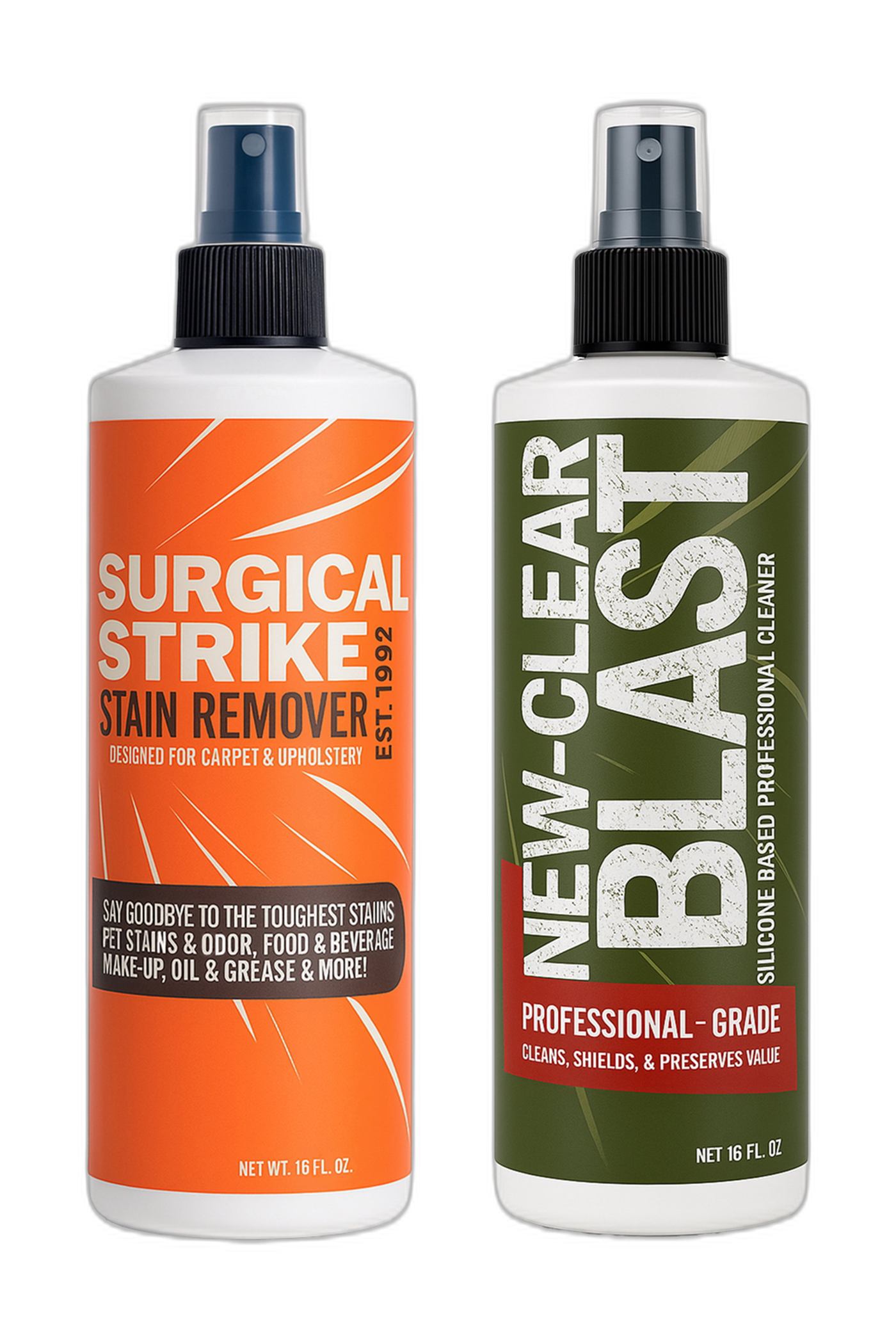
Two formulas. Serious range.
Use Surgical Strike for stains and odor, then New-Clear Blast to clean, shield and preserve hard surfaces.