Key Takeaways for Effective Allergen Control
For hospitality managers, ensuring guest comfort goes beyond surface-level cleanliness. A robust allergen control hospitality cleaning program is crucial for protecting guest well-being and managing operational risks. This requires a documented strategy that includes hazard assessment, specific cleaning protocols, and routine validation to confirm effectiveness.
- Common allergens in hospitality settings include dust mites, pet dander, and pollen, all of which can negatively affect indoor air quality and guest health.
- Effective allergen management relies on a documented plan that details cleaning procedures, frequencies, and responsibilities, which is a foundational component of modern hygiene programs.
- Confirming the removal of allergenic residues is not a matter of guesswork. Cleaning validation, using methods like ELISA or lateral flow immunoassay testing, provides data to prove that cleaning protocols are working.
- Guest expectations are evolving, and many travelers now expect their accommodations to actively address allergen concerns, making allergy-friendly rooms a competitive differentiator.
Understanding Common Allergens in Hospitality Environments
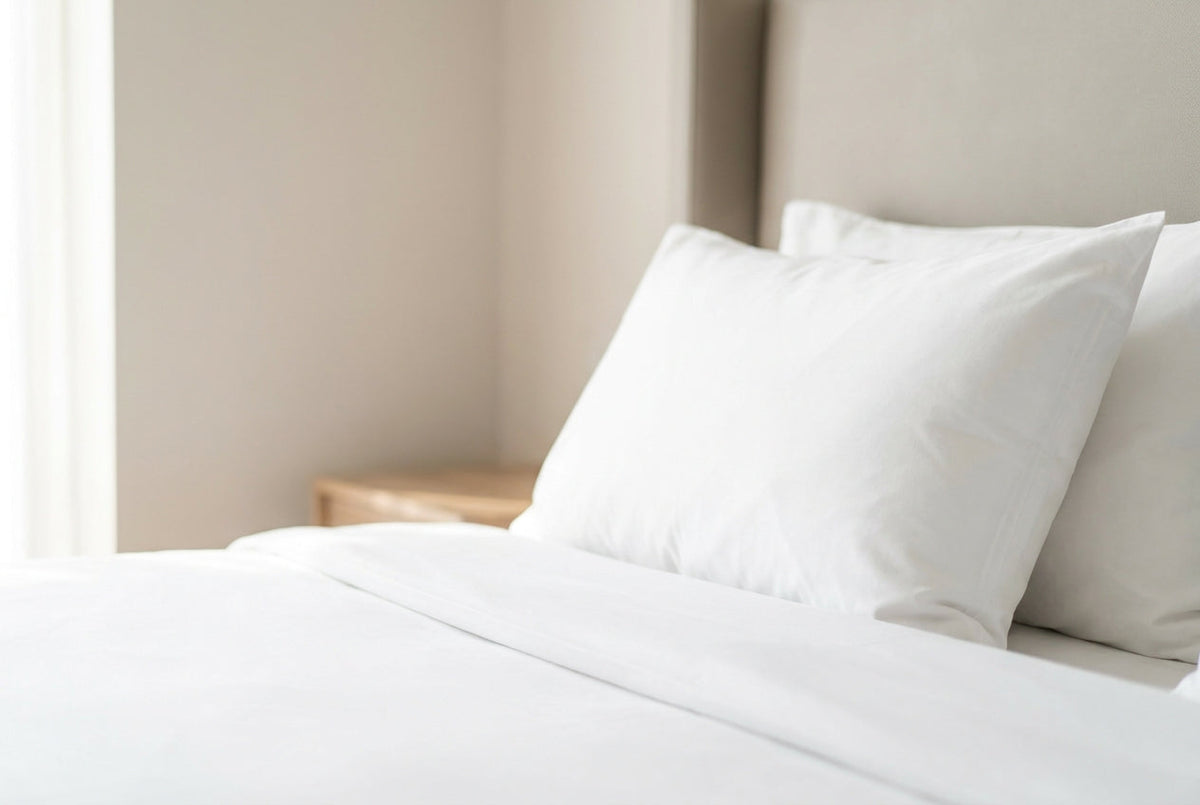
Hospitality environments, by their nature, are hubs for a variety of environmental triggers that can affect guests. Common allergens like dust mites, pet dander from service animals or pet-friendly policies, and seasonal pollen brought in from outdoors are prevalent. These microscopic particles can accumulate in carpets, upholstery, bedding, and HVAC systems.
For individuals with allergies or asthma, exposure to these triggers can cause discomfort and adverse health reactions, diminishing their overall experience. Poor indoor air quality resulting from high allergen loads is a significant concern. Therefore, managing these allergens is not just a cleaning task but a critical component of guest service and health management.
Implementing targeted cleaning methods is essential for reducing these contaminants. Unlike general cleaning, allergen control focuses on the physical removal of specific particulates from surfaces and the air. This specialized approach helps to create a more comfortable environment for all guests, particularly those with known sensitivities.
Implementing Specialized Cleaning Protocols for Allergen Reduction
An effective allergen control program begins with a formal, documented plan. This plan should start with a comprehensive hazard assessment to identify high-risk areas and surfaces where allergens are likely to accumulate, such as guest rooms, lounges, and dining areas. The goal is to design dedicated cleaning protocols that specifically target the identified allergens.
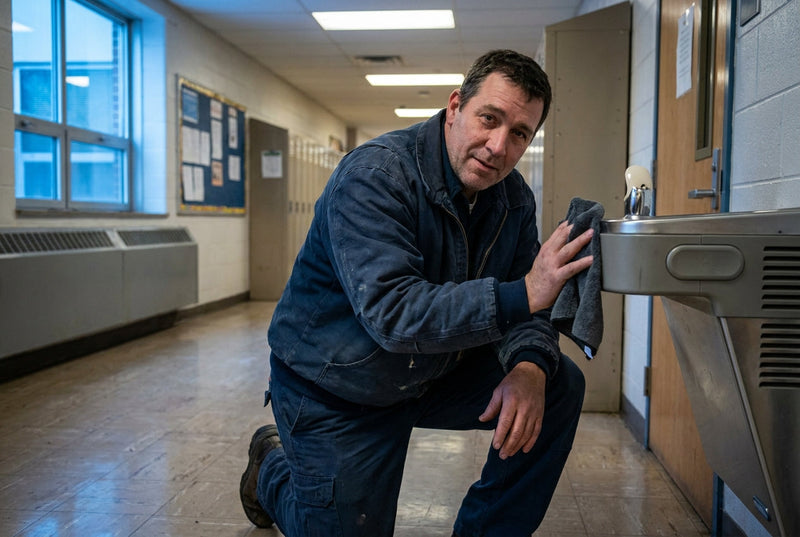
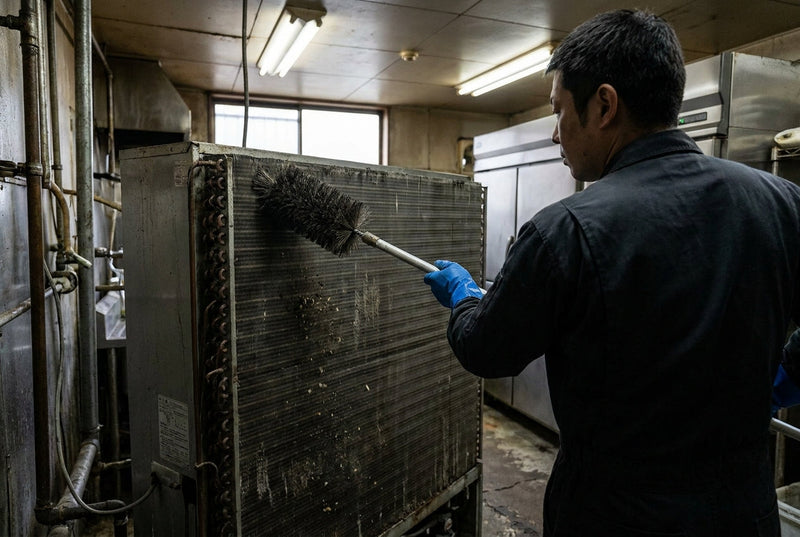
Protocols should detail the step-by-step procedures for cleaning, including the tools, cleaning solutions, and frequency required for each task. A key focus must be on the physical removal of residues and the prevention of cross-contact, where allergens are unintentionally spread from one surface to another. These specialized strategies are designed to support better indoor air quality and improve comfort for guests with sensitivities in all types of Facilities.
According to FDA guidelines on managing allergens, the established cleaning frequency should be adequate to keep allergen residues from building up. This means that high-traffic and high-touchpoint areas may require more frequent and intensive cleaning than less-used spaces. Proper staff training on these protocols is also essential to ensure consistent and effective execution across the property. The documentation provides a framework for consistency and a basis for verification and validation activities.
The Role of Cleaning Solutions in Allergen Removal
The choice of cleaning solution plays a significant part in the effectiveness of an allergen control program. Commercial cleaning procedures must be evaluated for their ability to remove the specific types of soils that can trap or consist of allergenic proteins. The primary mechanism of allergen removal is physical, and effective cleaning solutions facilitate this by breaking down and lifting grime and residues from surfaces.
Effective cleaning solutions support the removal of various residues, grime, and other contaminants that may harbor allergens. By reducing the overall soil load on a surface, the allergen load is also reduced, contributing to better indoor air quality and a more comfortable guest environment. The goal is to use solutions that clean thoroughly without leaving behind chemical residues that could act as irritants themselves.
For operators of high-use environments, CG Chemicals offers practical cleaning solutions that support surface preparation and maintenance. Products like New-Clear Blast are designed for multi-surface cleaning, while Surgical Strike assists with tough stains and soils. Using appropriate cleaners is part of a multi-step process that prepares surfaces by removing unwanted residue as part of a comprehensive cleaning protocol. When using any cleaning product, it is important to follow label directions. Use with adequate ventilation and avoid contact with eyes and prolonged skin contact.
Validating Allergen Cleaning Effectiveness
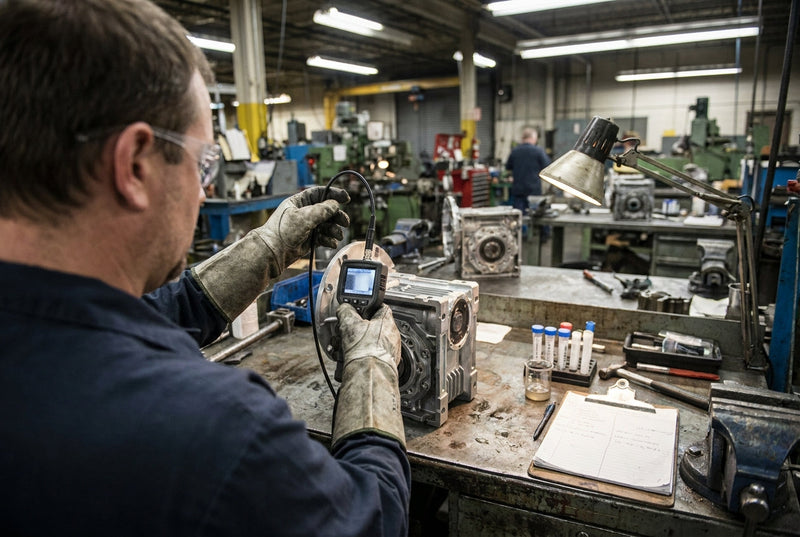
Simply following a cleaning protocol is not enough; validation is required to prove its effectiveness. Cleaning validation involves scientific testing to confirm that allergenic residues have been reduced to an acceptable level. Common methods include Enzyme-Linked Immunosorbent Assay (ELISA) and lateral flow immunoassay (LFI) testing. These tests can quantitatively or qualitatively detect specific allergen proteins on surfaces after cleaning.
This validation step is critical for ensuring that cleaning procedures are performing as intended. It provides tangible evidence that high-risk areas and equipment are free from significant allergen contamination. A negative test result gives confidence that the protocol is effective, while a positive result indicates that adjustments to the cleaning process are needed.
Regulatory guidance suggests that allergen cleaning validation should occur at least annually. It should also be performed whenever there are significant changes to the cleaning process, such as the introduction of new equipment, cleaning products, or staff. This systematic verification ensures the ongoing integrity of the allergen control program.
Meeting Guest Expectations for Allergy-Friendly Accommodations
Today’s travelers are more health-conscious than ever, and their expectations for accommodations reflect this trend. A significant number of guests actively seek out allergy-friendly rooms. Many travelers expect hotels and other lodging providers to address allergen concerns as part of a comfortable stay.
Providing accommodations that are consciously managed for allergens can be a powerful market differentiator. It demonstrates a commitment to guest well-being that goes beyond standard housekeeping. By implementing and promoting a robust allergen control program, hospitality businesses can attract and retain a loyal customer base of sensitive guests and their families.
Ultimately, a focus on reducing environmental triggers directly supports guest comfort and satisfaction. When guests with sensitivities can rest assured that a property takes their needs seriously, it enhances their entire experience. This commitment is often recognized through positive reviews and word-of-mouth recommendations, reinforcing the property's reputation for superior care and quality.
Regulatory and Compliance Considerations for Allergen Management
While specific regulations for airborne allergens in hospitality are less defined than in food production, guidance from bodies like the FDA provides a strong framework for best practices. These guidelines emphasize the need for documented allergen control plans, including clearly defined cleaning schedules and validated procedures for removal of allergenic residues.
Compliance in this context means having a systematic and defensible program. This includes maintaining records of staff training, cleaning schedules, and the results of any validation testing. Such documentation is essential for internal quality control and for demonstrating due diligence in providing a safe environment for guests.
The principle of regular validation, at least annually or following protocol changes, is a key compliance point. This ensures that the chosen cleaning methods remain effective over time at removing allergens. Adhering to these established principles helps minimize hygiene risks and provides a structured approach to allergen control in a hospitality setting.
Selection Checklist for Allergen Control Solutions
Developing an effective allergen control program requires careful selection of both protocols and products. Use this checklist as a guide for making informed decisions for your hospitality environment.
- Assess Your Environment: Identify the most common allergens present in your facility, such as dust mites, pet dander, pollen, or mold. This assessment will guide your cleaning strategy.
- Evaluate Cleaning Products: Select cleaning solutions based on their efficacy in removing a wide range of soils and residues. The product should clean effectively without introducing new irritants or leaving behind harmful films.
- Document Your Protocols: Ensure all cleaning procedures are clearly documented and accessible to staff. Protocols should specify the steps, frequency, tools, and products to be used for consistency.
- Prioritize Validation: Choose cleaning systems and solutions that are compatible with validation processes like ELISA or LFI testing. This allows you to confirm that your program is achieving the desired level of allergen reduction.
- Consider Safety and Profile: Review the safety data sheets for any cleaning solution. Prioritize products designed for high-use commercial areas that are aligned with your property's health and environmental standards. Always keep products out of reach of children.
Mechanism-to-Outcome Map: Enhanced Cleaning for Allergen Reduction
Understanding how specific cleaning actions lead to desired outcomes is key to an effective program. This map connects the 'how' with the 'why' in allergen control.
-
Mechanism: Physical removal through detailed wiping, HEPA-filter vacuuming, and washing of surfaces and fabrics.
Outcome: A measurable reduction of surface-bound allergens like dust mites and pet dander. -
Mechanism: Chemical dissolution of organic residues and soils that trap allergens.
Outcome: Improved effectiveness in removing sticky or embedded allergenic particles that simple dusting might miss. -
Mechanism: Implementation of systematic cleaning protocols with a defined frequency.
Outcome: Consistent control of allergen buildup, which helps keep allergen residues in check in the indoor environment over time. -
Mechanism: Use of validation testing such as ELISA or LFI kits post-cleaning.
Outcome: Empirical confirmation that cleaning protocols are successfully removing target allergens, ensuring the program's effectiveness and providing data for continuous improvement.
Clean and prep surfaces with CG Chemicals
If you are dealing with buildup, residues, or tough soil before maintenance or finishing work, CG Chemicals offers practical cleaning solutions for high-use environments. Explore New-Clear Blast and Surgical Strike based on your surface and soil type.
Sources
- https://pmc.ncbi.nlm.nih.gov/articles/PMC12113666/
- https://www.fda.gov/media/129671/download
- https://www.hospitalitynet.org/performance/4117861.html
- https://www.ehs.harvard.edu/programs/indoor-air-quality/allergens-and-irritants
- https://www.aafa.org/allergy-friendly-products/
- https://www.food-safety.com/articles/11362-best-practice-considerations-to-enhance-the-effectiveness-of-allergen-cleaning-and-validation
- https://pmc.ncbi.nlm.nih.ugc/articles/PMC12113666/
- https://www.food.gov.uk/research/food-hypersensitivity/international-review-of-the-literature-and-guidance-on-food-allergen-cleaning?print=1
- https://www.sciencedirect.com/science/article/pii/S0260877425001517
- https://www.hygiena.com/news/allergen-cleaning-control
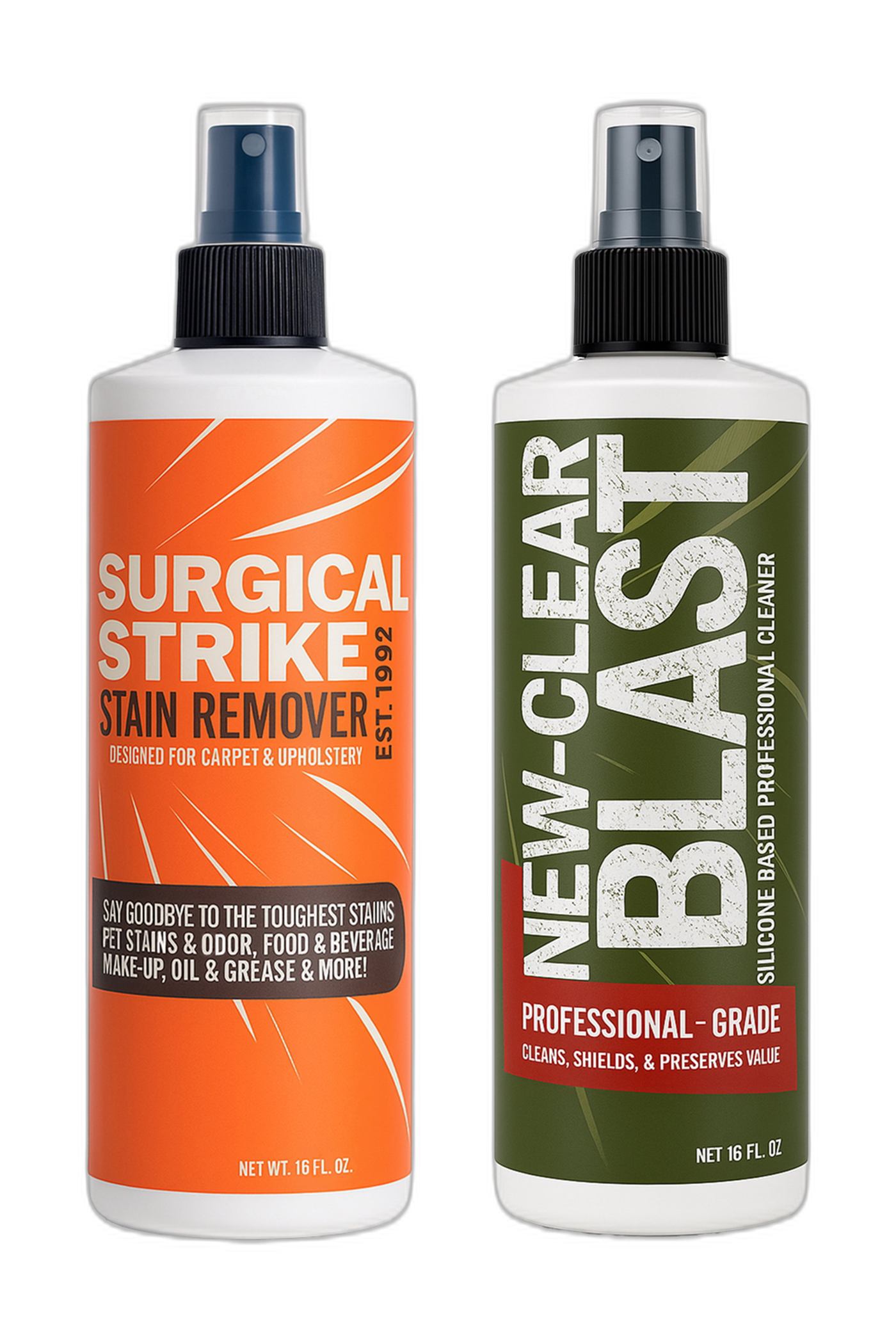
Two formulas. Serious range.
Use Surgical Strike for stains and odor, then New-Clear Blast to clean, shield and preserve hard surfaces.