Key Takeaways
- Post-disaster cleaning is a specialized recovery discipline, distinct from routine maintenance, addressing contamination, moisture, and structural hazards to restore safe facility function.
- Rapid moisture control is essential because mold can develop within 24 to 48 hours after water intrusion, posing significant health risks and causing further material degradation.
- Worker safety planning is mandatory as disaster sites can include unstable structures, electrical hazards, contaminated water, and other hazardous exposures requiring specific personal protective equipment (PPE) and protocols.
The Complexities of Post-Disaster Facility Cleaning
When a natural disaster strikes, the aftermath presents challenges that go far beyond routine janitorial work. Post-disaster facility cleaning is a controlled recovery process that must address widespread contamination, pervasive moisture, and serious structural hazards before normal operations can safely resume. Unlike standard cleaning, this specialized discipline is focused on comprehensive contaminant removal and environmental control to restore resilience and functionality in commercial and industrial settings.
The recovery process requires a multi-faceted approach. It involves not just cleaning, but deep remediation, structural assessment, and measures to ensure long-term safety from persistent hazards. These can include mold growth hidden within wall cavities, carcinogenic soot particles embedded in porous materials, or chemical contaminants left behind by floodwaters. The goal is to bring the environment back to a pre-loss condition that is safe for occupants and suitable for business continuity. and
Successfully managing the recovery of Facilities is a complex task. It demands meticulous planning, adherence to strict safety protocols, and an understanding of how different materials react to damage and contamination. Effective cleaning is the first step toward restoring a safe, functional, and resilient operational environment.
Water Damage: Rapid Response and Mold Remediation Strategies
Following a flood or significant water intrusion, time is the most critical factor. The primary goal of any water damage response is rapid drying and moisture source control to inhibit mold growth and prevent secondary deterioration of building materials. Mold can begin to grow on damp surfaces within just 24 to 48 hours, making immediate action essential for mitigating long-term problems.
Commercial facilities must implement material-specific remediation plans. Porous materials like drywall, carpet, and insulation often require removal and replacement if they cannot be dried completely and quickly. Non-porous surfaces such as metal, glass, and hard plastics can typically be cleaned and restored. A professional assessment is crucial to determine the extent of the water loss and the appropriate mitigation strategy.
According to the EPA, if mold growth covers an area greater than 10 square feet, specialized cleanup procedures are recommended. This often involves containment of the affected area to prevent the spread of mold spores, use of air filtration devices, and proper personal protective equipment for workers. Simply cleaning the visible mold is not enough; the underlying moisture problem must be resolved to prevent its return.
Fire Damage: Addressing Soot, Smoke Residue, and Odor
Recovering from a fire involves more than repairing structural damage. It requires a distinct and methodical approach to treating soot, smoke residue, and persistent odors. These combustion byproducts can penetrate deep into porous surfaces, saturate HVAC systems, and leave behind harmful contaminants that pose health risks if not properly addressed.
Effective fire restoration cleaning protocols must address both visible and hidden contamination. Soot is often oily and can smear easily, requiring specific cleaning agents to lift it from surfaces without causing further damage. Smoke residue can be acidic and corrosive over time. A comprehensive plan includes cleaning all surfaces, contents, and ductwork to achieve thorough air quality restoration and odor elimination.
The hazards present after a fire extend beyond the residues. Damaged structures, compromised utilities, and the presence of pervasive smoke and soot create a dangerous environment for recovery teams. This work necessitates specialized training and cleaning techniques to ensure the site is not only clean but also safe for subsequent repair work and eventual re-occupancy.
Material-Specific Cleaning Approaches for Facility Recovery
A one-size-fits-all cleaning solution is ineffective and potentially damaging in a post-disaster scenario. Selecting the correct remediation path for each material type is crucial for successful recovery. Different materials found in commercial and industrial facilities, such as concrete, steel, drywall, and insulation, react differently to water, fire, and chemical contaminants and therefore demand specific cleaning protocols.
For example, power washing might be suitable for contaminated concrete floors, but this method would destroy saturated drywall. Similarly, the cleaning agents used on structural steel must effectively remove soot without accelerating corrosion. Tailored approaches ensure that surfaces are properly cleaned and prepared for any subsequent steps, supporting long-term structural integrity and appearance.
Proper surface preparation is a key part of this process. Surfaces may need further cleaning before repairs or refinishing can begin. Solutions like New-Clear Blast can be part of a material-specific plan, used to clean surfaces and help prepare them for the next stage of restoration.
Failure Modes and Operational Risks in Post-Disaster Recovery
The stakes are high in post-disaster recovery, and shortcuts can lead to significant long-term consequences. Understanding the common failure modes is essential for mitigating operational risks and ensuring a successful restoration.
- Moisture Control Failure: The failure to control moisture rapidly and completely is a primary risk. This oversight almost inevitably leads to widespread mold growth, which compromises indoor air quality and causes further degradation of structural components.
- Incomplete Contaminant Removal: In fire-damaged facilities, the incomplete removal of soot and smoke residues is another critical failure. This results in persistent, unpleasant odors, the recontamination of cleaned areas through the HVAC system, and potential long-term health risks for occupants.
- Ignoring Structural Hazards: Overlooking or improperly addressing structural damage can have catastrophic consequences. This can lead to immediate safety hazards for recovery teams and future occupants, as well as significantly increased repair costs down the line, ultimately hindering the facility's return to safe operations.
Mechanism-to-Outcome Map: From Contamination to Functional Safety
Understanding the direct link between an action (or inaction) and its result is vital in post-disaster planning. This mechanism-to-outcome map illustrates the critical cause-and-effect relationships during facility recovery.
-
Mechanism: Uncontrolled water intrusion from flooding or firefighting efforts.
Outcome: Rapid mold growth and secondary deterioration of porous building materials, often occurring within 24 to 48 hours. -
Mechanism: Inadequate cleaning and removal of combustion residues after a fire.
Outcome: Persistent odors, recontamination of clean spaces via air systems, and long-term air quality issues from embedded particulates. -
Mechanism: Overlooking or failing to implement proper worker protection measures.
Outcome: Increased risk of injury or illness due to exposure to hazardous materials, unstable structures, electrical hazards, and contaminated environments.
Regulatory, Safety, and Compliance Considerations for Recovery Teams
A successful recovery operation is not only effective but also compliant and safe. Worker protection is a core component of any restoration plan. Post-disaster sites are fraught with hazards, including mold, asbestos, lead, chemical residues, and structurally unsound components. OSHA provides specific guidance for working in these conditions to mitigate risks for recovery personnel.
For facility-scale recovery efforts involving water damage, the EPA's guidance on mold remediation in schools and commercial buildings is a directly relevant and authoritative resource. It provides a framework for assessing and addressing mold contamination, which is one of the most common and challenging aspects of post-disaster cleaning.
Finally, meticulous documentation is essential for both regulatory compliance and financial recovery. Documented recovery work, including photographs, detailed scopes of work, moisture readings, drying logs, and waste disposal records, is critical for supporting insurance claims and applications for public assistance programs like those managed by FEMA.
Selection Checklist for Post-Disaster Cleaning Solutions
Choosing the right cleaning solutions is a critical decision in the recovery process. Facility managers and restoration professionals should evaluate products based on their suitability for the unique challenges of a disaster site. Here is a practical checklist to guide selection:
- Assess Solution Efficacy: Does the product demonstrate effectiveness against the specific contaminants present, such as mold, mildew, soot, smoke residues, and various chemical buildups? The chosen solution must be capable of addressing the unique soil load.
- Ensure Material Compatibility: Is the solution compatible with the range of industrial surfaces and materials in the facility? It must clean effectively without causing damage to substrates like metal, concrete, or finished surfaces.
- Verify Support for Surface Preparation: Does the solution assist with preparing surfaces for subsequent maintenance, repairs, or refinishing work? For example, products like Surgical Strike are formulated to help remove tough stains and residues as part of a comprehensive cleaning protocol.
- Confirm Alignment with Safety Guidelines: Does the product's use align with established safety guidelines for commercial and industrial environments? This includes reviewing safety data sheets (SDS) and ensuring it can be used safely by trained personnel with appropriate PPE.
Restoring Business Continuity and Long-Term Facility Resilience
The ultimate goal of post-disaster recovery is to safely restore business continuity. Return-to-service decisions must be based on comprehensive contaminant removal and functional safety, not just visible cleanliness. This is especially true for critical areas like HVAC systems, regulated production zones, and employee work areas.
Investing in effective post-disaster cleaning and proper surface preparation reduces long-term costs. It helps prevent issues associated with hidden damage, persistent hazards like mold, and the potential for future operational downtime. A thorough restoration helps ensure that the facility is truly ready to resume its function without lingering risks to products or personnel.
Proper restoration quality also aids in insurance readiness and facilitates a smoother, safer operational restart. By following a structured and technically sound recovery plan, facilities can emerge from a disaster more resilient and better prepared for the future. A comprehensive view of all potential applications can be found in our Applications list.
Clean and prep surfaces with CG Chemicals
If you are dealing with buildup, residues, or tough soil before maintenance or finishing work, CG Chemicals offers practical cleaning solutions for high-use environments. Explore New-Clear Blast and Surgical Strike based on your surface and soil type.
Sources
- https://www.osha.gov/disaster-response
- https://www.cdc.gov/mold-health/about/index.html
- https://www.epa.gov/mold/mold-remediation-schools-and-commercial-buildings-guide
- https://www.iicrc.org/page/WaterDamageRestoration
- https://www.epa.gov/mold/brief-guide-mold-moisture-and-your-home
- https://www.nfpa.org/education-and-research/home-fire-safety/after-a-fire
- https://www.fema.gov/grants/guidance-tools/public-assistance-program-and-policy-guide/public-assistance-program-and-policy-guide
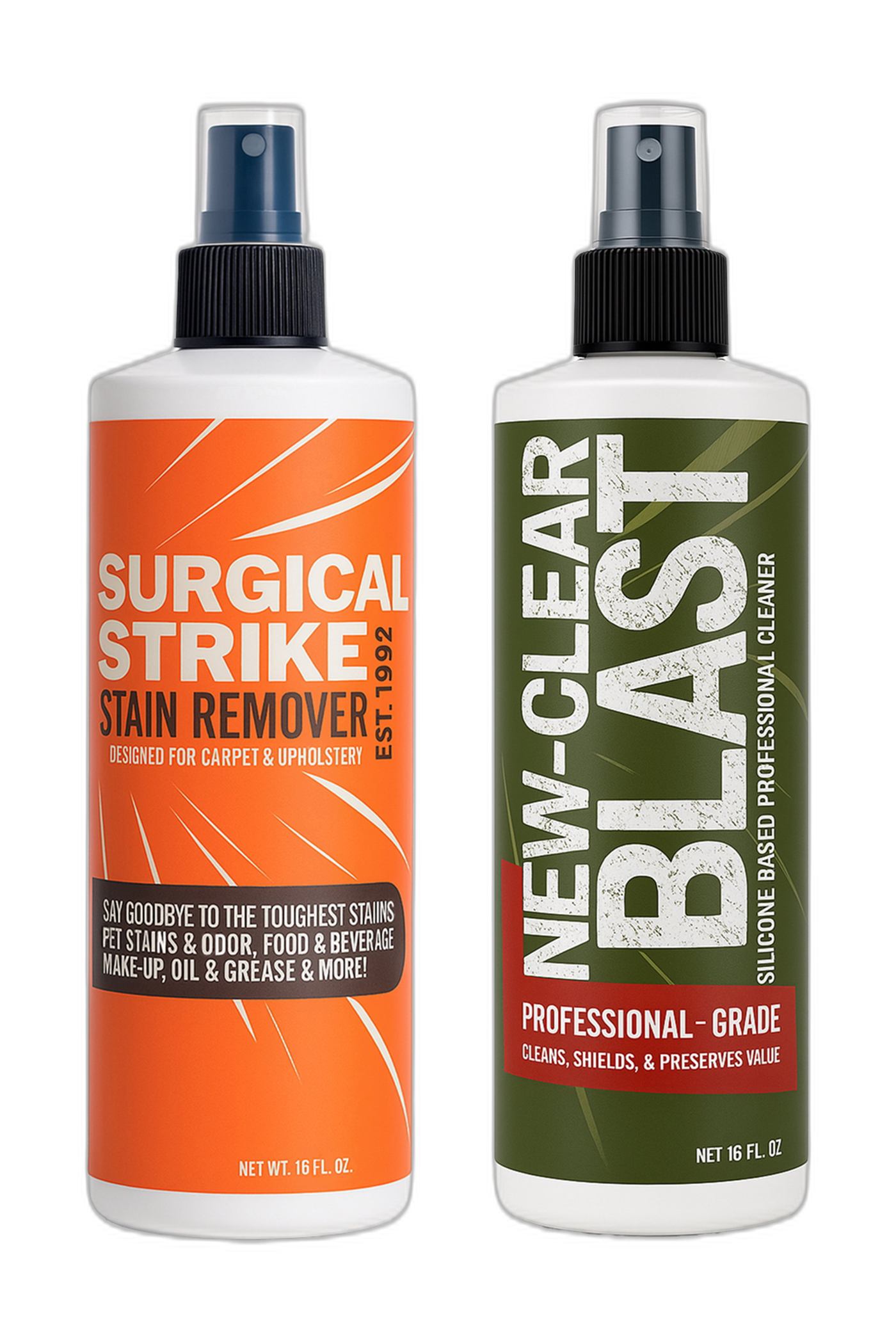
Two formulas. Serious range.
Use Surgical Strike for stains and odor, then New-Clear Blast to clean, shield and preserve hard surfaces.