Key Takeaways for Industrial Decision-Makers
- Advanced surface preparation is a critical step for industrial coatings. Using modern, eco-friendly chemistries helps prepare surfaces by addressing surface energy, which is a factor in coating adhesion.
- Quality control is essential for validating surface preparation. Standards like ISO 17025 outline general requirements for the competence of testing laboratories, supporting the integrity of the surface analysis process.
- Market analysis indicates a growing demand for durable, high-performance industrial coatings. The success of these coatings often depends on the quality of the initial surface cleaning and preparation.
- Technical methods for quality inspection, such as using specific image convolution filters, can help detect surface differences and potential defects before coating application, supporting a higher quality outcome.
The Foundation of Coating Longevity
The long-term performance and corrosion resistance of industrial coatings begin long before the coating is applied. Meticulous surface preparation serves as the foundation for coating longevity. Without a properly cleaned and prepared substrate, even the most advanced coating systems can fail prematurely. Contaminants like oils, grease, dust, and oxides can interfere with the bond between the coating and the surface.
Proper surface treatment is a key factor in the performance and integrity of industrial coatings across various manufacturing sectors. A clean, properly profiled surface provides the necessary conditions for a coating to adhere uniformly and effectively. As market trends show an increasing demand for durable and long-lasting coatings, the importance of adequate surface cleaning becomes even more pronounced. Facility managers and procurement specialists recognize that investing in the preparation phase is crucial for protecting valuable assets and minimizing future maintenance costs.
Leveraging Advanced Cleaning Chemistries
The field of surface preparation is evolving, with a growing emphasis on advanced cleaning chemistries. Modern formulations are often designed to be more effective and align with environmental goals. The use of eco-friendly chemistries in surface preparation is becoming more common as industries seek to reduce their environmental impact without compromising on quality.
These advanced chemistries are developed to support coating adhesion by helping to modify surface energy. Surface energy affects how a liquid coating spreads over, or 'wets', a substrate. A properly cleaned surface with appropriate surface energy is more receptive to coating application. Selecting the right cleaning solutions for a specific substrate and contaminant type is a critical step in preparing surfaces for optimal coating results.
Optimizing Coating Adhesion and Durability
The primary goal of advanced surface treatment is to create the ideal conditions for coating adhesion. The bond between a coating and the substrate is a direct result of the cleanliness of the surface. Effective cleaning removes both visible and microscopic contaminants that can act as a barrier, preventing a strong, uniform bond from forming.
Preparing a surface with specialized cleaning solutions helps create a more receptive substrate. This process supports stronger adhesion, which is fundamental to the coating's durability and ability to protect the underlying material. Industrial coatings applied to thoroughly prepared surfaces are better positioned to withstand harsh operational conditions, including chemical exposure, abrasion, and environmental stressors.
Quality Control in Surface Analysis
Ensuring that a surface is properly prepared requires robust quality control measures. International standards provide a framework for these processes. For instance, ISO 17025 specifies the general requirements for the competence, impartiality, and consistent operation of testing and calibration laboratories, which can be applied to surface analysis. Adherence to such standards helps validate that the surface preparation methods used are effective and repeatable.
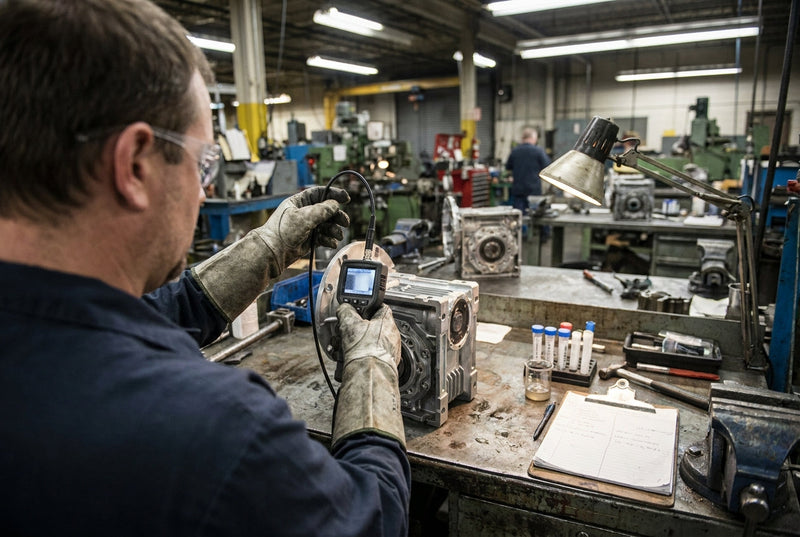
In addition to standardized testing, advanced analytical techniques can aid in quality inspection. For example, specific image processing methods, including the use of [-1, 1] convolution filters, can be employed for precise surface defect detection. These technical tools allow operators to identify and address subtle imperfections on a substrate before the coating is applied, helping to prevent potential points of failure.
Operational Risks and Coating Performance
Insufficient surface preparation poses a significant operational risk, directly compromising the integrity and performance of industrial coatings. When contaminants like oils, salts, or fine particulates are left on a surface, they can lead to poor adhesion. This can manifest as blistering, peeling, or cracking of the coating over time, exposing the substrate to corrosive elements.
These failures not only reduce the effectiveness of the protective coating but can also lead to costly downtime and rework. A structured analysis of common coating preparation issues reveals that many premature failures can be traced back to the initial cleaning phase. Properly addressing surface readiness is therefore a critical risk mitigation strategy.
Mechanisms Driving Effective Surface Treatment
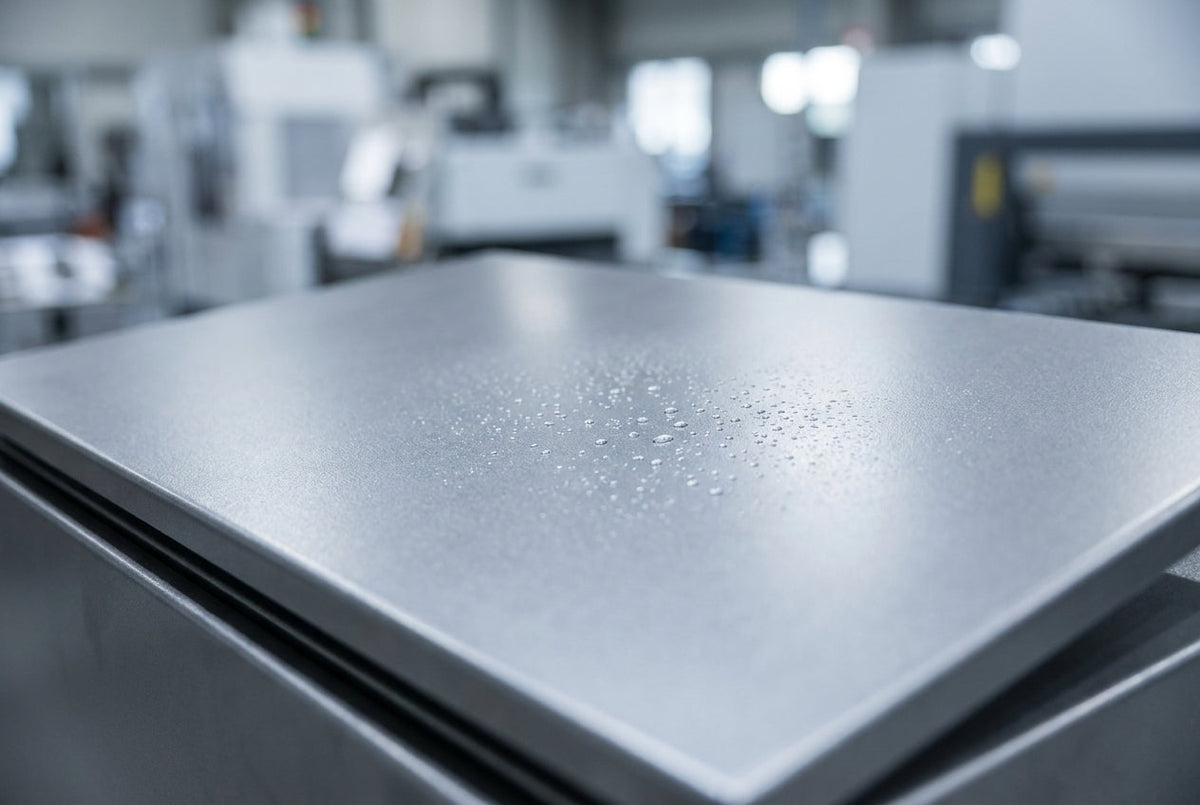
The effectiveness of advanced surface treatment is driven by specific scientific principles. One core mechanism is the optimization of surface energy. Cleaning chemistries are designed to remove low-surface-energy contaminants like oils and grease. This process helps to achieve a state that allows for better wettability, meaning the liquid coating can spread evenly and make intimate contact with the substrate.
Precision in the cleaning process is paramount for achieving consistent results. Employing specific chemistries that target microscopic contaminants creates a uniformly clean substrate, which is necessary for reliable coating adhesion. As market demand for more durable coatings continues to grow, the need for precise and effective surface preparation processes becomes even more critical for manufacturers.
Regulatory and Quality Standards for Surface Preparation
In industrial settings, adherence to established standards is crucial for ensuring quality and reliability. For surface preparation and analysis, standards like ISO 17025 provide a vital framework. This standard sets forth the requirements for laboratories to demonstrate they are technically competent and able to produce valid and reliable results.
Following such standards helps create a system of quality control for validating surface preparation methods. By conforming to recognized quality benchmarks, companies can support the performance claims of their coating systems. This structured approach builds confidence that surfaces are consistently prepared to the required specifications for high-use and critical environments.
Selecting the Right Surface Prep Solution: A Checklist
Choosing an appropriate cleaning and preparation solution is a key decision. Operations managers and maintenance teams should consider several factors to align with project goals and industry standards. Here is a practical checklist to guide the selection process:
- Evaluate Surface Energy Impact: Prioritize cleaning solutions formulated to remove contaminants that interfere with surface energy, which helps prepare the substrate for coating adhesion.
- Consider Environmental and Regulatory Alignment: Select products that are compatible with your facility's environmental initiatives, reflecting modern industrial trends.
- Validate Cleaning Efficacy: Whenever possible, confirm the effectiveness of a cleaning process through testing methods that align with recognized standards, such as those outlined in frameworks like ISO 17025.
- Match Solution to the Task: Consider specific solutions for different needs. For example, a multi-surface cleaner like New-Clear Blast can be used for general cleaning, while a product like Surgical Strike is suitable for more demanding degreasing and stain removal tasks.
Sustaining Performance Through Strategic Surface Preparation
Ultimately, a strategic approach to surface preparation is fundamental to the success of any industrial coating project. Meticulous cleaning and prep work are not just preliminary tasks; they are foundational pillars that support the durability and longevity of the final coating.
Employing advanced cleaning solutions helps prepare surfaces for enhanced adhesion and supports the material integrity of assets across a wide range of manufacturing applications. This focus on the initial preparation stage contributes directly to operational efficiency, asset protection, and long-term performance in demanding industrial environments. As companies continue to seek reliable and high-performing systems, the quality of surface treatment, guided by standards and effective chemistries, will remain a critical factor.
Clean and prep surfaces with CG Chemicals
If you are dealing with buildup, residues, or tough soil before maintenance or finishing work, CG Chemicals offers practical cleaning solutions for high-use environments. Explore New-Clear Blast and Surgical Strike based on your surface and soil type.
Sources
- https://cen.acs.org/materials/coatings/Eco-friendly-surface-preps-boost-coatings/102.v20.e18
- https://www.iso.org/standard/73500.html
- https://www.frost.com/markets/industrial/coatings/
- https://bartwronski.com/page/2/
- http://lrec-conf.org/proceedings/lrec2026/workshops/cl4health/2026.cl4health-1.0.pdf
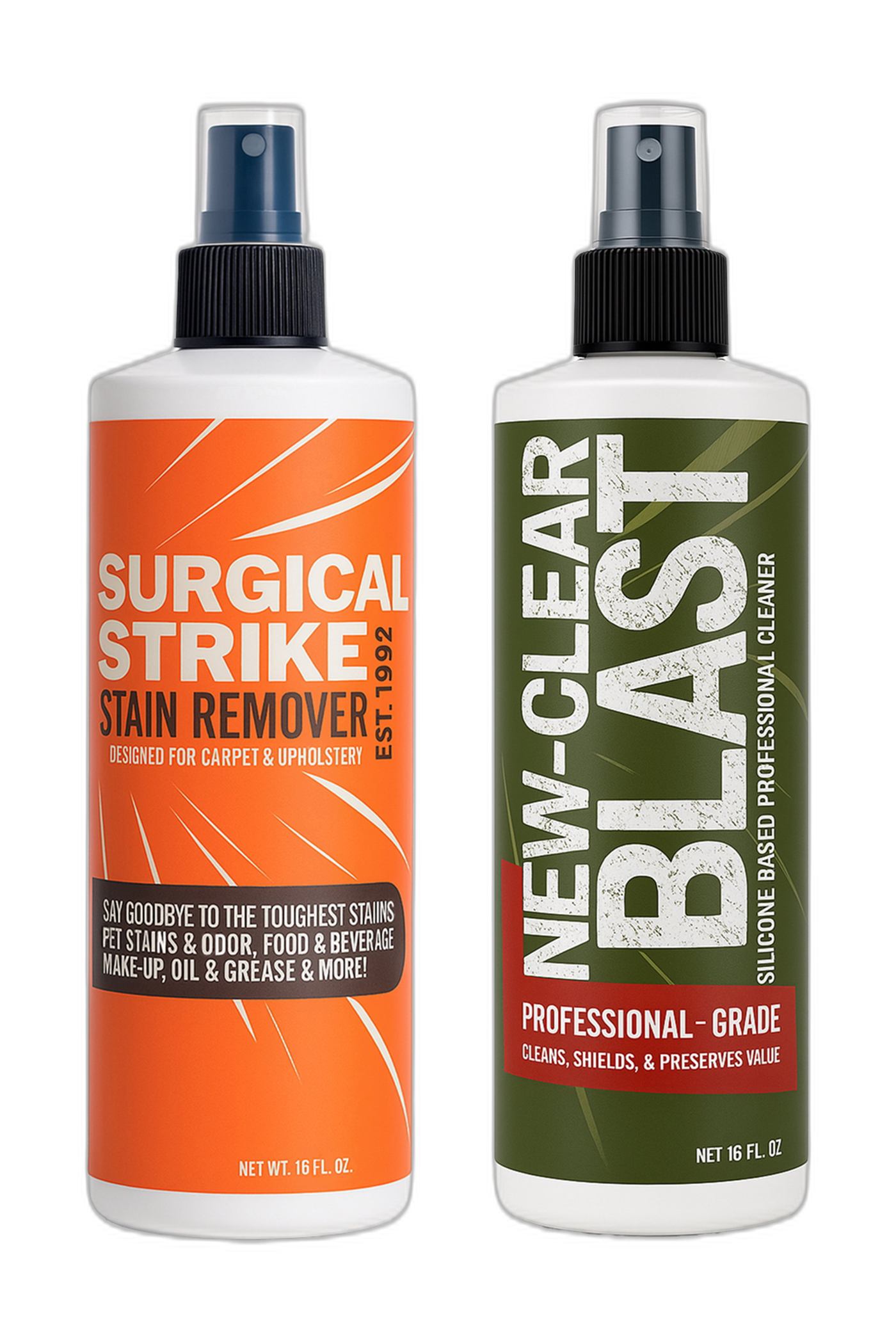
Two formulas. Serious range.
Use Surgical Strike for stains and odor, then New-Clear Blast to clean, shield and preserve hard surfaces.