Introduction: Elevating Fan Experience Through Advanced Cleaning
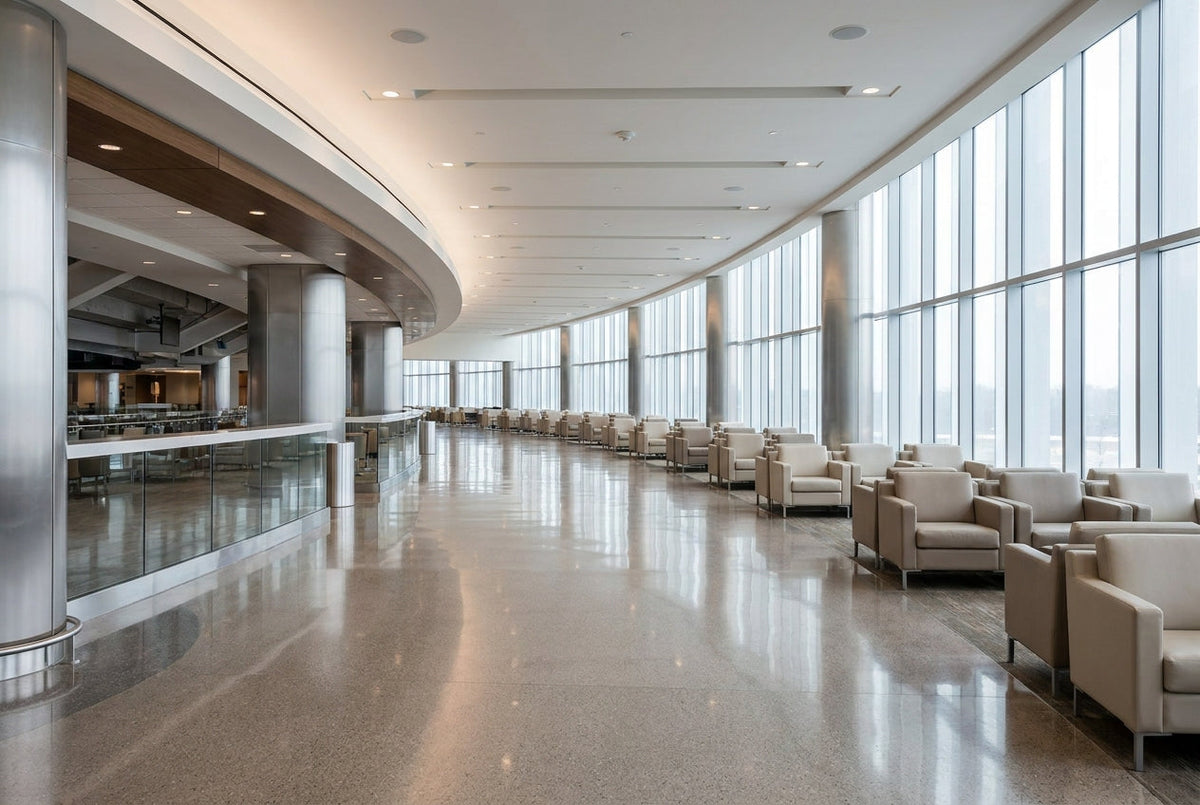
For sports stadiums, concert arenas, and large entertainment complexes, the fan experience begins long before the main event. A critical, yet often overlooked, component of this experience is the cleanliness and hygiene of the venue. Specialized cleaning strategies are essential for maintaining not just aesthetic appeal but also public health and operational efficiency. The scale and traffic of these venues demand protocols that go beyond standard janitorial services.
Effective cleaning directly contributes to fan satisfaction and the protection of valuable facility assets. When patrons enter a space that is visibly clean and well maintained, it builds confidence and allows them to focus on the event. From seating areas and concessions to restrooms and concourses, a comprehensive approach to cleaning supports a positive and memorable experience.
Advanced cleaning involves more than just surface-level tidiness. It encompasses everything from high-touch surface cleaning to the care of specialized materials found throughout the venue. Maintaining cleanliness across both guest-facing zones and back-of-house areas like kitchens and staff corridors is necessary for holistic operational success. This integrated approach helps prepare a venue that is ready for every event, ensuring that hygiene standards support the overall mission of providing a premier guest experience.
Key Takeaways for Venue Cleaning Operations
- Risk-based protocols are fundamental. Advanced venue cleaning distinguishes routine cleaning from targeted disinfection, focusing resources on high-touch and high-traffic areas to manage hygiene risks effectively.
- Operational safety is paramount. Chemical compatibility, comprehensive worker training, and strict adherence to label directions are necessities. Incorrect product use can create safety hazards and cause damage to venue surfaces.
- Turnaround speed is a key performance indicator. Cleaning operations in sports and entertainment venues must be completed efficiently between events. This makes workflow design, staffing, and equipment choice central to performance.
- Sustainability goals can align with performance. Green cleaning standards can support a venue’s sustainability initiatives while meeting the demanding performance requirements of a public-facing facility.
- Specialized surfaces require specialized care. Textile areas like upholstered seating and carpets hold soil differently than hard surfaces, requiring specific methods to control odors, manage appearance, and support asset life.
Implementing Risk-Based Cleaning Protocols
A modern approach to venue cleaning is risk-based, prioritizing areas that pose the greatest potential for contamination. Rather than applying the same intensive process everywhere, this strategy involves targeted disinfection for high-touch surfaces like door handles, railings, elevator buttons, and restroom fixtures. This method allows for the routine cleaning of other shared spaces, such as floors and walls, where the risk is lower.
Distinguishing between cleaning and disinfecting is crucial for efficiency. Cleaning removes dirt and impurities from surfaces, while disinfecting uses EPA-registered products applied as directed on their labels. In a large venue, it is neither practical nor necessary to apply disinfectant to every surface. A risk-based plan allocates resources, such as labor and chemical products, more effectively, focusing intense efforts where they matter most for public health.
This strategic approach aligns with guidance from public health organizations for maintaining hygiene in large public Facilities. By identifying and focusing on critical control points, venue managers can maintain a hygienic environment for fans and staff without incurring unnecessary costs or labor. A well-designed, risk-based program is the foundation of a cleaning operation that is both effective and sustainable.
Rapid Turnaround Strategies for Event Readiness
The schedule for a major sports or entertainment venue is often packed, with little time between one event ending and the next beginning. Rapid turnaround cleaning is a core operational requirement. Success depends on highly efficient workflows, the right equipment, and seamless coordination between cleaning crews and other operations teams. The goal is to restore the entire venue to a state of complete readiness within a tight time window.
Workflow design is central to achieving this speed. This includes mapping out cleaning routes, assigning specific tasks to teams, and staging supplies and equipment in strategic locations to minimize transit time. Leveraging technology, such as smart-cleaning sensors that indicate restroom usage or waste bin levels, can help direct staff to areas needing immediate attention, further optimizing the process.
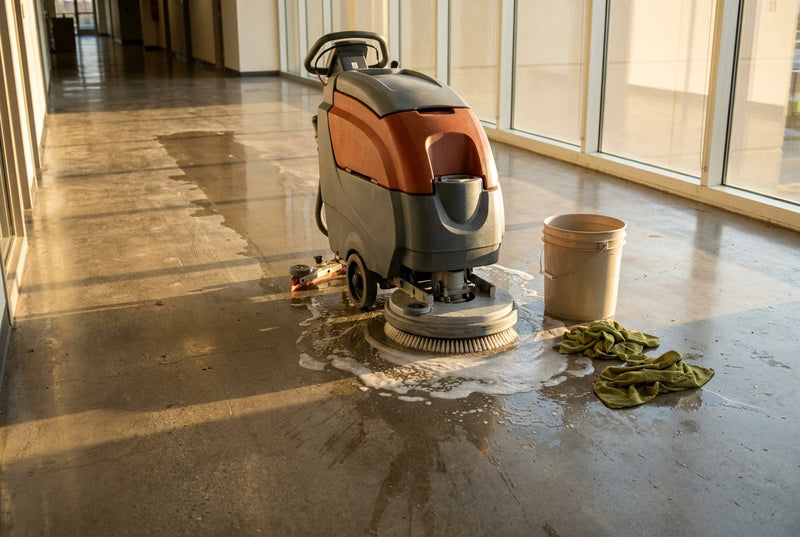
Equipment selection also plays a significant role. High-capacity floor scrubbers, backpack vacuums, and electrostatic sprayers can cover large areas much faster than traditional methods. When combined with optimized staffing models and well-trained personnel, these tools help reduce the downtime between events, allowing the venue to maximize its booking calendar and revenue potential.
Chemical Management and Worker Safety
Effective and safe cleaning operations depend on rigorous chemical management and comprehensive worker training. Cleaning products, while essential, can present exposure and surface damage risks if they are not stored, handled, and used correctly. A foundational element of a safe program is adherence to OSHA's Hazard Communication Standard, which ensures that information about chemical hazards is communicated to workers.
This standard requires proper chemical labeling, accessible Safety Data Sheets (SDS) for every chemical used, and thorough employee training. The SDS provides critical information on handling, storage, first aid measures, and personal protective equipment (PPE). Training should cover how to read an SDS, proper dilution procedures, and the specific hazards associated with each product.
Proper handling protects the venue's assets. Using a chemical that is not compatible with a particular surface can cause irreversible damage, such as discoloration, corrosion, or degradation. Selecting appropriate solutions for different tasks, such as New-Clear Blast for multi-surface applications or Surgical Strike for targeted stain and odor reduction, is part of a holistic approach. When used as directed, these products can assist with maintenance programs and help extend the life of surfaces and equipment.
Specialized Cleaning for Diverse Venue Surfaces
Sports and entertainment venues contain a wide array of surfaces, each with unique cleaning requirements. Textile surfaces, such as carpeted walkways and upholstered seating, present a particular challenge. Unlike hard surfaces, they trap and hold soil, liquids, and odors, which can degrade their appearance and shorten their service life if not properly maintained.
These areas require specialized cleaning methods that go beyond routine vacuuming. Periodic deep cleaning, such as hot water extraction or low-moisture encapsulation, is necessary to remove embedded grime and allergens. Addressing spills and stains quickly is also critical to prevent them from setting permanently. For professional operations, standards like IICRC S100 provide a reference for best practices in textile floor covering cleaning.
Effective management of textile surfaces is vital for guest satisfaction. Unpleasant odors and visible staining can significantly detract from the fan experience. A proactive maintenance program that includes specialized cleaning techniques helps preserve the aesthetic quality of these assets, control odors, and extend their functional lifespan, ultimately protecting the venue's investment.
Failure Modes or Operational Risks
Even with a plan in place, several operational risks can undermine a venue's cleaning program. One of the most significant is the incorrect use of chemicals. Applying a product that is not compatible with a surface can lead to costly damage, while improper dilution or handling can create exposure risks for staff and guests.
Inadequate cleaning, particularly in high-touch areas, is another major failure mode. If protocols are not followed consistently, hygiene can be compromised, which can affect fan confidence and the venue's reputation. This risk is amplified in high-traffic environments where contamination can spread quickly.
Operational failures can also occur in back-of-house areas. A problem in a concession stand kitchen or a poorly maintained staff restroom can have ripple effects on the overall fan experience. A lack of adherence to established protocols, whether due to insufficient training or poor oversight, can result in inconsistent cleanliness, impacting both public perception and the longevity of facility assets.
Mechanism-to-Outcome Map for Cleaning Efficiency
Understanding the link between cleaning actions and their results is key to optimizing any venue maintenance program. Here is a breakdown of key mechanisms and their expected outcomes:
-
Mechanism: Chemical compatibility and appropriate product selection.
Outcome: This prevents surface damage, maintains asset integrity, and helps ensure worker safety by using solutions as intended. -
Mechanism: Risk-based cleaning protocols focusing on high-traffic and high-touch areas.
Outcome: This approach achieves efficient hygiene, reduces the waste of resources like chemicals and labor, and targets the actual points of contamination. -
Mechanism: Optimized rapid turnaround workflows and modern equipment.
Outcome: This minimizes downtime between events, which supports maximum venue utilization and revenue potential. -
Mechanism: Specialized cleaning methods for varied surfaces like textiles and upholstery.
Outcome: This extends the life of materials, preserves their aesthetic quality, and effectively manages odors, contributing to a better guest environment.
Regulatory, Safety, and Compliance Considerations
Operating a large public venue requires strict adherence to a range of regulatory and safety standards. For cleaning operations, a primary regulation is OSHA’s Hazard Communication Standard (29 CFR 1910.1200). This mandates that workers are informed about chemical hazards through clear container labels and accessible Safety Data Sheets (SDS).
Beyond worker safety, cleaning programs must also align with public health guidance. Recommendations from organizations like the CDC provide a framework for developing effective cleaning and disinfecting protocols for large facilities, helping to protect both staff and the public.
Additionally, other safety standards may apply depending on the tasks being performed. For example, the NFPA 70E standard for electrical safety is relevant when cleaning crews use powered equipment or work near electrical systems. Compliance with these standards is not optional; it is a fundamental part of responsible venue management that protects employees, mitigates liability, and ensures the facility meets all operational safety requirements.
Cleaning Program Selection Checklist for Venue Managers
When evaluating a new or existing cleaning program, facility managers should ask several key questions to ensure it meets the unique demands of a sports and entertainment venue:
- Does the program utilize risk-based protocols that differentiate between routine cleaning and targeted disinfection for high-touch and high-traffic areas?
- Are the specified cleaning products chemically compatible with all venue surfaces to prevent damage and ensure safety?
- Does the plan include detailed rapid turnaround strategies and workflows designed to minimize downtime between events?
- Are all cleaning chemicals supported by up-to-date Safety Data Sheets (SDS), and is comprehensive worker training on chemical safety provided?
- Does the program address the specialized cleaning and maintenance needs for textile floor coverings and upholstered seating to preserve asset life?
- For venues with sustainability goals, does the program offer environmentally preferable product options, such as those meeting standards like Green Seal GS-37?
Clean and prep surfaces with CG Chemicals
If you are dealing with buildup, residues, or tough soil before maintenance or finishing work, CG Chemicals offers practical cleaning solutions for high-use environments. Explore New-Clear Blast and Surgical Strike based on your surface and soil type.
Always use cleaning products with adequate ventilation. Avoid contact with eyes and prolonged skin contact. Keep out of reach of children. Follow label directions for proper use.
Sources
- https://www.cleanlink.com/hs/article/Stadium-and-Arena-Cleaning-Trends-And-Technology--29304
- https://www.facilitiesnet.com/cleaning/article/Smart-Cleaning-in-Stadiums-and-Arenas--29267
- https://www.cdc.gov/coronavirus/2019-ncov/community/disinfecting-building-facility.html
- https://www.osha.gov/hazcom
- https://www.cdc.gov/niosh/topics/cleaning/default.html
- https://www.nfpa.org/codes-and-standards/nfpa-70e-standard-for-electrical-safety-in-the-workplace
- https://www.greenseal.org/standards/gs-37/
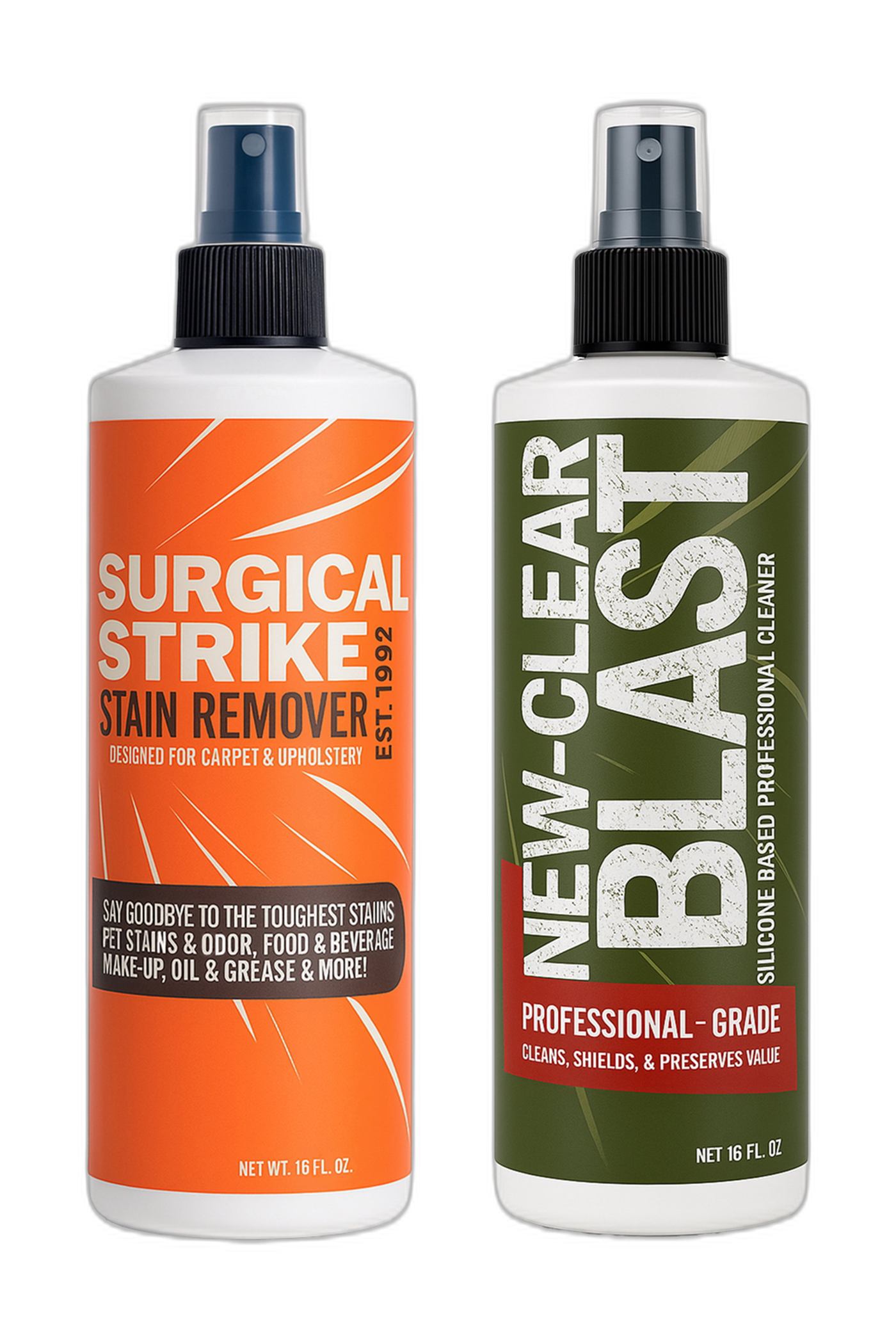
Two formulas. Serious range.
Use Surgical Strike for stains and odor, then New-Clear Blast to clean, shield and preserve hard surfaces.