Outdoor public art, monuments, and statues are defining features of our shared spaces, but they face unique and constant environmental pressures. Unlike artifacts housed in climate-controlled museums or standard building surfaces, these installations are continuously exposed to pollution, acid rain, biological growth, and the risk of vandalism. Their preservation requires a specialized approach that prioritizes material health and long-term stability.
Maintaining the aesthetic integrity and structural soundness of these cultural assets demands a preservation-first mindset. This approach focuses on using the least invasive methods possible to clean and maintain surfaces. It involves careful assessment, material-compatible chemistry, and a deep understanding of how to address specific contaminants without causing irreversible harm to heritage materials. Successful preservation is not just about cleaning; it is about stewardship for future generations.
Key Takeaways for Public Art Preservation
For city departments, conservators, and maintenance teams, adhering to best practices is fundamental. A successful preservation strategy is built on caution, documentation, and a methodical approach. The following principles serve as a foundational guide for any cleaning or maintenance work on public monuments and art installations.
- Start with the Least Aggressive Method: The core principle of monument care is to begin with the gentlest means possible. Before any work starts, it is crucial to document the existing conditions. Any cleaning test should be conducted on a small, discreet area to assess the impact.
- Avoid Damaging Tools and Techniques: Methods such as sandblasting, using power tools, or applying high-pressure washing can cause permanent and significant damage to historic materials. These abrasive techniques can erode delicate surfaces and should be avoided.
- Match the Method to the Material: The effectiveness and safety of a cleaning method depend entirely on its compatibility with the substrate. Whether dealing with general grime or graffiti, the chosen solution must not harm the underlying material.
- Consult Specialists for Complex Tasks: For graffiti removal on heritage assets, engaging specialist contractors is often the best course of action. Professionals can manage public safety concerns, secure necessary consents, and protect adjacent surfaces during the cleaning process.
- Adopt Thorough Planning Protocols: Foundational requirements for any cleaning project include comprehensive documentation, detailed method statements outlining the process, and thorough risk assessments. This planning ensures the work is performed safely and effectively.
Understanding Threats: Environmental Degradation and Vandalism
Outdoor art installations are in a constant battle with their environment. Airborne pollutants from traffic and industry can settle on surfaces, creating a layer of grime that traps moisture and accelerates deterioration. Acid rain can etch delicate stone and metal surfaces over time, leading to a loss of detail and structural integrity.
Beyond atmospheric threats, biological growth presents another significant challenge. Algae, lichen, and mold can take root on porous surfaces, causing discoloration and physical damage as they grow. Bird droppings are not only unsightly but their acidic nature can also stain and damage materials if not removed promptly. Each of these environmental factors requires a targeted cleaning approach to mitigate its impact.
Vandalism, particularly graffiti, poses a distinct and often urgent problem. The materials used in graffiti, such as spray paint and permanent markers, can penetrate porous substrates, making removal difficult. A quick response is often recommended to deter repeat incidents and prevent the graffiti from setting permanently into the material. The challenge lies in finding cleaning and surface-prep solutions that are effective against these specific contaminants without harming the original artwork.
The Preservation-First Approach: Gentle and Effective Cleaning
A preservation-first approach is methodical and cautious, ensuring that any intervention does more good than harm. The first step in any cleaning project is comprehensive documentation. This involves taking detailed photographs and notes of the object's condition before any work begins, creating a baseline for assessing the results of the cleaning process.
Before committing to a full-scale cleaning, it is mandatory to conduct a small test patch. This test should be performed on a discreet area of the monument, typically no larger than six by six inches. The purpose is to evaluate how the cleaning product and technique interact with the specific material, checking for any adverse effects like discoloration or etching.
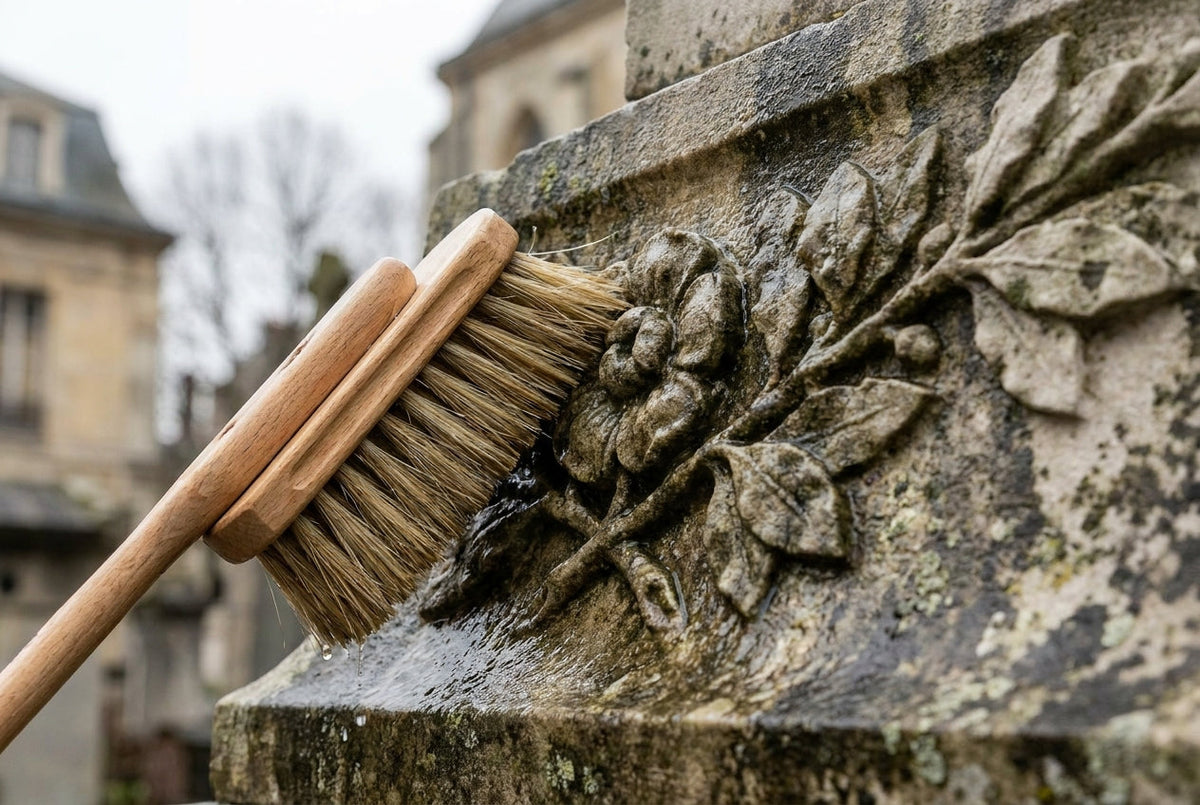
The guiding principle is to always use the 'least aggressive method' first. This hierarchy of intervention starts with simple, non-chemical options like using soft, natural-bristle brushes and potable water. If that proves insufficient, the next step might involve a pH-neutral soap. Only after these gentle methods have been tried should more specialized cleaners be considered. After testing, it is important to allow for adequate drying time, often at least 48 hours, to fully assess the outcome before proceeding.
Failure Modes or Operational Risks: Avoiding Irreversible Damage
The greatest risk in monument cleaning is causing permanent damage through improper methods. Aggressive, abrasive techniques are a primary cause of such harm. Sandblasting, power washing at high pressure, and using wire brushes can erode the surface of historic materials, removing original details and exposing a more porous layer underneath. This not only alters the appearance of the artwork but can also accelerate future deterioration.
The use of harsh chemicals is another major risk. Strong acids, alkaline solutions, or common bleach can cause irreparable damage. These substances can lead to chemical etching, severe discoloration, and even weakening of the material's internal structure. For example, an improper chemical can leave streaks or patches on a bronze statue or dissolve the binding agents in certain types of stone.
Beyond immediate visual damage, improper cleaning can have long-term consequences. Creating a rougher surface texture through abrasion makes the monument more susceptible to future soiling and provides an ideal environment for biological growth to take hold. Similarly, the use of power tools like grinders or drills on any historic feature can cause deep, irreversible physical harm that compromises the integrity of the piece. These actions move beyond cleaning and become acts of destruction.
Mechanism-to-Outcome Map: Cleaning Chemistry and Material Interaction
The success of any cleaning project hinges on the interaction between the cleaning chemistry and the monument's material. It is critical that the chemical composition of a cleaner is fully compatible with the substrate, whether it is granite, marble, bronze, or another heritage surface. An incompatible cleaner can react with the material, leading to unwanted outcomes.
For most sensitive historic materials, conservators prefer pH-neutral cleaners and non-ionic detergents. These formulations are less likely to cause adverse chemical reactions compared to highly acidic or alkaline products. They work by gently lifting dirt and grime from the surface without aggressively altering the material itself. This approach minimizes the risk of etching or mineral leaching from stone.
Different types of soiling require specific chemical mechanisms for removal. For example, biological growth like algae might require a biocide, while oily grime from pollution may need a surfactant-based degreaser. Paint from graffiti requires a solvent that can break down the paint's binder without harming the substrate. A controlled process is essential. This includes respecting the recommended dwell time for the cleaner to work and then rinsing thoroughly with potable water to remove all residues. Lingering chemical residues can attract more dirt or cause long-term staining.
Regulatory, Safety, or Compliance Considerations
Cleaning public art and monuments is not just a technical task; it is often subject to regulatory oversight. In many jurisdictions, statutory consent is required before undertaking work on listed buildings, scheduled monuments, or any structure within a designated conservation area. This is especially true for graffiti removal, which is considered an alteration to the historic fabric. Failure to obtain proper consent can lead to legal penalties.
Given the specialized knowledge required, it is highly recommended to engage specialist contractors for cleaning heritage assets. These professionals possess the necessary expertise to perform risk assessments, select appropriate methods, and execute the work without causing damage. They are also equipped to handle the logistical and safety challenges associated with working in public spaces.
Safety and compliance are paramount. A proper method statement must be prepared, detailing the exact procedures, the personal protective equipment (PPE) required for workers, and measures to protect the surrounding environment and public. When using any cleaning product, it is crucial to follow label directions. Use with adequate ventilation, avoid contact with eyes and prolonged skin contact, and keep out of reach of children. Furthermore, environmental conditions must be considered. Cleaning should only be done when temperatures are consistently above 40 degrees Fahrenheit (4.4 Celsius) for at least 24 hours to prevent water from freezing within the pores of the material, which can cause significant cracking and spalling.
Selection Checklist for Cleaning Solutions and Methods
Choosing the right cleaning solution and method requires careful consideration of several factors to ensure a safe and effective outcome. The process should balance cleaning efficacy with the absolute priority of material preservation.
- Verify Material Compatibility: The first step is to confirm that the cleaning solution is compatible with the specific substrate. Whether working with stone, bronze, masonry, or other materials, the product must not cause etching, discoloration, or other damage. Always refer to manufacturer guidance and conduct a patch test.
- Prioritize Eco-Friendly Formulations: Whenever possible, select eco-friendly, lower-impact cleaning solutions. These products align with modern preservation goals by reducing the chemical load on the environment and minimizing risks to the public and applicators.
- Evaluate Effectiveness on Specific Contaminants: The chosen solution must be effective against the specific type of soiling. A cleaner designed for general urban grime may not work on biological growth or paint. For complex situations in Outdoor areas, a paired approach using different formulas may be necessary. An effective degreaser, stain and odor remover like Surgical Strike may be used as part of a process for tough residues, while a gentle New-Clear Blast multi-surface cleaner and protector can assist with general maintenance.
- Ensure Ease of Rinsing: A good cleaning solution should rinse away cleanly with potable water, leaving minimal residue. Products that leave a film can attract more dirt, leading to accelerated re-soiling and potentially causing long-term staining.
- Confirm Adherence to Guidelines: Ensure that the chosen method and products comply with professional conservation guidelines, such as those from the National Park Service or other heritage organizations, as well as any local regulations.
Routine Maintenance and Long-Term Protection
Long-term preservation is more achievable with a proactive maintenance plan than with reactive, intensive cleaning. Implementing a regular maintenance schedule helps manage the slow accumulation of environmental pollutants and biological growth, reducing the need for more aggressive and potentially damaging interventions down the line. Simple, periodic washing with water can often prevent grime from becoming deeply embedded.
When it comes to graffiti, early intervention is key. Removing graffiti as soon as it appears can prevent the paint from permanently staining the substrate, especially on porous materials. Swift removal also serves as a deterrent against repeat vandalism. A proactive stance sends a message that the artwork is cared for and monitored.
While CG Chemicals LLC focuses on providing advanced cleaning and surface-prep solutions, a comprehensive preservation strategy may also involve other protective measures handled by conservation specialists. For example, some situations may call for the application of reversible treatments designed to make future graffiti removal easier. These advanced steps fall outside of routine cleaning. Periodic inspections are also a critical component of any maintenance plan, as they help identify potential issues like cracking, soiling, or instability before they escalate into major problems.
Conclusion: Informed Decisions for Lasting Preservation
The preservation of public art is a critical responsibility that safeguards our cultural heritage for the future. It requires a thoughtful, science-based approach that prioritizes the long-term health of the artwork. By understanding the unique threats posed by outdoor environments, from pollution to vandalism, and committing to a 'least aggressive method' philosophy, we can effectively maintain these important assets.
A successful cleaning and maintenance program is built on careful planning, material-compatible solutions, and adherence to established conservation standards. Informed decisions about cleaning protocols and routine care are essential for protecting the aesthetic and historical value of our monuments, statues, and outdoor installations. This diligent stewardship ensures that public art can continue to inspire and enrich our communities for generations to come.

Sources
- https://www.nps.gov/articles/000/preservation-matters-maintenance-graffiti-removal-from-historic-features.htm
- https://historicengland.org.uk/advice/caring-for-heritage/heritage-crime/graffiti/
- https://portal.ct.gov/-/media/opm/igpp/grants/cemetery/shpo-guidance-for-cemetery-maintenance.pdf?rev=c909fc6a4a0c4091b6f8c156796186be
- https://www.nps.gov/media/video/view.htm?id=051CB6BD-8F62-48F4-9DF5-5C0116EE013F
- https://www.sciencedirect.com/science/article/abs/pii/S030094401730629X
- https://link.springer.com/article/10.1007/s00339-023-06455-x
- https://historicengland.org.uk/images-books/publications/graffiti-on-historic-buildings/heag288-graffiti-historic-buildings/
- https://www.nps.gov/orgs/1739/upload/preservation-brief-06-abrasive-cleaning.pdf
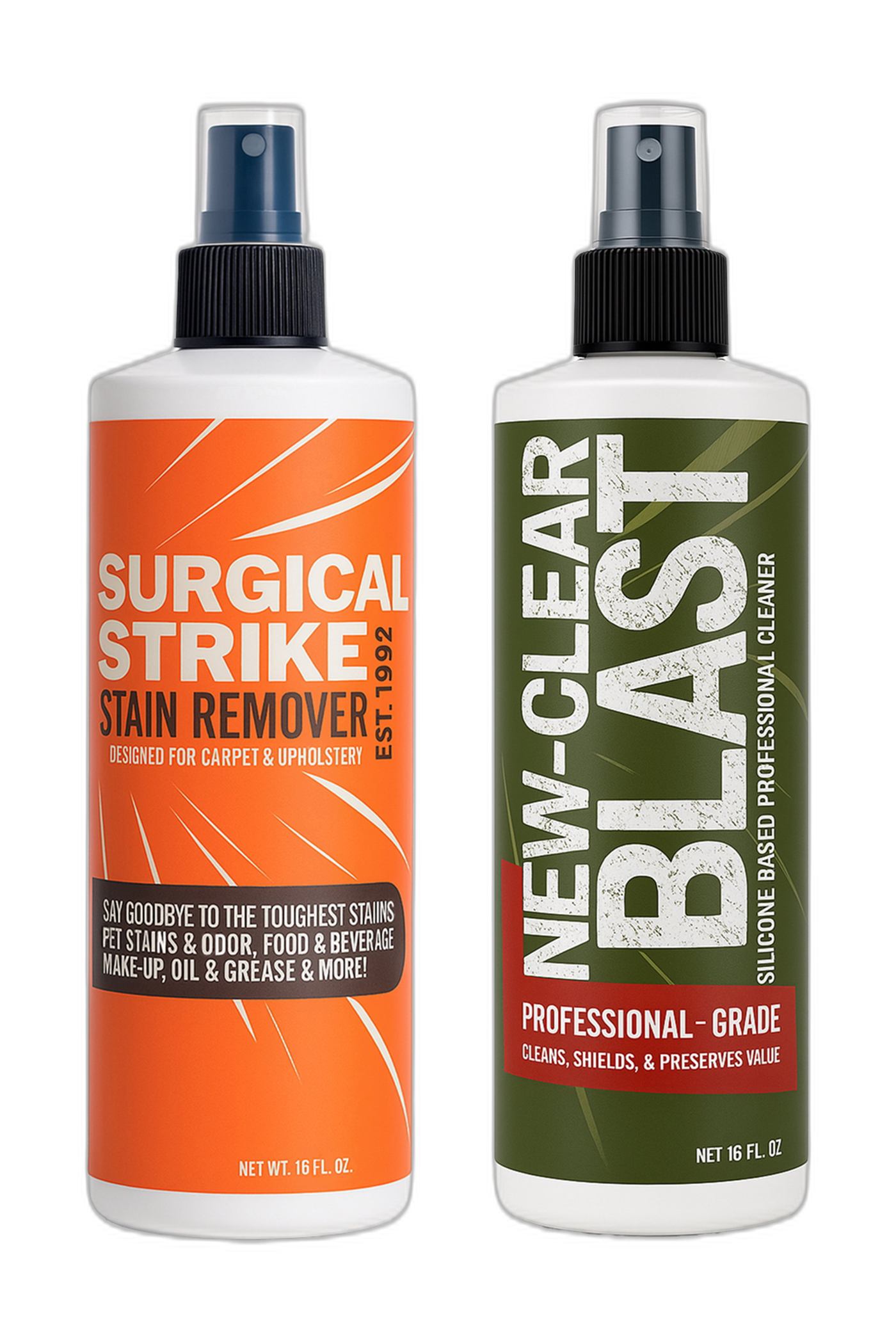
Two formulas. Serious range.
Use Surgical Strike for stains and odor, then New-Clear Blast to clean, shield and preserve hard surfaces.