Industrial concrete floors in warehouses and manufacturing facilities are the foundation of daily operations, but they face constant stress from heavy equipment, foot traffic, and chemical exposure. Maintaining these surfaces is not just about appearance; it's a critical component of operational safety, asset preservation, and regulatory compliance. This guide explores the unique challenges of industrial concrete floor cleaning and outlines practical protocols using specialized chemistries to manage stubborn contaminants and support long-term facility performance.
Key Takeaways
- Effective industrial concrete floor cleaning requires specialized solutions to manage tough contaminants like oil, grease, and tire marks.
- Proper cleaning protocols are critical for supporting workplace safety by maintaining slip resistance on concrete surfaces.
- Strategic floor maintenance, including targeted cleaning, can assist with extending the lifespan of industrial concrete infrastructure and reducing long-term operational costs.
- Selecting cleaning agents based on specific soil types and facility requirements is essential for optimal results and compliance.
Understanding the Challenges of Industrial Concrete Floors
Concrete floors in active industrial environments like Manufacturing plants and distribution centers are subjected to demanding conditions. Unlike commercial or residential floors, they must withstand constant abuse from forklifts, heavy machinery, and exposure to a wide range of chemical and organic soils. Over time, these conditions lead to specific and persistent cleaning challenges.
Common issues include deeply embedded oil and grease from machinery, stubborn rubber tire marks from vehicle traffic, and various chemical spills that can resist standard cleaning methods. The porous nature of unsealed concrete allows these contaminants to penetrate the surface, making them difficult to remove completely.
This accumulation of grime does more than degrade the floor's appearance. It can pose environmental risks and, most importantly, compromise worker safety by reducing the natural traction of the surface. Maintaining a clean, functional floor is a continuous operational challenge that requires a dedicated strategy.
Specialized Cleaning Solutions for Industrial Contaminants
Conventional, all-purpose cleaners are often insufficient for the heavy soils found in industrial settings. They typically lack the chemical strength to penetrate and emulsify thick accumulations of hydraulic fluid, motor oil, and synthetic greases common in these environments. Using the wrong cleaner can spread contaminants around rather than lifting them from the surface.
Specialized industrial degreasers and cleaning solutions are formulated to address these specific challenges. Products like Surgical Strike, a degreaser, stain and odor remover, are designed with chemistries that break down and lift stubborn hydrocarbon-based soils from concrete pores. This allows the contaminants to be suspended and rinsed away, leaving a cleaner substrate.
The choice of cleaning solution has a direct impact on the thoroughness of the cleaning process. By targeting specific soil types, facilities can achieve more efficient removal of tough stains and residues. This is not only critical for routine maintenance but also for preparing surfaces for repairs, sealing, or other finishing work.
Supporting Workplace Safety Through Effective Floor Cleaning
Slips, trips, and falls are a leading cause of workplace injuries, and contaminated floors are a primary contributor to this risk. The accumulation of oil, grease, water, and other fluids creates slippery surfaces that endanger personnel and can impede the safe operation of equipment.
A robust floor cleaning program directly supports a safer work environment. By thoroughly removing slick contaminants, facilities can help restore the concrete's natural texture, which is essential for maintaining slip resistance. Regular and effective cleaning is a proactive measure that helps manage one of the most common hazards in an industrial facility.
Consistent cleaning protocols are necessary to maintain a safe walking and working surface for employees and machinery. Clean, dry floors are fundamental to a culture of safety and help reduce the operational disruptions and costs associated with workplace accidents.
Extending Asset Lifespan and Optimizing Maintenance Costs
The integrity of a concrete floor is a significant capital asset. When dirt, chemicals, and other abrasive contaminants are left to sit, they can accelerate the degradation of the concrete surface. This can lead to spalling, cracking, and other forms of damage that require costly repairs or even complete floor replacement.
Proactive maintenance schedules incorporating specialized cleaners help preserve the structural and aesthetic qualities of industrial floors. By regularly removing corrosive or abrasive materials, facilities can protect their investment and support the longevity of the concrete. This approach delays the need for extensive refurbishment and minimizes downtime.
An effective cleaning strategy also contributes to lower operational costs over time. By minimizing floor damage, facilities can reduce the frequency and expense of reactive maintenance. Choosing the right concentrated cleaning solution can also optimize labor and material costs, making routine maintenance more efficient.
Selection Checklist for Industrial Concrete Floor Cleaning Solutions
Choosing the right cleaning solution is crucial for achieving desired results without causing unintended damage. Facility and procurement managers should consider several factors:
- Contaminant Profile: Assess the primary types of soils present, such as petroleum-based oils, synthetic greases, rubber marks, or general dirt. Match the cleaning agent's formulation to the specific contaminants for effective removal.
- Surface Condition: Consider the concrete's current state, including its porosity and whether any coatings or sealants are present. Ensure the chosen cleaner is compatible to prevent damage.
- Application Efficiency: Evaluate the solution's required concentration, dwell time, and recommended application methods (e.g., auto-scrubber, pressure washer, manual). This impacts labor costs and overall efficiency.
- Safety and Compliance: Prioritize solutions that support a safe environment by addressing slip resistance. Confirm the product aligns with your facility's operational procedures, safety protocols, and waste disposal guidelines.
Failure Modes and Operational Risks on Industrial Concrete Floors
Neglecting proper floor maintenance introduces significant operational risks. Failure to completely remove oil and grease can lead to permanent staining as the substances penetrate deeper into the concrete, making future cleaning more difficult and less effective. In some cases, this may necessitate costly resurfacing.
Furthermore, unaddressed tire marks and other heavy buildup can create uneven surfaces. This not only presents a trip hazard but also increases wear and tear on the tires and suspension systems of forklifts and other material handling equipment. Poorly maintained floors can also harbor moisture, which may lead to bacteria or mold growth, posing hygiene risks in certain industrial operations.
Mechanism-to-Outcome Map: Cleaning for Performance and Longevity
Understanding how cleaning mechanisms lead to better outcomes helps in developing an effective maintenance program. The relationship between the right chemistry and a functional floor is direct and measurable.
- Chemistry: The use of degreasers formulated to emulsify hydrocarbons is a key mechanism. This chemical action breaks down heavy oils and greases into smaller droplets that can be suspended in water and rinsed away, which helps prevent re-deposition and stain setting.
- Surface Conditions: Proper cleaning is the mechanism that maintains the micro-texture of the concrete. This texture is the primary source of friction and slip resistance, an outcome that directly impacts pedestrian and vehicle safety.
- Contamination Pathways: Regularly removing spills and tracked-in soils prevents contaminants from chemically bonding with the concrete substrate. This practice is a mechanism for minimizing long-term surface damage and wear.
- Maintenance Practices: Consistent application of robust cleaning protocols ensures that any protective finishes on the floor remain effective and the underlying concrete is not prematurely exposed to damaging substances. For a broader view of cleaning solutions, see our Applications list.
Regulatory, Safety, and Compliance Considerations
Maintaining clean floors is not just good practice; it is a regulatory requirement. The Occupational Safety and Health Administration (OSHA) provides clear standards for walking-working surfaces in industrial environments. These regulations underscore the legal responsibility of employers to ensure floor safety.
Specifically, OSHA Standard 1910.22(a)(2) mandates that "The floor of every workroom shall be maintained in a clean and, so far as possible, a dry condition." Furthermore, Standard 1910.22(a)(3) requires that employers keep surfaces "free of hazards such as sharp or protruding objects, loose boards, corrosion, leaks, spills, snow, and ice."
Compliance with these standards necessitates a well-documented and effective cleaning program to address spills and residues that affect floor safety. Using appropriate cleaning solutions while following recommended safety guidelines, such as ensuring adequate ventilation and using personal protective equipment, helps create a compliant and safe work environment.
When using any industrial cleaning solution, it is important to follow all safety guidelines. Use with adequate ventilation. Avoid contact with eyes and prolonged skin contact. Always keep cleaning products out of reach of children and follow all label directions for proper use and disposal.
Sources
- https://www.concreteconstruction.net/how-to/maintenance/cleaning-and-maintaining-concrete-floors_o
- https://www.osha.gov/laws-regs/regulations/standardnumber/1910/1910.22
- https://www.cleanlink.com/magazines/CMD/

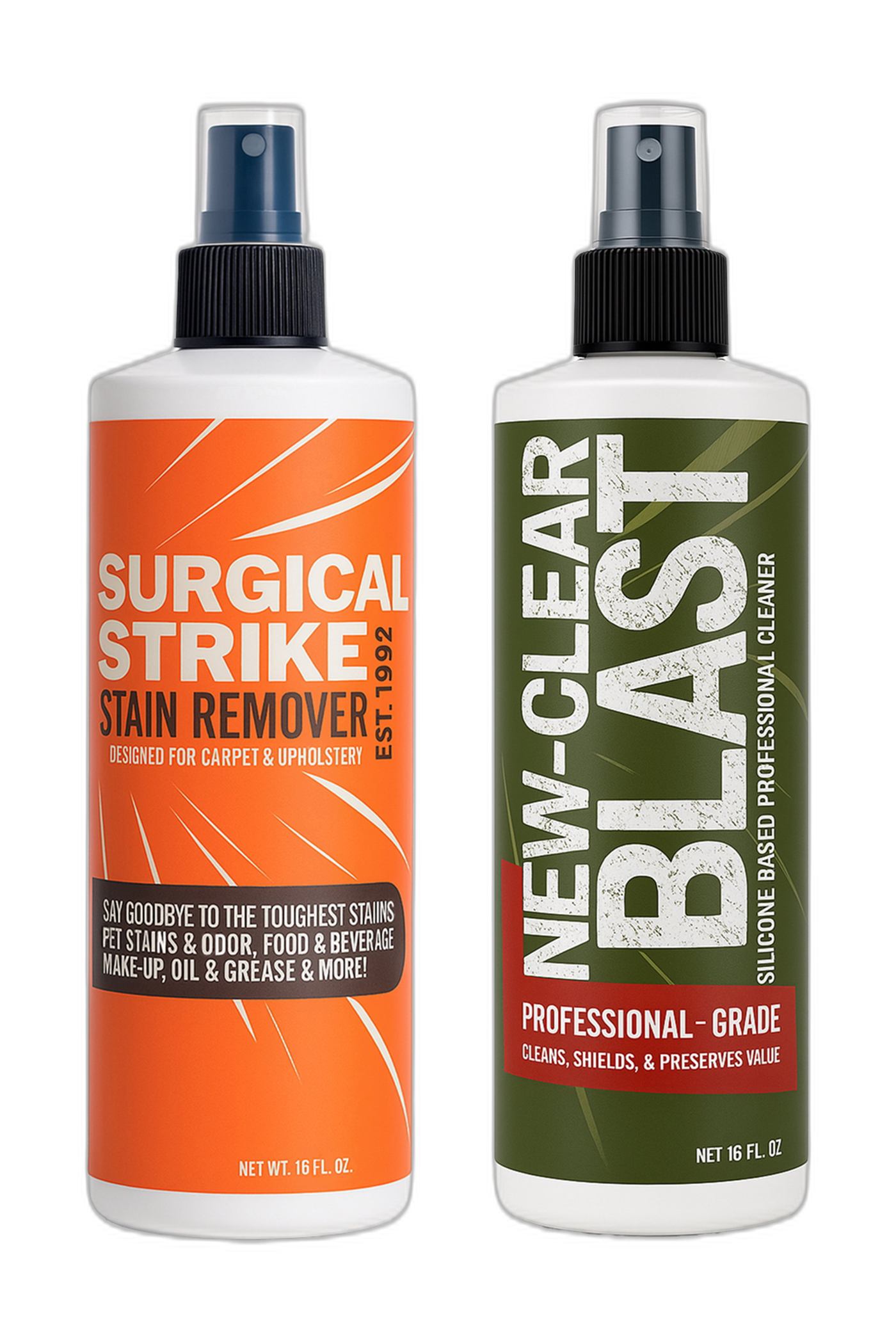
Two formulas. Serious range.
Use Surgical Strike for stains and odor, then New-Clear Blast to clean, shield and preserve hard surfaces.