Key Takeaways
- SAE AMS 1550C establishes standardized cleaning methods crucial for preventing corrosion and maintaining part integrity in aircraft materials.
- FAA regulations require that cleaning processes in repairs avoid introducing contaminants and help maintain airworthiness.
- The aerospace maintenance market is experiencing trends that drive demand for efficient cleaning innovations.
- Specialty chemicals are effective for surface preparation, removing residues critical for the adhesion of subsequent coatings in high-performance applications.
- The adoption of bleach-free cleaning solutions can reduce harsh-chemical exposure for employees and lower operational costs related to personal protective equipment.
- Biodegradable cleaning options help minimize environmental impact, supporting regulatory compliance and sustainability initiatives.
The Imperative of Precision Cleaning for Aerospace Airworthiness
In the aerospace industry, precision cleaning is not a superficial step; it is a fundamental process for ensuring the safety, performance, and longevity of critical components. Effective cleaning processes are vital for preventing corrosion and maintaining the structural integrity of aircraft materials and parts, as outlined by industry standards such as SAE AMS 1550C. These protocols ensure that every component, from turbine blades to fuselage panels, is free from contaminants that could otherwise mask defects or initiate material degradation.
Ensuring airworthiness means that an aircraft and its components consistently meet strict safety and performance standards throughout their operational life. This condition is significantly influenced by cleaning effectiveness. According to FAA guidance, any repair process, including cleaning, must restore a part to its original or properly altered condition without introducing new contaminants that could compromise its function. Proper cleaning supports accurate non-destructive testing (NDT) inspections and verifies that parts are fit for service.
Adherence to precise cleaning protocols in aerospace manufacturing environments is essential for long-term operational reliability. By removing oils, greases, metal shavings, and other soils from the manufacturing process, teams can confirm that components are ready for the next stage, whether it is assembly, coating, or final inspection. This meticulous attention to detail helps prevent latent issues that could surface later in the component's lifecycle.
Failure Modes and Operational Risks from Inadequate Cleaning
The consequences of inadequate cleaning in aerospace are severe, directly impacting component integrity and creating operational risks. Contamination and residues left from ineffective cleaning can hide subsurface cracks or corrosion, preventing their detection during critical inspections. Furthermore, certain residues can act as corrosive agents or interfere with electrical conductivity, leading to potential system failures. These issues compromise the structural integrity of components and pose a direct threat to safe operation.
Failure to meet cleaning standards outlined in documents like SAE AMS 1550C can prevent a component from conforming to its type design specifications, which directly impacts its airworthiness. The FAA is clear that any maintenance or repair must return a component to a state that is equal to or better than its original condition, a requirement that cannot be met if the part remains contaminated.
Inadequate surface preparation is a common failure point before maintenance or finishing work. If a surface is not properly cleaned, the adhesion of protective coatings, sealants, or structural bonds can be compromised. Poor adhesion can lead to premature delamination or failure of the protective layer, exposing the underlying material to harsh environmental conditions and accelerating corrosion or fatigue.
Mechanism-to-Outcome Map: How Specialized Cleaning Supports Component Performance
Specialized cleaning solutions are formulated with specific chemistries to effectively remove a wide range of contaminants without damaging the underlying substrate. These chemicals are designed to target and lift soils such as hydraulic fluids, oils, greases, and carbon buildup from sensitive aerospace alloys, composites, and plastics. This targeted action prepares the component surface for subsequent processes in a way that general-purpose cleaners cannot.
Achieving optimal surface conditions through advanced cleaning is crucial for the proper adhesion of coatings, sealants, and other treatments. A clean, residue-free surface directly influences the longevity and performance of the finished component. When surface preparation is thorough, it helps ensure that protective layers bond correctly, offering maximum defense against corrosion and wear.
Precise cleaning processes also minimize the risk of adverse material interactions. By thoroughly removing foreign substances, these methods help prevent chemical reactions that could initiate stress corrosion cracking, hydrogen embrittlement, or fatigue in critical aerospace parts. Following established methods, such as those discussed in SAE AMS 1550C, ensures that cleaning is performed effectively without causing unintended harm to the component material.
Regulatory, Safety, and Environmental Compliance in Aerospace Maintenance
Compliance with strict regulatory frameworks is non-negotiable in aerospace maintenance. FAA regulations mandate that all maintenance actions, including cleaning, must be performed in a way that upholds the airworthiness of the aircraft and its components. This means that cleaning processes must be documented, repeatable, and verified to ensure they do not introduce new contaminants or cause material damage.
Industry standards provide the technical foundation for regulatory adherence. Documents like SAE AMS 1550C offer specific guidelines for acceptable cleaning methods for various aircraft materials, serving as a critical resource for MRO facilities. Following these standards helps ensure that cleaning procedures are both appropriate and effective for the components being serviced.
Beyond regulatory and technical requirements, there is a growing emphasis on worker safety and environmental stewardship. Utilizing cleaning agents that are formulated to be biodegradable lessens environmental impact. This shift aligns with stringent aerospace industry compliance requirements and supports corporate sustainability goals.
Optimizing Operations: Cost and Workforce Benefits of Advanced Cleaners
Current aerospace maintenance market trends show a rising demand for efficient innovations to address operational challenges, including persistent supply chain disruptions and labor shortages. Implementing advanced aerospace cleaning solutions can help MRO facilities optimize their processes and build resilience.
The adoption of bleach-free cleaning solutions also offers significant benefits for the workforce. Reducing exposure to harsh chemicals can support employee retention and morale. Additionally, it may reduce operational costs associated with specialized personal protective equipment (PPE), ventilation systems, and hazardous material handling and disposal.
Ultimately, advanced cleaning solutions support process optimization. Formulations that work faster and more effectively can help shorten turnaround times for maintenance tasks, leading to more efficient schedules. By streamlining a fundamental process like cleaning, aerospace facilities can improve throughput and better manage operational demands.
Selection Checklist for Aerospace Cleaning Solutions
When selecting a cleaning solution for aerospace applications, it is important to evaluate products against a clear set of criteria to ensure safety, compliance, and performance. Consider the following points:
- Compliance with Industry Standards: Verify that the cleaning product is compatible with recognized industry standards, such as SAE AMS 1550C, for use on the specified aircraft materials and parts.
- Contaminant Removal Efficacy: Assess the cleaner's effectiveness in removing specific contaminants commonly found in aerospace manufacturing and maintenance, including oils, greases, hydraulic fluids, and carbon buildup.
- Operator Safety and Environmental Profile: Prioritize cleaning solutions designed to be biodegradable. This reduces harsh-chemical exposure for operators and supports environmental regulatory compliance.
- Material Compatibility: Confirm the cleaner's material compatibility to prevent any adverse reactions or damage. The product must not cause corrosion, staining, or degradation of sensitive aerospace alloys, composites, and finishes.
Clean and prep surfaces with CG Chemicals
If you are dealing with buildup, residues, or tough soil before maintenance or finishing work, CG Chemicals offers practical cleaning solutions for high-use environments. Explore New-Clear Blast and Surgical Strike based on your surface and soil type.
Sources
- https://www.sae.org/standards/content/ams1550c/
- https://www.faa.gov/documentLibrary/media/Advisory_Circular/AC_43-210A.pdf
- https://www2.deloitte.com/us/en/insights/industry/aerospace-and-defense/aerospace-manufacturing-and-defense-market-trends.html
- https://cgchemicalsllc.com/blogs/articles/the-science-of-surfaces-specialty-chemicals-driving-innovation-in-coatings-and-adhesives
- https://cgchemicalsllc.com/blogs/articles/environmental-impact-cleaning-chemicals
- https://cgchemicalsllc.com/blogs/articles/how-non-toxic-cleaning-improves-employee-retention
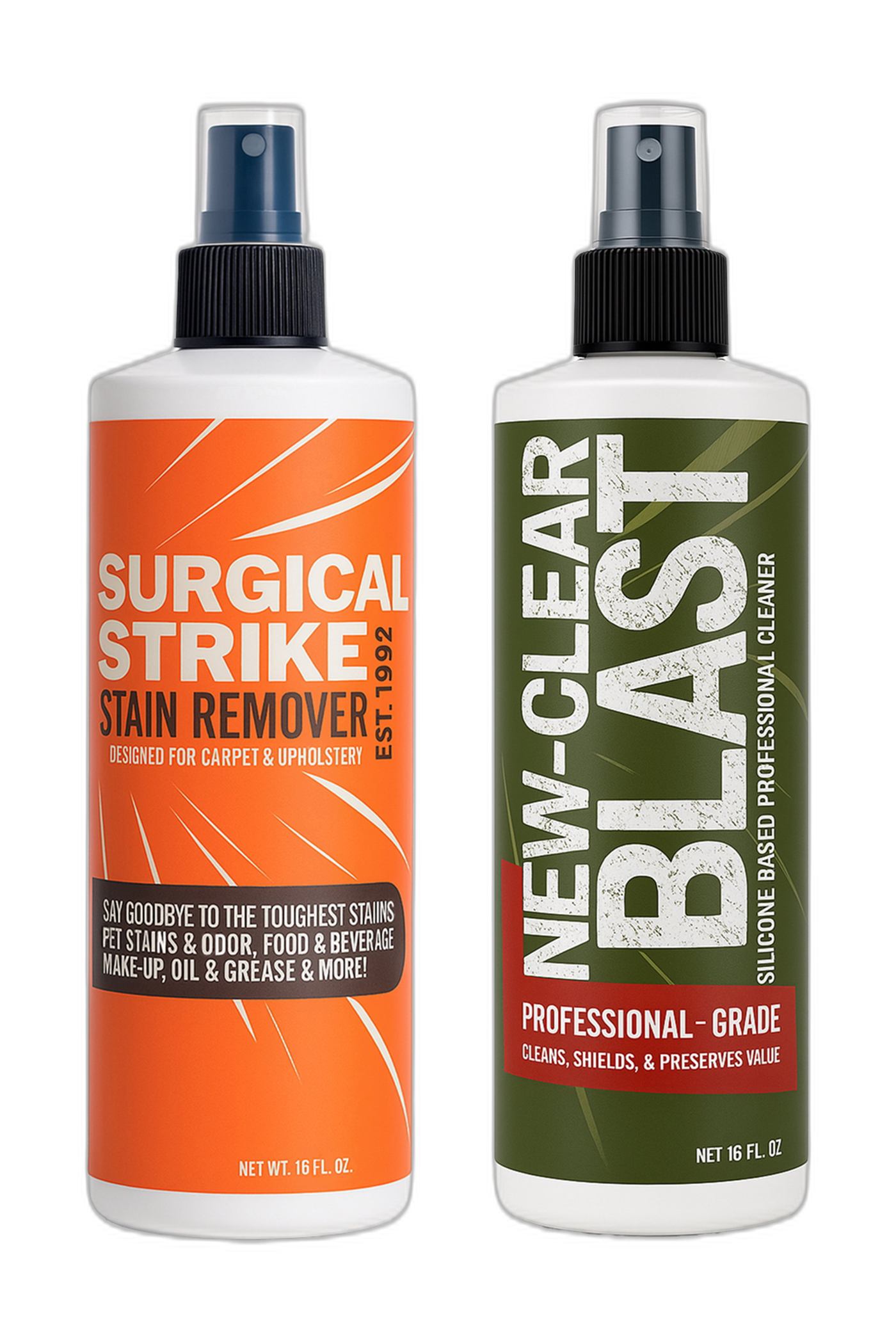
Two formulas. Serious range.
Use Surgical Strike for stains and odor, then New-Clear Blast to clean, shield and preserve hard surfaces.