Key Takeaways
Understanding the landscape of specialty chemicals is key to recognizing their impact on industrial materials. These key points highlight the current trends and innovations in coatings and adhesives.
- Specialty chemicals are essential for the development of waterborne and low-VOC coatings, providing binders and additives that help maintain performance characteristics when traditional solvents are removed.
- Advanced polymer chemistries and dispersant technologies are used to support adhesion to low-surface-energy substrates and assist with corrosion protection across various industrial categories.
- Sustainability goals and decarbonization efforts are accelerating innovations, including the use of waterborne formulations, solvent-free systems, and bio-based feedstocks.
- Specialty additives and engineered solvents contribute to operational efficiencies by helping to shorten cure times, increase solids content, and enable high-performance one-component (1K) waterborne polyurethane and hybrid systems.
- Market demands from electrification, electronics, and advanced manufacturing drive the need for materials like structural adhesives, thermal interface materials, and specialized coatings for new components like batteries.
The Economic Imperative and Evolution of Specialty Chemicals in Coatings and Adhesives
The specialty chemicals sector plays a foundational role in the global economy, particularly within the Coatings, Adhesives, Sealants, and Elastomers (CASE) market. This market was valued at approximately $641 billion in 2023, illustrating the significant commercial scale of these materials. This economic weight is driven by continuous demand for materials that meet specific performance criteria in diverse applications.
Growth in sectors like electric vehicles (EVs), electronics, and advanced Manufacturing creates a strong demand for specialized materials. These industries require structural adhesives for lightweighting, thermal interface materials for heat management, and other functional coatings that are integral to product design and performance. The evolution of these end markets directly influences the direction of chemical innovation.
Simultaneously, regulatory pressures shape the industry's trajectory. Government and industry standards concerning Volatile Organic Compounds (VOCs) and Hazardous Air Pollutants (HAPs) are key drivers accelerating the transition toward more environmentally considerate technologies. This has led to widespread adoption of waterborne, high-solids, and powder coatings as manufacturers seek compliant solutions that do not compromise on quality. Innovation in specialty chemicals is therefore crucial for meeting these dual requirements of performance and environmental stewardship.
Advancing Waterborne and Low-VOC Formulations
Specialty chemicals are at the heart of the industry's shift toward waterborne coatings and formulations with reduced VOC content. This transition is a direct response to environmental regulations and a broader push for sustainability. The primary challenge has been to lower solvent content without sacrificing the performance characteristics that end-users rely on, such as durability, adhesion, and appearance.
To address this, chemical manufacturers develop engineered binders, coalescents, and additives specifically for waterborne systems. These components are designed to help recover the performance attributes that can be lost when traditional organic solvents are removed. For instance, advanced binders can help with film formation and durability, while specialized coalescents assist polymer particles in fusing properly to create a continuous, protective layer.
The move to waterborne and solvent-free systems represents a significant pathway for decarbonization within the chemical industry. By reducing reliance on petrochemical-derived solvents, these technologies contribute to a lower carbon footprint and a more sustainable product lifecycle. These innovations allow industrial users to meet stringent regulatory demands while continuing to specify high-quality coatings and adhesives for their applications.
Enhancing Adhesion and Corrosion Protection for Demanding Applications
Achieving durable adhesion is a primary goal for any coating or adhesive system, especially on substrates that are inherently difficult to bond with. Advanced polymer chemistries and dispersant technologies are critical for formulating products that can adhere effectively to low-surface-energy plastics, composites, and various metals. These chemistries are engineered to create strong interfacial bonds, ensuring the coating or adhesive remains intact throughout its service life.
In parallel, corrosion protection is a non-negotiable requirement in many industrial settings. Specialized chemical formulations are developed to extend the protective capabilities of coatings to higher industrial categories, making them suitable for extreme environments like marine, offshore, and chemical processing facilities. The use of high-purity building blocks and specialized additives is instrumental in creating barrier properties that resist moisture, chemicals, and salt spray.
These innovations in adhesion and corrosion resistance are essential for safeguarding the long-term durability and structural integrity of valuable assets. By preventing substrate degradation, high-performance coatings help extend the lifespan of infrastructure, equipment, and vehicles, reducing maintenance costs and operational downtime. The continuous development of these specialty chemicals underpins the reliability of finished goods in harsh operating conditions.
Innovations in Cure Speed and Functional Properties
Manufacturing efficiency is a major consideration in industrial operations, and the time required for coatings and adhesives to cure can be a significant bottleneck. To address this, specialty additives and engineered solvents are developed to shorten cure times and increase the solids content of formulations. Faster curing allows for quicker handling and assembly, directly supporting higher production throughput.
The development of high-performance systems like one-component (1K) waterborne polyurethanes represents another key advancement. These systems offer the durability and chemical resistance previously associated with two-component (2K) systems but with the convenience and reduced waste of a single-component product. Hybrid systems, which combine different chemistries, also offer a tailored balance of properties for specific industrial uses.
Beyond basic protection, there is growing interest in coatings with enhanced functional properties. Nanotechnology is being used to integrate materials that provide benefits such as improved scratch resistance, self-cleaning surfaces, or antimicrobial behavior. Supplier innovations in additive technologies are a concrete way that formulators can achieve these multi-functional benefits, including better cure speed and adhesion, while also facilitating the replacement of traditional solvents.
Failure Modes or Operational Risks in Coatings and Adhesives
Even with advanced chemical formulations, coatings and adhesives are subject to failure if not properly selected or applied. Adhesion failure is a common issue and can stem from chemical incompatibility between the coating and the substrate. However, a primary cause is often insufficient surface preparation before application. Contaminants such as oils, grease, dust, or residual moisture can create a weak boundary layer that prevents proper bonding.
Corrosion of the underlying substrate is another significant risk, particularly in environments with high moisture or chemical exposure. If a protective coating lacks the required chemical resistance or physical integrity, corrosive agents can penetrate the film and attack the material beneath. This can lead to rapid degradation and compromise the structural integrity of the asset.
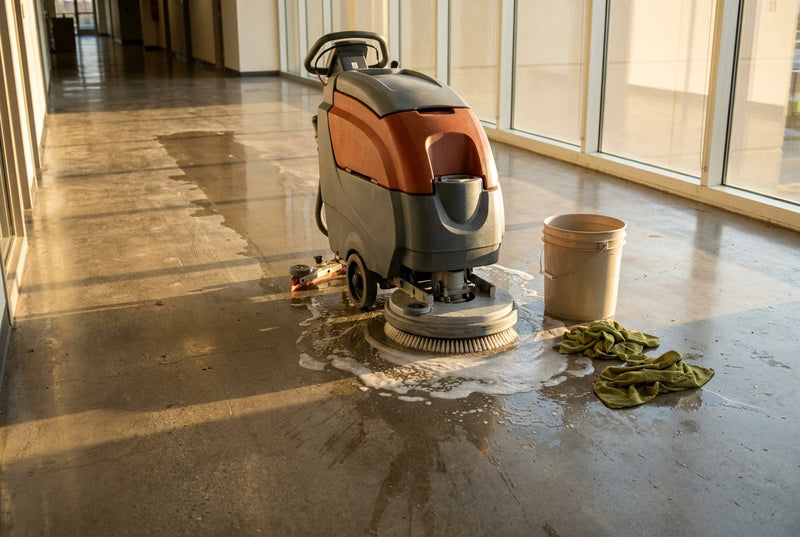
Premature wear, delamination, and a reduced service lifespan are also potential outcomes if the chosen formulation does not meet the performance specifications of the operating environment or if it is applied incorrectly. The presence of surface contamination is a critical factor that can compromise a coating's bond and overall performance from the outset. Proper surface cleaning and preparation are foundational steps for mitigating these risks. An overview of cleaning solutions for different settings is available in our Applications list.
Mechanism-to-Outcome Map: How Specialty Chemicals Deliver Performance
The performance of modern coatings and adhesives is the direct result of targeted chemical engineering. Understanding these mechanisms reveals how raw materials translate into functional benefits in finished products.
Chemical Interactions and Adhesion Enhancement
Advanced polymer chemistries are designed at a molecular level to form strong chemical bonds and mechanical interlocks with various substrates, which is fundamental to adhesion. Alongside polymers, dispersant technologies play a crucial role by ensuring the uniform distribution of pigments and fillers within the formulation. This stability leads to more consistent film properties and reliable performance.
Solvent Engineering and Application Properties
Specialty solvents are engineered to control evaporation rates and manage viscosity during application. This control is vital for optimizing how a coating flows and levels, which helps prevent defects and ensures a smooth, uniform film. In waterborne systems, coalescents perform a related function. They temporarily soften polymer particles, allowing them to fuse into a continuous and durable film as the water evaporates.
Additive Technology for Functional Benefits
A wide array of specialty additives is used to impart specific properties to coatings and adhesives. These can include corrosion inhibitors, UV stabilizers to prevent degradation from sunlight, flame retardants for safety, and other modifiers that assist with mechanical strength. Furthermore, the integration of nanomaterials can introduce novel functionalities, such as improved scratch resistance, self-cleaning capabilities, and antimicrobial surfaces, expanding the performance envelope of these materials.
Regulatory, Safety, and Environmental Compliance in Specialty Chemicals
The specialty chemicals industry operates within a complex and evolving regulatory framework. A dominant trend, highlighted in industry reports, is the rapid adoption of waterborne, high-solids, and powder coatings. This shift is largely driven by regulations aimed at reducing VOC and HAP emissions to improve air quality and workplace safety.
Beyond emissions, innovation pathways are increasingly focused on decarbonization and sustainability. This includes the development of bio-based feedstocks derived from renewable resources and the formulation of solvent-free systems to minimize environmental impact throughout the product lifecycle.
Industry recognition for these efforts, such as the EPA Green Chemistry Challenge Awards, underscores the importance of developing greener chemical solutions. These shifts necessitate rigorous evaluation of new chemical entities to ensure they not only meet performance requirements but also comply with all relevant environmental and safety standards, protecting both workers and the public.
Selection Checklist for High-Performance Coating and Adhesive Systems
Choosing the right coating or adhesive system requires a systematic evaluation of technical, operational, and regulatory factors. This checklist can guide decision-making for industrial applications.
- Substrate Compatibility: Evaluate the compatibility of the system with the specific substrates involved. Pay close attention to materials with low surface energy, which may require specialized formulations or surface treatments to achieve optimal adhesion.
- Environmental and Regulatory Compliance: Assess the environmental impact and ensure the system complies with current and anticipated VOC/HAP regulations. Favor waterborne, high-solids, or solvent-free options where they meet performance requirements to future-proof operations.
- Cure Time and Throughput: Consider the required cure times in the context of production schedules. A faster-curing system can help minimize downtime and meet manufacturing throughput demands.
- Durability and Resistance: Verify the system's long-term durability and resistance to the specific conditions of its end-use environment. This includes exposure to chemicals, abrasion, UV radiation, and temperature fluctuations.
- Application and Process Integration: Examine the ease of application and how well the system integrates with existing operational procedures and equipment. Compatibility with current processes can help reduce implementation costs and complexity.
Conclusion: Strategic Investment in Advanced Materials
Ongoing innovation in specialty chemicals is fundamental to advancing the performance, durability, and sustainability of industrial coatings and adhesives. The development of these materials enables progress across a wide range of critical industries, from automotive and aerospace to electronics and construction. As performance demands intensify and regulatory standards evolve, the role of material science becomes increasingly important.
Strategic investment in advanced materials is essential for meeting the complex requirements of modern manufacturing. Decision-makers must prioritize solutions that effectively balance high performance, cost-effectiveness, and environmental responsibility. This balanced approach helps ensure not only the quality of the final product but also long-term operational success and regulatory compliance.
Ultimately, the functionality and durability of critical components and infrastructure depend on the underlying chemistry of the coatings and adhesives used to protect and assemble them. A thorough understanding of these materials, from their chemical mechanisms to their application requirements, is key to leveraging their full potential in demanding Facilities and manufacturing environments.
Clean and prep surfaces with CG Chemicals
If you are dealing with buildup, residues, or tough soil before maintenance or finishing work, CG Chemicals offers practical cleaning solutions for high-use environments. Explore New-Clear Blast and Surgical Strike based on your surface and soil type.
Sources
- https://www.paint.org/coatingstech-magazine/articles/specialty-chemicals-fundamental-to-coatings-innovation/
- https://netzeroinsights.com/resources/innovation-pathways-specialty-chemicals/
- https://umbrex.com/resources/industry-primers/chemicals-advanced-materials-industry-primers/specialty-chemicals-incl-coatings-adhesives-industry-primer/
- https://seatexcorp.com/what-is-driving-the-development-of-specialty-chemicals/
- https://www.socma.org/articles/specialty-chemicals-an-engine-of-innovation-driving-the-world-to-a-brighter-future/
- https://www.entegris.com/en/home/our-science/by-industry/industrial/coatings-inks-and-adhesives.html
- https://www.nouryon.com/news-and-events/news-overview/2021/introducing-solution-to-improve-coating-and-adhesive-performance
- https://newzealchem.com/page/7-exciting-benefits-of-speciality-solvents/
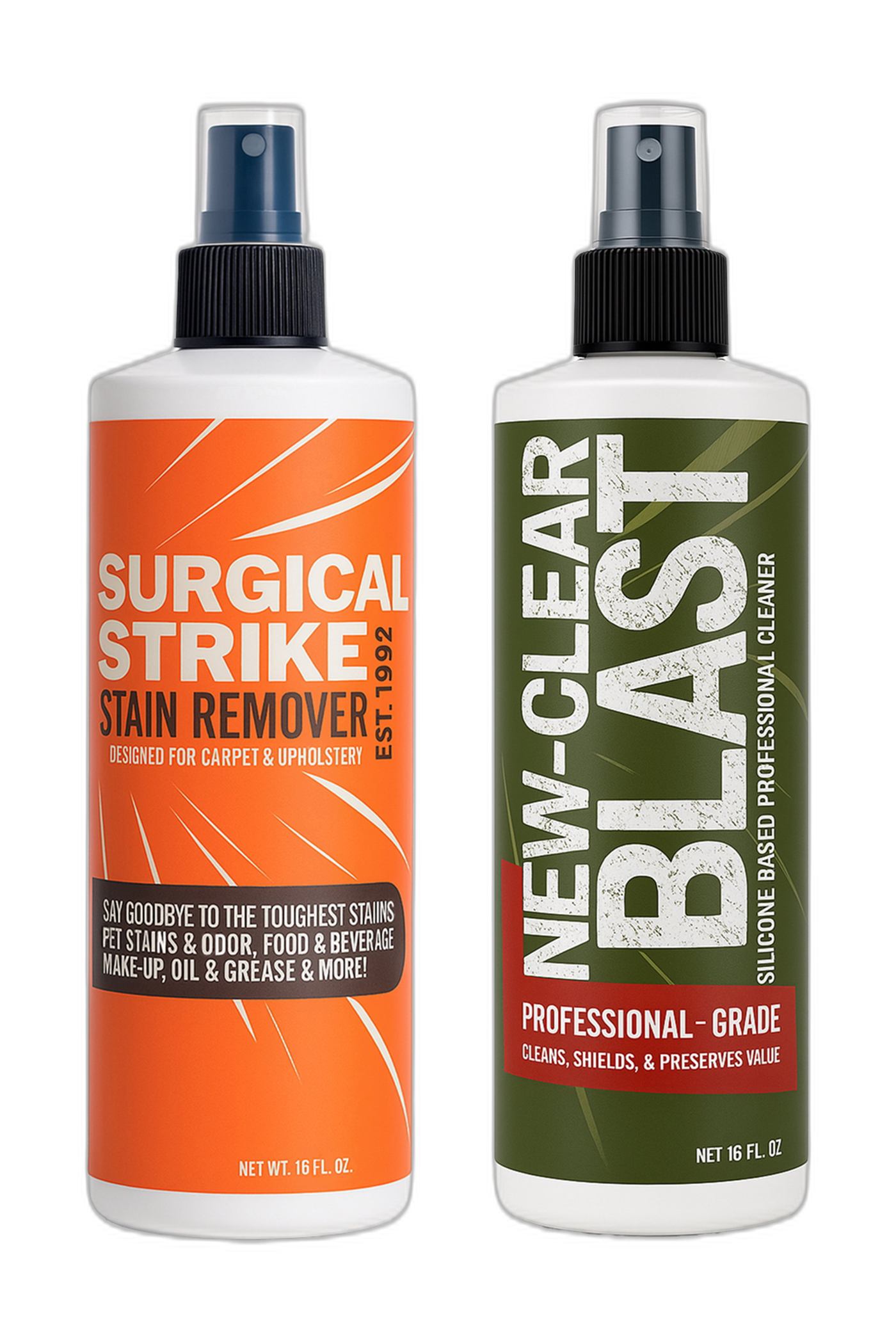
Two formulas. Serious range.
Use Surgical Strike for stains and odor, then New-Clear Blast to clean, shield and preserve hard surfaces.