Key Takeaways
For operators in commercial food service and food processing, adopting sustainable water management practices is not just about environmental stewardship, it is a critical step toward operational efficiency and cost control. Here are the essential points to consider:
- Commercial kitchens can meaningfully reduce their water consumption by adopting efficient chemical formulations and implementing water recycling systems.
- The FDA's Good Manufacturing Practice (GMP) regulations mandate effective sanitation, placing a strong emphasis on the quality of water used in all cleaning and sanitation processes to prevent contamination.
- Using biodegradable cleaners helps minimize wastewater pollution, allowing facilities to maintain high hygiene standards without contributing to environmental degradation.
- Implementing water recycling systems and low-flow equipment can directly reduce operational costs and the overall environmental impact of food processing operations.
- Eco-friendly cleaning protocols are designed to comply with hygiene standards while often reducing the dependency on extensive personal protective equipment.
Water Usage in Commercial Kitchens: The Scale of the Challenge
Water is an essential resource in any commercial kitchen or food processing facility, but its consumption often goes unchecked, leading to significant waste and high operational costs. The food processing sector alone accounts for a substantial portion of industrial water use, highlighting the industry's considerable environmental footprint.
On a smaller scale, individual restaurants can waste thousands of gallons of water each year due to inefficient cleaning practices and outdated equipment. This waste translates directly to higher utility bills and an unnecessary strain on local water resources. The good news is that there are practical and effective ways to address this challenge.
By adopting water-wise strategies, commercial kitchens and food processing plants can achieve a notable reduction in water consumption. These strategies include optimizing cleaning protocols, using modern equipment, and selecting efficient cleaning formulations that work effectively with less water. This approach not only supports sustainability goals but also contributes to a more resilient and cost-effective operation.
Adhering to FDA GMP for Sanitation and Water Quality
In the food service industry, sanitation is non-negotiable. The U.S. Food and Drug Administration (FDA) sets clear guidelines through its Good Manufacturing Practice (GMP) regulations, specifically outlined in 21 CFR Part 117. These regulations mandate that all food processing and handling facilities implement effective sanitation procedures to prevent the contamination of food products.
A central component of these regulations is the requirement to use clean, safe water for all sanitation purposes, including cleaning food-contact surfaces, equipment, and utensils. This requirement underscores the critical role that water quality plays in maintaining a hygienic environment and preventing the spread of microbial hazards. Sourcing and using water that meets these standards is a fundamental aspect of compliance.
Adherence to GMP standards reinforces the need for both high quality water and efficient cleaning processes. For commercial food service operations, this means that any water conservation strategy must also support sanitation requirements. The goal is to reduce water consumption without compromising the safety and integrity of the food supply chain. This balance is achievable through strategic planning and the adoption of modern cleaning technologies and solutions.
Strategic Approaches to Water-Smart Cleaning
Reducing water consumption in a commercial kitchen requires a multi-faceted approach that combines technology, process optimization, and smart chemistry. One of the most impactful strategies is the implementation of water recycling systems. These systems capture, treat, and reuse water from certain cleaning processes, which can lead to a substantial reduction in fresh water consumption in some applications.
In addition to recycling, the adoption of low-water cleaning technologies offers significant conservation benefits. High-pressure, low-flow spray nozzles and modern dishwashing equipment are engineered to deliver effective cleaning power while using a fraction of the water of older models. These technologies can substantially reduce water usage in equipment sanitation tasks, a meaningful saving for any food processing plant.
The effectiveness of these technologies is often dependent on the cleaning agents used. Utilizing efficient chemical formulations is a critical component of any water-smart cleaning program. Solutions designed to work quickly and effectively in low-water conditions can help ensure that hygiene standards are met without excessive rinsing. This synergy between equipment and chemistry is key to achieving meaningful reductions in water consumption.
The Role of Eco-Friendly Cleaning Solutions
The choice of cleaning chemicals has a direct impact on both water quality and the broader environment. Biodegradable cleaners are formulated to break down naturally, which helps minimize the pollution of wastewater discharged from Facilities. This is particularly important in the food service industry, where large volumes of water are used for cleaning.
Unlike traditional petroleum-based products, which can persist in the environment and harm aquatic ecosystems, biodegradable cleaners are designed to return to their basic components without causing harm. This approach supports responsible wastewater management and helps facilities comply with environmental regulations. By selecting these types of products, operators can maintain high hygiene standards while reducing their facility's environmental footprint.
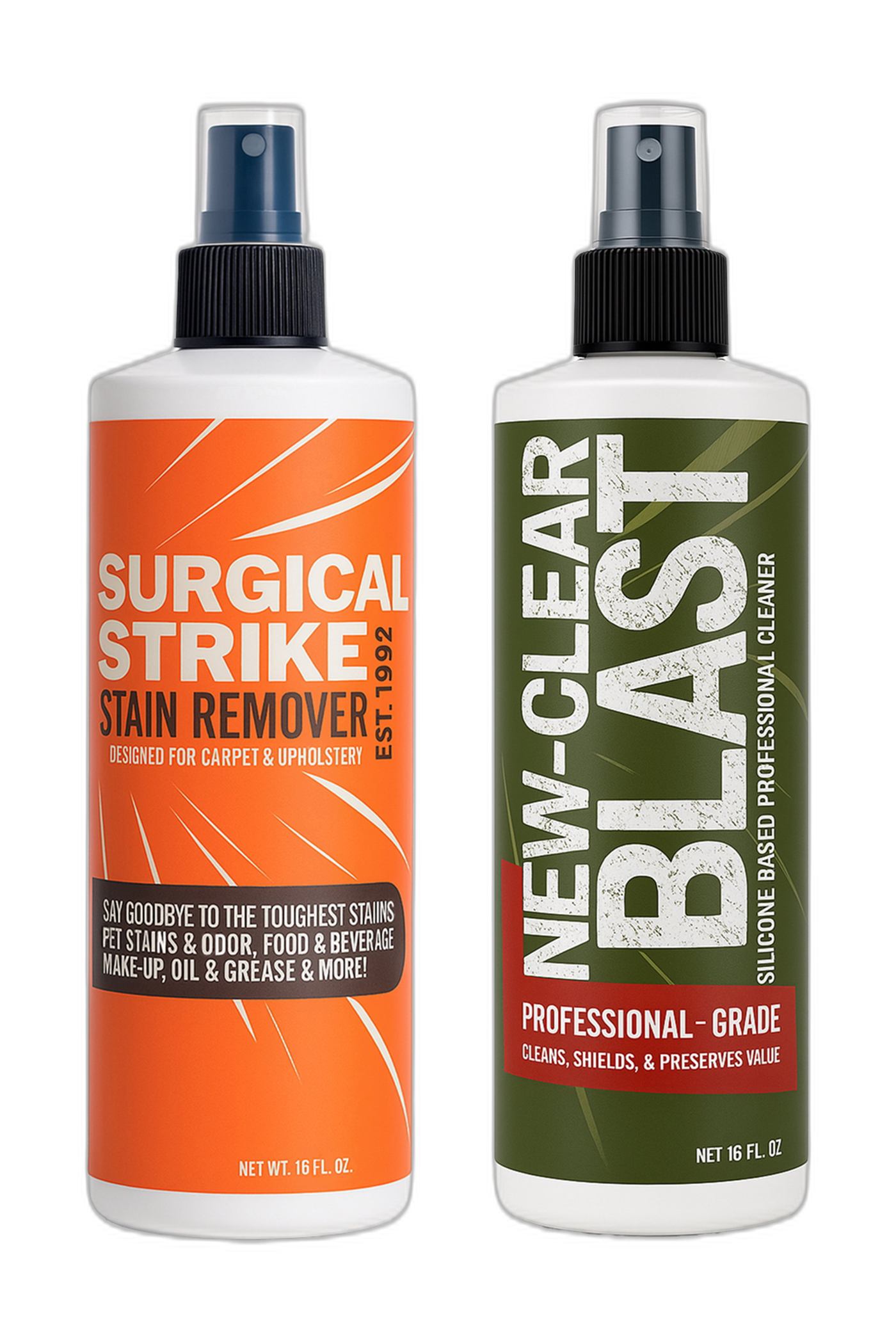
Furthermore, efficient formulations often need less rinsing to remove residues, which saves water. It also leaves less cleaner residue behind on countertops and prep surfaces. Products like Surgical Strike are formulated to help remove tough grease and soils, while solutions like New-Clear Blast are used as part of surface preparation and cleaning protocols.
Wastewater Management and Resource Recovery
Effective wastewater management is a crucial part of a comprehensive water sustainability strategy. In commercial kitchens and food processing plants, this involves more than just disposal. It includes strategies to treat and reduce the volume of contaminated water generated during cleaning processes before it is either discharged or reused.
Advanced treatment methods, such as filtration and disinfection systems, can enable the safe reuse of wastewater for non-critical applications like floor cleaning or initial rinsing of equipment. This practice, often called resource recovery, turns a waste stream into a valuable asset, further reducing the demand for fresh water and lowering utility costs.
Integrating water recycling systems with low-flow equipment creates a powerful combination for resource conservation. This integrated approach not only helps reduce operational expenses but also lessens the facility's overall environmental impact. For restaurants and other food service businesses, these practices demonstrate a commitment to sustainability that can resonate with environmentally conscious consumers.
Failure Modes or Operational Risks
Failing to implement proper water management and sanitation protocols can expose a food service operation to significant risks. Inadequate sanitation can lead to microbial contamination of food products, resulting in non-compliance with FDA GMP regulations and posing serious food safety hazards to the public. Such an event can lead to recalls, legal action, and irreparable damage to a brand's reputation.
The choice of cleaning chemicals also carries risks. The use of harsh, non-biodegradable chemicals contributes to waterway pollution after being washed down the drain. This not only harms the environment but can also lead to non-compliance with local wastewater discharge regulations.
Finally, inefficient water usage directly impacts the bottom line. With restaurants potentially wasting thousands of gallons of water annually per location, the cumulative financial cost of this inefficiency can be substantial. These operational costs cut into profit margins and represent a missed opportunity for savings and resource conservation.
Mechanism-to-Outcome Map: Cleaning Efficiency and Sustainability
Understanding the direct link between specific actions and their results can help prioritize sustainable practices. Here is a breakdown of key mechanisms and their expected outcomes in a commercial food service environment.
- Mechanism: Use of efficient chemical formulations. This involves selecting cleaning agents that are effective at removing soils with minimal water. The outcome is reduced water consumption and effective cleaning that meets or exceeds hygiene standards with less resource use.
- Mechanism: Water recycling systems and low-flow equipment. This strategy involves investing in technologies that reuse water and minimize output. The outcome is a significant reduction in fresh water demand, which can lead to lower operational costs and a smaller water footprint.
- Mechanism: Biodegradable cleaning agents.This is the practice of choosing cleaners designed to break down readily in the environment. The outcome is minimized wastewater pollution and a reduced environmental impact, which supports compliance with environmental standards and corporate responsibility goals.
Regulatory, Safety, or Compliance Considerations
Navigating the regulatory landscape is essential for any food service operation. Compliance with FDA GMP standards (21 CFR Part 117) is mandatory and directly influences decisions regarding water quality, sanitation procedures, and the selection of cleaning agents. These regulations are designed to ensure food safety.
Beyond federal mandates, adopting eco-friendly cleaning protocols can offer additional benefits. Such protocols can help facilities meet stringent hygiene standards while potentially reducing the need for extensive personal protective equipment (PPE) associated with harsh chemicals. This also reduces harsh-chemical exposure for employees.
Selecting bleach-free cleaning agents is a key part of this approach. It not only aligns with environmental responsibility but also reduces risks associated with chemical exposure for both staff and consumers. This proactive stance on safety and compliance can strengthen an organization's reputation and operational resilience.
Selection Checklist for Sustainable Cleaning Solutions
Choosing the right cleaning solutions is a critical step in building a sustainable and efficient sanitation program. Use this checklist to guide your selection process:
- Compatibility: Prioritize cleaning solutions that are compatible with low-flow or water recycling systems to maximize water conservation efforts.
- Compliance: Confirm each product fits your food-contact procedures and documentation requirements. Refer to the product documentation and safety data sheets.
- Environmental Impact: Choose biodegradable formulations to minimize environmental harm and support responsible wastewater management. Check for certifications or third-party verifications where available.
- Efficacy: Assess the product’s effectiveness in removing common food service soils, greases, and residues with minimal water and effort. Consider requesting a demonstration or trial.
- Cost-Effectiveness: Evaluate the total operational picture, including water usage, energy for heating water, and waste treatment processes. A holistic view often reveals the long-term value of sustainable products.
For more information on solutions for different environments, see our Applications list.
Clean and prep surfaces with CG Chemicals
If you are dealing with buildup, residues, or tough soil before maintenance or finishing work, CG Chemicals offers practical cleaning solutions for high-use environments. Explore New-Clear Blast and Surgical Strike based on your surface and soil type.
Sources
- https://www.foodengineeringmag.com/articles/98386-optimizing-water-usage-in-food-processing-plants
- https://www.fda.gov/food/guidance-regulation-food-and-dietary-supplements/current-good-manufacturing-practice-current-good-manufacturing-practice-sanitation-hazard-analysis-preventive
- https://cgchemicalsllc.com/blogs/articles/environmental-impact-cleaning-chemicals
- https://www.restaurant.org/research-and-media/research/research-reports/sustainability
- https://cgchemicalsllc.com/blogs/articles/schools-cleaning-with-toxins
- https://waterfootprint.org/en/resources/publications/
- https://cgchemicalsllc.com/blogs/articles/the-hidden-threat-endocrine-disruptors-in-household-cleaners
Two formulas. Serious range.
Use Surgical Strike for stains and odor, then New-Clear Blast to clean, shield and preserve hard surfaces.