Key Takeaways
Maintaining industrial concrete floors requires a targeted approach to address specific challenges posed by heavy use and contamination. Effective concrete maintenance relies on understanding the nature of soils and selecting appropriate cleaning agents to address them without damaging the surface. This strategy is essential for both operational safety and asset longevity.
- Industrial concrete often encounters tough contaminants like oil, grease, and mineral deposits such as efflorescence, each requiring specific cleaning solutions.
- Choosing the right chemical cleaner based on the contaminant type is critical for effective removal and surface preservation.
- Strict adherence to safety protocols, including those outlined by OSHA, is necessary when handling and applying industrial-grade cleaning chemicals.
- A consistent and correct cleaning regimen extends the service life of concrete surfaces, supports operational safety, and can reduce long-term maintenance costs.
- CG Chemicals provides solutions developed to support industrial cleaning and surface preparation tasks in demanding environments.
Understanding Industrial Concrete Challenges
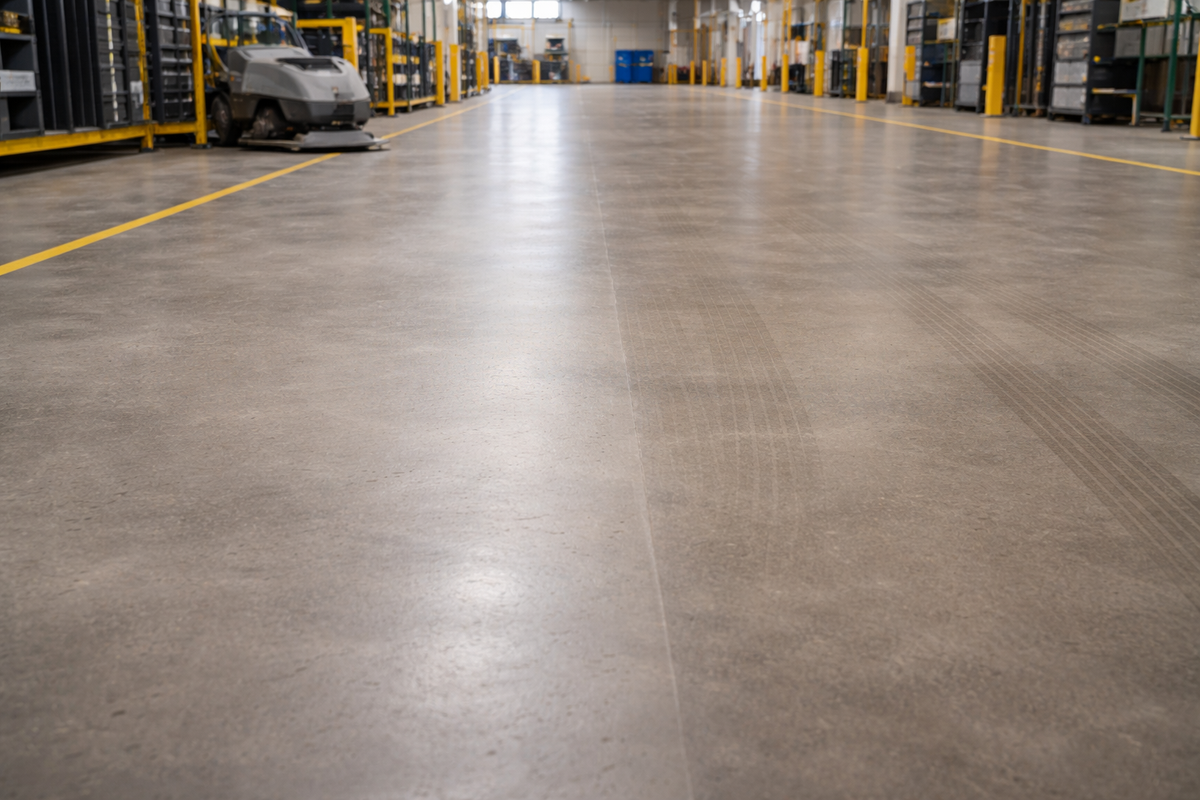
Industrial concrete surfaces are subjected to constant stress from heavy machinery, foot traffic, and exposure to various chemical and organic substances. Over time, these conditions lead to specific maintenance challenges that can impact both safety and productivity. Common issues include the accumulation of petroleum-based oils and greases, which can penetrate deep into the porous structure of concrete.
These deep-set oil and grease stains not only create an unsightly appearance but also present significant slip-and-fall hazards. Another prevalent issue is efflorescence, which appears as a white, crystalline deposit on the concrete surface. This deposit is composed of salts that are carried to the surface by water and left behind after evaporation. While often a cosmetic issue, severe efflorescence can indicate moisture problems and may compromise the integrity of the surface over time.
If these problems are not addressed proactively, they can lead to operational inefficiencies, increased risks for workers, and higher long-term maintenance costs. Proper cleaning is the first step in any effective concrete maintenance program.
Mechanism-to-Outcome Map: How Cleaning Agents Interact with Concrete
The effectiveness of a cleaning solution depends on its chemical reaction with the specific contaminant it is designed to remove. Understanding this relationship is key to selecting the right product and avoiding damage to the concrete itself. Cleaning agents work by breaking down or suspending contaminants, making them easier to remove from the surface.
Alkaline cleaners, for instance, are highly effective against organic soils like oils and greases. They work through a process called saponification, which converts fats into a soap-like substance that can be rinsed away. They also emulsify other soils, breaking them into smaller particles that can be suspended in water for removal. In contrast, acidic cleaners are formulated to dissolve mineral deposits, such as the salts that cause efflorescence. They work through chemical reactions like chelation or neutralization to break down these crystalline structures.
Choosing a cleaner with the appropriate chemical mechanism ensures that the target contaminant is addressed effectively. This knowledge helps prevent misapplication of chemicals, which could be ineffective at best and damaging to the concrete substrate at worst.
Selecting the Right Cleaning Solutions for Industrial Concrete
The selection of an appropriate cleaning agent is a critical decision that balances effectiveness, safety, and environmental considerations. The primary factor in this choice is the type of contaminant. As noted, alkaline cleaners are suited for oils and greases, while acidic cleaners are used for mineral deposits. For general grime, a pH-neutral cleaner may be sufficient.
In demanding environments like Manufacturing facilities, it is beneficial to consider cleaners designed for high-use settings. Product specifications should be reviewed carefully, paying attention to details like volatile organic compound (VOC) content to ensure compliance with local environmental and safety standards.
Ultimately, opting for solutions that help remove tough grime and buildup is part of a comprehensive surface preparation strategy. Proper cleaning readies the concrete for subsequent steps, whether that is routine use, inspection, or preparation for maintenance work. The interaction between the cleaner and the concrete's properties, such as porosity and finish, must also be considered to prevent unwanted etching or degradation.
Effective Application Techniques and Equipment
The performance of a cleaning agent is significantly influenced by the application method. Proper techniques and equipment are just as important as the chemical solution itself. Before applying any cleaner, the surface should be prepared by removing all loose debris through sweeping or vacuuming. This step prevents grime from being simply redistributed across the floor.
For many industrial applications, mechanical action is necessary to achieve a thorough clean. Equipment such as industrial floor scrubbers or pressure washers can greatly assist with the process, providing the agitation needed to lift stubborn soils from the concrete's pores. The cleaning solution should also be given adequate dwell time, allowing the chemicals to penetrate and react with the contaminants as intended.
It is crucial to follow the manufacturer's label directions for dilution ratios, application methods, and safety precautions. Correct dilution ensures the product works as designed, while following safety guidance protects workers and equipment. Thorough rinsing is a final, critical step to remove all residues of both the cleaner and the contaminants.
Regulatory, Safety, and Compliance Considerations
Working with industrial cleaning chemicals demands a strict focus on safety and regulatory compliance. The Occupational Safety and Health Administration (OSHA) provides clear Industrial Hygiene Guidelines that cover the safe handling, storage, and disposal of these products. Facility managers must ensure these protocols are understood and followed by all personnel.
A key aspect of chemical safety is ensuring adequate ventilation, especially in enclosed spaces like warehouses or production floors. Proper airflow helps to disperse any fumes and minimizes the risk of inhalation exposure for workers. Furthermore, the use of appropriate personal protective equipment (PPE) is non-negotiable. This typically includes chemical-resistant gloves, eye protection like goggles or face shields, and, in some cases, respirators.
Finally, robust spill containment and cleanup procedures must be in place. Having a clear plan and the right materials on hand can prevent a small accident from becoming a major safety or environmental issue. Reviewing the Safety Data Sheet (SDS) for each chemical product is an essential step in developing these safety procedures.
Failure Modes or Operational Risks: Consequences of Improper Cleaning
The consequences of improper concrete cleaning can range from cosmetic issues to serious safety hazards and structural damage. Inadequate cleaning that leaves behind contaminants like oil or grease can result in persistently slippery surfaces, increasing the risk of workplace accidents. This can also lead to premature wear on the concrete itself.
Using an incorrect or overly aggressive chemical agent can be equally detrimental. For example, applying a strong acid to a concrete surface that does not require it can cause etching, which roughens the surface and can make it more susceptible to future staining. In severe cases, it can lead to spalling, where the surface begins to flake or chip away, compromising the floor's structural integrity.
Another common failure is insufficient rinsing, which can leave a film of chemical residue on the surface. This residue can attract dirt, creating a new layer of contamination that may interfere with the performance of any subsequent treatments. Addressing issues like oil stains and efflorescence correctly is vital for preserving the long-term value and function of industrial concrete floors.
Preventive Maintenance for Long-Term Concrete Health
A proactive approach to concrete care is far more effective and cost-efficient than a reactive one. Establishing a regular cleaning schedule is the cornerstone of any preventive maintenance program. Consistent cleaning prevents the heavy accumulation of dirt, oil, and other contaminants, which makes the cleaning process easier and less reliant on aggressive chemicals.
Promptly addressing spills is another critical practice. The longer a substance like oil or a chemical sits on the concrete, the deeper it can penetrate, making it significantly harder to remove later. Having spill kits readily available and training employees on their use can minimize the long-term impact of accidents.
Simple measures, such as placing walk-off mats at all entry points to a facility, can also make a substantial difference by reducing the amount of dirt and moisture tracked onto the concrete floors. Together, these consistent and appropriate maintenance practices contribute to the extended durability and reliable performance of industrial concrete surfaces.
Selection Checklist for Industrial Concrete Cleaning
Choosing the right approach for cleaning industrial concrete involves a systematic evaluation of several factors. Using a checklist can help ensure that all key considerations are addressed, leading to a safer and more effective outcome.
- Identify Contaminant Type: Determine the specific substance to be removed. Is it oil, grease, tire marks, mineral deposits like efflorescence, or general industrial grime?
- Evaluate Concrete Condition: Assess the age, porosity, and current condition of the concrete. Note any existing treatments, sealers, or coatings that could be affected by the cleaning agent.
- Review Environmental and Regulatory Factors: Consider the cleaning area's ventilation, any water runoff or disposal requirements, and applicable local or federal regulations regarding chemical use.
- Check Safety Data Sheets (SDS): Always review the SDS for any potential cleaning product. This document provides critical information on proper handling, necessary PPE, and first-aid measures.
- Determine Equipment Needs: Decide what equipment is necessary for the job, such as a pressure washer, an auto scrubber, mops, or brushes, to ensure proper application and removal of the cleaning solution.
CG Chemicals Solutions for Industrial Concrete Maintenance
For organizations seeking practical solutions for industrial surface maintenance, CG Chemicals offers products designed for demanding environments. These solutions are formulated to support cleaning and surface preparation tasks on a variety of surfaces, including industrial concrete floors. They can be used as part of a comprehensive maintenance plan in settings such as Facilities and manufacturing plants.
For multi-surface cleaning challenges, New-Clear Blast is a versatile option that assists with general maintenance and leaves a protective finish. When dealing with more specific and stubborn issues, Surgical Strike is formulated to help with degreasing and stain removal, making it a suitable choice for tackling tough oil and grease spots on concrete.
Incorporating these products into a maintenance program helps prepare industrial concrete surfaces for ongoing use or subsequent work. Whether cleaning before a routine inspection or prepping a floor for refinishing, using an appropriate cleaner is a fundamental step. CG Chemicals provides dependable solutions that assist with maintaining clean and well-prepped surfaces.
Clean and prep surfaces with CG Chemicals
If you are dealing with buildup, residues, or tough soil before maintenance or finishing work, CG Chemicals offers practical cleaning solutions for high-use environments. Explore New-Clear Blast and Surgical Strike based on your surface and soil type.
Sources
- https://www.concrete.org/publications/journals
- https://www.osha.gov/hygiene-guidelines
- https://www.concreteconstruction.net/articles/cleaning-and-maintenance
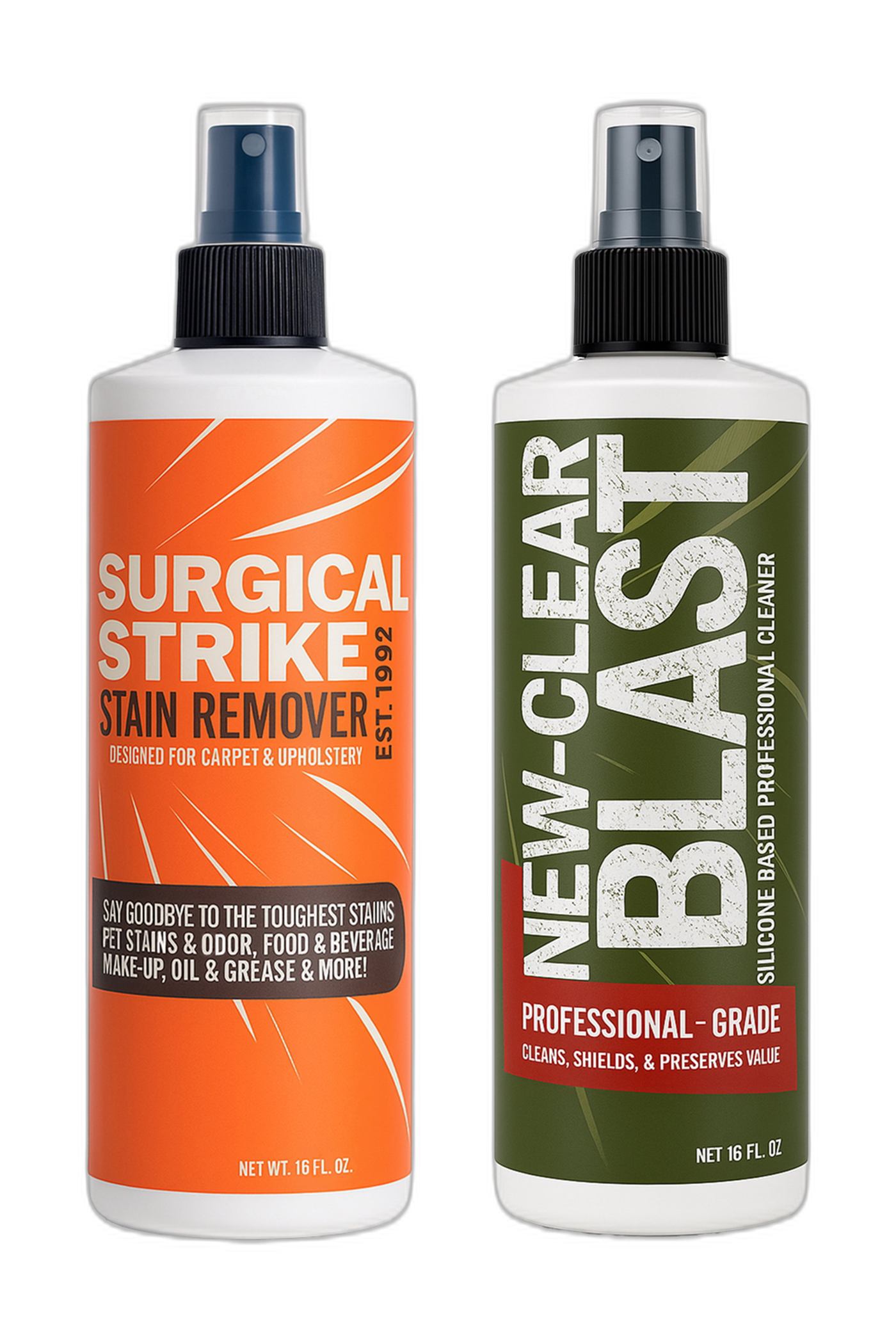
Two formulas. Serious range.
Use Surgical Strike for stains and odor, then New-Clear Blast to clean, shield and preserve hard surfaces.