Key Takeaways
- Fire station cleaning is an operational readiness task, critical for firefighter health and facility usability, not merely a housekeeping chore.
- A cost-effective cleaning program prioritizes consistent protocols, targeted contaminant removal, and careful product selection to avoid frequent, disruptive deep-cleaning events.
- Cleaning intensity and contamination sources vary by zone; living quarters, apparatus bays, and high-touch surfaces require distinct approaches.
- Selecting lower-hazard cleaning chemicals supports both worker well-being and environmental objectives when guided by recognized frameworks.
- Documented cleaning protocols are essential for standardizing tasks, training personnel, and managing budgets effectively.
The Business Case for Strategic Cleaning in Fire Service Facilities
For fire service facilities, cleaning is not a secondary task but a core component of operational readiness. A clean, well-maintained station is a functional and safe environment that supports rapid response times. When equipment, vehicles, and living quarters are properly maintained, personnel can operate with confidence and efficiency. Strategic cleaning protocols are fundamental to ensuring that all assets are ready for deployment without delay.
Beyond readiness, effective contamination control is a critical factor in firefighter health and safety. Consistent cleaning helps reduce personnel exposure to soot, chemical residues, and biohazards brought back from incident scenes. A proactive cleaning program also helps manage budgets. By preventing the accumulation of corrosive or damaging contaminants, stations can extend the service life of valuable assets and minimize the need for costly, large-scale contaminant-removal events or premature equipment replacement.
Understanding Contamination Pathways and Risks
Fire service facilities are unique environments where contaminants from emergency scenes can easily spread. Soot, combustion byproducts, and various biohazards can be transferred from personal protective equipment and vehicles to apparatus bays, living quarters, and common areas. This cross-contamination creates persistent exposure risks for all personnel, even when they are not at an active incident.
Reducing these contamination pathways is an established priority for firefighter health. The risks are not confined to the apparatus bay; they extend into every part of the station, including kitchens, bunk rooms, and offices. Without structured cleaning practices, these residues can accumulate on surfaces, in HVAC systems, and on personal items, posing long-term health hazards. Thorough contaminant removal in fire station living quarters is a specific area of focus to mitigate these risks.
Zone-Based Cleaning for Optimized Resource Use
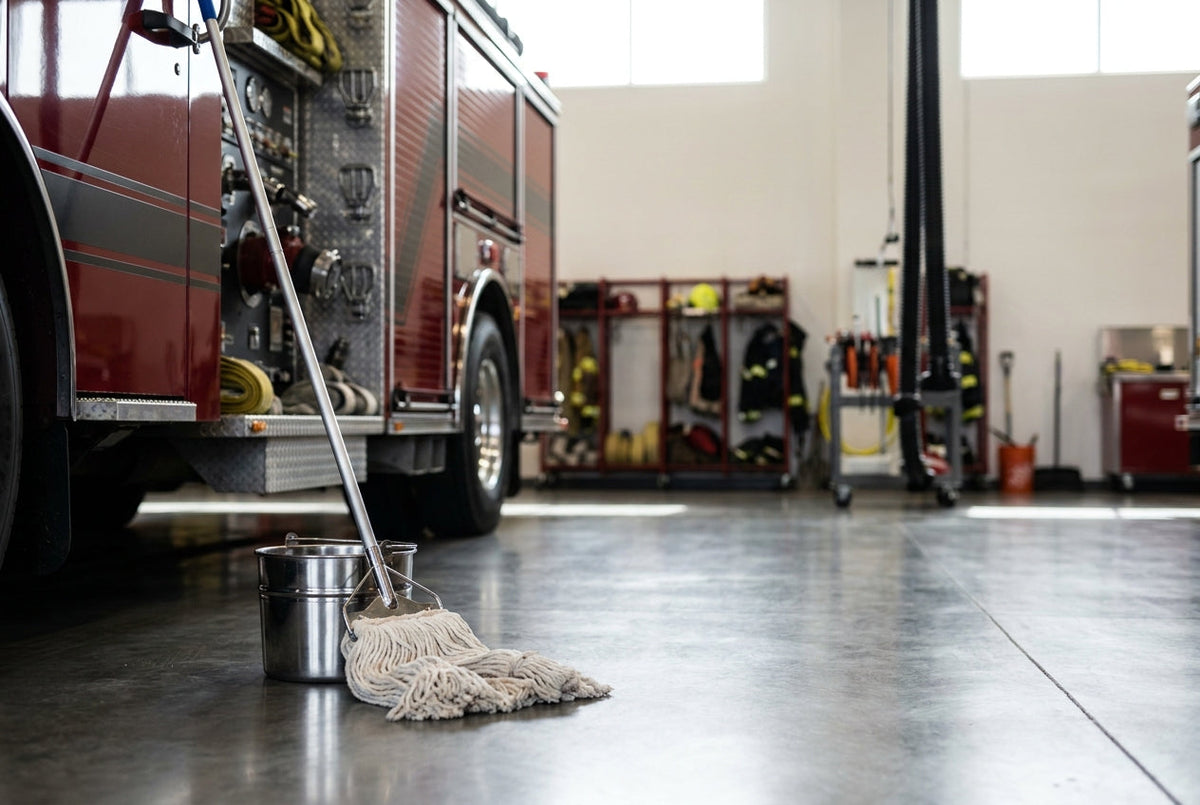
An effective and cost-efficient cleaning strategy treats the fire station as a series of distinct zones, each with unique contamination risks and cleaning requirements. This approach ensures that resources are allocated appropriately, targeting the areas of highest concern without over-cleaning less critical spaces. For example, apparatus bays require heavy-duty degreasing and contaminant removal, while administrative offices may need standard janitorial care.
Living quarters, including kitchens and bunk rooms, demand dedicated contaminant-removal practices to reduce personnel exposure to carcinogens and other hazards brought back from calls. High-touch surfaces like door handles, light switches, and equipment controls require frequent disinfection to limit the spread of pathogens. By tailoring cleaning solutions for facilities to each zone, fire departments can support safety and hygiene goals in a financially responsible manner.
Failure Modes and Operational Risks from Inadequate Cleaning
Neglecting consistent cleaning protocols introduces significant risks to both personnel and operations. The most direct failure mode is the accumulation of hazardous residues, which increases the long-term health risks for firefighters through chronic exposure. This can lead to serious health issues over time, impacting staff well-being and availability.
Poor facility hygiene can also directly impair operational readiness. Contaminated gear, dirty vehicles, or unsafe living quarters can slow response times and make the station an unhealthy environment. Furthermore, ignoring contamination control can lead to a cycle of costly emergency cleanups. A major contamination event may require shutting down a bay or the entire station for deep cleaning, disrupting budgets, staffing, and the ability to serve the community effectively.
Mechanism-to-Outcome Map: Cleaning Practices and Facility Performance
There is a direct link between specific cleaning practices and positive facility outcomes. The primary mechanism is the implementation of consistent cleaning routines that break contamination pathways. By regularly removing hazardous materials from surfaces, stations reduce personnel exposure risks and prevent the spread of contaminants from hot zones to living quarters.
Another key mechanism is the use of appropriate cleaning agents and techniques for different surfaces. This helps maintain the condition of floors, equipment, and structural components, supporting hygiene and extending the lifespan of facility assets. When cleaning is integrated into routine maintenance schedules, it contributes directly to sustained operational readiness. This structured approach ensures that the facility remains a safe and functional base of operations at all times.
Selection Checklist for Cost-Effective Cleaning Solutions
Choosing the right cleaning products is essential for balancing safety, performance, and budget. When evaluating options, consider the following points:
- Handling Profile: Review each product's safety data sheet and choose options that fit your crews' handling and ventilation practices.
- Efficacy: Evaluate cleaning agents based on their effectiveness against common fire service contaminants like soot, grease, and grime. Ensure they are suitable for the various surfaces found throughout the station, from concrete floors to stainless steel kitchen appliances.
- Cost-Effectiveness: Consider concentrated products, which can reduce packaging waste and simplify logistics. For example, a multi-surface cleaner like New-Clear Blast can be used for general areas, while a targeted degreaser and stain remover like Surgical Strike can address tough grease and stains in bays and on equipment.
- Ease of Use: Select solutions that minimize the need for specialized equipment or extensive training. Products that are easy for all personnel to use correctly across different shifts help ensure protocol compliance and consistent results.
Regulatory, Safety, and Compliance Considerations
Cleaning practices in fire service facilities are guided by several regulatory and advisory bodies focused on occupational health. OSHA's guidance on emergency preparedness emphasizes the importance of hazard control and safe work practices in all emergency services workplaces, which extends to station maintenance and hygiene.
The National Institute for Occupational Safety and Health (NIOSH) provides specific recommendations for firefighter contamination reduction, establishing cleaning as a critical occupational health priority to mitigate long-term health risks. To align with these safety goals, fire departments can utilize programs like EPA Safer Choice to guide the selection of cleaning products formulated with safer chemical ingredients. This assists with meeting both environmental and worker safety objectives.
Implementing Documented Cleaning Protocols and Training
To ensure consistency and effectiveness, cleaning procedures should be formalized in written protocols. These documents standardize tasks, specify which products to use for different applications, and outline safety precautions, ensuring that all shifts and personnel follow the same high standards.
Effective training is equally important. All personnel should be trained on the proper handling and application of cleaning chemicals to reduce errors, minimize waste, and prevent accidental exposures. Documented protocols and regular training contribute to better budget management by controlling the use of supplies and optimizing labor. A well-managed program transforms cleaning from a variable expense into a predictable operational cost, supporting the mission with reliable cleaning and surface-prep solutions.
Clean and prep surfaces with CG Chemicals
If you are dealing with buildup, residues, or tough soil before maintenance or finishing work, CG Chemicals offers practical cleaning solutions for high-use environments. Explore New-Clear Blast and Surgical Strike based on your surface and soil type.
- Use with adequate ventilation.
- Avoid contact with eyes and prolonged skin contact.
- Keep out of reach of children.
- Follow label directions.
Sources
- https://www.osha.gov/emergency-preparedness
- https://www.cdc.gov/niosh/firefighters/
- https://www.nvfc.org/resources/station-operations/
- https://www.cdc.gov/niosh/firefighters/recommendations/contamination.html
- https://www.firehouse.com/training-education/article/14797147/how-to-properly-decontaminate-fire-station-living-quarters
- https://www.cdc.gov/niosh/docs/2017-146/
- https://www.epa.gov/saferchoice
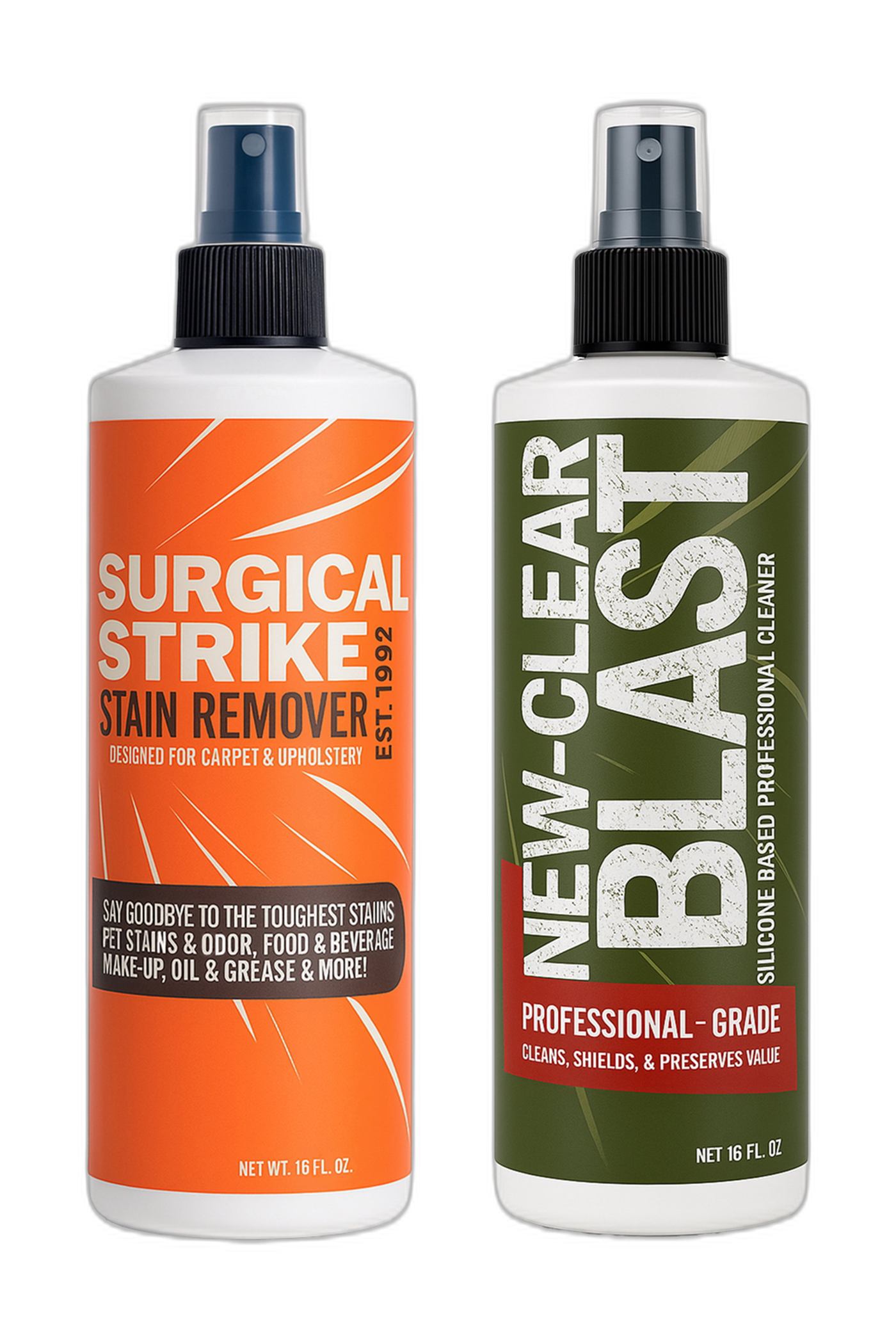
Two formulas. Serious range.
Use Surgical Strike for stains and odor, then New-Clear Blast to clean, shield and preserve hard surfaces.