For fleet managers, balancing operational costs with asset longevity is a primary objective. While often viewed as a simple line item, a strategic approach to fleet cleaning can have a significant financial impact. Choosing cost-effective fleet cleaning solutions goes beyond the initial price per gallon. It involves selecting products and methods that help maintain vehicle integrity, support fuel efficiency, and reduce long-term repair expenses. This guide explores practical strategies for optimizing your cleaning budget without compromising on fleet performance or appearance.
Key Takeaways
- Non-caustic and biodegradable cleaners are formulated to reduce premature wear on vehicle components and surfaces, which can help lower overall maintenance costs.
- Mobile fleet washing services offer a way to minimize vehicle downtime and transportation expenses, often utilizing eco-friendly detergents that meet compliance standards.
- Establishing a regular cleaning schedule helps prevent the buildup of corrosive materials like road salt, mitigating rust, and supporting the operational life of fleet assets.
- Using ultra-concentrated liquids and chemical powders can substantially reduce storage space requirements and cut down on procurement expenses.
- Implementing water recovery systems is a strategy for providing low-cost washing solutions while helping to ensure environmental compliance.
The Impact of Neglected Fleet Cleanliness on Operational Costs
Overlooking routine cleaning can lead to significant and often avoidable operational costs. When dirt, road film, and environmental debris are left to accumulate, they can contribute to accelerated wear on paint, seals, and mechanical parts. This buildup acts as an abrasive agent and can trap moisture, creating conditions for rust and corrosion, especially on undercarriages and chassis components.
The consequences of neglect extend beyond surface damage. A layer of grime on a vehicle's exterior can disrupt its aerodynamics, leading to a subtle but measurable decrease in fuel efficiency over thousands of miles. This adds directly to operational expenditures. Furthermore, allowing vehicles to remain dirty for extended periods often means that more intensive cleaning methods, including harsher chemicals and increased labor, are required later. This reactive approach increases the cost per wash and can lead to more vehicle downtime.
Strategic Cleaning Approaches for Cost Reduction
Fleet managers can implement several strategies to lower cleaning-related expenses while maintaining high standards. Mobile fleet washing services, for example, can reduce costs associated with fuel and labor by bringing the cleaning operation to your location, minimizing vehicle downtime. This approach can boost productivity by keeping assets in service for longer periods.
Another effective strategy is to optimize the procurement and storage of cleaning supplies. Utilizing ultra-concentrate detergents and powder presoaks can significantly reduce shipping and storage overhead. These products take up less space and often provide a lower cost-per-use than ready-to-use solutions. Implementing bulk purchasing programs for frequently used chemicals can also yield substantial savings. Additionally, strategic scheduling of cleaning services, such as coordinating bulk washing for multiple vehicles at once, optimizes labor and resource use, further lowering overall maintenance expenses. Products such as Surgical Strike are designed for heavy degreasing tasks and are part of a comprehensive cleaning program.
Failure Modes and Operational Risks from Inadequate Cleaning
Inadequate cleaning protocols expose a fleet to various operational risks and failure modes. The most common issue is premature corrosion. When road salt, dirt, and moisture are not regularly removed from vehicle surfaces and undercarriages, they create an environment where rust can develop and compromise the structural integrity of the asset.
Beyond corrosion, accumulated grime can negatively affect the performance of critical components. Dirt and debris can interfere with sensors, clog filters, and accelerate wear on moving parts, potentially leading to unexpected breakdowns and costly repairs. A poorly maintained exterior not only projects an unprofessional brand image but can also mask underlying issues like fluid leaks or minor body damage that require attention. This neglect of external maintenance can also contribute to reduced aerodynamic efficiency, which affects fuel economy over the long term. Properly maintaining Vehicles is a key part of managing these risks.
Mechanism-to-Outcome Map: How Effective Cleaning Prolongs Asset Life
Effective cleaning is a direct contributor to the longevity of fleet assets through several key mechanisms. The use of non-caustic cleaning agents is critical, as these formulations remove grime and buildup without damaging sensitive materials like rubber seals, wiring, or electronic components. By preserving the integrity of these parts, non-caustic cleaners help prevent premature failures.
Regular and thorough washing of undercarriages is another vital practice. This action directly prevents the accumulation of corrosive agents like de-icing salts, mitigating rust formation and extending the structural lifespan of the chassis and related components. Furthermore, maintaining clean exterior surfaces helps reduce aerodynamic drag. While the effect per vehicle is small, across an entire fleet it can contribute to sustained fuel efficiency. A clean surface also makes it easier to spot minor damage like cracks or leaks during inspections, supporting early detection and preventative maintenance before they become larger, more expensive problems.
Regulatory, Safety, and Environmental Compliance in Fleet Cleaning
Modern fleet maintenance must operate within a framework of regulatory, safety, and environmental standards. A key area of focus is water usage and disposal. Many fleet washing services employ water recovery systems that capture, filter, and reuse wash water. This practice not only provides a low-cost washing solution but is also essential for adhering to local and federal environmental regulations regarding wastewater discharge.
The choice of cleaning chemicals is equally important for compliance. The use of biodegradable and eco-friendly detergents helps minimize environmental impact, as these chemicals are formulated to break down naturally without harming ecosystems. Selecting non-corrosive and less aggressive cleaners also supports a safer working environment for maintenance personnel, reducing exposure to harsh substances. Proper waste management and adherence to all environmental laws are crucial for avoiding fines and maintaining a positive public image.
Key Selection Checklist for Fleet Cleaning Solutions
When sourcing cost-effective fleet cleaning solutions, procurement managers and operators should evaluate products based on performance, cost-per-use, and compliance. A practical checklist can guide the decision making process:
- Formulation Safety: Prioritize non-caustic and biodegradable formulations. These products protect vehicle finishes, sensitive components like seals and wiring, and help meet environmental standards.
- Concentration and Storage: Consider ultra-concentrate liquids or powders. These products reduce shipping costs, optimize valuable storage space, and typically offer a lower per-use cost compared to ready-to-use alternatives.
- Cleaning Efficacy: Evaluate the solution's ability to effectively remove tough contaminants like road film, grease, and heavy grime with minimal manual scrubbing. The right product works efficiently without leaving behind residues that can attract more dirt.
- Environmental Compliance: Assess whether the cleaning solutions are compatible with your facility's water recovery systems or are approved for local wastewater discharge regulations. This is crucial for avoiding compliance issues and potential fines.
Solutions like New-Clear Blast are used as multi-surface cleaners that also leave a polished appearance. Explore our full Applications list for more details.
The Role of Effective Cleaning Solutions in Fleet Longevity
Integrating a strategic cleaning program into routine fleet maintenance is fundamental to preserving asset value and supporting long-term operational readiness. Choosing solutions that efficiently remove heavy grime and corrosive road film helps maintain not only the vehicle's appearance but also its underlying structural integrity. A clean fleet reflects a professional operation and helps build brand reputation.
Effective cleaning chemicals also play a role in surface preparation before inspections, repairs, or finishing work. A properly cleaned surface allows technicians to identify potential issues like cracks, leaks, or component wear more easily, reducing labor time and supporting preventative maintenance. By regularly removing contaminants that cause corrosion and deterioration, a consistent cleaning program becomes a direct investment in the longevity of fleet assets. This proactive approach helps preserve asset value and supports sustained operational efficiency for years to come.
Clean and prep surfaces with CG Chemicals
If you are dealing with buildup, residues, or tough soil before maintenance or finishing work, CG Chemicals offers practical cleaning solutions for high-use environments. Explore New-Clear Blast and Surgical Strike based on your surface and soil type.
Sources
- https://simplegreen.com/industrial/cleaning-uses/fleet-management/small-distribution-fleet-cleaning/
- https://lstruckwash.com/mobile-fleet-washing/
- https://www.oliogroupmn.com/post/fleet-washing-services-keeping-your-fleet-clean-efficient-and-professional
- https://h2ompw.com/fleet-washing-101-what-it-is-how-it-saves-your-business-time-money/
- https://blog.kleen-ritecorp.com/fleet-cleaning-solutions/
- https://www.fleetwash.com
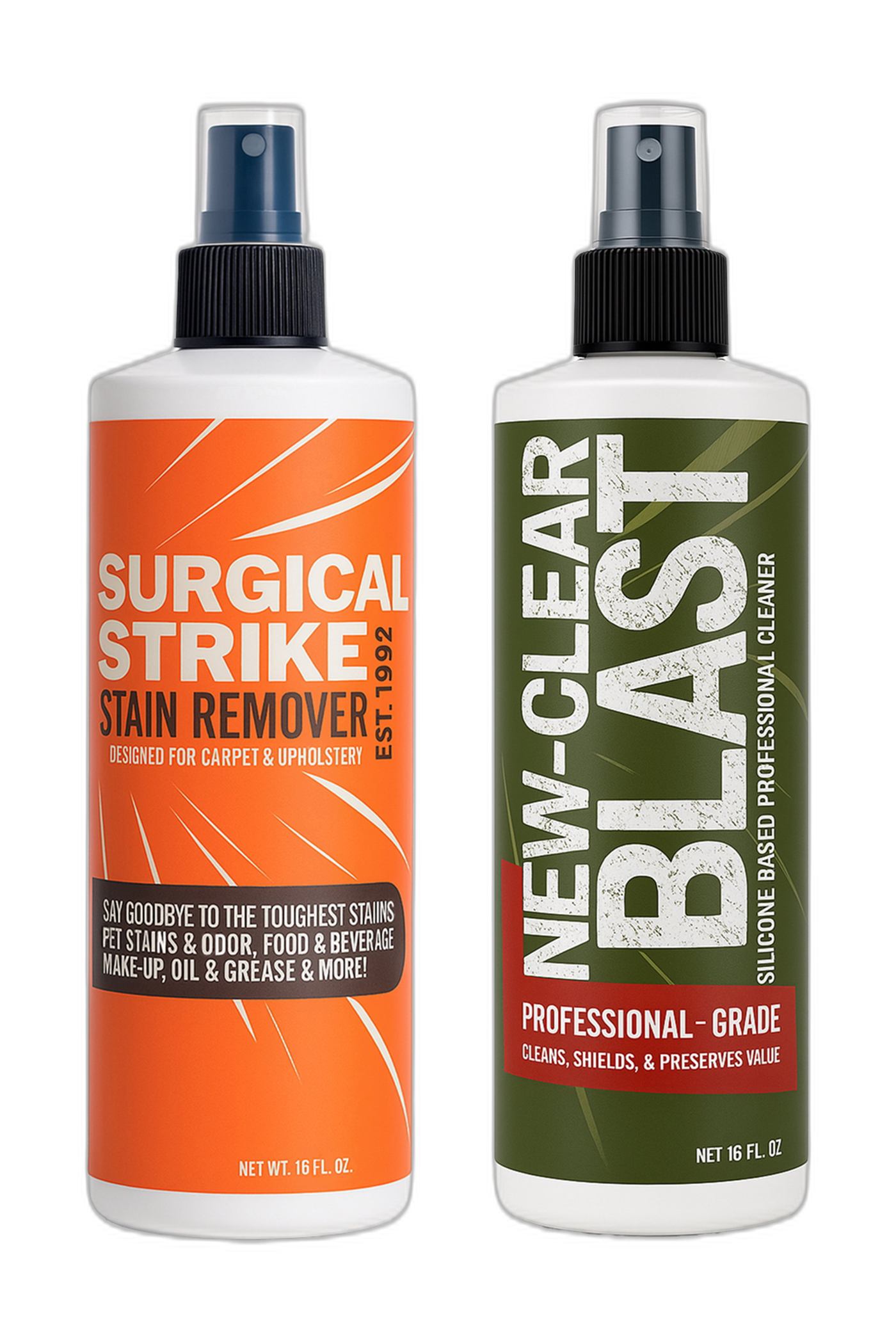
Two formulas. Serious range.
Use Surgical Strike for stains and odor, then New-Clear Blast to clean, shield and preserve hard surfaces.