Introduction: The Imperative of Precision in Electronics Manufacturing
In the world of electronics manufacturing, success is measured in microns. The integrity, reliability, and performance of sensitive components depend on the removal of contaminants that are often invisible to the naked eye. This is where precision cleaning becomes an indispensable part of the production process. Effective surface preparation and contamination control are not just best practices; they are foundational requirements that directly influence product yield and the operational lifespan of electronic devices.
The intricate nature of modern circuitry means that even microscopic particles, residues from flux, or ionic contaminants can lead to component failure. To address these challenges, the industry relies on sophisticated cleaning techniques and specialized chemical solutions. These advanced methods are designed to prepare surfaces at a microscopic level, helping to ensure that each component functions as intended. Managing these contaminants is a critical step in producing high-quality, reliable electronics.
Key Takeaways
- Ultrasonic and megasonic cleaning methods use high-frequency sound waves to generate cavitation, a process that effectively dislodges flux residues and fine particles from complex electronic assemblies.
- Water-based cleaners formulated with surfactants offer a sustainable option for flux removal, while certain solvent-based cleaners are valued for their fast drying times in precision applications.
- The use of semiconductor-grade ultrapure water (UPW) for rinsing is essential for preventing ionic impurities that can otherwise compromise production yields.
- Sustainable manufacturing practices, including closed-loop systems and adherence to regulations like RoHS and REACH, are increasingly important for responsible electronics production.
Understanding Contamination in Electronics Manufacturing
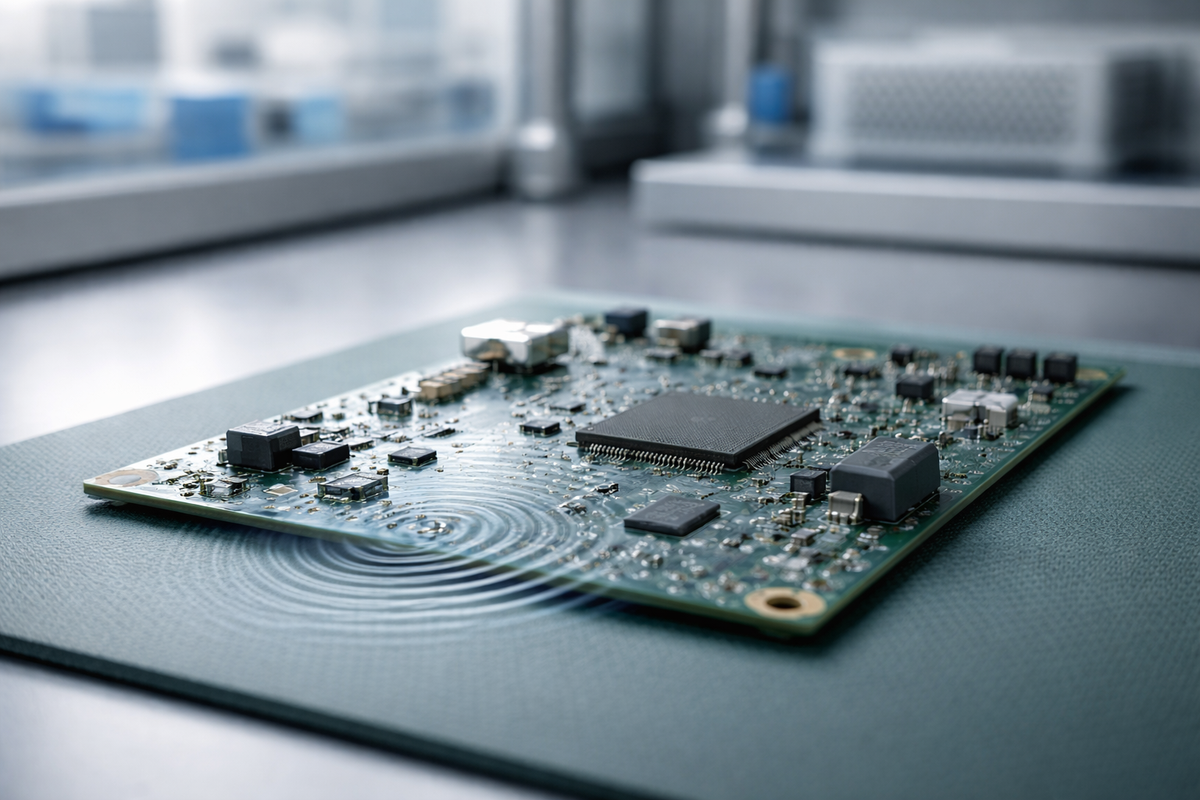
Contamination in electronics manufacturing can come from various sources and take many forms, including flux residues left over from soldering, microscopic dust particles, and ionic residues from handling or previous process steps. Each of these contaminants poses a significant threat to electrical functionality. If not properly removed, they can compromise the reliability of printed circuit boards (PCBs) and reduce the overall yield in electronic assembly operations.
The impact of these impurities cannot be overstated. Even trace amounts of contamination can cause serious issues such as electrical failures, short circuits, or a general reduction in the device's lifespan. For sensitive microelectronics and semiconductor devices, contamination control is a critical factor in maintaining performance standards. The goal of precision cleaning is to meticulously remove these harmful substances from every surface within complex manufacturing environments.
Advanced Cleaning Techniques for Electronic Components
Several advanced techniques are used to meet the stringent cleanliness requirements of the electronics industry. Ultrasonic cleaning, which operates at frequencies between 20 and 40 kHz, creates microscopic cavitation bubbles that implode on component surfaces, dislodging contaminants from intricate PCB topographies without requiring disassembly. This method helps reduce operational downtime.
For more delicate components like semiconductor wafers, megasonic cleaning is often preferred. Operating at much higher frequencies (0.8 to 2 MHz), it provides efficient particle removal with a gentler action, minimizing the risk of damage. . Following the cleaning phase, rinsing with ultrapure water (UPW) is a crucial step. UPW, characterized by a resistivity greater than 18 MΩ·cm, is used to eliminate ionic contamination. Many operations also use automated systems with air rinsing and vacuum drying to further support the precision of the cleaning process.
Chemical Solutions for Precision Cleaning
The choice of chemical solution is just as important as the cleaning technique. Water-based, or aqueous, cleaners are a popular choice for their environmental profile and effectiveness. Often formulated with surfactants, these solutions are capable of removing many types of flux used in PCB assembly. These aqueous processes may use biodegradable detergents to remove residues without harsh solvents.
Solvent-based cleaners are also used for specific precision applications where fast drying and a completely residue-free finish are critical. . In highly specialized areas like semiconductor manufacturing, ozonized UPW is sometimes employed to remove organic contamination from wafer surfaces before etching processes. The selection of the right chemistry depends on the type of contaminant, the component material, and environmental regulations.
Failure Modes and Operational Risks
Inadequate cleaning can lead to a variety of failure modes that put entire production runs at risk. Ionic contamination left behind from flux residues or other sources is a primary cause of electrical failures and can significantly reduce the long-term reliability of electronic devices.
Another common issue is oxidation, which can form on contacts, particularly gold-plated ones, if moisture is not completely removed. Using vacuum drying after the cleaning and rinsing stages can help prevent this problem. Furthermore, residual particles and contaminants can have a direct negative impact on yield rates, especially in sensitive semiconductor manufacturing processes. Incomplete flux removal can also lead to corrosion, dendrite growth, and electromigration, all of which compromise the performance and longevity of the final product.
Mechanism-to-Outcome Map for Cleaning Processes
Understanding the link between a cleaning mechanism and its intended outcome is key to process optimization. Each technique and chemical solution is chosen for its specific action on contaminants.
- Ultrasonic Cavitation: This mechanism physically dislodges microscopic particles and flux residues from complex geometries, resulting in cleaner surfaces and better electrical connectivity.
- Precise UPW Rinsing: The use of ultrapure water ensures the thorough removal of ionic impurities. This action directly helps prevent electrical failures and supports component integrity.
- Surfactant Action: Surfactants in water-based cleaners work by emulsifying and lifting organic contaminants like flux. This facilitates their removal and supports an eco-friendlier cleaning approach.
- Vacuum Drying: This final step removes all moisture from component surfaces. It is particularly effective at preventing surface oxidation on sensitive contacts, thereby helping to maintain optimal conductivity.
Regulatory, Safety, and Compliance Considerations
Modern electronics manufacturing operates within a framework of strict environmental and safety regulations. Aqueous cleaning systems are often designed to align with directives like RoHS (Restriction of Hazardous Substances) and REACH (Registration, Evaluation, Authorisation and Restriction of Chemicals).
The selection of cleaning chemistries frequently involves following guidance from regulatory bodies such as the EPA, which promotes the use of safer chemical ingredients to reduce environmental impact and worker exposure. . Many facilities also implement closed-loop filtration and solvent recycling systems. These systems not only reduce waste but also help ensure consistent purity of the cleaning agents. . As with any chemical handling, maintaining adequate ventilation and following label directions are essential safety practices.
Optimizing Cleaning Processes for Efficiency and Sustainability
Beyond compliance, there is a strong focus on optimizing cleaning processes for greater efficiency and sustainability. Implementing closed-loop water recycling systems can significantly reduce water consumption while maintaining consistent purity for rinsing stages.
Similarly, solvent recycling capabilities help to minimize chemical waste and maintain the quality of cleaning agents over time. . The broader adoption of aqueous, solvent-free cleaning methods contributes to a reduced environmental footprint. These efficiency gains also translate to lower material usage, less waste for disposal, and improved product yields, making sustainability a sound business strategy in Manufacturing.
Selection Checklist for Advanced Cleaning Solutions
Choosing the right cleaning solution and process requires a systematic evaluation of several key factors. Use this checklist as a guide for making an informed decision:
- Material Compatibility: Evaluate the cleaning solution’s compatibility with all component materials, including plastics, metals, and elastomers, to prevent damage or unintended chemical reactions.
- Contaminant Profile: Identify the specific type and tenacity of the contaminants that need to be removed, such as no-clean flux residues, water-soluble soils, particles, or ionic impurities.
- Regulatory Compliance: Confirm that the selected cleaning chemistries and processes meet all relevant regulatory requirements, including local environmental rules and international standards like RoHS and REACH.
- Operational Efficiency: Assess the overall process efficiency, considering factors like cleaning cycle times, drying methods, energy consumption, and the potential for automation or closed-loop systems.
- Environmental and Safety Impact: Review the environmental profile and worker safety aspects of the solution, prioritizing safer chemical ingredients, low VOC content, and processes that allow for adequate ventilation.
Clean and prep surfaces with CG Chemicals
If you are dealing with buildup, residues, or tough soil before maintenance or finishing work, CG Chemicals offers practical cleaning solutions for high-use environments. Explore New-Clear Blast and Surgical Strike based on your surface and soil type.
Sources
- https://www.globalspec.com/learn-resources/technical-articles/advanced-cleaning-techniques-for-the-electronics-industry
- https://www.inventec.dehon.com/solutions/cleaning/electronic-semiconductor-cleaning/
- https://www.kaijo-shibuya.com/understanding-the-unique-needs-of-cleaning-electronic-components/
- https://www.betterengineering.com/blog/industrial-cleaning-machines-for-pcb-assembly-cleaning/
- https://www.epa.gov/safer-choice/forms/voluntary-chemical-registration-program-guidance
- https://tstronic.eu/en/pcb-cleaning-for-electronics-how-to-clean-pcbs-and-circuit-boards-for-reliable-performance/
- https://www.electrochem.org/semiconductor_cleaning/pv_94_07.pdf
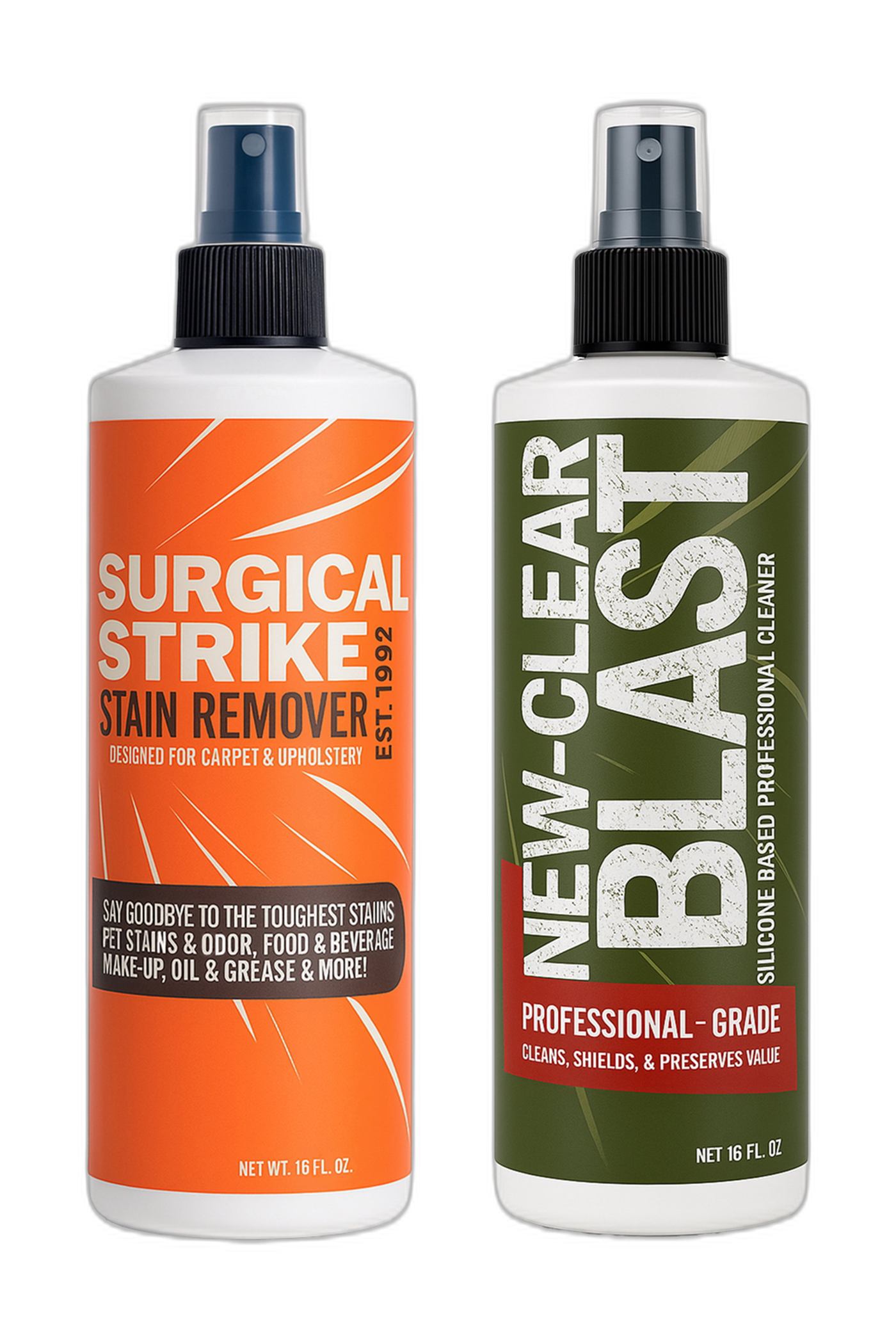
Two formulas. Serious range.
Use Surgical Strike for stains and odor, then New-Clear Blast to clean, shield and preserve hard surfaces.