Introduction: Precision Cleaning in Metal Fabrication
In the world of metal fabrication, precision is paramount. Every cut, weld, and finish contributes to the final product's integrity, performance, and lifespan. However, an often-underestimated step in this process is cleaning. Advanced cleaning is not merely about aesthetics; it is a critical manufacturing stage that prepares metal surfaces for subsequent processes, including coating, plating, and assembly.
The quality of a finished metal component is directly tied to the cleanliness of its surface before finishing. Inadequate surface preparation can lead to a host of problems, from poor adhesion of protective coatings to premature corrosion. Advanced cleaning processes are therefore essential for achieving the high-quality standards demanded in modern fabrication.
Effective surface preparation is the foundation upon which all subsequent finishing operations are built. By removing contaminants like oils, greases, and particulates, fabricators can help ensure that coatings bond uniformly and securely to the substrate. This meticulous attention to cleanliness supports the durability and reliability of the final part, making it a non-negotiable aspect of quality control.
Key Takeaways
- Advanced cleaning methods like vapor degreasing are highly effective at removing oils, greases, and waxes from metal parts. This process ensures precision cleaning and offers fast drying times, which is particularly useful for components with complex geometries.
- Even microscopic particles can cause significant defects in sheet metal fabrication. Modern brush technologies provide a reliable way to clean surfaces in continuous production lines, helping to maintain quality at high speeds.
- Precision cleaning is a fundamental prerequisite for metal finishing processes such as anodizing and plating. Meeting the stringent specifications required in the aerospace and medical industries depends on achieving an immaculately prepared surface.
- The use of abrasives is critical for removing rust, old coatings, and mill scale. A properly controlled abrasive process prepares the surface without altering the base metal, creating an ideal profile for subsequent treatments.
- Implementing advanced cleaning solutions supports sustainable operations in metal fabrication. These processes can improve efficiency, reduce waste, and enhance overall quality control, contributing to more environmentally responsible manufacturing.
The Impact of Contaminants on Metal Part Quality
During the fabrication process, metal parts are exposed to a wide range of contaminants. Common substances include machining oils, lubricants, greases, and microscopic metal fines or dust from the environment. If not thoroughly removed, these contaminants can lead to significant manufacturing defects and compromise the final surface quality of the part.
The most immediate impact of residual contaminants is on coating adhesion. A layer of oil or even a fine film of dust creates a barrier between the metal substrate and the applied finish, whether it is paint, powder coating, or a plating layer. This interference can impede proper bonding, leading to premature failures such as blistering, peeling, or flaking.
Beyond adhesion, contaminants can also accelerate corrosion, undermining the structural integrity and longevity of the component. Effective removal of these substances through precision cleaning is therefore fundamental. A properly cleaned surface is essential for ensuring not only the aesthetic quality of metal components but also their long-term performance and reliability in their intended application.
Advanced Cleaning Chemistries: Driving Performance
The effectiveness of any cleaning process in metal fabrication relies heavily on the underlying chemistry of the cleaning solution. Specialized chemical formulations are engineered to target and break down specific types of contaminants found in industrial environments. Modern surfactant technologies, for instance, play a crucial role by reducing the surface tension of water, allowing the cleaning solution to penetrate and lift soils from the metal substrate.
These advanced chemistries are designed to efficiently dissolve or dislodge a wide spectrum of contaminants, from heavy industrial greases and oils to fine metallic particulates and shop dust. The selection of the right chemical agent is critical and depends on the type of metal being cleaned and the nature of the soil that needs to be removed.
Properly formulated cleaning chemistries do more than just remove unwanted material. They also prepare the metal surface at a molecular level. By altering a metal's surface energy, these solutions can promote stronger and more uniform adhesion of subsequent coatings or finishes. This chemical preparation is a key factor in achieving a durable, high-quality final product.
Proven Cleaning Methods: Vapor Degreasing and Brush Technologies
Among the various advanced cleaning techniques, vapor degreasing is a highly effective and widely used method for precision cleaning. This process uses a solvent vapor to wash parts, which condenses on the metal surface and dissolves contaminants like oils, greases, and waxes. As the condensed solvent drips off, it carries the soils away, leaving a clean, dry surface.
Vapor degreasing is particularly advantageous for parts with complex geometries, such as those with deep crevices, blind holes, or intricate passages that are difficult to reach with spray or immersion methods. The process is compatible with a wide range of metals, including sensitive alloys like aluminum as well as stainless steel. Its fast drying time helps to streamline the overall production workflow. For facilities involved in high-volume Manufacturing, efficiency is key.
In continuous production lines, especially for sheet metal, advanced brush cleaning technologies are employed to maintain consistent surface cleanliness. These automated systems use specialized brushes to scrub the metal surface as it moves along the line, effectively dislodging and removing fine particles and other contaminants at high operating speeds. This method is vital for preventing surface defects that could compromise the quality of the final product.
Mechanism-to-Outcome Map: Cleaning Efficacy and Surface Quality
Understanding the direct link between a cleaning mechanism and its outcome is essential for quality control. Each step in the surface preparation process is designed to achieve a specific result that contributes to the final part's integrity.
- Mechanism: Contaminant Removal -> Outcome: Aided Coating Adhesion. The primary goal of cleaning is to eliminate barriers like oils, greases, and particles. Removing these substances from the metal substrate allows for direct contact between the surface and the subsequently applied coating, which is necessary for a strong, lasting bond.
- Mechanism: Surface Conditioning via Abrasives -> Outcome: Uniform Surface Profile. Controlled abrasive treatments are used to remove rust, mill scale, and other surface imperfections without damaging the base metal. This creates a consistent surface texture, or profile, which provides an optimal foundation for finishing processes to adhere to.
- Mechanism: Chemical Interaction with Surfactants -> Outcome: Prepared Surface Energy. Specialized cleaning chemistries containing surfactants work at a molecular level. They alter the surface energy of the metal, making it more receptive to coatings. This helps the finish to wet out and spread evenly across the surface, promoting better bonding.
- Mechanism: Continuous Brush Cleaning -> Outcome: Defect Prevention in Production. In high-volume settings, automated brush systems efficiently remove microscopic particles from sheet metal. This continuous cleaning prevents these particles from becoming embedded during stamping or forming, which would otherwise cause critical surface defects.
Failure Modes and Operational Risks from Inadequate Cleaning
The consequences of inadequate cleaning in metal fabrication can be severe, leading to both product failure and operational inefficiency. One of the most common failure modes is poor adhesion of coatings and finishes. When contaminants are left on the surface, they prevent proper bonding, which can result in delamination, peeling, or blistering of the protective layer over time.
Residual contaminants, particularly those that are corrosive or can trap moisture, may accelerate corrosion. This can significantly reduce the service life and performance of fabricated parts, leading to premature failure in the field. Such outcomes can damage a company's reputation and lead to costly warranty claims. The full Applications list for cleaning solutions demonstrates the breadth of surfaces where this is a concern.
From an operational standpoint, poor cleaning practices introduce significant risks. These include increased rates of rework, as parts that fail quality inspection must be stripped and re-processed, leading to wasted time and materials. Furthermore, the inability to consistently meet stringent quality specifications can be a major liability, especially in highly regulated sectors such as aerospace and medical device manufacturing.
Selection Checklist for Metal Cleaning Solutions
Choosing the right advanced metal fabrication cleaning solutions requires a systematic approach. A careful evaluation of several key factors will help ensure the selected method is effective, efficient, and safe for a given application.
- Evaluate Metal Compatibility: Assess the specific metal alloy and its sensitivity to different cleaning chemistries. Certain chemicals can cause etching, discoloration, or other damage to particular metals, so compatibility is the first critical checkpoint.
- Identify Contaminant Types: Precisely identify the types and concentrations of contaminants that need to be removed. Machining oils, drawing compounds, rust, dust, and oxides each require different approaches for effective removal.
- Determine Cleanliness Specifications: Define the required level of cleanliness and the necessary surface finish for the subsequent process, whether it is welding, painting, plating, or bonding. Different applications have vastly different standards.
- Assess Production Workflow Integration: Consider the production volume, line speed, and any challenges of integrating the cleaning process into the existing manufacturing workflow. The solution must match the pace and logistical constraints of the facility.
- Consider Safety and Environmental Impact: Evaluate the overall safety implications for personnel who will handle the cleaning agents. It is also important to consider the environmental impact of the chemicals and the disposal requirements for any waste generated.
Operational Benefits: Efficiency, Quality, and Sustainability
Investing in advanced cleaning solutions offers tangible operational benefits that extend beyond just a clean surface. By minimizing defects and reducing the need for rework, efficient cleaning processes contribute directly to process efficiency. Optimized material use and fewer rejected parts mean less waste.
A commitment to superior surface preparation elevates the overall quality of the final product. Components that are properly cleaned are better prepared for finishing, resulting in more durable and reliable products. This helps ensure that parts meet stringent industry standards and enhances customer satisfaction and brand reputation.
Modern cleaning processes also support sustainable manufacturing goals. Efficient and targeted chemistries can reduce the volume of chemicals needed, while optimized systems can lower water and energy consumption. This focus on resource efficiency helps companies reduce their environmental footprint.
Ultimately, adopting advanced cleaning technologies aligns with broader trends in manufacturing that emphasize optimized production and rigorous quality control. It is a strategic decision that supports greater efficiency, higher quality output, and more sustainable operational practices.
Clean and prep surfaces with CG Chemicals
If you are dealing with buildup, residues, or tough soil before maintenance or finishing work, CG Chemicals offers practical cleaning solutions for high-use environments. Explore New-Clear Blast and Surgical Strike based on your surface and soil type.
- Use with adequate ventilation.
- Avoid contact with eyes and prolonged skin contact.
- Keep out of reach of children.
- Follow label directions.
Sources
- https://relspec.com/metal-fabrication
- https://advancedmetalfinishing.com
- https://www.youtube.com/watch?v=eR4_2yl3-Wo
- https://cen.acs.org/content/cen
- https://www.3m.com/3M/en_US/commercial-and-specialty-vehicle-manufacturing-solutions-us/applications/metal-fabrication/
- https://airgas.com/industries/metal-fabrication
- https://www.nam.org/manufacturing-report/
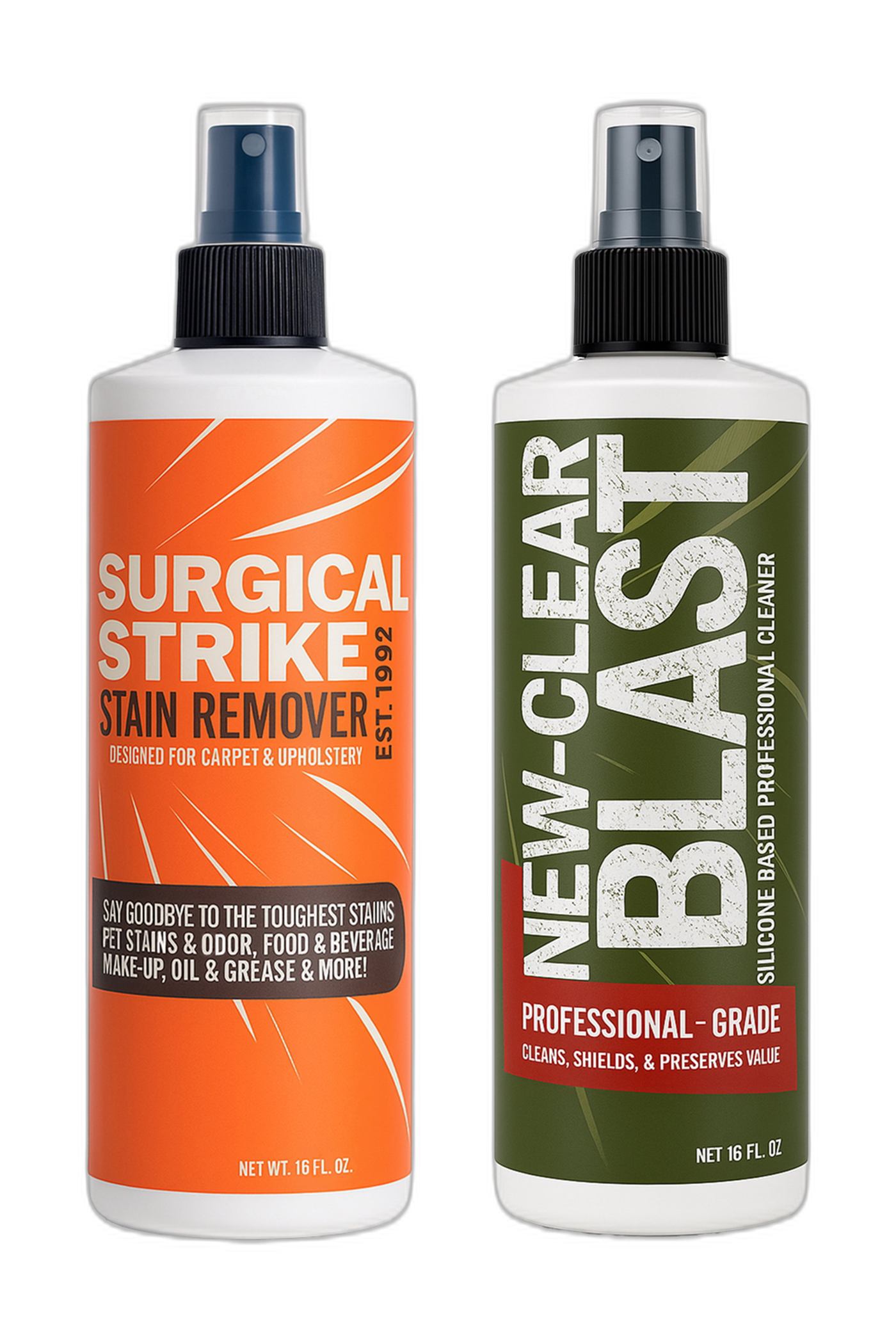
Two formulas. Serious range.
Use Surgical Strike for stains and odor, then New-Clear Blast to clean, shield and preserve hard surfaces.