Key Takeaways for Pharmaceutical Device Cleaning
In the manufacturing of pharmaceutical drug delivery systems, cleaning protocols are a foundational component of quality control and patient safety. The focus extends far beyond simple aesthetics to address microscopic contaminants that can affect drug purity and dosage accuracy. Implementing and documenting a validated cleaning process is not just a best practice; it is a regulatory expectation. Below are the essential considerations for any team involved in this critical process.
- Contamination Control: The primary goal of cleaning is to prevent contamination that could alter a drug's safety, identity, strength, quality, or purity. This involves removing any unwanted residues from previous batches, cleaning agents, or environmental sources.
- Process Validation: Cleaning processes must be validated to ensure they are effective and reproducible. This requires written procedures, clearly defined acceptance criteria for residue levels, and robust documentation before the process is used for routine production.
- Complex Geometries: Modern drug delivery devices often have intricate internal pathways. Cleaning validation must account for these hard-to-reach areas, often by testing a "worst-case" scenario to demonstrate effectiveness throughout the entire device.
- Material Compatibility: The cleaning agents selected must be fully compatible with the device's materials of construction. The process should not cause damage, corrosion, or introduce new residues that could compromise the device's function or longevity.
The Imperative of Precision Cleaning for Drug Delivery
Precision cleaning is a non-negotiable manufacturing step that directly supports the safety, quality, and purity of drug products. Unlike general cleaning, its purpose is to remove contaminants that are often invisible to the naked eye but can have significant consequences for patient health. Even microscopic residues from manufacturing aids, prior batches, or environmental soils can compromise the stability and efficacy of a drug formulation.
The internal pathways of drug delivery systems present a unique challenge. Any particulate matter or microbial contamination left within these channels can be introduced directly to the patient along with the medication. For sterile or sensitive drug products, this risk is especially high. Effective cleaning protocols are the first line of defense against microbial growth and particulate contamination, helping to ensure that the final product meets all quality specifications and is safe for its intended use.
Identifying and Addressing Complex Device Geometries
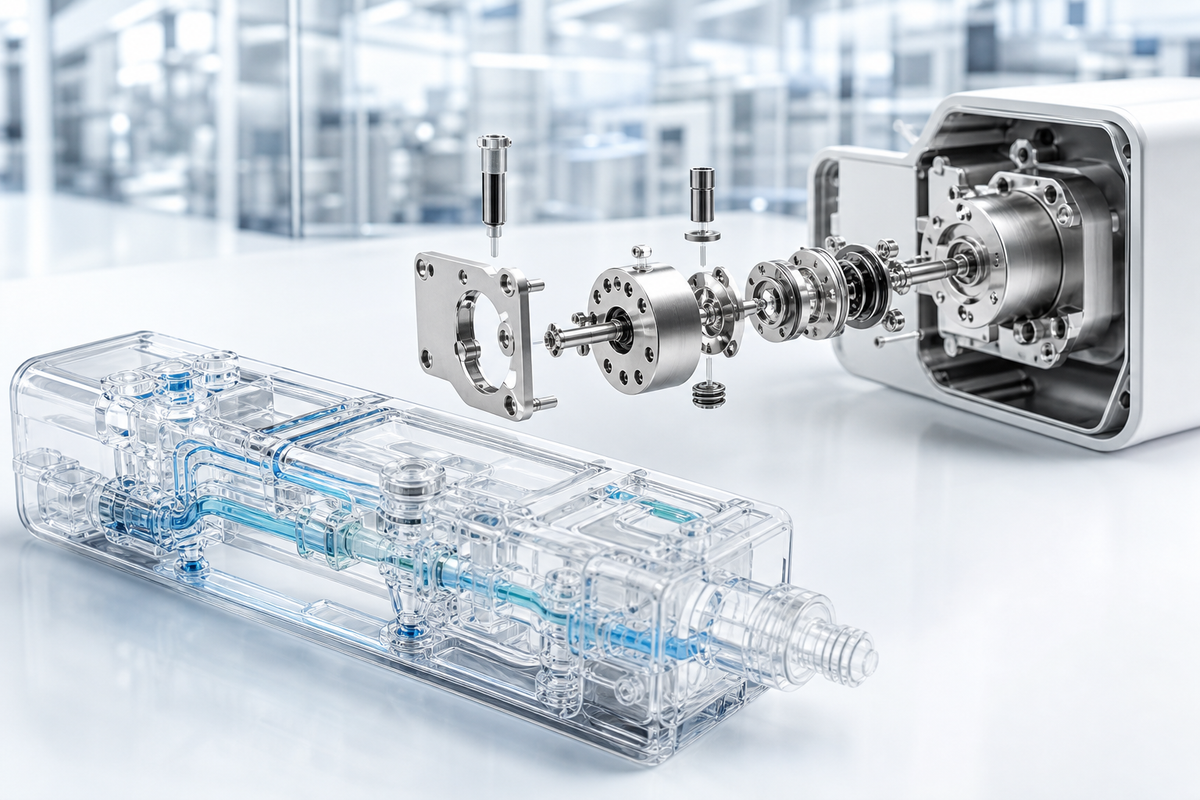
Devices like auto-injectors, metered-dose inhalers, and infusion pumps are designed with intricate internal components to ensure accurate dosing. These designs often include microfluidic channels, narrow lumens, check valves, and other complex pathways that are not easily accessible. Such geometries create significant challenges for cleaning processes, as they can trap manufacturing residues, processing oils, and other contaminants.
Standard cleaning methods may not be sufficient to reach and remove soils from these hidden areas. Therefore, cleaning validation protocols must be specifically designed to address these "worst-case" locations within a device. This involves demonstrating through rigorous testing that the cleaning procedure consistently removes residues to acceptable levels from the most challenging features of the device. Failure to do so can leave behind contaminants that compromise product quality and patient safety. This is a critical consideration in modern Manufacturing environments where device complexity is constantly advancing.
Establishing a Robust Cleaning Validation Framework
A robust cleaning validation framework is systematic and thoroughly documented. It begins with establishing written procedures that clearly outline every step of the cleaning process, from the responsibilities of personnel to the specific equipment and parameters used. These procedures must also define the acceptance criteria, which are the maximum allowable limits for any potential residues left on the equipment surfaces after cleaning.
Validation studies should use soils that are clinically relevant or representative of the actual residues found during manufacturing, rather than relying on arbitrary surrogates. This ensures the validation accurately reflects real-world conditions. Furthermore, residue measurement must go beyond simple visual inspection. It requires quantitative analytical methods, such as HPLC or TOC analysis, paired with validated sampling and extraction techniques to accurately measure contamination levels. Finally, the framework must include provisions for revalidation whenever there are significant changes to the manufacturing process, equipment, or cleaning agents, or if monitoring indicates a shift in performance.
Mechanism-to-Outcome Map: Cleaning for Dosage Accuracy and Patient Safety
Understanding the direct link between cleaning mechanisms and patient outcomes is essential for quality control. A well-designed cleaning process in pharmaceutical manufacturing creates a clear chain of positive effects that safeguard the end user.
- Mechanism: Effective Residue Removal -> Outcome: Maintained Drug Purity. By thoroughly removing residual process materials, cleaning agents, or previous drug formulations, the process prevents unintended chemical interactions with the active drug product. This preserves the drug's intended chemical integrity and stability.
- Mechanism: Prevention of Particulate & Microbial Contamination -> Outcome: Enhanced Patient Safety. Meticulous cleaning of internal pathways eliminates foreign matter and biofilms that could otherwise be delivered with the dose. This directly reduces the risk of adverse patient reactions, infections, or other complications.
- Mechanism: Material Compatibility & Non-Residual Cleaning -> Outcome: Consistent Dosage Accuracy & Device Longevity. Using cleaning agents that are compatible with device materials and rinse away completely helps ensure that delicate components are not damaged, degraded, or blocked. This allows the device to function as designed, dispensing the correct dose of medication every time.
Operational Risks of Inadequate Cleaning
The consequences of inadequate cleaning in drug delivery system manufacturing are severe and multifaceted. At the most fundamental level, poor cleaning protocols directly contribute to product contamination. Any leftover residues can alter the drug's safety, identity, strength, quality, or purity, leading to batch failures, regulatory actions, and potential harm to patients.
Beyond direct contamination, residues in critical fluid pathways can physically obstruct or alter the flow of medication. This can lead to inaccurate and inconsistent dosing, which undermines the therapeutic efficacy of the treatment. For drugs with a narrow therapeutic window, under-dosing or over-dosing can have serious clinical consequences. Inadequate cleaning can also lead to the gradual degradation of device components, causing malfunctions or shortening the device's operational lifespan. These failures not only compromise patient care but also create significant financial and reputational risk for the manufacturer.
Strategic Selection of Cleaning Chemistries
The selection of a cleaning agent is a critical decision with far-reaching implications. The primary requirement is that the chemistry must be effective at removing the specific target residues present in the manufacturing process. However, its effectiveness must be balanced with its compatibility with all materials used in the drug delivery device, including sensitive plastics, elastomers, and specialized metals. An incompatible agent can cause crazing, corrosion, or swelling, compromising the device's integrity.
An equally important characteristic is the agent's rinsability. The chosen chemistry should facilitate complete rinsing to help avoid leaving its own residues on the surface. These secondary residues could interfere with the product or the device's mechanical function. Finally, manufacturers must consider the broader operational context. The cleaning agent should not negatively impact downstream processes, and its environmental profile should align with the sustainability goals of the facility. Companies like CG Chemicals LLC offer solutions that support surface preparation needs across various industrial facilities.
Regulatory Compliance and Quality Assurance
Regulatory bodies, including the U.S. Food and Drug Administration (FDA), place significant emphasis on the cleanliness of manufacturing equipment. FDA guidance explicitly requires that equipment and utensils be cleaned, maintained, and sanitized at appropriate intervals to prevent malfunctions or contamination that would alter the safety, identity, strength, quality, or purity of the drug product.
Manufacturers bear the responsibility of validating their cleaning methods to prove they consistently achieve a clean state before devices are packaged or move to the next processing stage. Adherence to recognized consensus standards, such as those related to medical device cleanliness, is a key part of demonstrating regulatory compliance and a commitment to quality assurance. Following these established frameworks helps ensure that cleaning processes are robust, repeatable, and meet the high expectations for products that directly impact patient health.
Cleaning Process Selection Checklist for Pharmaceutical Manufacturing
Developing an effective cleaning protocol requires a systematic approach. This checklist outlines key considerations to guide the selection and validation of a cleaning process for pharmaceutical drug delivery systems.
- Residue Profile: Begin by identifying and characterizing all potential residues that must be removed. This includes active pharmaceutical ingredients (APIs), excipients, manufacturing lubricants, machining oils, and any particulate matter from the environment or process.
- Material Compatibility: Create a comprehensive list of all materials of construction for the device. Verify that the proposed cleaning agent, as well as the process parameters (e.g., temperature, pressure), will not degrade, corrode, or otherwise negatively impact any of these materials.
- Validation Capabilities: Ensure that you have the necessary analytical methods and sampling tools to rigorously validate the cleaning process. The process must be capable of consistently meeting the predefined, scientifically justified acceptance criteria for all potential residues.
- Rinsability and Drying: Confirm that the selected cleaning chemistry can be completely removed from all device surfaces, especially from complex internal geometries. The final rinse and drying steps must not leave behind any undesirable residues or moisture that could affect the product.
- Operational Integration: Evaluate how the cleaning process will fit into the overall manufacturing workflow. Consider factors such as cycle time, potential for automation, and the safety of personnel who will be handling the cleaning agents and operating the equipment.
Conclusion: Safeguarding Patient Outcomes Through Meticulous Cleaning
Precision cleaning is not an ancillary task but an indispensable element in the manufacturing of safe and effective pharmaceutical drug delivery systems. Its impact is felt directly in the integrity of the drug product and the well-being of the patient. A failure in cleaning can lead to contamination, inaccurate dosing, and adverse health outcomes, making it a critical control point in the production process.
By implementing scientifically sound and rigorously validated cleaning protocols, manufacturers can effectively mitigate the risks associated with residual contamination. Making informed choices about cleaning chemistries and methods helps ensure consistent device performance and dosage accuracy. Ultimately, a proactive and meticulous approach to cleaning and surface preparation is fundamental to maintaining regulatory compliance and building trust in the quality and reliability of life-saving medical devices.
Clean and prep surfaces with CG Chemicals
If you are dealing with buildup, residues, or tough soil before maintenance or finishing work, CG Chemicals offers practical cleaning solutions for high-use environments. Explore New-Clear Blast and Surgical Strike based on your surface and soil type.
Sources
- https://www.fda.gov/drugs/guidances-drugs/questions-and-answers-current-good-manufacturing-practice-requirements-equipment
- https://www.fda.gov/inspections-compliance-enforcement-and-criminal-investigations/inspection-guides/validation-cleaning-processes-793
- https://www.fda.gov/media/80265/download
- https://www.fda.gov/medical-devices/reprocessing-reusable-medical-devices/factors-affecting-quality-reprocessing
- https://pmc.ncbi.nlm.nih.gov/articles/PMC8655699/
- https://www.accessdata.fda.gov/scripts/cdrh/cfdocs/cfstandards/detail.cfm?standard__identification_no=34651
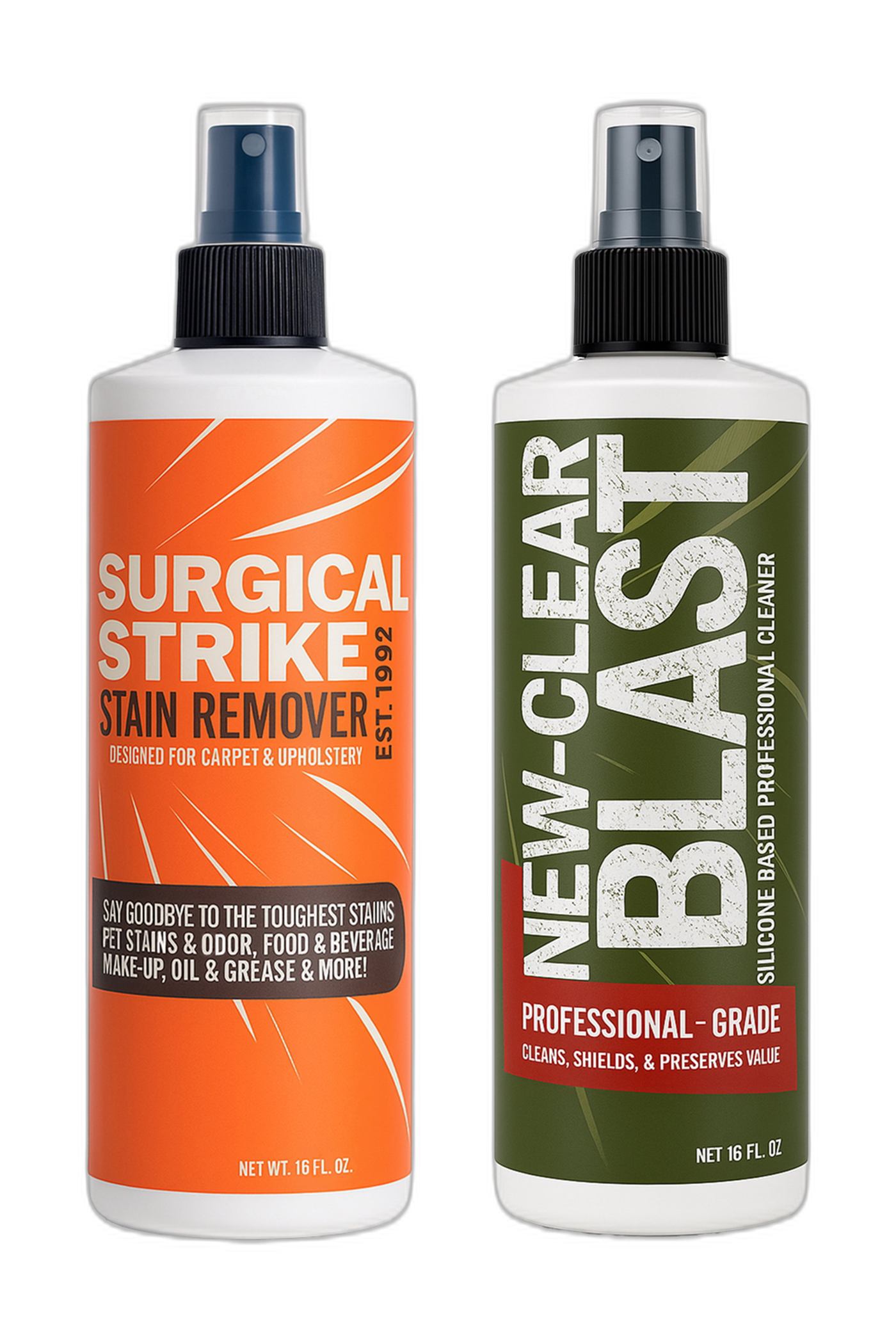
Two formulas. Serious range.
Use Surgical Strike for stains and odor, then New-Clear Blast to clean, shield and preserve hard surfaces.