Introduction: The Impact of Dirty HVAC Coils on Performance
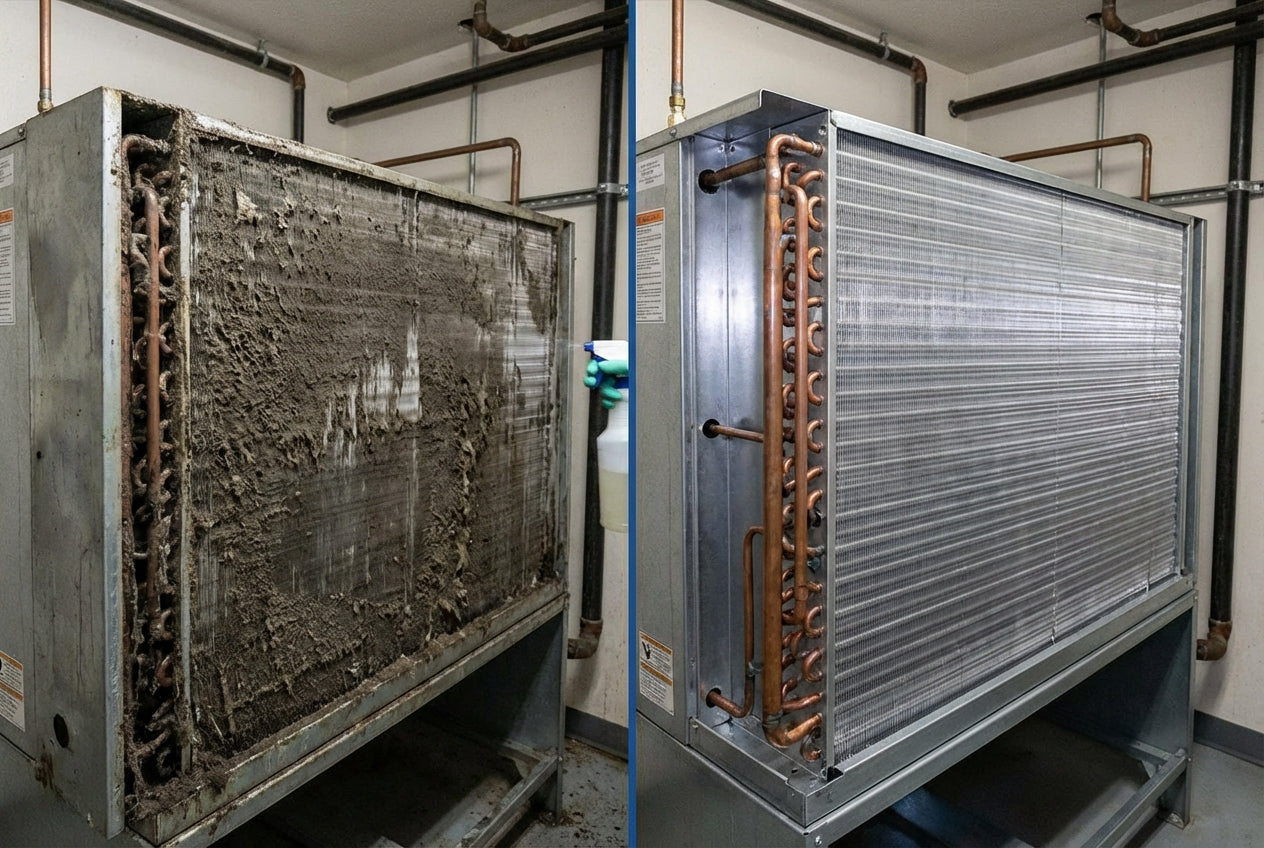
In commercial buildings, the performance of heating, ventilation, and air conditioning (HVAC) systems is directly linked to operational efficiency and cost. A critical component, the HVAC coil, is responsible for heat transfer. Over time, these coils accumulate dirt, dust, and other debris, which acts as an insulator. This buildup significantly reduces the coil's ability to transfer heat effectively.
This reduction in efficiency forces the entire system to work harder and run longer to achieve the desired temperature, leading to a substantial increase in energy consumption. According to some studies, dirty coils can increase energy use by up to 30%, which translates directly to higher utility bills and a larger environmental footprint.
For facility managers, preventative coil maintenance is not just a routine task; it is an essential strategy for managing operational costs and ensuring system reliability. Neglecting coil cleaning can lead to diminished performance, unexpected breakdowns, and compromised indoor air quality, making proactive cleaning a cornerstone of effective building management.
Key Takeaways
- Dirty HVAC coils function as insulators, which reduces heat transfer efficiency and leads to increased energy consumption.
- A consistent coil cleaning program helps reduce airborne contaminants, supporting better indoor air quality for building occupants.
- Preventative maintenance on HVAC coils in commercial buildings can lead to significant energy cost reductions and may extend the operational life of the equipment.
- Using appropriate cleaning solutions is part of a comprehensive approach to facility health, safety, and operational cost efficiency.
Failure Modes and Operational Risks from Contaminated Coils
Contaminated HVAC coils present several operational risks that can impact a facility's bottom line and occupant comfort. The primary failure mode begins when accumulated dirt and biofilm act as an insulating barrier, which impedes the heat exchange process. This forces the system's compressors and fans to run for longer periods to meet temperature setpoints, leading to excessive wear on critical components.
The direct result of this inefficiency is a measurable increase in energy consumption and higher utility costs. A system struggling to perform due to dirty coils can strain a facility's budget and contribute to an unnecessarily large carbon footprint.
Furthermore, contaminated coils can become a breeding ground for mold, bacteria, and other microorganisms. As air passes over these surfaces, airborne contaminants can be circulated throughout the building, compromising indoor air quality and potentially affecting the health of occupants. This can lead to an unhealthy environment and decreased productivity, representing a significant operational risk for any commercial facility.
Mechanism-to-Outcome Map: How Coil Cleaning Restores Performance
The relationship between clean coils and HVAC performance is straightforward. The core function of cleaning is to remove the physical barriers created by dirt, dust, and organic buildup. By eliminating this insulating layer, the coil's surface area is fully exposed, which directly supports more efficient heat transfer between the refrigerant and the air.
With heat transfer capabilities restored, the HVAC system no longer needs to work as hard to heat or cool the space. This reduction in workload means less runtime for compressors and fans, which is the primary mechanism for lowering energy consumption and operational costs. This efficiency gain is a direct outcome of the cleaning process.
Beyond energy savings, removing the buildup of contaminants from coils has a positive effect on indoor air quality. Clean coils prevent the recirculation of dust, allergens, and microbial growth, contributing to a healthier environment for everyone inside the building. Therefore, regular coil maintenance is a practice that ensures sustained system efficiency and supports the long-term operational integrity of HVAC units.
Advanced Cleaning Methods for HVAC Coils
Modern HVAC coil cleaning requires more than just a simple rinse. Advanced methods utilize specialized cleaning solutions formulated to target the specific types of grime, oil, and biological buildup found on coils in commercial environments without damaging the delicate aluminum fins. These solutions are designed to penetrate and loosen stubborn deposits, allowing them to be rinsed away completely.
The process itself must be as efficient as the outcome. Advanced cleaning protocols focus on optimizing water usage to minimize waste, aligning with broader sustainability goals in facility management. The goal is to achieve a thorough clean while being mindful of environmental resources. Proper application and rinsing techniques are critical to ensure no residue is left behind that could attract new dirt.
Choosing the right cleaning chemistry is fundamental to a successful maintenance program. The solution must be powerful enough to break down contaminants but safe for the coil materials, the technician, and the building's occupants. An effective cleaning agent prepares the surface for optimal performance and helps protect system components from corrosion or damage.
The Advantage of Non-Toxic Cleaning Solutions
When selecting cleaning chemicals for HVAC maintenance, opting for non-toxic solutions offers significant advantages for Facilities and their occupants. These formulations are designed to reduce environmental impact compared to traditional, harsh chemical cleaners. They break down contaminants effectively without introducing harmful substances into the ecosystem through wastewater runoff.
From a health and safety perspective, non-toxic cleaners minimize exposure risks for maintenance personnel. They typically have low to no volatile organic compounds (VOCs), which are chemicals that can be released into the air during cleaning and negatively affect indoor air quality. By avoiding VOCs, these solutions help create a safer working environment and contribute to a healthier indoor atmosphere post-maintenance.
Ultimately, selecting non-toxic options aligns with modern safety standards and corporate responsibility goals. It is a practical choice that supports facility health, enhances safety protocols, and can contribute to overall cost efficiency by mitigating risks associated with hazardous chemical handling and disposal.
Regulatory, Safety, and Compliance Considerations
For facility managers, maintaining compliance with health and safety standards is a top priority. Cleaning protocols for HVAC systems should align with established indoor air quality (IAQ) guidelines to ensure a healthy building environment. Choosing cleaning products that do not introduce harmful chemicals into the air is a key part of this strategy.
Using non-toxic cleaning solutions is also a critical step toward creating safer working conditions for maintenance staff. These products reduce the risk of chemical burns, respiratory irritation, and long-term health issues associated with exposure to harsh or hazardous substances. This focus on worker safety can reduce liability and support a positive safety culture within the organization.
By implementing cleaning protocols that utilize safer chemicals, facilities can achieve multiple objectives simultaneously. They can meet regulatory expectations, protect their employees, and improve overall health standards for all building occupants. This approach often leads to cost savings through reduced need for personal protective equipment (PPE), lower disposal costs, and fewer workplace incidents.
Selection Checklist for HVAC Coil Cleaning Solutions
When choosing a cleaning solution for HVAC coils, facility managers should evaluate products based on several key criteria to ensure effectiveness, safety, and compatibility with their maintenance goals.
- Effectiveness: The solution should be specifically formulated for removing the types of soil found on HVAC coils, such as grease, dust, pollen, and microbial buildup, without causing damage to delicate fins or other system components.
- Safety and IAQ: Prioritize products that support indoor air quality and worker safety. Non-toxic, low-VOC options are preferable as they minimize the introduction of airborne contaminants and reduce chemical exposure risks for staff.
- Environmental Impact: Evaluate the product's environmental profile. Look for solutions that are biodegradable or have a lower impact on aquatic life and water systems.
- Maintenance Alignment: The chosen cleaning process should integrate seamlessly into your preventative maintenance schedule. The right product supports long-term system efficiency and helps extend the life of the equipment. For tough jobs, you might consider products like Surgical Strike for heavy buildup or New-Clear Blast for general cleaning.
Implementing Preventative Maintenance for Lasting Efficiency
A structured, preventative maintenance program centered on regular coil cleaning is one of the most effective strategies for managing long-term HVAC costs. By keeping coils free of insulating debris, facilities can sustain lower energy consumption month after month, leading to significant cost savings over the life of the system.
Scheduled maintenance also plays a crucial role in extending the operational life of HVAC equipment. Systems that run efficiently experience less strain on motors, compressors, and other critical parts, which helps prevent premature failure and costly emergency repairs. This proactive approach transforms maintenance from a reactive expense into a strategic investment.
Integrating effective cleaning solutions into this schedule ensures that each maintenance cycle delivers maximum benefit. A consistent protocol helps facility managers avoid performance degradation and costly breakdowns, ensuring the HVAC system provides a comfortable and healthy indoor environment reliably and efficiently.
Conclusion: Sustaining Optimal HVAC Performance
Effective HVAC coil cleaning is a fundamental aspect of any comprehensive energy management and indoor air quality strategy in commercial facilities. The buildup of dirt and grime on coils is a direct cause of energy waste and can compromise the health of a building's environment. Addressing this issue proactively is not just good practice; it is essential for operational excellence.
By adopting advanced cleaning methods with appropriate non-toxic solutions, facility managers can reduce operational costs, support sustainability initiatives, and ensure regulatory compliance. A clean HVAC system runs more efficiently, lasts longer, and provides better air for occupants.
For teams focused on maintaining clean coils and supporting overall system performance, CG Chemicals offers cleaning solutions designed for these applications. Prioritizing regular, thorough coil cleaning is a key step toward achieving long-term efficiency and maintaining healthy, productive indoor spaces.
Clean and prep surfaces with CG Chemicals
If you are dealing with buildup, residues, or tough contamination before maintenance or finishing work, CG Chemicals offers practical cleaning solutions for high-use environments. Explore New-Clear Blast and Surgical Strike based on your surface and soil type.
Use with adequate ventilation. Avoid contact with eyes and prolonged skin contact. Keep out of reach of children. Follow label directions.
Sources
- https://www.ashrae.org/technical-resources/ebooks/achieving-optimal-hvac-system-performance
- https://www.energy.gov/eere/buildings/commercial-buildings-and-appliance-standards-program
- https://www.epa.gov/indoor-air-quality-iaq/cleaning-and-indoor-air-quality-iaq
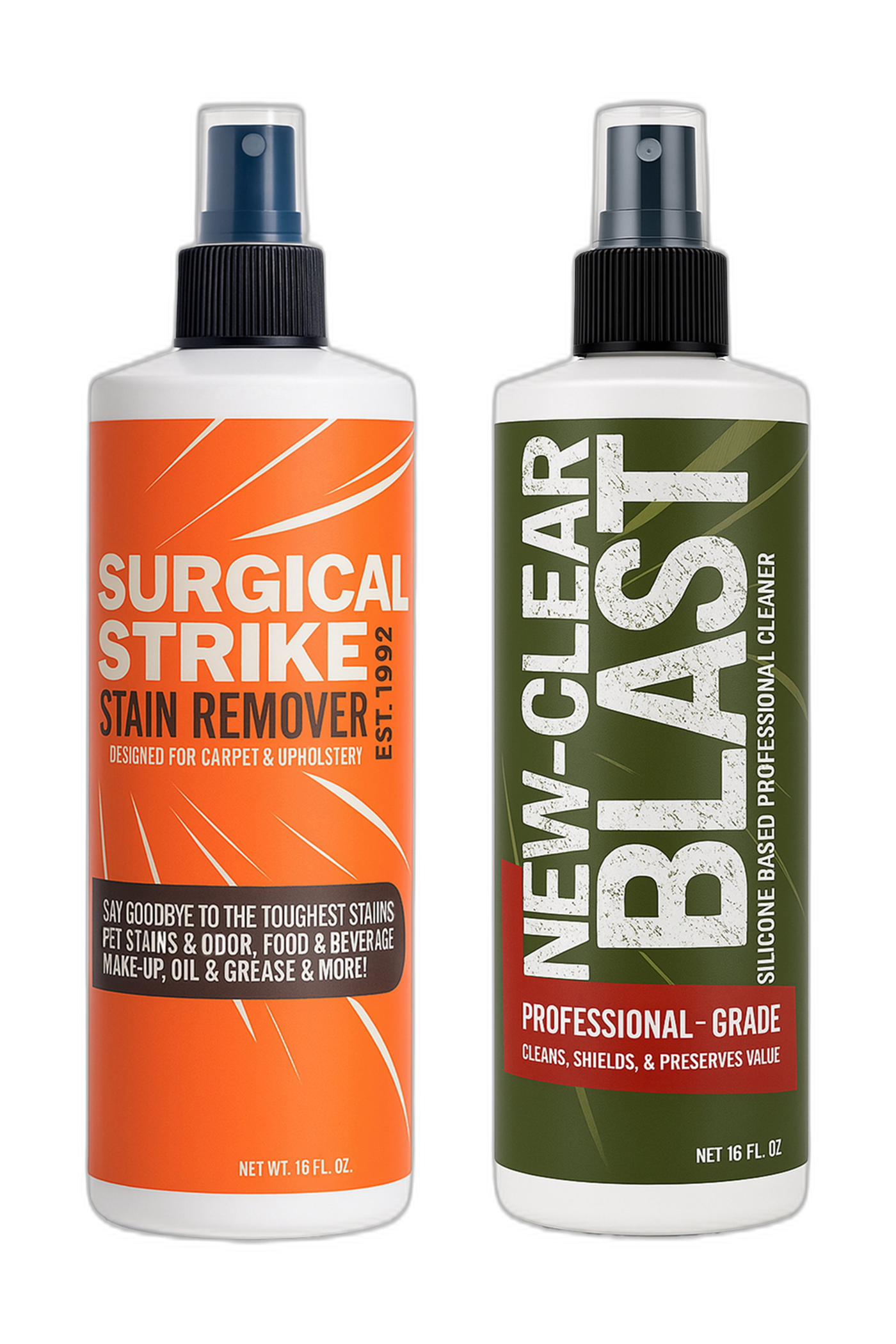
Two formulas. Serious range.
Use Surgical Strike for stains and odor, then New-Clear Blast to clean, shield and preserve hard surfaces.