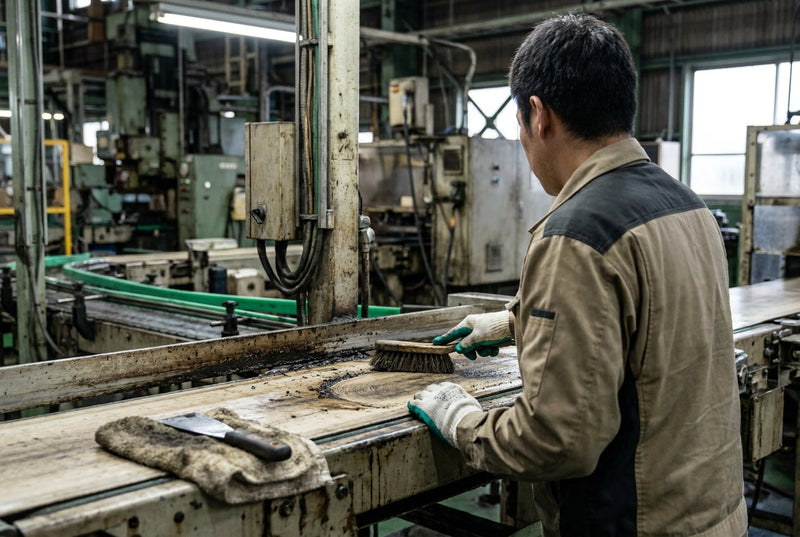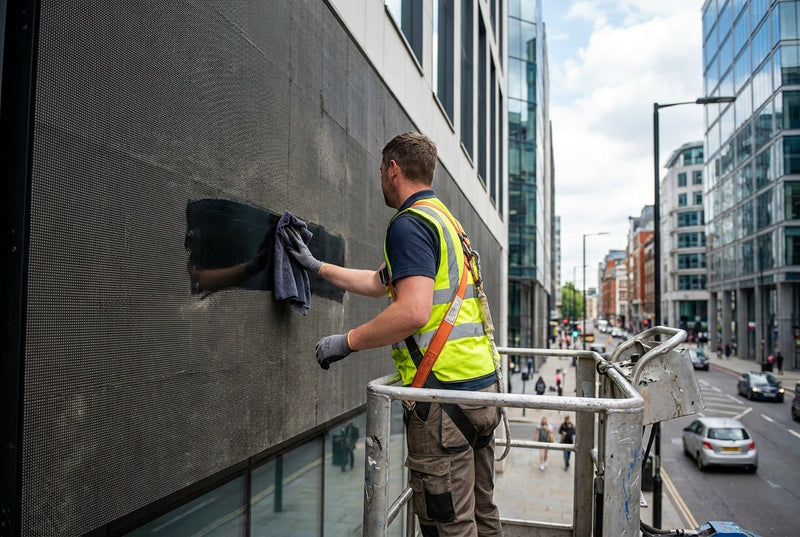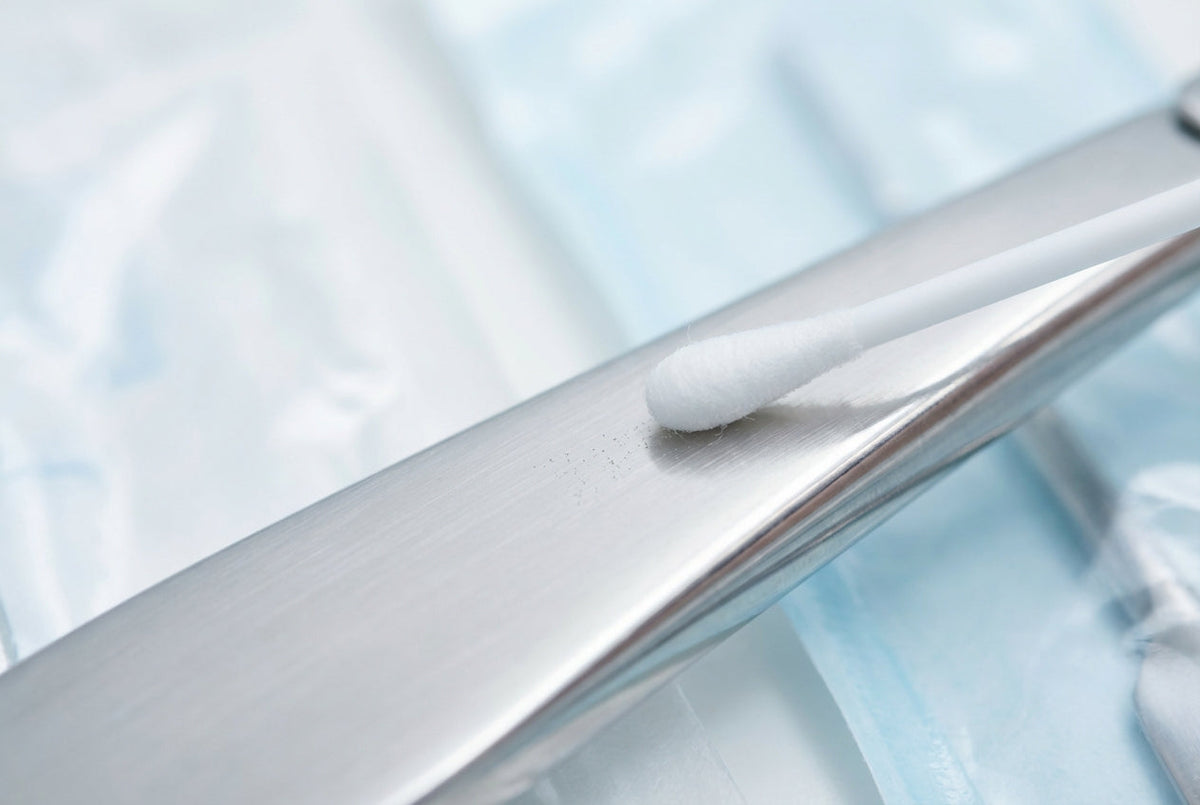
In medical device manufacturing, quality control is not just a procedural step; it is a fundamental requirement for patient safety and device efficacy. Central to this process is a rigorous approach to cleaning and surface preparation. Contamination from manufacturing processes, if not properly addressed, can compromise the integrity, biocompatibility, and functionality of medical devices. This article explores the critical role of validated cleaning protocols, regulatory frameworks, and contamination control in ensuring the highest standards of quality in the medical device industry.
Key Takeaways
- According to FDA guidance, cleaning processes for medical devices must be validated to ensure they are safe for reuse, with procedures tailored to the specific design of each device.
- A successful cleaning validation must prove that residues are removed to acceptable levels. This is typically demonstrated through a minimum of three consecutive successful trials using documented controls and procedures.
- Common contaminants such as manufacturing oils, particulates, and bioburden must be systematically addressed. This requires precision cleaning equipment designed for the specific demands of medical device manufacturing.
- The new ANSI/AAMI ST98 standard adjusts validation requirements based on risk, providing certain exemptions for non-critical devices where contamination and patient risk are lower.
The Critical Role of Cleaning in Medical Device Integrity
Validated cleaning processes are a cornerstone of medical device manufacturing, ensuring that products are free from residues that could compromise biocompatibility or patient safety. The primary goal is to remove any unwanted materials from device surfaces without negatively impacting the device itself. Effective cleaning protocols target a range of contaminants, including oils, greases, particulates, and bioburden, which are often introduced during fabrication and handling.
Proper surface preparation is fundamental, especially for reusable devices that undergo subsequent disinfection or sterilization. Any remaining residue can shield microorganisms from sterilants or disinfectants, rendering the process ineffective. Therefore, a thoroughly cleaned surface is the essential first step toward achieving the required level of sterility and ensuring the device performs as intended. This meticulous attention to cleanliness directly supports the overall integrity and safety profile of the final medical product.
Regulatory Frameworks for Medical Device Cleaning Validation
The regulatory landscape for medical device cleaning is governed by stringent standards to protect public health. The U.S. Food and Drug Administration (FDA) provides guidance on reprocessing validation, requiring manufacturers to develop and validate cleaning processes specific to each device's design and intended use. A significant update is the FDA's Quality Management System Regulation (QMSR), which harmonizes its requirements with ISO 13485 and becomes effective on February 2, 2026. This alignment reinforces global standards for quality systems in medical device production.
Internationally, ISO 17664 specifies the information that manufacturers must provide for the processing of medical devices, including detailed instructions for cleaning, disinfection, and sterilization. This standard is particularly important for devices that have invasive contact with patients, as it ensures that healthcare facilities have the necessary information to reprocess devices safely and effectively. Adherence to these frameworks is not optional; it is a critical component of market approval and ongoing compliance.
Validated Cleaning Protocols: Achieving Residue-Free Surfaces
A validated cleaning protocol provides documented evidence that a cleaning process consistently removes residues to predetermined acceptable levels. These protocols typically require a minimum of three consecutive, successful cleaning trials to demonstrate the procedure's reliability and effectiveness. Validation often uses clinically relevant soiling materials to simulate real-world contamination, ensuring the process is robust enough for its intended application.
Acceptance criteria for remaining residues are established to ensure the device maintains its biocompatibility and functionality after sterilization. These limits are often based on standards such as AAMI TIR12. It is also crucial to revalidate the cleaning process whenever significant changes are made, including alterations to cleaning agents, equipment, or procedural steps. This continuous verification helps maintain a state of control and ensures ongoing compliance with regulatory standards.
Cleaning Equipment and Environmental Control in Manufacturing
The environment and equipment used in medical device cleaning are just as critical as the cleaning agents themselves. Manufacturing environments for medical devices often rely on precision equipment that incorporates features like advanced ultrasonic control, specialized filtration systems, and materials compatible with cleanroom standards. These systems are designed to deliver consistent and measurable cleaning results while minimizing the risk of introducing new contaminants.
Controlling environmental factors is also essential for preventing the recontamination of cleaned devices. This includes managing water quality, as impurities can leave residues, and maintaining high air purity standards within cleanrooms. For critical devices, automated cleaning systems are often used to ensure reproducibility and reduce the potential for human error, further supporting the integrity of the final product.
Risk-Based Validation: Adapting to Device Classification
Not all medical devices carry the same level of risk, and regulatory standards are evolving to reflect this reality. The new ANSI/AAMI ST98 standard introduces a more nuanced, risk-based approach to cleaning validation, providing specific guidance and potential exemptions for non-critical medical devices. This allows manufacturers to apply a level of validation rigor that is appropriate for the device's intended use and potential for patient contact.
This approach often relies on the Spaulding Classification system, which categorizes devices as critical, semi-critical, or non-critical based on the risk of infection. For example, a critical device that enters sterile tissue requires a much more stringent cleaning and sterilization validation than a non-critical device that only contacts intact skin. By understanding these classifications, manufacturers can develop a more efficient and targeted validation strategy that aligns with both safety requirements and operational realities.
Failure Modes or Operational Risks
The consequences of inadequate cleaning in medical device manufacturing can be severe. One of the most significant risks is leaving chemical or organic residues on a device's surface, which can compromise its biocompatibility and lead to adverse patient reactions. Uncontrolled contaminants like particulates and bioburden can also cause device degradation, reduce performance, or interfere with subsequent sterilization processes.
Operationally, a failure to implement and validate consistent cleaning processes can result in non-compliance with regulatory bodies like the FDA and international standards such as ISO 13485. This can lead to production delays, product recalls, and significant damage to a company's reputation. A validated, well-documented cleaning protocol is a critical defense against these operational and patient safety risks.
Mechanism-to-Outcome Map
-
Mechanism: Thorough cleaning and residue verification processes.
Outcome: Supports the production of safe, biocompatible medical devices that are free from harmful contaminants. -
Mechanism: Adherence to manufacturer's Instructions for Use (IFUs) and regulatory guidelines like ISO 17664.
Outcome: Establishes standardized reprocessing procedures that minimize contamination risks throughout the device lifecycle. -
Mechanism: Implementation of validated cleaning protocols, including multiple consecutive trials.
Outcome: Helps ensure consistent removal of contaminants to predetermined acceptable levels, supporting overall device quality and reliability. -
Mechanism: Utilization of specialized cleaning equipment and controlled environments.
Outcome: Enables the precise and effective removal of particulates and bioburden, which is crucial for sterile manufacturing processes.
Selection Checklist for Cleaning Solutions
Choosing the right cleaning solution is a critical decision in establishing a validated process. The following checklist can guide the selection process:
- Contaminant Effectiveness: Does the solution effectively remove the specific contaminants present in your manufacturing process, such as oils, particulates, and bioburden?
- Material Compatibility: Is the cleaning solution compatible with the device's materials of construction? The solution should not cause corrosion, degradation, or other damage that could affect device integrity.
- Validation Support: Does the solution support a validated cleaning process? It should allow for consistent, measurable removal of residues to meet strict regulatory requirements.
- Environmental Compatibility: Is the solution suitable for use in a controlled or cleanroom environment? It should not introduce new contaminants or interfere with environmental controls.
Solutions that are designed for high-use environments can be part of an effective cleaning protocol. For degreasing and tough stain removal, a product like Surgical Strike may be considered. For general multi-surface cleaning that also leaves a protective finish, New-Clear Blast is another option to evaluate based on your specific surface preparation needs.
Regulatory, Safety, or Compliance Considerations
Compliance is a non-negotiable aspect of medical device manufacturing. All cleaning processes must align with FDA guidance on reprocessing validation to ensure patient safety and product efficacy. This responsibility extends to providing clear and comprehensive Instructions for Use (IFUs) that detail the validated methods for cleaning, disinfection, and sterilization.
Adherence to quality management systems under ISO 13485 is a global benchmark for medical device manufacturers. Furthermore, emerging standards like ANSI/AAMI ST98 are refining validation requirements, especially for non-critical devices, and promoting a risk-based approach to compliance that balances rigor with practicality. Navigating these standards is essential for maintaining market access and ensuring the highest level of quality control.
Explore our full Applications list to see where our solutions can be used.
Clean and prep surfaces with CG Chemicals
If you are dealing with buildup, residues, or tough soil before maintenance or finishing work, CG Chemicals offers practical cleaning solutions for high-use environments. Explore New-Clear Blast and Surgical Strike based on your surface and soil type.
Sources
- https://www.fda.gov/media/80265/download
- https://technotes.alconox.com/wp-content/uploads/2021/06/Cleaning-Validation-For-Medical-Device.pdf
- https://www.ransohoff.com/blog/medical-device-cleaning-equipment-meeting-strict-industry-standards/
- https://highpowervtls.com/2024/08/a-look-at-guidelines-for-medical-device-cleaning/
- https://www.iso.org/standard/62952.html
- https://pacificbiolabs.com/reusable-device-cleaning-disinfection-validations/
- https://www.nelsonlabs.com/how-to-perform-cleaning-validations-for-non-critical-devices-according-to-the-new-ansi-aami-st98-standard/
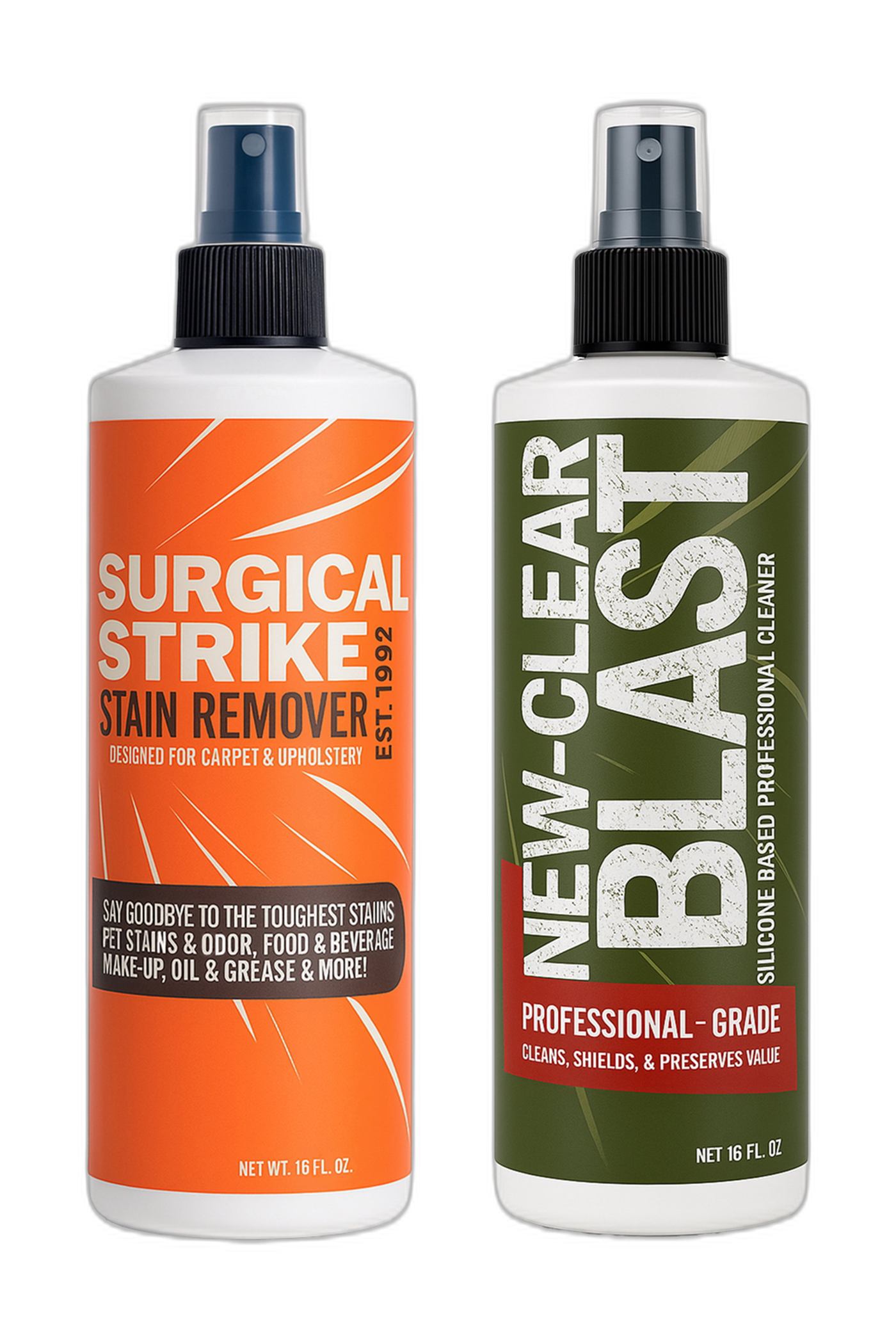
Two formulas. Serious range.
Use Surgical Strike for stains and odor, then New-Clear Blast to clean, shield and preserve hard surfaces.