Introduction: Ensuring Data Center Reliability Through Advanced Cleaning
Data centers serve as the backbone of modern digital infrastructure, requiring stringent environmental control to maintain operational integrity and prevent costly downtime. The reliability of this critical infrastructure depends on a multitude of factors, with preventative maintenance playing a central role. According to industry analysis, even minor environmental deviations can pose significant risks to sensitive IT equipment.
A key component of preventative maintenance is a specialized cleaning regimen designed to mitigate the risks associated with particulate contamination. Dust, debris, and other airborne particles can accumulate within server racks and cooling systems, directly impacting hardware longevity and performance. Adhering to established best practices for data center cleaning is not just a matter of housekeeping; it is a fundamental aspect of risk management.
Effective cleaning protocols contribute directly to sustained performance and help prevent equipment failure. This article explores advanced cleaning protocols, the importance of selecting appropriate chemical solutions, and adherence to standards designed to support data center reliability. By implementing a strategic approach to cleaning, facility managers can create a stable operating environment that aligns with guidelines such as those from ASHRAE.
Key Takeaways
- Dust and particulate matter are significant threats to data center hardware, potentially leading to performance degradation and outages by obstructing airflow and causing thermal issues.
- Specialized cleaning solutions and protocols are necessary to maintain the controlled environment required for sensitive IT equipment, preventing damage from static discharge or corrosion.
- Adherence to industry standards, such as those provided by ASHRAE, helps establish a robust framework for data center hygiene and supports long term infrastructure reliability.
- Strategic cleaning practices can reduce operational risks and contribute to overall cost savings by assisting with the maintenance of equipment and extending its operational lifespan.
Failure Modes: Contamination as a Threat to Data Center Uptime
Contamination is a primary threat to data center uptime, introducing several failure modes that can disrupt operations. Dust accumulation on heat sinks and within cooling fans impedes airflow, leading to localized hot spots and a general reduction in cooling efficiency across server racks. This forces cooling systems to work harder, consuming more energy and increasing the risk of thermal shutdown.
Beyond thermal issues, particulate contamination can facilitate static electricity buildup. Certain types of dust are conductive and can cause electrical short circuits on motherboards, power supplies, and other sensitive components, resulting in sudden equipment failure. These failures are often difficult to diagnose and can lead to extended periods of unplanned downtime while technicians identify and replace the affected hardware.
Furthermore, microscopic debris and chemical residues from improper cleaning agents can corrode delicate electronic components over time. The wrong type of cleaning solution might leave behind a film that attracts more dust or actively degrades protective coatings on circuit boards. These contamination pathways directly compromise infrastructure reliability, leading to increased maintenance costs and operational instability.
Mechanism-to-Outcome Map: Controlled Cleaning for Optimal Performance
A systematic cleaning process directly maps to positive operational outcomes. Implementing controlled cleaning practices, such as using HEPA-filtered vacuums and specialized wiping techniques, significantly reduces airborne particle counts. This action minimizes the amount of dust that can settle on and inside equipment, which is a foundational step in maintaining a clean and stable environment.
Using low-residue cleaning agents is critical to avoid introducing new contaminants. The goal is to remove soils without leaving behind a film that could attract more dust, interfere with electrical contacts, or cause corrosion. A clean, residue-free surface is less likely to contribute to future contamination problems, supporting the long term integrity of the equipment.
Maintaining a clean environment supports consistent thermal management. When cooling fins, vents, and fans are free of debris, air can circulate as designed, preventing equipment from operating at elevated temperatures. This helps ensure that hardware operates within its specified thermal parameters, which is essential for both performance and longevity. Strategic cleaning, guided by standards, assists with optimizing airflow and helps cooling systems function efficiently.
Implementing Advanced Cleaning Protocols
An advanced data center cleaning program requires a structured, multi-faceted approach. This includes regularly scheduled deep cleanings performed by trained personnel, supplemented by ongoing maintenance to address localized issues as they arise. A comprehensive plan ensures that contamination levels are consistently managed across the entire facility.
Cleaning protocols should address all critical surfaces within the data center. This scope includes not only the visible areas like server racks and equipment exteriors but also hidden spaces such as raised floors, subfloor plenums, and overhead cable trays where dust and debris can accumulate unnoticed. A thorough approach prevents the redistribution of contaminants through the airflow systems.
The use of specialized tools is non-negotiable for effective particle removal without causing harm. Anti-static vacuums with HEPA or ULPA filters are essential to capture microscopic particles safely. Lint-free microfiber cloths are used to wipe surfaces without shedding fibers that could become a new source of contamination. These tools are part of a system designed to remove, not just move, contaminants. As outlined in industry guidelines, the selection of cleaning solutions must prioritize low-VOC, non-corrosive, and non-conductive formulations to protect sensitive electronics.
Selecting Cleaning Solutions for Data Center Environments
Choosing the right cleaning solutions for a data center is as important as the cleaning process itself. Solutions must be effective against common contaminants like dust, grime, and oily residues without posing a risk to electronic components or the controlled environment. The ideal cleaner is one that is powerful enough for the task but gentle on sensitive surfaces and materials.
A primary consideration is the residue left behind after cleaning. Products should be formulated to leave minimal to no residue, as any remaining film can attract new particulates or interfere with electrical conductivity. This requirement rules out many general purpose cleaners that are not designed for critical environments. Industry standards often recommend specific characteristics for cleaning agents used in these settings.
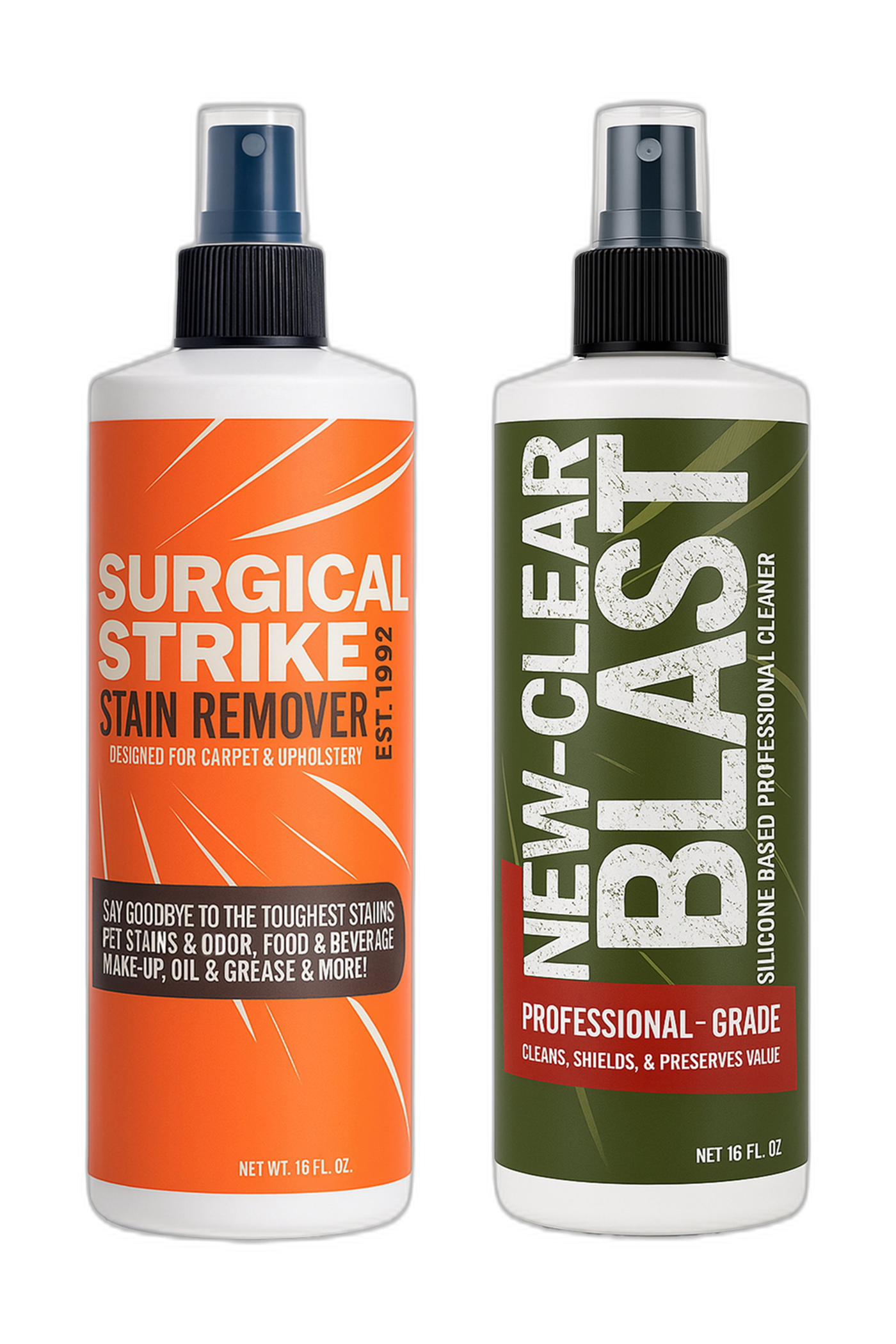
CG Chemicals offers cleaning and surface-prep solutions designed for high-use environments, supporting the meticulous needs of Facilities such as data centers. For general surface cleaning on non-energized equipment housing and support area surfaces, a multi-surface cleaner like New-Clear Blast can be a suitable choice. For tougher degreasing tasks on floors or equipment casings, Surgical Strike can be used as part of a maintenance program. As with any cleaning agent in a sensitive environment, always follow label directions and ensure proper ventilation.
Regulatory, Safety, and Compliance Considerations
Data center cleaning practices should align with established industry standards to ensure consistency and effectiveness. Frameworks such as ANSI/ASHRAE Standard 183 provide valuable guidance on contamination control, testing methods, and acceptable particulate levels for data centers. Adherence to these standards demonstrates a commitment to operational excellence and risk mitigation.
Safety protocols for personnel are paramount. Handling cleaning agents requires adequate training, proper ventilation to manage fumes, and the use of appropriate personal protective equipment (PPE), such as gloves and safety glasses. Ensuring staff safety is a core component of any professional cleaning program.
Choosing cleaning products with clear safety data sheets (SDS) and transparent ingredient lists helps ensure compliance and promotes a healthier work environment. Facility managers should select products that meet their environmental and safety goals. Maintaining detailed records of cleaning activities, including dates, procedures performed, and products used, supports audit requirements and demonstrates a consistent commitment to operational best practices, a key factor in overall reliability.
Selection Checklist for Data Center Cleaning Solutions
When evaluating cleaning solutions for your data center, consider the following questions to guide your selection process:
- Does the solution offer low residue or residue-free cleaning to prevent the attraction of new contaminants?
- Is the product compatible with the various materials found in a data center, including plastics, metals, anti-static flooring, and painted surfaces?
- Are clear instructions provided for safe application, including dilution ratios and required ventilation to ensure personnel safety?
- Does the solution effectively address common data center contaminants such as dust, oils, and general grime found on surfaces?
- Can the product be integrated into a routine maintenance schedule and used effectively by facility staff as part of a long term reliability strategy?
Clean and prep surfaces with CG Chemicals
If you are dealing with buildup, residues, or tough contamination before maintenance or finishing work, CG Chemicals offers practical cleaning solutions for high-use environments. Explore New-Clear Blast and Surgical Strike based on your surface and soil type.
- Use with adequate ventilation.
- Avoid contact with eyes and prolonged skin contact.
- Keep out of reach of children.
- Follow label directions.
Sources
- https://uptimeinstitute.org/research/data-center-reliability-trends-report/
- https://www.datacenterknowledge.com/design/best-practices-data-center-cleaning
- https://www.ashrae.org/technical-resources/standards-and-guidelines/ashrae-standards/ans-ashrae-standard-183-2017
Two formulas. Serious range.
Use Surgical Strike for stains and odor, then New-Clear Blast to clean, shield and preserve hard surfaces.