Key Takeaways
In healthcare laboratories, the accuracy of diagnostic results is paramount, directly influencing patient care and outcomes. Chemical cross-contamination presents a significant threat to this accuracy, making its prevention a top priority for lab managers and technicians. Understanding and mitigating these risks are fundamental to maintaining operational integrity and safety.
- Chemical cross-contamination directly impacts the accuracy of diagnostic results and patient safety in healthcare laboratories.
- Implementing robust cleaning protocols and selecting suitable cleaning agents are critical steps in risk mitigation.
- Regular training and adherence to regulatory guidelines are essential for maintaining a contamination-free lab environment.
Understanding Chemical Cross-Contamination in Healthcare Laboratories
Chemical cross-contamination is the unintentional transfer of chemical substances from one surface, sample, or piece of equipment to another. In the sensitive environment of healthcare laboratories, even trace amounts of a contaminant can have significant consequences. These unwanted substances can interfere with analytical tests, leading to skewed results that may affect patient treatment plans.
The sources of such contamination are varied and often subtle. They can include residues left on inadequately cleaned glassware or instruments, aerosols generated during sample processing, or the improper handling of reagents. Shared equipment that is not thoroughly decontaminated between uses is another common pathway. Recognizing these potential sources is the first step in developing an effective prevention strategy.
Effective management requires a comprehensive approach that combines procedural controls with diligent cleaning practices. By understanding how easily contaminants can spread, laboratories can better implement policies that safeguard the integrity of their work and protect both patients and staff.
Failure Modes or Operational Risks
The most immediate risk of chemical cross-contamination is compromised sample integrity. A false positive or negative on a diagnostic test can lead to incorrect medical advice, delayed treatment, or unnecessary procedures, directly impacting patient health. The presence of trace contaminants can alter the chemical reactions that are central to many analytical tests, rendering the results unreliable.
Beyond patient care, cross-contamination introduces significant operational burdens. When results are questioned, laboratories must conduct repeat tests, which consumes valuable resources, including reagents, equipment time, and personnel hours. This leads to increased operational costs and reduced efficiency. In some cases, persistent contamination issues can necessitate costly equipment repairs or replacement and may even trigger regulatory scrutiny or fines.
Furthermore, inadequate cleaning protocols can pose direct health risks to laboratory staff. The accumulation of hazardous chemical residues on surfaces, instruments, or personal protective equipment (PPE) can lead to unintentional exposure through inhalation, ingestion, or skin contact. Maintaining a clean and controlled environment is therefore not just a matter of quality control but also a critical component of workplace safety.
Mechanism-to-Outcome Map
Understanding the mechanisms by which contamination occurs is essential for designing effective countermeasures. Contaminants can spread through several pathways, including the aerosolization of chemicals during mixing or pouring, direct contact transfer from gloves or tools, and the use of shared equipment that has not been properly cleaned. Each pathway represents a potential breach in laboratory protocol that can compromise sample integrity.
The condition of laboratory surfaces also plays a crucial role. Porous, scratched, or improperly maintained surfaces can trap and harbor chemical residues. When a new sample or a piece of equipment comes into contact with these surfaces, the trapped residues can be transferred, perpetuating the cycle of contamination. This makes the selection of appropriate surface materials and diligent maintenance critical.
Effective cleaning agents are designed to break this cycle. They work by solubilizing, emulsifying, or chemically altering contaminants, allowing them to be rinsed away completely. A well-chosen cleaner removes unwanted residues without leaving behind a film of its own that could interfere with future analyses. Consistent application of proper cleaning protocols prevents the gradual buildup of contaminants, which helps maintain the performance and reliability of laboratory operations over time.
Strategic Cleaning Protocols for Prevention
A systematic approach to cleaning is the foundation of contamination control in Facilities and laboratories. The first step is to implement dedicated cleaning schedules for all surfaces and equipment. A documented schedule ensures that cleaning is performed consistently and thoroughly, rather than on an ad hoc basis. This schedule should detail the frequency, method, and cleaning agent to be used for each item.
It is also important to establish specific protocols for different zones within the laboratory. For example, the cleaning procedures for a sample handling area will differ from those for an analytical processing zone or a waste disposal station. Using dedicated cleaning tools, such as color-coded sponges or cloths for specific areas or tasks, can help prevent the accidental transfer of contaminants from one zone to another via the cleaning implements themselves.
All cleaning procedures must be clearly documented and easily accessible to all staff. These documents should be treated as living records, regularly reviewed and updated to reflect new equipment, changes in workflow, or the adoption of new best practices. This ensures that the lab's contamination control strategy remains effective and aligned with current standards.
Selecting Effective Cleaning Agents
Choosing the right cleaning agent is as important as the protocol itself. For healthcare labs, it is beneficial to select solutions formulated for broad-spectrum residue removal. An effective cleaner should be able to tackle a wide range of common contaminants, including both organic materials and inorganic chemical traces, to ensure a truly clean surface.
Compatibility with laboratory surfaces and equipment is another key consideration. The cleaning agent should not corrode, etch, or otherwise degrade materials like stainless steel, glass, and specialty plastics over time. For general cleaning of multiple surfaces, a product like New-Clear Blast can be part of a maintenance routine. For more specific challenges like grease or stubborn stains on durable equipment, a targeted solution such as Surgical Strike may be appropriate for degreasing and residue removal.
Finally, the safety profile of any cleaning product must be evaluated. Staff safety is a priority, so products should come with clear instructions for use, including requirements for adequate ventilation and proper PPE. Choosing formulations designed for professional use helps support a well-controlled laboratory environment.
Selection Checklist for Cleaning Solutions
When procuring cleaning agents for a healthcare laboratory, a structured selection process can help ensure the chosen products meet the facility's specific needs. A practical checklist can guide decision making, focusing on performance, safety, and compatibility.
- Efficacy: Does the solution effectively remove the target contaminants? This includes biological residues, reagent traces, oils, and general grime that can accumulate in a lab setting. Look for documentation or data that supports its cleaning capabilities.
- Surface Compatibility:Is the product compatible with repeated use on common laboratory materials? It should not damage sensitive equipment or surfaces made of glass, plastic, or various metals.
- Handling Profile: Are there clear instructions for safe handling? This includes information on necessary personal protective equipment (PPE), ventilation requirements, and first aid measures. Safety Data Sheets (SDS) should be readily available and reviewed.
- Residue Characteristics: Does the cleaner rinse away completely? An ideal cleaner leaves no film or residue of its own, as any leftover substance could become a new source of contamination for sensitive analytical tests.
- Environmental Considerations: Are there options available that align with the facility’s sustainability goals? Evaluating the environmental profile of a product can be part of a comprehensive procurement strategy.
Regulatory, Safety, or Compliance Considerations
Operating a healthcare laboratory requires strict adherence to a complex web of regulatory and safety standards. All chemical handling, storage, and waste management practices must align with established guidelines from bodies such as the CDC. This includes the chemicals used for cleaning and decontamination.
Compliance extends to internal quality control measures, which are essential for accreditation and maintaining trust in the lab's results. All cleaning activities should be integrated into the lab's overall quality management system. This involves implementing rigorous and documented training programs for all staff on the proper use of cleaning agents, correct PPE protocols, and emergency procedures in case of a spill or exposure.
Maintaining comprehensive records is a key part of demonstrating compliance. This includes logs of cleaning activities, up-to-date Safety Data Sheets (SDS) for all chemical products, and records of staff training sessions. These documents are vital during internal audits and external inspections, providing clear evidence that the laboratory is committed to maintaining a safe and controlled environment.
Clean and prep surfaces with CG Chemicals
If you are dealing with buildup, residues, or tough soil before maintenance or finishing work, CG Chemicals offers practical cleaning solutions for high-use environments. Explore New-Clear Blast and Surgical Strike based on your surface and soil type.
Sources
- https://www.labmanager.com/lab-products-and-services/2023/10/preventing-cross-contamination-in-the-laboratory
- https://www.cdc.gov/labtraining/safety.html
- https://www.ncbi.nlm.nih.gov/pmc/articles/PMC7352820/
- https://clsi.will-lms.com/clsi-courses/laboratory-safety-part-1/
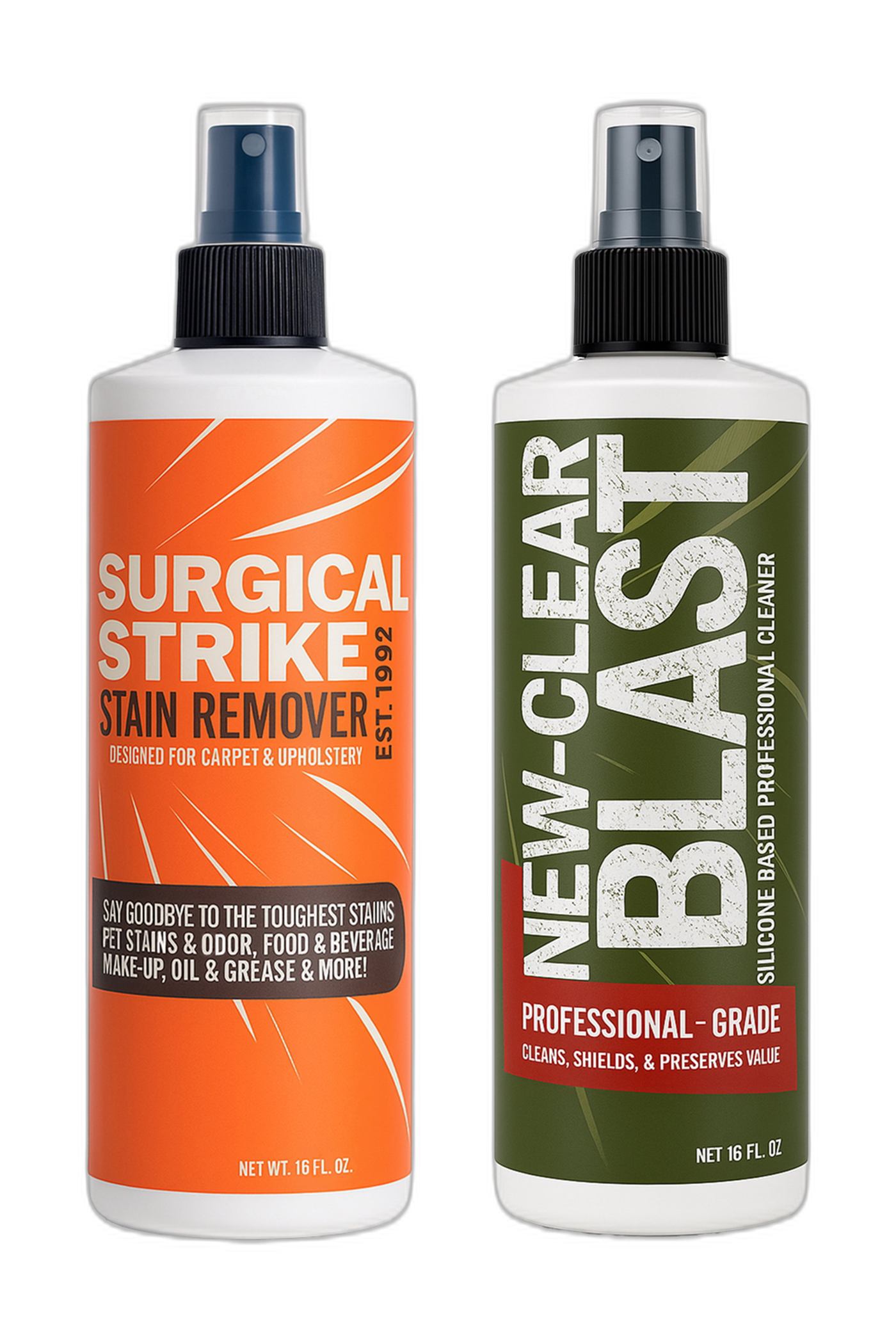
Two formulas. Serious range.
Use Surgical Strike for stains and odor, then New-Clear Blast to clean, shield and preserve hard surfaces.