Key Takeaways
- Sustainable maintenance practices for industrial robotics can help reduce unplanned downtime and lower total ownership costs over time.
- The use of specialized, low-VOC, non-corrosive cleaning chemistries supports equipment longevity by reducing material degradation on robotic components and sensitive surfaces.
- Implementing consistent contamination control protocols through regular cleaning can help support manufacturing throughput and yield.
Introduction: The Imperative of Cleanliness in Industrial Robotics
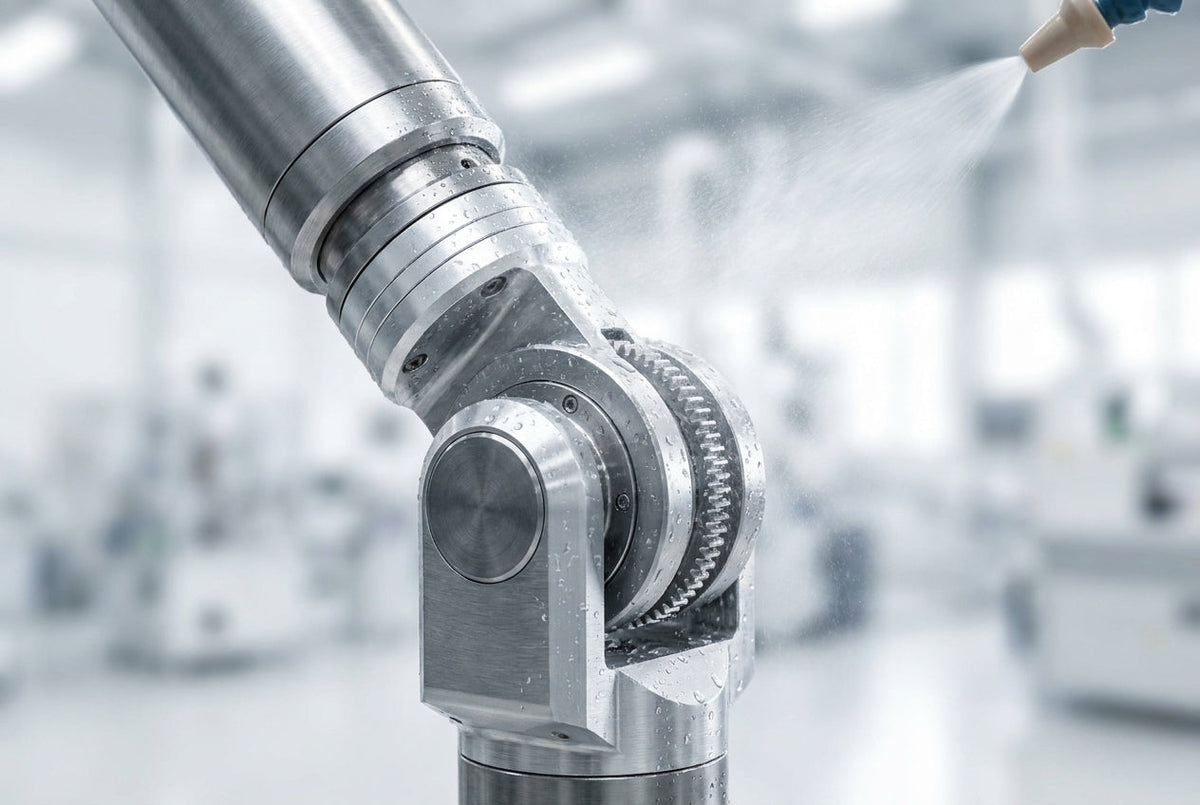
Industrial robots are engineered for precision and consistency. Their operational effectiveness relies on the flawless function of joints, sensors, and end-effectors. However, the manufacturing environment constantly introduces contaminants like dust, grime, lubricants, and metal particulates that can compromise this precision. Buildup on critical components can lead to deviations in performance, affecting quality and output.
Contamination on robotic joints and sensors is a significant factor in avoidable performance issues in automated equipment. A strategic approach to cleaning is not just about aesthetics; it is a core component of a robust preventative maintenance program.
A well-defined cleaning strategy directly supports robot longevity, operational safety, and overall manufacturing efficiency. By addressing contamination proactively, facilities can maintain the high-performance standards expected from their automation investments and create a cleaner working environment.
Failure Modes and Operational Risks in Automated Systems
In automated systems, particulate buildup and residual lubricants are primary sources of preventable performance degradation. These contaminants can accumulate in tight tolerance areas, leading to increased friction, wear, and eventual component failure. Without regular cleaning, this accumulation can go unnoticed until a serious operational issue arises.
Beyond ambient contamination, the cleaning solutions themselves can pose a risk. Inadequate cleaning methods or the use of harsh, corrosive cleaners contribute to maintenance-related incidents in industrial robot operations. These incidents can range from minor surface damage to critical component failure.
Contaminants can obstruct optical sensors, impede the full range of motion in joints, and cause components to overheat by acting as an insulator. Each of these issues can lead to unplanned downtime, production losses, and costly emergency repairs. Furthermore, corrosion from improper or incompatible cleaning solutions can slowly degrade sensitive robotic components, shortening the equipment's operational life.
Mechanism-to-Outcome Map: How Cleaning Impacts Robot Performance
Understanding the link between cleaning mechanisms and performance outcomes helps justify the integration of cleaning into maintenance schedules. Four key areas highlight this relationship:
- Chemistry: The selection of cleaning chemistry is critical. Specialized, low-VOC, and non-corrosive chemistries support equipment longevity by reducing material degradation on sensitive robotic components. Choosing the right formulation helps preserve the integrity of seals, wiring, and sensor housings.
- Surface Conditions: Effective cleaning maintains optimal surface conditions, which is essential for precision. It prevents the buildup that can interfere with optical sensors, grippers, and other components requiring clean contact surfaces for proper function.
- Contamination Pathways: Consistent cleaning protocols are a primary method of contamination control. By regularly removing harmful particulates, these protocols support throughput and yield in automated manufacturing lines.
- Material Interactions: Choosing compatible cleaning solutions helps avoid adverse material interactions. The right cleaner will remove soil without causing corrosion, embrittlement, or discoloration of the robotic materials, safeguarding the long-term value of the asset.
Sustainable Cleaning Chemistries for Robotic Equipment
The move toward sustainability has led to the development of advanced eco-friendly industrial cleaners. Modern formulations can deliver strong cleaning performance while helping to reduce environmental impact. These chemistries are often biodegradable and have a more favorable aquatic toxicity profile.
Adopting these formulations can also simplify regulatory reporting burdens related to hazardous materials and waste disposal. By reducing the use of harsh solvents, companies can better align with environmental regulations and corporate sustainability goals.
Non-corrosive chemistries are especially important for maintaining sensitive robotic components. They minimize the risk of material damage to plastics, composites, and coated surfaces found on modern robots. For facilities seeking practical cleaning solutions, products like New-Clear Blast and Surgical Strike can support cleaning and surface-prep needs in manufacturing environments.
Implementing Effective Contamination Control Protocols
An effective contamination control program relies on consistent, scheduled cleaning to manage particulate buildup and residual lubricants. Rather than waiting for performance to degrade, a proactive protocol addresses contaminants before they become a problem, treating cleaning as a crucial part of preventative maintenance.
Proper contamination control is directly tied to production metrics. By maintaining a cleaner operational environment for automation, facilities can support higher throughput and yield in automated lines. This is achieved by reducing micro-stops and errors caused by dirty sensors or impeded movements.
Integrating cleaning into a preventative maintenance schedule is an established strategy for reducing unplanned downtime. This approach transforms cleaning from a reactive task into a strategic activity that supports the performance optimization of industrial robotics and protects valuable capital assets.
Regulatory, Safety, and Compliance Considerations
Adherence to established standards is fundamental to proper robot maintenance. Following ISO safety and hygiene standards for industrial equipment helps reduce maintenance-related incidents and minimizes the need for rework. These standards provide a framework for creating safe work procedures.
In the United States, OSHA standards provide a regulatory framework for safety during the operation and maintenance of industrial robots. Compliance involves ensuring that all maintenance tasks, including cleaning, are performed according to established safety protocols to protect workers from mechanical and chemical hazards.
Worker exposure to hazardous aerosols during cleaning can be a significant concern. This risk can be reduced through the use of low-misting, water-based formulations combined with proper ventilation. Industrial hygiene practices, such as providing appropriate personal protective equipment (PPE) and training, are integral to protecting workers from chemical exposure in automation facilities.
Optimizing Maintenance and Reducing Lifecycle Costs
A strategic approach to cleaning and maintenance can yield significant financial benefits. Optimized maintenance strategies, which include the use of sustainable and equipment-compatible cleaning solutions, can help reduce the total cost of ownership for industrial robots over time.
Sustainable cleaning practices contribute to these savings by supporting higher equipment longevity and reducing unplanned downtime. By using non-corrosive cleaners and following a regular schedule, facilities can extend the life of robotic components and avoid the high costs associated with premature failure and emergency repairs.
Ultimately, proactive maintenance that incorporates regular, effective cleaning is more cost-effective than a reactive repair model. The initial investment in appropriate cleaning chemistries and labor is often far less than the cost of lost production and capital replacement, making it a sound operational decision.
Selection Checklist for Industrial Robotic Cleaning Solutions
When selecting a cleaning solution for robotic equipment, procurement and maintenance teams should consider several key factors:
- Material Compatibility: Ensure the cleaning agent is non-corrosive and compatible with all robot components, including plastics, metals, composites, and sensitive sensor surfaces. Always test on a small, inconspicuous area if unsure.
- Environmental Profile: Prioritize low-VOC, biodegradable, and eco-friendly formulations. These products help reduce environmental impact and can ease the burden of regulatory compliance.
- Performance Efficacy: The selected cleaner must be capable of removing common industrial contaminants found in your facility, such as oils, greases, and particulates, without leaving behind harmful residues that could attract more dirt.
- Safety Data: Always review the Safety Data Sheets (SDS) to understand worker exposure risks. Ensure appropriate personal protective equipment (PPE) is available and that ventilation practices align with the product's requirements.
Conclusion: A Strategic Approach to Robotics Maintenance
Integrating sustainable cleaning practices into routine maintenance is a strategic imperative that significantly impacts the performance, safety, and longevity of industrial robotics. It is a shift from viewing cleaning as a simple janitorial task to recognizing it as a critical component of asset management.
By addressing contamination proactively with appropriate chemistries and protocols, manufacturing facilities can achieve higher throughput, improved yield, and reduced operational costs. This disciplined approach helps maintain the precision and reliability that automation promises.
Aligning cleaning strategies with industry standards and a commitment to sustainability helps support overall operational excellence in modern manufacturing. A clean robot is a more efficient and reliable robot, contributing directly to a stronger bottom line.
Clean and prep surfaces with CG Chemicals
If you are dealing with buildup, residues, or tough soil before maintenance or finishing work, CG Chemicals offers practical cleaning solutions for high-use environments. Explore New-Clear Blast and Surgical Strike based on your surface and soil type.
Sources
- https://www.robotics.org/research-and-publications/robotics-trends/robotics-trends-2023
- https://www.cleaning-product-chemistry.com/whitepapers/eco-friendly-cleaners-for-industrial-equipment
- https://www.robotics.org/content-hub/education-center/articles/contamination-control-in-robotic-factories
- https://www.techradar.com/news/industrial-robot-maintenance-2022-best-practices
- https://www.sciencedirect.com/science/article/pii/S2468013323000445
- https://www.eea.europa.eu/publications/industrial-chemicals-use-in-manufacturing-2023
- https://www.sciencedirect.com/science/article/pii/S2468082X22000113
- https://www.iso.org/standard/80525.html
- https://www.osha.gov/standards/industrial-robot-systems-machines
- https://www.ihs.org.uk/2023/06/22/indoor-air-quality-and-industrial-hygiene-in-automation-facilities
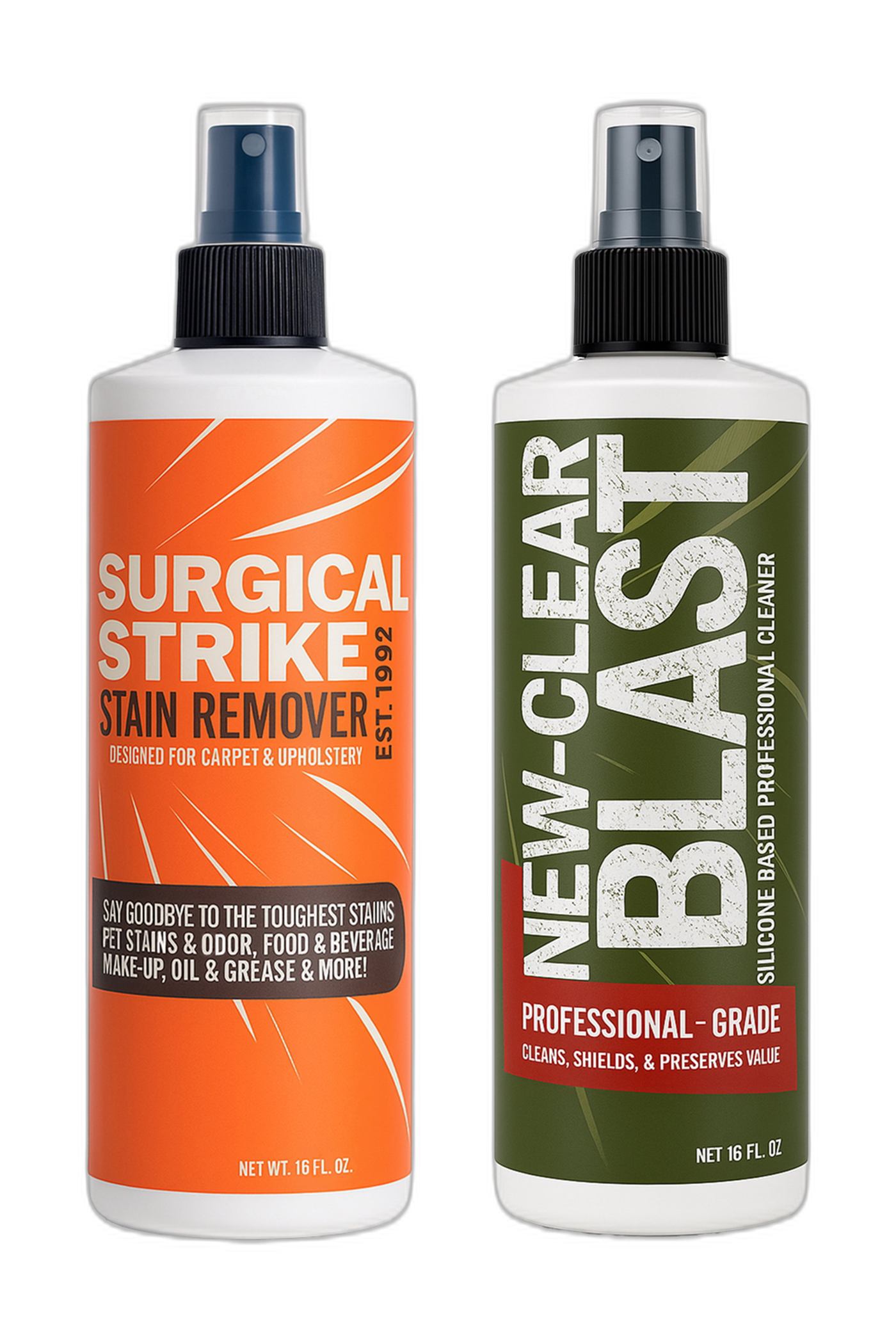
Two formulas. Serious range.
Use Surgical Strike for stains and odor, then New-Clear Blast to clean, shield and preserve hard surfaces.