Key Takeaways for Industrial HVAC Cleaning
For facility managers and maintenance operators, understanding the core principles of advanced HVAC cleaning is the first step toward optimizing system performance and indoor air quality. The following points summarize the most critical aspects of a thorough industrial HVAC deep clean:
- The most effective method for cleaning industrial HVAC ducts is source removal, a process that combines mechanical agitation to dislodge debris with negative pressure vacuuming to extract it.
- High-Efficiency Particulate Air (HEPA) vacuums are essential for achieving a deep clean. These systems capture 99.97% of particles as small as 0.3 microns, a key factor in supporting indoor air quality.
- A professional cleaning process involves multiple stages, including a detailed initial inspection, the use of specialized tools for agitation, thorough vacuum extraction of contaminants, and a post-cleaning verification to confirm the system is clean.
- Moving beyond routine filter changes, regular and advanced HVAC cleaning helps extend equipment life, reduce energy consumption, and prevent unexpected system failures in demanding industrial settings.
- When biological contaminants are a concern, EPA-registered antimicrobial treatments can be applied as a separate step, contributing to overall hygiene within the facility's ventilation system.
Beyond Routine Maintenance: Why Advanced Industrial HVAC Cleaning is Essential
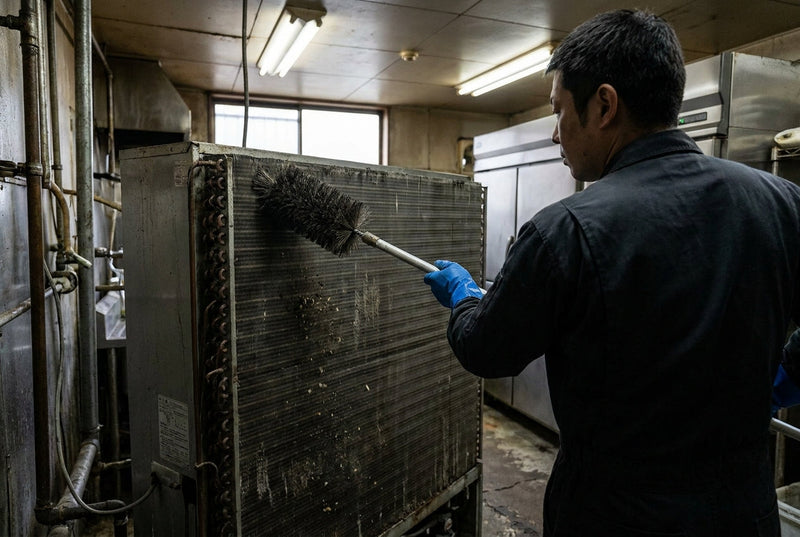
In many commercial and industrial settings, HVAC maintenance is often limited to routine filter changes. While important, this single step is insufficient for addressing the heavy particulate buildup, oils, and deep-seated contaminants common in manufacturing and production environments. Over time, these residues accumulate on coils, in ductwork, and on fan components, creating significant operational challenges.
Neglecting comprehensive cleaning leads to progressively restricted airflow and reduced heat exchange efficiency. This forces the system to work harder to maintain temperature and air circulation, increasing operational stress on motors, compressors, and other critical components. This strain not only inflates energy consumption but also accelerates wear and tear, setting the stage for premature equipment failure and costly, unplanned downtime.
Specialized cleaning methods are designed to address these issues directly. By removing ingrained contaminants, these advanced protocols help restore the system to its operational specifications. This is critical for extending equipment life, preventing component failure, and managing long-term energy costs. Industrial facilities, in particular, often handle unique materials that generate specific types of dust and chemical residues, demanding targeted cleaning approaches to maintain system performance and indoor air quality.
The Gold Standard: Source Removal for Thorough Contaminant Extraction
The industry benchmark for effective HVAC cleaning is a method known as source removal. Endorsed by organizations like the National Air Duct Cleaners Association (NADCA), this process is built on a simple but powerful principle: physically dislodge all contaminants from surfaces within the system and extract them completely. This is typically achieved through a combination of mechanical agitation and powerful negative pressure vacuuming.
A critical component of this method is the use of a negative pressure environment. Technicians create a vacuum within the ductwork, ensuring that all dislodged dust, debris, and particulates are pulled directly into a collection unit rather than being released into the facility. This containment strategy is vital for preventing cross-contamination and protecting the indoor environment during the cleaning process.
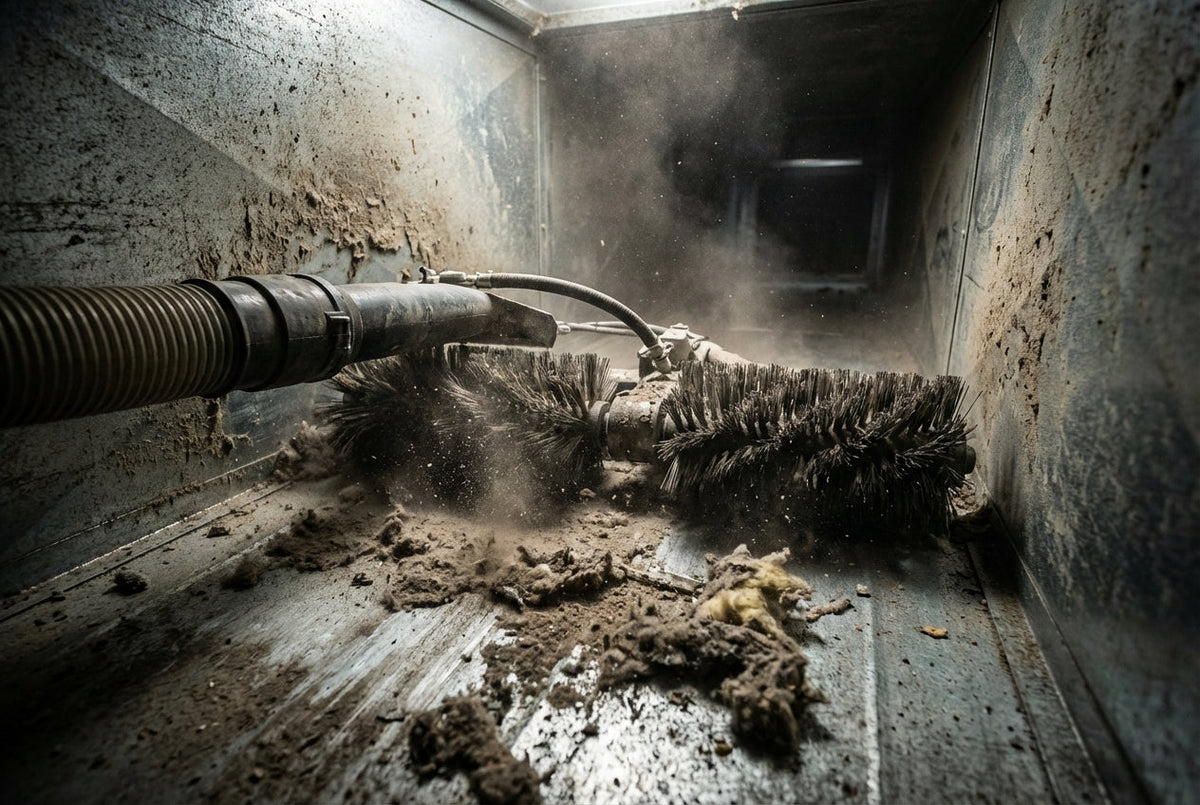
To dislodge stubborn buildup, technicians use a range of specialized tools for mechanical agitation. These can include rotating brushes, high-pressure air whips, and other devices designed to scrub the interior surfaces of the ductwork without causing damage. By actively loosening residues before extraction, this technique ensures a far more thorough cleaning than passive methods that rely on suction alone.
Leveraging Advanced Technology and Chemistry for Deep Cleaning
Modern HVAC cleaning relies on sophisticated technology to achieve a comprehensive result. At the forefront are High-Efficiency Particulate Air (HEPA) vacuums, which are indispensable for capturing microscopic contaminants. A true HEPA filter is rated to capture 99.97% of particles that are 0.3 microns in size, which includes fine dust, pollen, and other allergens that can impact indoor air quality.
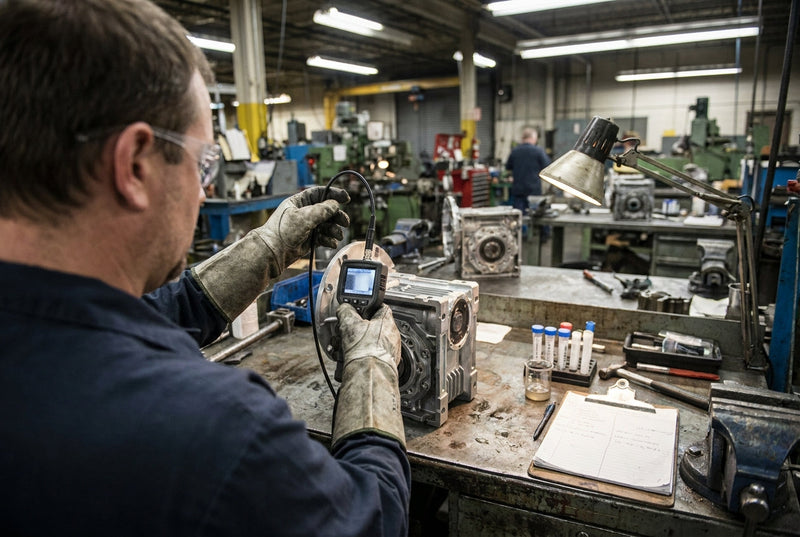
Alongside powerful vacuums, technicians utilize specialized tools to access and inspect the entire system. Robotic cameras can be deployed to conduct detailed pre- and post-cleaning inspections, providing visual verification that all areas have been addressed. For the cleaning itself, tools like high-pressure air whips and skipper balls deliver 360-degree agitation, reaching corners and crevices that might otherwise be missed.
In situations where organic growth is a concern, advanced chemistries play a key role. Specialized treatments can be applied within the system to address organic buildup and other unwanted residues. This step helps control odors and supports overall cleanliness within the ventilation network. For targeted surface cleaning and degreasing as part of a broader maintenance protocol, solutions such as Surgical Strike can be used to prepare system components by removing tough soils and residues.
Impact on Performance and Operational Costs in Facilities
A commitment to advanced HVAC cleaning protocols translates directly into tangible operational benefits. By removing the insulating layer of dust and grime from coils and other heat exchange surfaces, the system's ability to transfer thermal energy is restored. This, combined with unobstructed airflow, allows the equipment to operate closer to its designed specifications, which can lead to a notable reduction in energy consumption.
Furthermore, this level of maintenance extends the operational lifespan of expensive industrial HVAC equipment. By reducing the daily strain on fan motors, compressors, and blowers, deep cleaning helps mitigate the risk of premature component failure. This proactive approach reduces the likelihood of needing costly emergency repairs and can delay the capital expense of full equipment replacement.
For facility managers, the outcomes are clear: reduced operational costs and greater system reliability. Preventing unexpected system failures is crucial for avoiding downtime, which is especially important in sensitive manufacturing environments where consistent environmental control is necessary for process integrity and product quality. A clean, efficient HVAC system is a foundational element of a well-run and cost-effective facility.
Failure Modes or Operational Risks in Industrial HVAC
Neglecting deep cleaning in industrial HVAC systems introduces several operational risks and potential failure modes. The most immediate issue is the accumulation of dust, debris, and residues, which physically obstruct airflow. This forces the system to overcome higher static pressure, leading to increased energy consumption and significant strain on fan motors, belts, and coils.
Beyond mechanical strain, neglected systems can become breeding grounds for biological contaminants. The presence of moisture in dark ductwork can allow mold, bacteria, and fungi to proliferate, posing potential health risks to occupants and generating persistent, unpleasant odors that are difficult to eliminate. Other significant risks include:
- Component Corrosion: Trapped moisture and certain industrial contaminants can accelerate the corrosion of metal components like coils and drain pans, leading to premature equipment failure.
- Poor Indoor Air Quality: A contaminated HVAC system continuously circulates dust, allergens, and other pollutants throughout a facility, which can negatively affect employee health, comfort, and productivity.
- Reduced System Efficiency: As components become fouled, the system's ability to heat, cool, and dehumidify is compromised, potentially affecting sensitive processes and product quality in manufacturing settings.
Mechanism-to-Outcome Map: Optimizing HVAC Performance through Cleaning
Understanding the connection between specific cleaning actions and their results can help clarify the value of an advanced maintenance program. This map illustrates how each core mechanism contributes to a specific, positive outcome for the HVAC system and the facility it serves.
- Mechanical Agitation + Negative Pressure (Mechanism) → Effective Source Removal (Outcome):This combination physically dislodges and extracts deep-seated contaminants, ensuring they are removed from the building entirely rather than being recirculated into the air.
- HEPA Filtration (Mechanism) → Supported Indoor Air Quality (Outcome): By capturing 99.97% of particles at 0.3 microns, HEPA filtration removes a significant volume of airborne pollutants, dust, and allergens from the system and the facility's air.
- Antimicrobial Treatments (Mechanism) → Enhanced Hygiene and Odor Control (Outcome): The application of appropriate sanitizers helps inhibit the growth of mold, bacteria, and other microbes, contributing to a cleaner environment and mitigating persistent odors.
- Restored Airflow & Heat Exchange (Mechanism) → Assistance with Energy Efficiency (Outcome): By cleaning coils and removing blockages, the system can move air and transfer heat as intended, reducing strain on components and lowering energy consumption.
Regulatory, Safety, and Compliance Considerations
Maintaining a clean HVAC system is not just an operational goal; it is also a key component of facility safety and health. Regular preventative maintenance and deep cleaning are critical for controlling airborne contaminants and maintaining indoor air quality, particularly in high-useindustrial facilities. A well-documented cleaning program demonstrates a commitment to occupational health.
During the cleaning process, it is essential that proper methods are followed to prevent the release of pollutants into the occupied space. The use of negative pressure systems and careful containment procedures protects both the technicians performing the work and the facility's employees from exposure to dislodged contaminants.
Adherence to industry best practices and guidelines, such as those published by NADCA, helps facilities support compliance with broader occupational safety and health standards. Implementing a robust HVAC cleaning protocol is a proactive measure that reduces risks associated with poor indoor air quality and helps maintain a more productive working environment for everyone.
Selection Checklist for Industrial HVAC Cleaning Services
Choosing the right partner for HVAC cleaning is crucial for achieving desired results. When evaluating potential service providers, facility managers should use a structured approach to ensure the vendor is qualified and uses industry-accepted methods. The following checklist can guide the selection process:
- Methodology: Verify that the service provider employs the source removal method, which combines mechanical agitation with negative pressure vacuuming for complete contaminant extraction.
- Equipment: Confirm the use of HEPA-filtered vacuums with a documented efficiency of 99.97% for capturing fine particulates. This is a non-negotiable standard for protecting indoor air quality.
- Process: Inquire about their standard process, which should include detailed pre- and post-cleaning inspections. Ask if they provide documentation, such as photographs or robotic camera footage, to verify cleanliness.
- Treatments: If biological growth is a concern, assess their options for applying antimicrobial treatments or sanitizers to address mold, bacteria, and associated odors.
- Experience: Select a provider with demonstrated and verifiable experience working on HVAC systems in industrial or large-scale commercial environments, as these systems present unique challenges compared to residential units.
Clean and Prep Surfaces with CG Chemicals
If you are dealing with buildup, residues, or tough soil before maintenance or finishing work, CG Chemicals offers practical cleaning solutions for high-use environments. Explore New-Clear Blast and Surgical Strike based on your surface and soil type.
Sources
- https://nadca.com/homeowners/proper-cleaning-methods
- https://firstmechanical.com/commercia-duct-cleaning-most-effective-methods-for-cleaning-ductwork/
- https://millfac.com/blog/industrial-air-duct-cleaning-service/
- https://www.airoservice.com/professional-duct-cleaning-strategies
- https://ors.od.nih.gov/sr/dohs/Documents/fact-sheet-hvac-duct-cleaning.pdf
- https://greenstreethvac.com/10-common-air-duct-cleaning-methods/
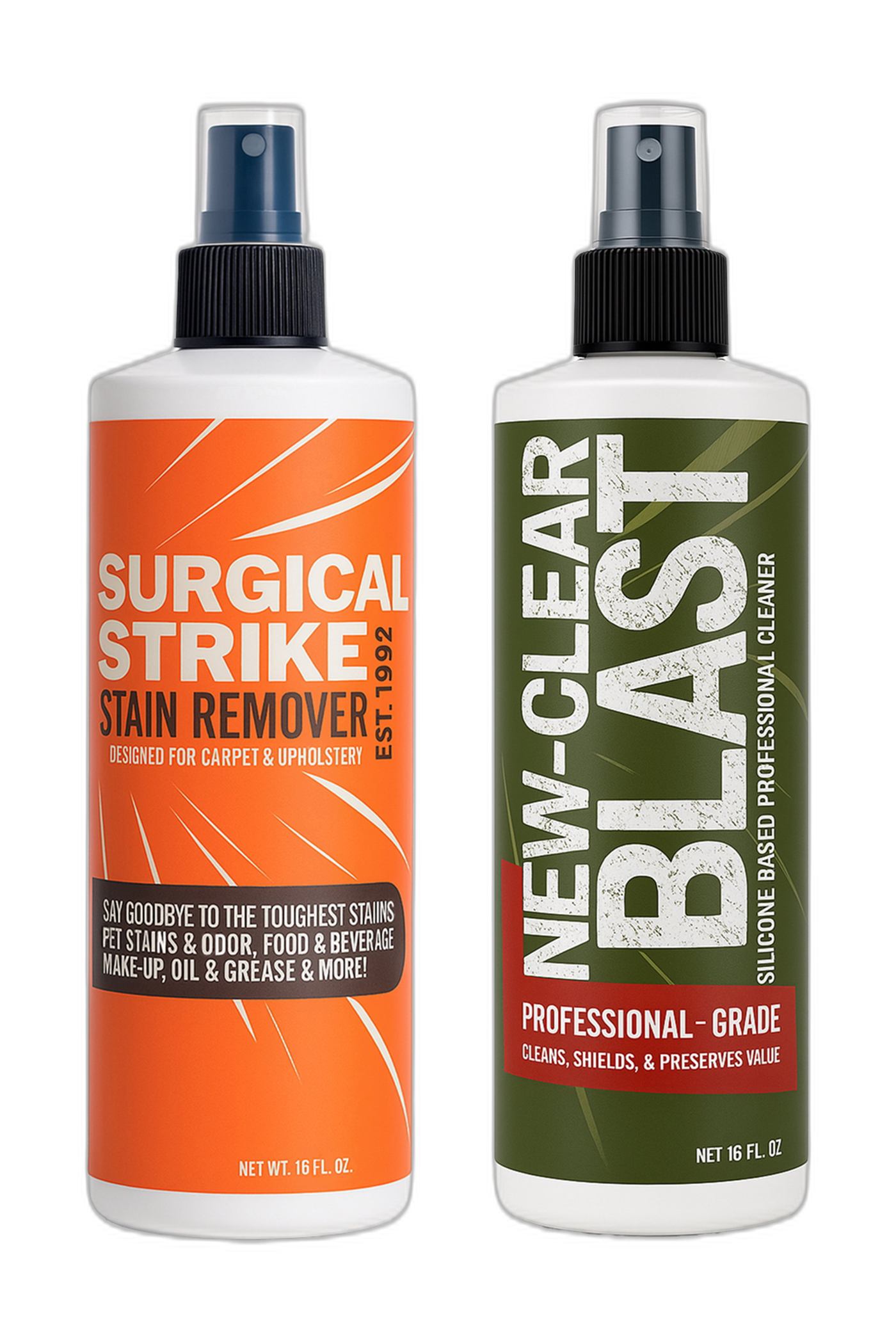
Two formulas. Serious range.
Use Surgical Strike for stains and odor, then New-Clear Blast to clean, shield and preserve hard surfaces.