Key Takeaways
- Industrial cleaning protocols and chemical choices have a direct and measurable effect on the quality of nearby water bodies. The responsibility for industrial cleaning waterway protection falls on facility operators.
- Pollutants discharged through stormwater runoff from industrial sites present considerable risks to aquatic ecosystems and public water resources.
- The adoption of biodegradable and sustainable cleaning chemistries is a critical step in mitigating damage to aquatic life. Some chemicals, like certain surfactants, are known to be toxic to aquatic organisms.
- For any industrial operation, compliance with environmental regulations such as the EPA's National Pollutant Discharge Elimination System (NPDES) is a fundamental requirement.
The Environmental Impact of Industrial Cleaning Runoff
Industrial facilities, particularly within the manufacturing sector, generate significant volumes of wastewater through daily operations, including equipment cleaning, surface preparation, and general maintenance. This wastewater often contains a complex mixture of contaminants, from heavy metals and oils to the cleaning agents themselves. When not managed correctly, these substances find their way into the environment, posing a direct threat to local waterways.
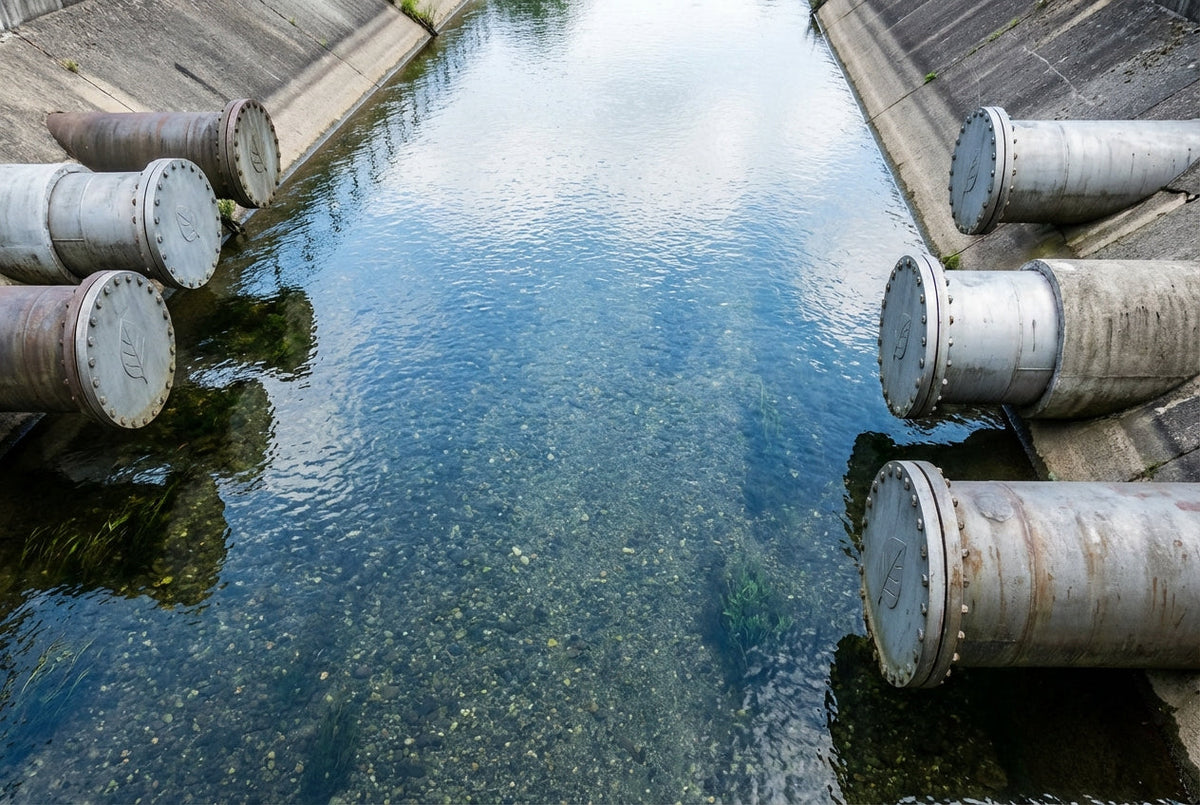
A primary pathway for this contamination is stormwater runoff. Rainwater that flows over industrial sites, including parking lots, storage areas, and rooftops, collects pollutants and carries them into storm drains. These drains frequently discharge directly into rivers, lakes, and coastal waters without treatment. . This process can turn a localized cleaning activity into a widespread environmental issue.
Improper handling, storage, or disposal of industrial cleaning chemicals can lead to persistent environmental contamination. Even chemicals that seem to wash away can remain in sediment or soil, slowly leaching into groundwater over time. The cumulative impact of these discharges disrupts the delicate balance of aquatic ecosystems, leading to a decline in biodiversity and overall water quality.
Mechanism-to-Outcome Map: How Cleaning Chemicals Impact Aquatic Life
The chemicals used in industrial cleaning can harm aquatic life through several distinct mechanisms. Surfactants, which are active ingredients in many detergents and degreasers, are designed to break down oils and grease. In an aquatic environment, this same property can damage the protective mucous layer on fish and disrupt the function of their gills, leading to suffocation. Many surfactants have been shown to be acutely toxic to aquatic organisms.
Beyond direct toxicity, chemical residues can alter the fundamental properties of a water body. Changes in pH, dissolved oxygen levels, and nutrient balances can create habitats that are no longer suitable for native species. For instance, phosphates in some cleaners can contribute to algal blooms that deplete oxygen and kill fish. The introduction of industrial pollutants is a significant stressor on these ecosystems.
Furthermore, certain persistent organic pollutants (POPs) present in industrial runoff can bioaccumulate. This means they build up in the tissues of organisms over time. As smaller organisms are consumed by larger ones, the concentration of these pollutants increases up the food chain, ultimately impacting birds, mammals, and even humans who may consume contaminated fish. Even the byproducts formed as some cleaning agents degrade can have their own ecotoxicological effects, extending the environmental impact long after the initial discharge.
Failure Modes and Operational Risks for Waterways
Several common operational failures at industrial sites can lead to significant waterway contamination. The most direct failure mode is the intentional or unintentional discharge of untreated cleaning wastewater into storm drains or directly into a water body. This introduces a concentrated dose of pollutants with immediate and severe consequences for the local aquatic environment.
Ineffective stormwater management represents another major risk. Without proper controls like containment berms, drain covers, or diversion systems, rainfall can wash over contaminated surfaces and transport pollutants directly into natural drainage systems. . This is especially problematic in areas where equipment or parts are cleaned outdoors.
The selection of cleaning agents also plays a crucial role. Using non-biodegradable or highly toxic chemicals increases the risk of long term environmental damage. These substances may not break down naturally, persisting in the environment for extended periods and causing harm long after their initial use. . Finally, accidental spills or leaks during the handling, transfer, or storage of chemicals are acute hazards that can release large quantities of contaminants in a very short time, overwhelming natural systems and causing immediate ecological harm.
Regulatory, Safety, and Compliance Considerations
Navigating the regulatory landscape is essential for any industrial facility. The U.S. Environmental Protection Agency (EPA) manages the National Pollutant Discharge Elimination System (NPDES) permit program. This program regulates discharges from point sources, including industrial stormwater runoff, into waters of the U.S. Compliance with NPDES permit requirements is not optional.
To meet these requirements, facilities are often required to develop and implement Best Management Practices (BMPs). BMPs are a set of procedures and structural controls designed to prevent pollutants from entering waterways. This can include everything from good housekeeping practices, such as routine sweeping, to installing oil water separators. Understanding the ecotoxicological profiles of cleaning products is part of a robust BMP, as it helps facilities select solutions that are less likely to cause harm if a discharge occurs.
Beyond environmental regulations, facilities must also adhere to workplace safety standards for chemical handling. This includes providing proper personal protective equipment (PPE), training employees on safe handling and disposal procedures, and having clear protocols for spill response. Safe chemical management protects both the workers on site and the surrounding environment from exposure and contamination.
Adopting Sustainable Cleaning Chemistries for Industrial Use
A key strategy for industrial cleaning waterway protection is the careful selection of cleaning chemistries. Prioritizing biodegradable solutions is a proactive step toward minimizing environmental impact. Biodegradable products are designed to be broken down by microorganisms into simpler, less harmful substances like water and carbon dioxide, reducing their persistence in aquatic environments.
When selecting a cleaner, it is important to consider its entire lifecycle. Formulations designed for rapid breakdown in natural systems lessen the environmental load after discharge. Choosing products with a lower ecotoxicity profile, meaning they are less harmful to aquatic organisms, is another critical consideration. This approach aligns with the principles of green chemistry and responsible industrial operation.
As part of a comprehensive environmental management plan, facilities can evaluate their cleaning needs and match them with appropriate chemistries. For operations dealing with tough industrial soils, residues, and buildup, CG Chemicals offers solutions to support surface preparation tasks. Products such as New-Clear Blast and Surgical Strike are formulated for use as part of maintenance protocols in demanding industrial settings while supporting facilities in their operational and environmental responsibilities.
Best Practices for Runoff Control and Wastewater Management
Effective runoff control and wastewater management rely on a combination of structural controls and procedural best practices. Facilities should develop and implement a comprehensive Stormwater Pollution Prevention Plan (SWPPP) that identifies potential pollutant sources and outlines specific measures to control them.
Structural controls are the physical features that help manage runoff. These include installing containment systems like berms or dikes around chemical storage areas and dedicated cleaning zones to prevent spills from spreading. Using drain covers during outdoor washing activities can prevent contaminated water from entering the storm sewer system. Regular inspection and maintenance of equipment like oil water separators and drainage systems are also vital to ensure they are functioning correctly.
Procedural practices are just as important. All personnel who handle chemicals must be trained on proper usage, spill response, and waste disposal protocols. This includes understanding the difference between sanitary and storm sewers and knowing where it is appropriate to discharge different types of wastewater. . A well trained workforce is the first line of defense against accidental pollution.
Selection Checklist for Eco-Conscious Cleaning Solutions
Choosing an appropriate cleaning solution requires balancing performance with environmental responsibility. This checklist can guide the selection process for industrial applications:
- Biodegradability: Does the product break down into less harmful components in a reasonable timeframe? Verify claims and review any available data on its degradation byproducts to ensure they are not also environmentally persistent or toxic.
- Ecotoxicity Profile: What is the product's known impact on aquatic life? Look for information on its toxicity to organisms like fish, daphnia, and algae. A lower toxicity profile is preferable for minimizing harm in case of an accidental release.
- Regulatory Compliance: Does the solution align with local, state, and federal wastewater discharge regulations? Ensure its components are not on a list of prohibited or restricted chemicals for discharge in your area under NPDES or other local permits.
- Performance: Does the product effectively clean the specific soils and contaminants found in your operation? An ineffective cleaner may require larger volumes or more frequent applications, potentially offsetting its environmental benefits. A solution must meet operational standards to be a viable choice. See our applications list for examples of different use environments.
By systematically evaluating these factors, facilities can make informed decisions that support both their cleaning requirements and their commitment to waterway protection.
Clean and prep surfaces with CG Chemicals
If you are dealing with buildup, residues, or tough soil before maintenance or finishing work, CG Chemicals offers practical cleaning solutions for high-use environments. Explore New-Clear Blast and Surgical Strike based on your surface and soil type. Designed for high-use environments, these products help remove grime, buildup, stains, and odors. Always use with adequate ventilation and avoid contact with eyes and prolonged skin contact. Keep out of reach of children and follow label directions.
Sources
- https://www.epa.gov/npdes/stormwater-management-businesses
- https://www.ncbi.nlm.nih.gov/pmc/articles/PMC7352995/
- https://www.ilo.org/global/topics/safety-and-health-at-work/resources-library/publications/wcms_771371/lang--en/index.htm
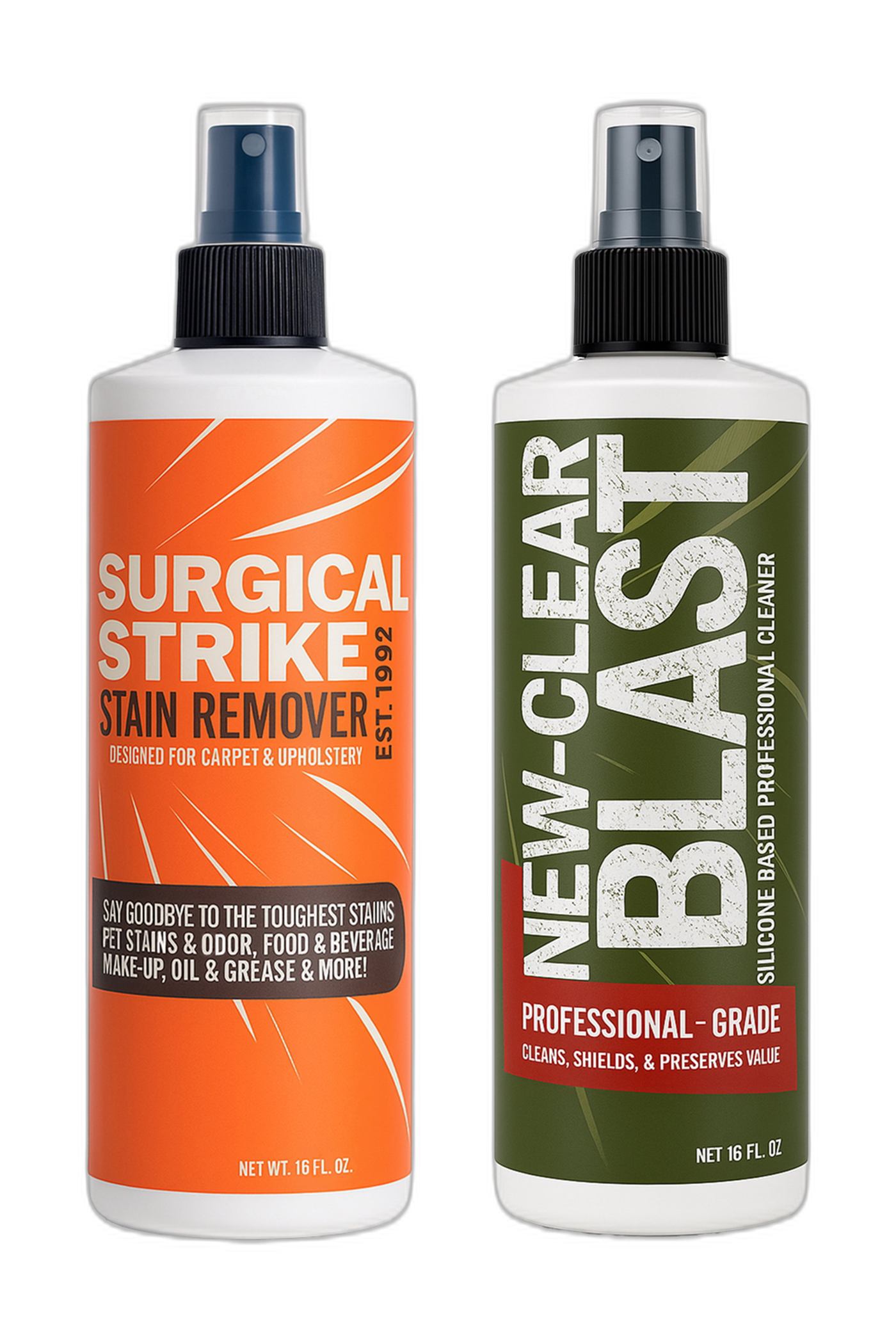
Two formulas. Serious range.
Use Surgical Strike for stains and odor, then New-Clear Blast to clean, shield and preserve hard surfaces.