Key Takeaways
- Effective cleaning is a foundational component of agricultural biosecurity strategies.
- Preventative cleaning protocols are essential for controlling pathogen spread in farm environments.
- Robust sanitation practices help safeguard livestock health, crop integrity, and overall food quality.
- Understanding and implementing proper cleaning regimens mitigate operational risks and support long-term farm viability.
The Foundation of Biosecurity: Preventative Cleaning
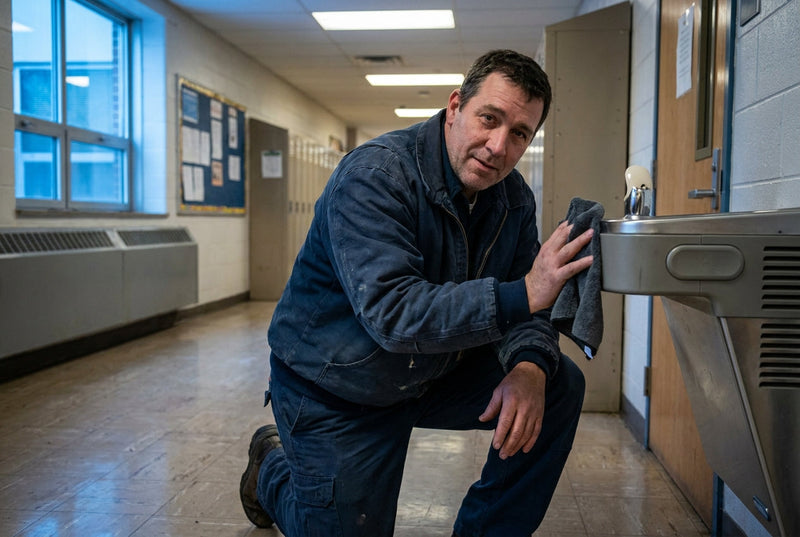
Agricultural biosecurity involves a set of preventative measures designed to protect animal and plant populations from infectious diseases, pests, and other biological threats. The goal is to minimize the risk of introducing and spreading harmful agents within and between farms. While practices like vaccination, pest control, and access management are vital, the entire system rests on a foundation of consistent and thorough cleaning.
Cleaning serves as the primary physical barrier against pathogen dissemination. It is the first line of defense in removing organic matter, such as manure, soil, and feed residue, that can harbor viruses and bacteria. According to the USDA, a comprehensive biosecurity plan must address the cleaning and disinfection of equipment and facilities to prevent contamination. Without effective cleaning, subsequent disinfection steps are less effective, as pathogens can survive shielded by dirt and grime.
By establishing routine and detailed cleaning regimens for all farm environments, operators can significantly reduce the overall pathogen load. This proactive approach supports the broader goal of maintaining healthy agricultural systems, ensuring food quality, and preventing the substantial economic losses associated with disease outbreaks.
Operational Risks: Inadequate Cleaning in Agriculture
The failure to implement and maintain consistent cleaning protocols introduces significant operational risks. Inadequate sanitation directly increases the likelihood of disease outbreaks among livestock and the spread of pathogens that affect crops. Accumulated organic matter and residues do more than just make a space look dirty; they create protective micro-environments where pathogens can thrive and multiply, safe from environmental factors and disinfectants.
Contaminated equipment, tools, vehicles, and even footwear can act as vectors, or fomites, for disease transmission. A piece of machinery moved from a contaminated area to a clean one without proper cleaning can introduce pathogens to a new, susceptible population. This risk applies across different zones within a single farm and between separate agricultural operations.
The consequences of poor hygiene extend beyond animal and plant health. Disease outbreaks lead to significant financial burdens through animal losses, reduced crop yields, high treatment costs, and potential trade restrictions. A lapse in basic cleaning can compromise an entire season's work and have long-lasting economic repercussions.
Cleaning Mechanisms and Biosecurity Outcomes
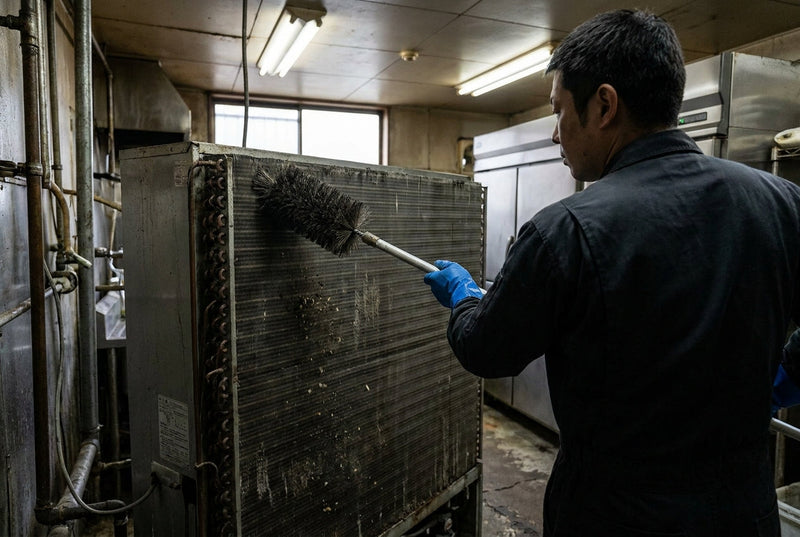
Effective cleaning relies on both mechanical and chemical actions to achieve its biosecurity goals. The mechanical action of scrubbing, scraping, and high-pressure washing physically removes visible dirt, manure, feed residues, and biofilms. Biofilms are particularly problematic, as they are complex communities of microorganisms that adhere to surfaces and are highly resistant to removal.
Chemical agents in cleaning solutions assist this process by breaking down contaminants at a molecular level. They help to emulsify fats, dissolve proteins, and suspend soils in water, facilitating their complete removal from surfaces in various Facilities. This chemical action is critical for cleaning complex equipment and porous surfaces where mechanical action alone may not be sufficient.
A primary outcome of this process is the reduction of the organic load. Disinfectants are designed to act on microorganisms, but their efficacy can be neutralized by organic matter. By first removing the soil and grime, cleaning allows disinfectants to make direct contact with the target pathogens. This two-step process of cleaning followed by disinfection is a cornerstone of effective sanitation protocols recognized globally. Properly cleaned surfaces also have fewer adherence sites for new pathogens, contributing to a more hygienic environment overall.
Strategic Cleaning Protocols for Farm Environments
A successful agricultural biosecurity cleaning program is systematic, not sporadic. It begins with establishing clear, step-by-step cleaning procedures for every part of the operation, from animal housing and milking parlors to processing facilities and outdoor equipment. These documented protocols should be easy to follow and consistently enforced.
A key strategy is the implementation of a 'clean-in, clean-out' approach for all vehicles, equipment, and personnel moving between different areas. This means that anything entering a sensitive zone must be cleaned, and anything leaving a potentially contaminated zone should also be cleaned before moving elsewhere. This helps create distinct biosecurity zones and control the movement of potential threats.
Protocols should prioritize high-risk areas for more frequent and thorough cleaning. These include high-touch surfaces, feeding and watering stations, and areas with heavy animal traffic. Finally, no protocol is effective without proper training. All staff must be educated on the correct cleaning techniques, the appropriate dilution and application of cleaning agents, and the importance of personal protective equipment for their safety and the program's success.
Selecting Cleaning Solutions for Agricultural Biosecurity
Choosing the right cleaning agents is a critical component of any biosecurity plan. The primary consideration should be the solution's ability to penetrate and lift common agricultural soils, which are often complex mixtures of organic matter, fats, proteins, greases, and mud.
Compatibility with farm surfaces is another crucial factor. Agricultural environments feature a wide range of materials, including concrete, various metals, plastics, rubber, and porous wood. The selected cleaning product should be effective without causing corrosion or degradation to equipment and infrastructure, which can create new crevices for pathogens to hide.
The ultimate goal of cleaning in this context is to prepare a surface for subsequent disinfection. Therefore, the chosen solution should rinse cleanly and not leave behind residues that could interfere with disinfectant activity. It is also essential to ensure that any selected cleaning chemicals are used strictly according to their label directions. This reduces harsh-chemical exposure for operators, protects animal health, and minimizes environmental impact.
Regulatory and Compliance Frameworks for Farm Hygiene
Farm hygiene and biosecurity are not just best practices; they are often governed by national and international frameworks. In the United States, national authorities like the USDA's Animal and Plant Health Inspection Service (APHIS) provide extensive guidelines and regulations for animal health and biosecurity. These frameworks are designed to prevent, control, and eradicate diseases that could impact the nation's food supply and agricultural economy.
On a global scale, the World Organisation for Animal Health (OIE) sets standards and provides recommendations to its member countries for preventing and controlling animal diseases. These international standards facilitate safe trade and help address zoonotic disease risks. Adherence to these frameworks is essential for farms to meet established health and safety standards.
For farm operators, understanding and integrating these regulatory requirements into daily cleaning and sanitation protocols is a crucial part of risk management. Proper documentation and consistent application of these protocols demonstrate compliance and a commitment to protecting agricultural assets, the food chain, and public health.
Implementing a Robust Biosecurity Cleaning Program
A truly effective biosecurity program integrates cleaning as a continuous and proactive activity, not a reactive measure. This begins with developing a comprehensive plan that is tailored to the specific risks and layout of the farm. The plan should treat cleaning as a fundamental part of the daily workflow.
This plan should not be static. It is important to regularly review and update cleaning protocols based on ongoing risk assessments, changes in disease prevalence, and new scientific insights or technologies. What works today may need adjustment tomorrow to address emerging threats.
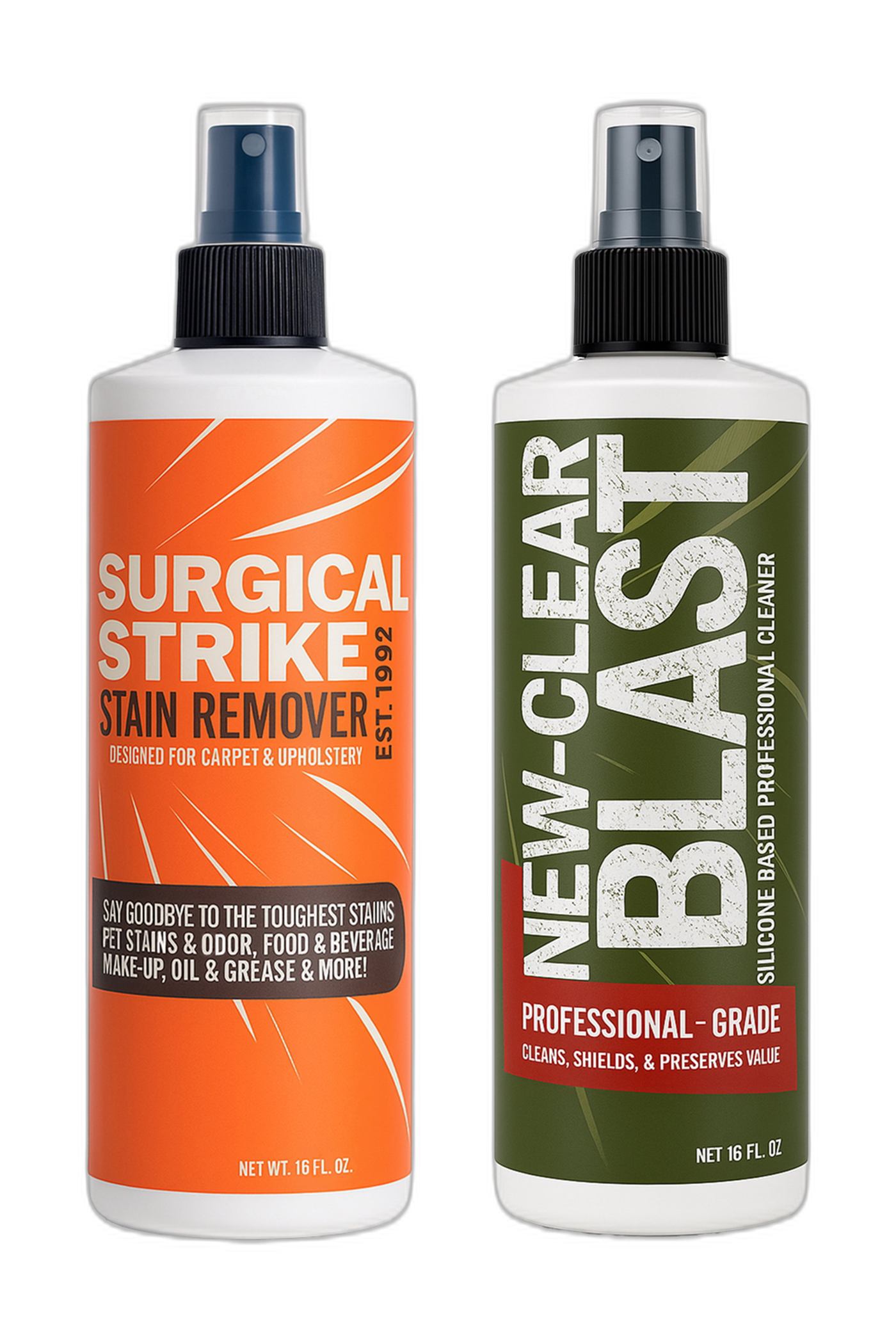
Successful implementation also requires providing staff with the right tools for the job. This includes access to appropriate cleaning equipment, personal protective gear, and adequate ventilation for effective operations. Leveraging reliable cleaning solutions is key to maintaining consistent cleaning standards. For heavy buildup and general surface preparation, a multi-surface cleaner like New-Clear Blast can be used. For tough organic stains and related odors, a solution like Surgical Strike helps prepare surfaces. Using products designed for demanding, high-use environments supports the overall integrity of a farm's operational efforts.
Clean and prep surfaces with CG Chemicals
If you are dealing with buildup, residues, or tough soil before maintenance or finishing work, CG Chemicals offers practical cleaning solutions for high-use environments. Explore New-Clear Blast and Surgical Strike based on your surface and soil type.
- Use with adequate ventilation.
- Avoid contact with eyes and prolonged skin contact.
- Keep out of reach of children.
- Follow label directions.
Sources
- https://www.aphis.usda.gov/aphis/ourfocus/animalhealth/animal-disease-information/biosecurity/animal-biosecurity
- https://www.oie.int/en/for-the-public/animal-health-in-one-health/biosecurity/
- https://www.ncbi.nlm.nih.gov/pmc/
Two formulas. Serious range.
Use Surgical Strike for stains and odor, then New-Clear Blast to clean, shield and preserve hard surfaces.