Petrochemical facilities operate under some of the most demanding conditions, requiring robust maintenance programs to ensure safety, efficiency, and regulatory compliance. A critical, yet often overlooked, component of these programs is the cleaning process. This article explores the shift toward sustainable cleaning in petrochemical facilities, focusing on how to select and implement strategies that address hazardous contaminants and strict safety rules while supporting environmental goals.
Key Takeaways
- Sustainable cleaning practices in petrochemical plants extend beyond product choice to include source reduction, controlled application methods, and responsible waste management to minimize environmental releases.
- Worker protection and chemical compatibility are paramount. Cleaning chemistries must be evaluated for safety with equipment materials and personnel, following all hazard communication standards.
- Choosing cleaning solutions with reduced human health and environmental hazards, such as those identified by programs like EPA Safer Choice, can help facilities meet sustainability objectives without compromising on performance.
- Effective sustainable cleaning supports the reduction of hazardous solvent use and lessens the rinse water burden, aligning with the core decontamination requirements of the industry.
- Implementing formal environmental management systems gives a structured framework for applying and continuously improving sustainable cleaning protocols across a facility.
The Mandate for Sustainable Cleaning in Petrochemical Operations
Petrochemical facilities face a unique set of challenges. They must manage aggressive and often hazardous contaminants while adhering to strict environmental regulations and safety protocols. Traditional cleaning methods can introduce additional risks, from hazardous solvent emissions to large volumes of contaminated wastewater. This operational reality has created a clear mandate for a more sustainable approach to facility maintenance and cleaning.
Sustainable cleaning in this context is guided by the principles of pollution prevention, which prioritize reducing or eliminating waste at the source rather than treating it after it has been created. This involves a strategic shift away from conventional, high-impact solvents and towards greener formulations that are designed to minimize environmental impact and worker exposure. The goal is to find solutions that perform effectively in a demanding Manufacturing environment while supporting broader corporate sustainability commitments.
Adopting these practices is not just about environmental stewardship; it is also a key component of risk management and regulatory compliance. By integrating sustainable cleaning into their operations, facilities can reduce their environmental footprint, lower the risks associated with handling hazardous materials, and maintain compliance with evolving regulations. A structured approach, often guided by standards for environmental management, helps ensure these practices are implemented systematically and effectively.
Prioritizing Safety and Compatibility in Cleaner Selection
In a petrochemical facility, the selection of any chemical, including cleaning agents, demands rigorous safety and compatibility assessment. The first step is a thorough review of the product's Safety Data Sheet (SDS) to understand its hazard profile, handling requirements, and necessary exposure controls. Worker safety is paramount, and adherence to established chemical safety guidelines is non-negotiable for protecting personnel.
Equally important is chemical compatibility. A cleaning agent must be effective at removing target residues without causing damage to equipment. This includes verifying its compatibility with various metals, polymers, seals, and any existing protective coatings. Using an incompatible cleaner can lead to corrosion, material degradation, or other forms of equipment damage, resulting in costly repairs and unplanned downtime.
Protecting workers involves more than just selecting a lower-hazard chemical. It requires implementing appropriate engineering controls, such as adequate ventilation, and ensuring the correct personal protective equipment (PPE) is used. As mandated by OSHA, employers are responsible for providing a safe workplace, which includes training on the specific hazards of chemicals used during cleaning tasks. A truly sustainable cleaner balances effective performance with the safety of both personnel and physical assets.
Leveraging Lower-Hazard Chemistry for Contamination Control
The core of sustainable cleaning lies in leveraging lower-hazard chemistry to achieve effective contamination control. The most credible eco-friendly cleaners are often those vetted by established programs like the EPA's Safer Choice, which screens ingredients against strict human health and environmental criteria. This certification provides facility managers with confidence that a product has been formulated to reduce potential risks.
A key objective of sustainable cleaning is to reduce reliance on hazardous solvents and minimize the volume of rinse water required. This directly supports the pollution prevention principle of source reduction, which is the most effective way to lessen environmental impact. By choosing chemistries that are effective at lower concentrations or require less rinsing, facilities can significantly decrease their water consumption and wastewater treatment burden.
Modern green chemistry focuses on developing lower-hazard formulations that still provide the power needed to remove stubborn, hazardous residues common in petrochemical plants. These advanced solutions, combined with efficient application methods, help control contamination without introducing new environmental risks. This approach allows facilities to maintain operational readiness and asset integrity while advancing their sustainability goals.
Regulatory and Compliance Considerations for Petrochemical Cleaning
Navigating the regulatory landscape is a fundamental aspect of operating a petrochemical facility. OSHA's Hazard Communication Standard is a critical piece of this puzzle, requiring that workers are informed about the chemical hazards they may encounter. This is accomplished through clear container labels, accessible safety data sheets, and comprehensive employee training programs.
From an environmental perspective, cleaning programs should align with the EPA's pollution prevention (P2) hierarchy. This framework prioritizes source reduction and reuse over recycling, treatment, and disposal. Applying this to cleaning means selecting products and processes that generate the least amount of waste and emissions in the first place, rather than focusing solely on end-of-pipe treatment.
To manage these obligations systematically, many facilities implement an environmental management system (EMS) based on a standard like ISO 14001. An EMS provides a structured framework for identifying environmental impacts, setting objectives, ensuring compliance, and driving continuous improvement. This systematic approach helps ensure that all aspects of the cleaning process, from chemical selection to waste disposal, are managed in a way that protects the environment and meets regulatory requirements.
Mechanism-to-Outcome: How Smart Cleaning Impacts Facility Performance
Adopting sustainable cleaning practices creates a direct link between the mechanism of cleaning and positive operational outcomes. By implementing pollution prevention strategies like source reduction and controlled application, facilities can minimize waste generation and reduce their environmental impact. This approach not only helps with compliance but also can lower costs associated with waste disposal and raw material consumption.
The careful selection of chemically compatible cleaners is crucial for asset preservation. Ensuring that cleaning agents do not degrade metals, seals, or existing coatings helps maintain the integrity of critical facility components. This proactive approach to maintenance supports equipment reliability and extends service life, contributing to overall operational stability.
Utilizing lower-hazard formulations and optimized cleaning processes also yields benefits. Reduced worker exposure to hazardous chemicals minimizes health-related risks. Furthermore, efficient application methods and a reduced rinse water burden contribute to greater operational efficiency, helping to lower resource consumption and streamline maintenance schedules.
Failure Modes and Operational Risks in Petrochemical Cleaning
While essential, the cleaning process itself can introduce significant operational risks if not managed properly. One of the most common failure modes is using chemically incompatible cleaning agents, which can lead to equipment corrosion or damage to sensitive materials like gaskets and seals. Such damage can compromise process integrity and lead to unexpected failures.
Inadequate contamination control is another critical risk. If cleaning processes fail to remove hazardous residues effectively, it can compromise subsequent maintenance tasks or affect operational performance. Adhering to strict safety protocols during cleaning is essential to prevent chemical exposure incidents that can harm workers and disrupt operations. Failure to follow established procedures for handling hazardous chemicals is a major source of workplace injuries and illnesses.
From an environmental standpoint, uncontrolled releases of cleaning chemicals, rinsate, or spills can create nonpoint source pollution pathways. These releases can contaminate soil and water, leading to environmental degradation and potential regulatory penalties. Managing these risks requires a comprehensive approach that considers chemical selection, application methods, and waste handling procedures.
A Checklist for Sustainable Cleaning Product Selection
Choosing the right cleaning product for a petrochemical environment requires a systematic evaluation. The following checklist can guide facility managers and procurement teams in making informed, sustainable decisions.
- Verify Chemical Compatibility: Confirm that the cleaning agent will not damage any surfaces it will contact, including metals, plastics, elastomers, and existing coatings. This prevents unintended equipment degradation.
- Assess the Hazard Profile: Review the product's SDS and other technical data to understand its potential impacts on human health and the environment. Prioritize products that are designed to reduce hazards for both workers and ecosystems.
- Evaluate Waste Generation: Consider the entire lifecycle of the product's use. Does it require extensive rinsing, and will it create a hazardous waste stream? Aim for solutions that minimize wastewater burden and waste disposal complexities.
- Confirm Performance: Ensure the cleaner is effective at removing the specific contaminants present in your facility. A sustainable product must still meet the demanding performance standards required for maintenance and surface preparation.
- Look for Third-Party Verification: Consider products that have been reviewed by independent programs like EPA Safer Choice. Such certifications provide additional assurance that a product's ingredients have been screened for reduced environmental and health hazards.
Implementing Sustainable Cleaning Practices in Petrochemical Plants
Transitioning to a sustainable cleaning program is a multi-step process that requires careful planning and execution. The first phase involves developing a comprehensive plan that identifies current cleaning challenges, inventories the chemicals in use, and pinpoints opportunities for source reduction.
Once opportunities are identified, the next step is to pilot test new, sustainable cleaning chemistries. Small-scale trials allow teams to verify a product's performance, compatibility, and safety within their specific plant environment before committing to a full-scale rollout. This helps mitigate risk and builds confidence in the new solution.
Thorough training is essential for a successful implementation. Workers must be trained on proper chemical handling, specific application techniques for new products, and emergency response procedures. This should be supported by clear documentation for all cleaning procedures and waste handling protocols, ideally integrated into a facility's broader environmental management system. Finally, the program should be regularly audited and monitored for performance, resource consumption, and environmental outcomes to identify areas for continuous improvement.
Clean and prep surfaces with CG Chemicals
If you are dealing with buildup, residues, or tough soil before maintenance or finishing work, CG Chemicals offers practical cleaning solutions for high-use environments. Explore New-Clear Blast and Surgical Strike based on your surface and soil type.
Sources
- https://www.epa.gov/p2/pollution-prevention-industrial-settings
- https://www.osha.gov/chemical-hazards
- https://www.epa.gov/saferchoice
- https://www.iso.org/standard/63864.html
- https://www.cdc.gov/niosh/topics/chemical-safety/default.html
- https://www.sciencedirect.com/science/article/pii/S0959652624012345
- https://www.sciencedirect.com/science/article/pii/S0959652623028126
- https://www.cen.acs.org/content/cen/en/chemistry-in-industry.html
- https://www.epa.gov/nps/nonpoint-source-chemical-sources
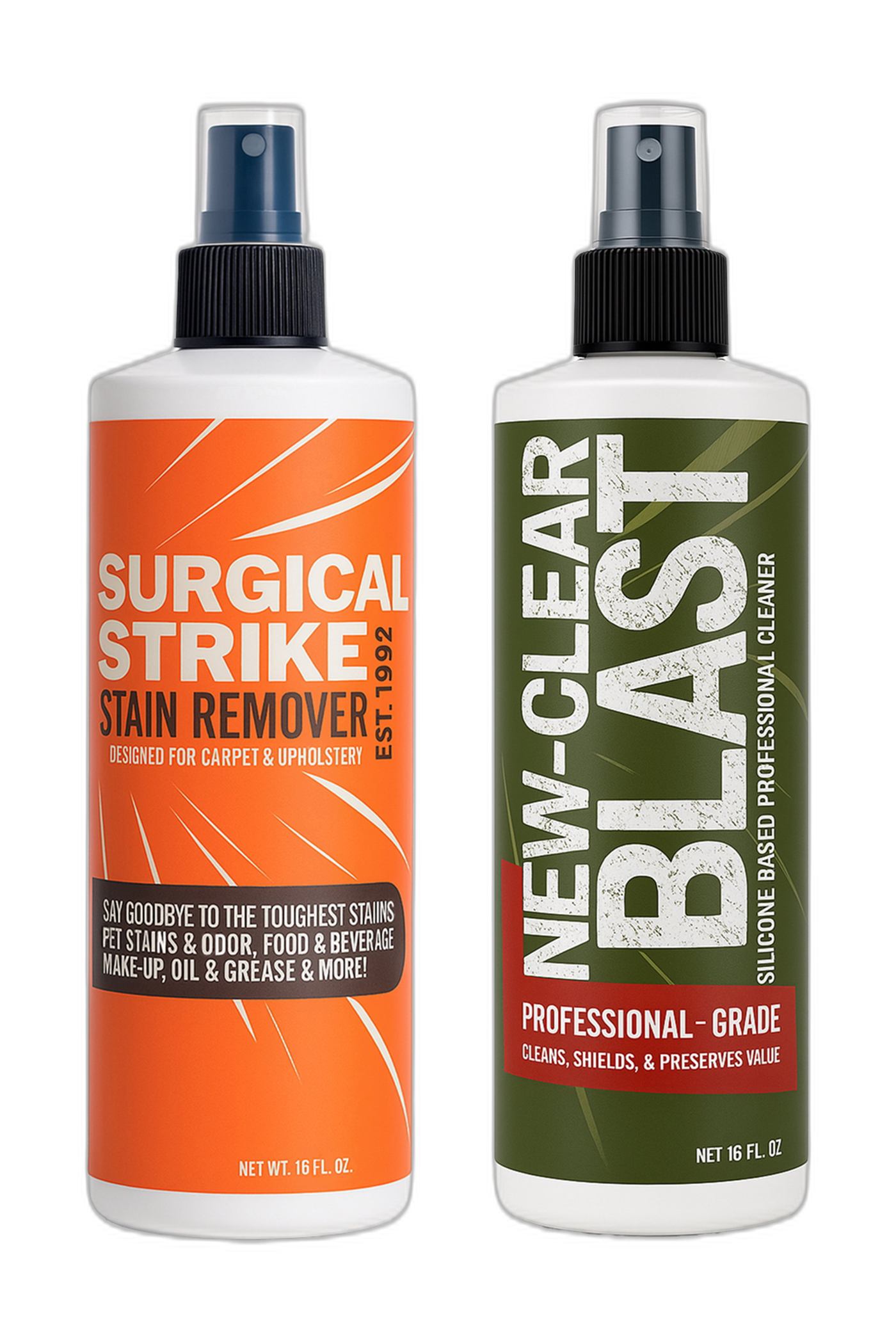
Two formulas. Serious range.
Use Surgical Strike for stains and odor, then New-Clear Blast to clean, shield and preserve hard surfaces.