Key Takeaways for Historic Building Preservation
- pH-neutral cleaners are essential for preserving historic stone and masonry without causing surface etching or chemical damage.
- Gentle cleaning methods, such as low-pressure water rinsing and poultices, are preferred over abrasive techniques for removing soot and grime to protect delicate original materials.
- Targeted, eco-friendly biocides are necessary for effective biological growth control to prevent regrowth on historic materials without introducing harmful agents.
- Always test cleaning chemicals on an inconspicuous area first to ensure material conservation and prevent unforeseen damage to irreplaceable surfaces.
The Imperative of Material Preservation in Historic Cleaning
The primary goal of any cleaning project involving a historic building is to preserve the original materials. These structures hold cultural and architectural significance, and maintaining their integrity is paramount. Cleaning must be approached not as a routine task, but as a conservation effort. The selection of methods and products directly impacts the building's structural health and aesthetic authenticity.
Aggressive or improperly chosen cleaning methods can cause irreversible damage. High-pressure washing, abrasive blasting, and harsh chemicals can erode stone, brick, and mortar, leading to a loss of original fabric. This damage not only diminishes the building's historical value but can also result in significantly higher costs for future restoration and repairs. The focus must always be on the gentlest means possible to achieve the desired level of cleanliness without compromising the substrate.
Following established guidelines is critical for success. The National Park Service, for example, advocates for a principle of minimal intervention. This approach ensures that cleaning processes are carefully considered and implemented only when necessary, using the least aggressive techniques to protect the material for the long term. This philosophy of care helps in the vital work of material conservation and stewardship of historic sites.
Selecting pH-Neutral Chemistries for Historic Surfaces
Choosing the right chemistry is fundamental to careful historic building cleaning. The use of pH-neutral cleaners is critical, particularly for sensitive materials like limestone, marble, and certain types of brick. These cleaners typically have a pH value around 7, which means they are neither acidic nor alkaline and do not react aggressively with the surface. This neutrality helps prevent chemical etching, discoloration, and the breakdown of mineral components within the masonry.
Chemical compatibility is another primary consideration. The chosen cleaning agent must not react adversely with the aged and often fragile substrates of a historic building. A product that works well on a modern surface could be destructive to historic masonry. Careful evaluation ensures that the cleaning solution addresses the contaminant without altering the physical or chemical properties of the underlying material. This is a core principle of material conservation in historic settings.
For facility managers and conservation teams, sourcing appropriate cleaning and surface-prep solutions involves careful vetting of product specifications. The goal is to find solutions that effectively remove soiling without leaving behind harmful residues that could cause future deterioration. A well-selected chemistry supports the long-term health of the building's facade.
Gentle Techniques for Removing Soot, Grime, and Biological Growth
For surface-level contaminants like soot and grime, gentle methods are the standard. Low-pressure water rinsing, sometimes combined with soft-bristle brushes, can be effective at removing accumulated deposits without abrading the surface. This technique allows for controlled cleaning and minimizes the physical stress on aged materials, which is a key recommendation in preservation guidelines.
When dirt is more deeply embedded, poultice cleaning can be a valuable technique. A poultice is a paste made of an absorbent material and a cleaning agent, which is applied to the surface and left to dry. As it dries, the poultice draws the stain or soiling out of the substrate. This method is particularly useful for delicate surfaces because it avoids mechanical abrasion entirely, helping preserve the original texture and details of the facade.
Biological growth, such as algae, lichen, and mold, requires a different approach. Simply removing the growth is not enough; the solution must also inhibit its return. The use of targeted, eco-friendly biocides that are compatible with historic materials is often necessary. These treatments help control regrowth without causing damage to the stone or masonry, supporting the long-term integrity and appearance of the structure.
Failure Modes and Operational Risks in Historic Cleaning
One of the most significant risks in historic cleaning is material loss due to over-cleaning or the use of abrasive methods. Techniques that are common in modern construction, such as sandblasting, can strip away the outer layer of historic brick or stone, destroying intricate details and exposing a more porous inner surface to accelerated weathering. This damage is irreversible and fundamentally compromises preservation efforts.
Improper chemical selection represents another major failure mode. Using acidic or highly alkaline cleaners on sensitive materials can lead to severe etching, staining, and chemical degradation. For example, an acid-based cleaner used on limestone can dissolve the calcium carbonate, permanently damaging the stone. Such mistakes underscore the importance of material identification and chemical compatibility testing before any work begins on these high-use environments.
Finally, inadequate removal of biological contaminants can lead to recurring problems and increased maintenance costs. If the underlying spores and organisms are not addressed, mold, algae, and other growths can quickly reappear, especially in damp conditions. This cycle of cleaning and rapid regrowth not only affects the building's appearance but can also contribute to moisture-related decay over time.
Mechanism-to-Outcome Map: Surface Interaction and Preservation
- Mechanism: pH-neutral chemistry. Outcome: Prevents chemical alteration, etching, and degradation of historic stone and masonry surfaces, preserving their original composition.
- Mechanism: Low-pressure water and poultice application. Outcome: Minimizes physical abrasion and preserves the original texture and integrity of delicate facades during the removal of dirt and stains.
- Mechanism: Targeted, compatible biocides. Outcome: Controls and inhibits biological growth effectively without damaging the underlying historic materials, supporting long-term preservation and reducing the frequency of interventions.
Implementing a Comprehensive Selection Checklist for Cleaning Products
When selecting cleaning products for a historic site, the first step is to prioritize solutions specifically designed for preservation work. This involves a close look at product data sheets, with a focus on pH neutrality and confirmed compatibility with the specific substrates in question, whether limestone, sandstone, brick, or terracotta.
Ensure the chosen products effectively address the target soils. A cleaner suitable for general grime may not be appropriate for removing metallic stains or unwanted surface growth. Solutions such as New-Clear Blast for multi-surface cleaning or Surgical Strike for addressing stains can be considered as part of a surface preparation toolkit. Each product's suitability must be confirmed for the specific application and material.
The most crucial step in any selection process is conducting preliminary tests. Before any full-scale application, the cleaning agent must be tested on a small, inconspicuous area of the structure. This patch test confirms the product's compatibility and efficacy, allowing for observation of any adverse reactions, such as discoloration or material degradation. This step is a non-negotiable part of responsible material conservation.
Regulatory, Safety, and Compliance Considerations for Historic Building Cleaning
Adherence to established preservation standards is essential for regulatory compliance and achieving successful outcomes. Guidelines published by organizations like the National Park Service provide a framework for best practices in cleaning historic structures. Following these recommendations helps ensure that all work is performed in a manner that respects and protects the historic fabric of the building.
In addition to preservation guidelines, environmental regulations may also apply. Selecting eco-friendly chemicals where possible minimizes the impact of the cleaning operation on the surrounding environment. This commitment to sustainable practices aligns with modern conservation ethics and can be a requirement in certain jurisdictions.
User safety must remain a top priority throughout the project. The application of any chemical cleaner requires careful attention to safety protocols. Always work in areas with adequate ventilation and ensure that all personnel are equipped with the proper personal protective equipment (PPE). It is important to avoid contact with eyes and prolonged skin contact. As with any chemical product, keep them out of reach of children and always follow label directions.
Long-Term Preservation and Cost-Efficiency Through Gentle Cleaning
Investing in gentle cleaning methods and appropriate pH-neutral solutions is a cost-effective strategy for long-term preservation. By avoiding the damage caused by harsh techniques, building owners and managers can significantly reduce the need for expensive and complex restoration work in the future. Proper cleaning is a form of preventive maintenance for historic properties.
The use of compatible chemistries helps extend the lifespan of original building materials. When surfaces are cleaned without being etched or degraded, they are better able to withstand environmental stressors over time. This approach helps preserve the irreplaceable historic fabric and avoid material replacement.
Furthermore, adopting eco-friendly and sustainable cleaning practices can lower overall operational expenses. These methods often reduce water usage and minimize waste, contributing to a more efficient maintenance program. By preventing material degradation, gentle cleaning supports the financial and cultural value of the historic asset for generations to come.
Clean and prep surfaces with CG Chemicals
If you are dealing with buildup, residues, or tough soil before maintenance or finishing work, CG Chemicals offers practical cleaning solutions for high-use environments. Explore New-Clear Blast and Surgical Strike based on your surface and soil type.
Sources
- https://www.getty.edu/conservation/publications_resources/research_reports/cleaning_stone.html
- https://www.nps.gov/tps/how-to-preserve/cleaning-historic-structures.htm
- https://lrec-conf.org/proceedings/lrec2026/workshops/cl4health/2026.cl4health-1.0.pdf
- https://www.sciencedirect.com/journal/journal-of-cultural-heritage
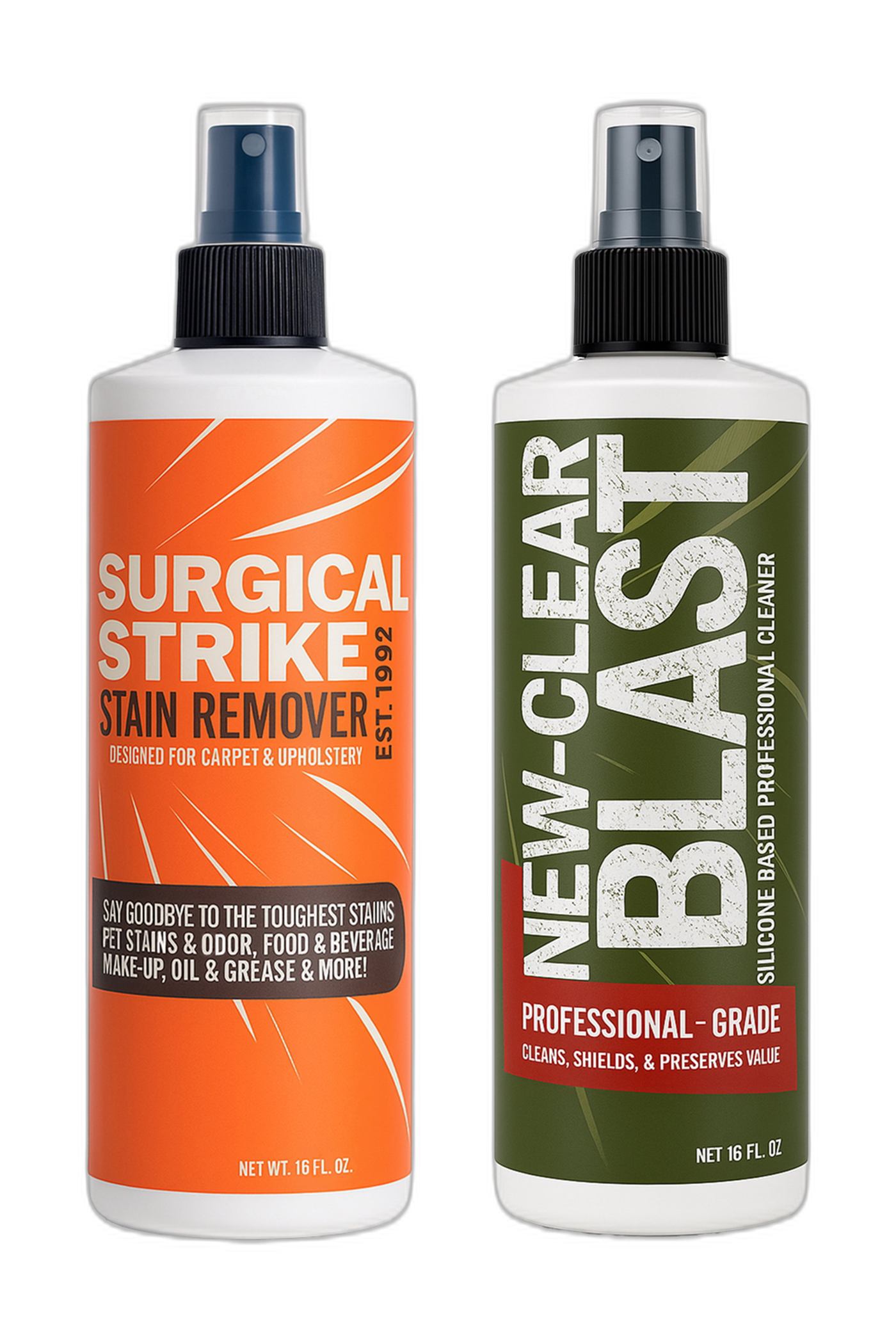
Two formulas. Serious range.
Use Surgical Strike for stains and odor, then New-Clear Blast to clean, shield and preserve hard surfaces.