Key Takeaways
In metal fabrication, the quality of the final product often depends on the quality of the cleaning process. Proper surface preparation is not just a preliminary step but a critical stage that influences everything from coating adhesion to corrosion resistance. Here are the essential points to understand about advanced cleaning in this sector:
- Precision cleaning removes contaminants such as oils, oxides, scales, and residues to help prepare surfaces for proper adhesion and coating applications in metal fabrication.
- Low-foaming aqueous cleaners are often preferred for their efficiency in spray, immersion, and ultrasonic cleaning systems common in high-throughput fabrication processes.
- Formulations containing corrosion inhibitors are used to prevent flash rust and assist with post-clean protection for both ferrous and non-ferrous metals.
- Specialized chemistries, including alkaline and neutral pH detergents, are designed to target specific soils and substrates without causing damage to the metal surface.
- Industry guidelines, such as ASTM standards, provide a framework for surface preparation to achieve the cleanliness levels required for various metal coatings and finishing processes.
The Imperative of Precision Cleaning in Metal Fabrication
In any metalworking operation, effective cleaning is a foundational requirement. The process removes oils, metal chips, and other residues that can interfere with subsequent steps. A properly prepared surface is essential for achieving consistent results in painting, coating, and bonding processes, and it supports the long-term corrosion resistance of the finished part.
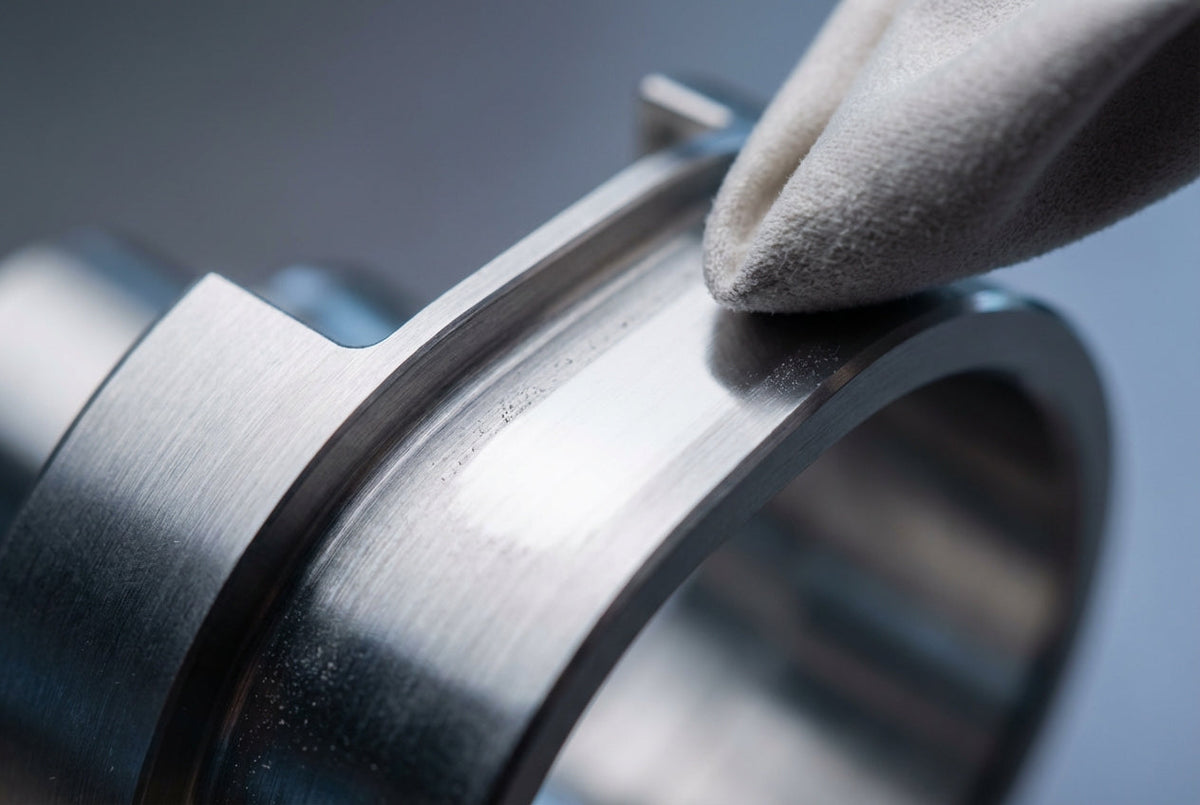
Surface preparation is the critical first step toward a residue-free metal surface. Without it, even the most advanced coatings may fail to adhere correctly. The goal of cleaning is to create a uniform and receptive substrate that is ready for downstream processes, whether that involves welding, painting, or assembly.
Advanced cleaning solutions are formulated to address specific challenges, such as removing stubborn oxides and corrosion from metals like stainless steel and copper. By using the appropriate chemistry, fabricators can maintain the surface quality necessary for high-specification components.
Understanding Failure Modes and Operational Risks
The risks associated with improper cleaning are significant. Contaminants like oils, oxides, scale, and other residues can compromise surface integrity, leading to poor adhesion, blistering, or complete coating failure. These issues can result in costly rework, product recalls, and damage to a company's reputation.
A common problem is flash corrosion, which can form on wet metal parts immediately after cleaning. This rapid oxidation requires the use of specialized cleaners that contain inhibitors to protect the surface until the next stage of production. Furthermore, using the wrong cleaning chemistry can cause irreversible damage to sensitive metals like aluminum or other alloys, affecting the part's functionality and structural integrity.
Mechanism-to-Outcome: How Advanced Chemistries Deliver Results
The effectiveness of a cleaning solution lies in its formulation. Modern water-based cleaners often include corrosion inhibitors that provide temporary protection against flash rust and other forms of oxidation after the cleaning cycle is complete. This protection can be critical in multi-stage production environments where parts may sit before the next process.
Specialized alkaline and neutral pH detergents are formulated to target specific soils, such as heavy greases, oils, or fine particulates, while remaining compatible with the metal substrate. This tailored approach helps ensure that contaminants are removed without etching or damaging the part itself.
Ultimately, the objective is to achieve a residue-free surface. The right chemistry works to break down and lift away soils, leaving a clean substrate that is properly prepared for subsequent manufacturing processes, such as coating, plating, or welding.
Modern Cleaning Methods and Technologies in Manufacturing
Today's industrial cleaning processes rely on both advanced chemistries and efficient application methods. Low-foaming water-based cleaners are designed for use in automated systems, including industrial spray washers, immersion tanks, and ultrasonic cleaning equipment. These formulations are engineered for high efficiency, helping to reduce cycle times and maintain operational throughput.
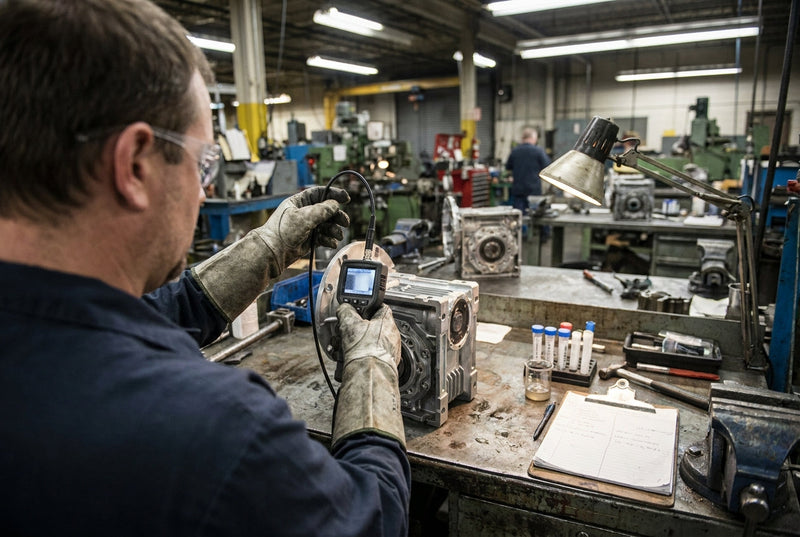
As technology evolves, emerging surface cleaning technologies are becoming more integrated into modern Manufacturing operations. These advancements focus on boosting efficiency, reducing environmental impact, and achieving higher levels of cleanliness. Industrial parts washers remain a cornerstone of metal fabrication, allowing for the consistent and efficient removal of various contaminants from components of all sizes.
Selection Checklist for Metal Fabrication Cleaning Solutions
Choosing the right cleaning solution is a critical decision that impacts quality, efficiency, and cost. When evaluating options, procurement managers and operators should consider several key factors:
- Metal Compatibility: Evaluate the cleaning solution's compatibility with the specific metals being processed, including sensitive alloys like aluminum, brass, or copper.
- Soil Type: Identify the primary soils to be removed, whether they are heavy oils, greases, metal fines, oxides, or other particulates, to select the most appropriate chemistry.
- Application Method: Prioritize low-foaming formulas for methods like spray washing, immersion, or ultrasonic processes to maintain system efficiency and prevent overflows.
- Corrosion Inhibition: Look for solutions that offer post-cleaning corrosion protection to safeguard parts before they move to the next manufacturing step.
- Industry Standards: Ensure the selected cleaning process helps meet any relevant industry standards for surface preparation and cleanliness to support downstream applications.
Regulatory, Safety, and Compliance Considerations
Adherence to industry standards is crucial for ensuring quality and consistency in metal fabrication. Organizations like ASTM International provide standards that specify surface cleanliness requirements for processes such as structural adhesive bonding and the application of metal coatings.
For specific sectors, other bodies may offer guidance. For example, the Metal Powder Industries Federation (MPIF) publishes best practices for the post-processing cleaning of metal powder parts, which helps guide compliance and quality control in that niche.
Regardless of the application, safety is paramount. When using any industrial cleaning solution, it is important to follow all label directions. Use with adequate ventilation, avoid contact with eyes and prolonged skin contact, and keep all chemical products out of reach of children.
Optimizing Surface Preparation for Finishing and Longevity
Thorough surface preparation is a prerequisite for achieving the intended performance of subsequent coatings or finishes. A clean, properly prepared surface is essential for adhesion and helps prevent failures like peeling or blistering.
Beyond initial application, a contaminant-free surface is fundamental to preventing premature corrosion and extending the life cycle of fabricated metal parts. By removing contaminants that can trap moisture or react with the metal, fabricators help maintain the long-term integrity of their products.
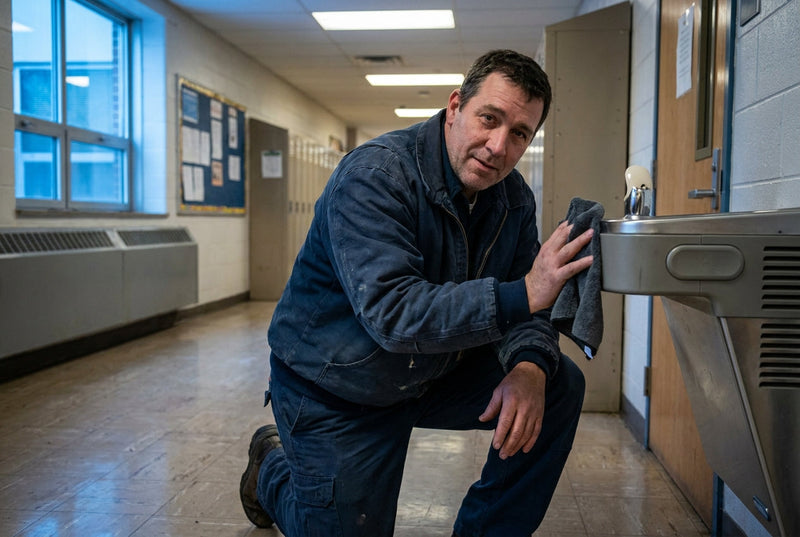
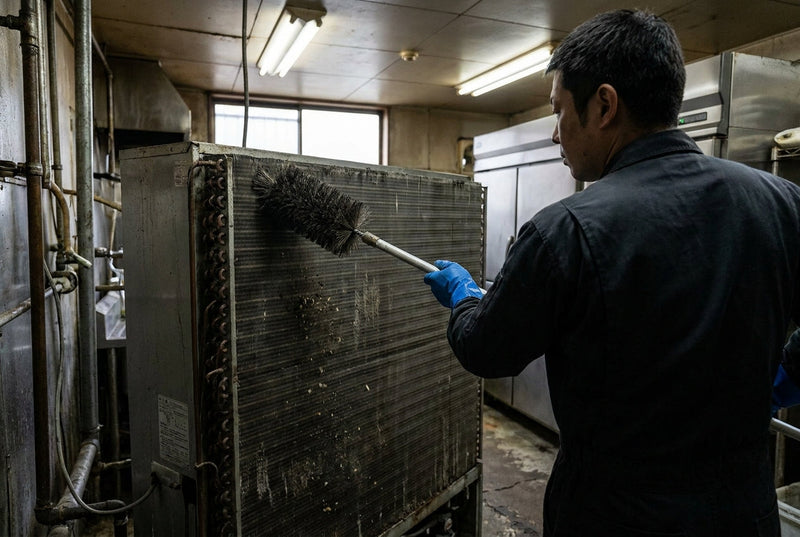
Finally, consistent cleaning and maintenance of equipment and work zones within a manufacturing environment contribute to overall product quality and operational efficiency. Regular upkeep helps prevent cross-contamination and ensures that every part meets the required standards.
Clean and prep surfaces with CG Chemicals
If you are dealing with buildup, residues, or tough soil before maintenance or finishing work, CG Chemicals offers practical cleaning solutions for high-use environments. Explore New-Clear Blast and Surgical Strike based on your surface and soil type.
Sources
- https://alconox.com/industries/precision-manufacturing/
- https://www.zerust.com/applications/industrial-cleaners-and-degreasers-for-metal-finishing/
- https://www.astm.org/standards/metal-coatings.html
- https://www.betterengineering.com/industries/metal-cleaning-surface-preparation/
- https://kyzen.com/industries-applications/metal-parts-cleaning/
- https://www.manufacturingtomorrow.com/article/2023/10/surface-cleaning-technologies-for-modern-manufacturing
- https://www.mpif.org/technical-resources/technical-papers/
- https://www.pfonline.com/technical-articles/metal-cleaning-techniques-for-die-casting-operations
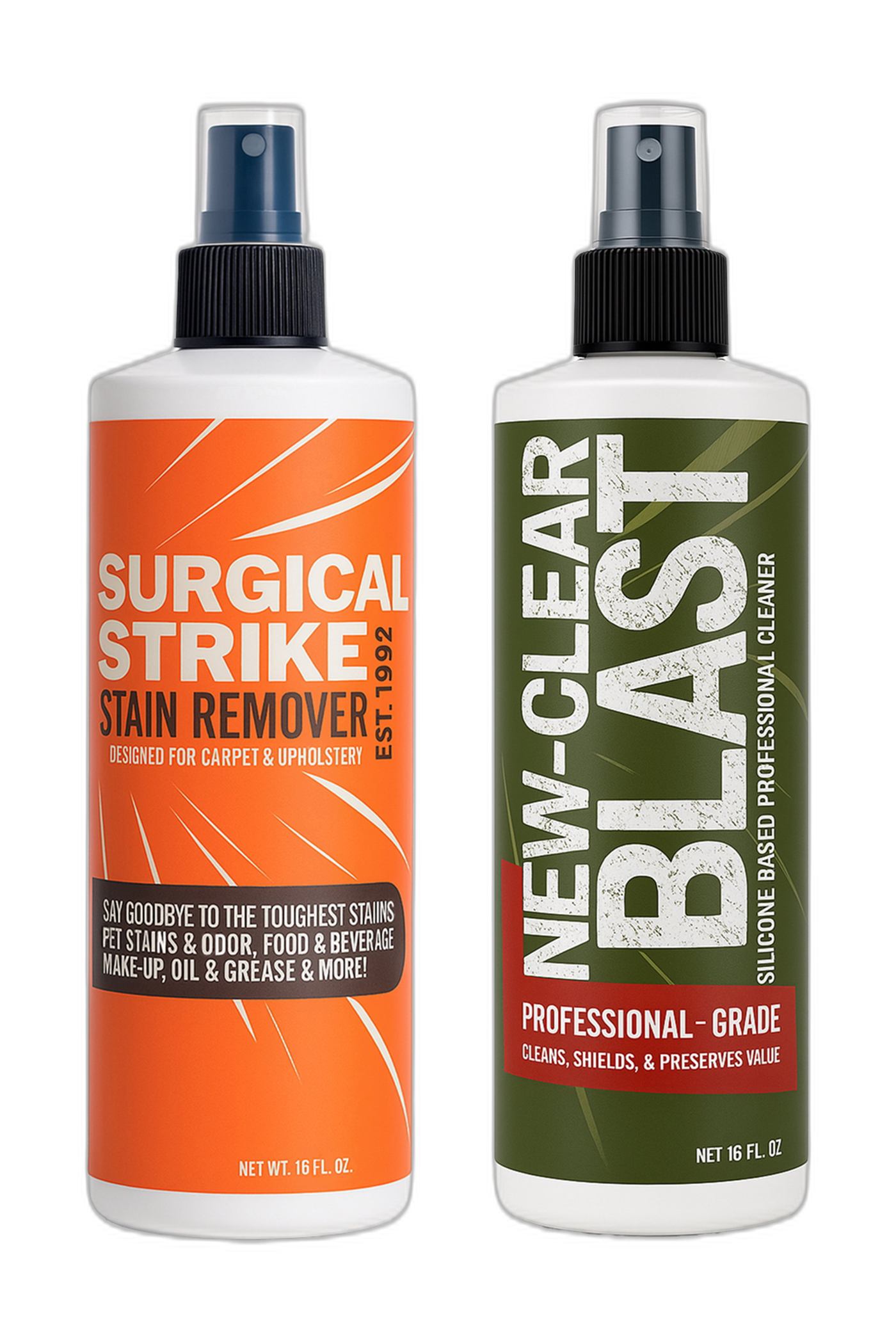
Two formulas. Serious range.
Use Surgical Strike for stains and odor, then New-Clear Blast to clean, shield and preserve hard surfaces.